cyclin A2-CDK1 complex / cell cycle G1/S phase transition / cellular response to luteinizing hormone stimulus / G2/M DNA replication checkpoint / Transcription of E2F targets under negative control by p107 (RBL1) and p130 (RBL2) in complex with HDAC1 / cellular response to leptin stimulus / male pronucleus / cellular response to cocaine / female pronucleus / response to glucagon ...cyclin A2-CDK1 complex / cell cycle G1/S phase transition / cellular response to luteinizing hormone stimulus / G2/M DNA replication checkpoint / Transcription of E2F targets under negative control by p107 (RBL1) and p130 (RBL2) in complex with HDAC1 / cellular response to leptin stimulus / male pronucleus / cellular response to cocaine / female pronucleus / response to glucagon / cyclin-dependent protein serine/threonine kinase regulator activity / positive regulation of DNA biosynthetic process / cyclin A1-CDK2 complex / cyclin E2-CDK2 complex / cyclin E1-CDK2 complex / cellular response to insulin-like growth factor stimulus / cyclin A2-CDK2 complex / G2 Phase / Y chromosome / cyclin-dependent protein kinase activity / regulation of heterochromatin organization / Phosphorylation of proteins involved in G1/S transition by active Cyclin E:Cdk2 complexes / positive regulation of heterochromatin formation / p53-Dependent G1 DNA Damage Response / X chromosome / PTK6 Regulates Cell Cycle / regulation of anaphase-promoting complex-dependent catabolic process / Defective binding of RB1 mutants to E2F1,(E2F2, E2F3) / centriole replication / Regulation of APC/C activators between G1/S and early anaphase / telomere maintenance in response to DNA damage / regulation of DNA replication / animal organ regeneration / microtubule organizing center / G0 and Early G1 / cochlea development / centrosome duplication / Telomere Extension By Telomerase / Activation of the pre-replicative complex / cyclin-dependent kinase / cyclin-dependent protein serine/threonine kinase activity / TP53 Regulates Transcription of Genes Involved in G1 Cell Cycle Arrest / Regulation of MITF-M-dependent genes involved in cell cycle and proliferation / Cajal body / Activation of ATR in response to replication stress / Cyclin E associated events during G1/S transition / cyclin-dependent protein kinase holoenzyme complex / cellular response to platelet-derived growth factor stimulus / Cyclin A:Cdk2-associated events at S phase entry / Chk1/Chk2(Cds1) mediated inactivation of Cyclin B:Cdk1 complex / Cyclin A/B1/B2 associated events during G2/M transition / condensed chromosome / mitotic G1 DNA damage checkpoint signaling / cellular response to nitric oxide / negative regulation of protein localization to chromatin / post-translational protein modification / regulation of mitotic cell cycle / cyclin binding / positive regulation of DNA replication / peptidyl-serine phosphorylation / cellular response to estradiol stimulus / G1/S transition of mitotic cell cycle / positive regulation of fibroblast proliferation / Cdc20:Phospho-APC/C mediated degradation of Cyclin A / meiotic cell cycle / DNA Damage/Telomere Stress Induced Senescence / cellular senescence / G2/M transition of mitotic cell cycle / Meiotic recombination / CDK-mediated phosphorylation and removal of Cdc6 / Transcriptional regulation of granulopoiesis / SCF(Skp2)-mediated degradation of p27/p21 / Orc1 removal from chromatin / Cyclin D associated events in G1 / Regulation of TP53 Degradation / nuclear envelope / Factors involved in megakaryocyte development and platelet production / transcription regulator complex / Processing of DNA double-strand break ends / Senescence-Associated Secretory Phenotype (SASP) / cellular response to hypoxia / Regulation of TP53 Activity through Phosphorylation / Ras protein signal transduction / ciliary basal body / protein phosphorylation / chromosome, telomeric region / DNA replication / endosome / Ub-specific processing proteases / chromatin remodeling / protein domain specific binding / protein serine kinase activity / cell division / DNA repair / protein serine/threonine kinase activity / positive regulation of cell population proliferation / centrosome / positive regulation of DNA-templated transcription / protein kinase binding / magnesium ion binding 類似検索 - 分子機能
Cyclin-A, N-terminal APC/C binding region / Cyclin-A N-terminal APC/C binding region / : / Cyclin, C-terminal domain / : / Cyclins signature. / Cyclin / Cyclin-like / Cyclin, C-terminal domain / Cyclin_C ...Cyclin-A, N-terminal APC/C binding region / Cyclin-A N-terminal APC/C binding region / : / Cyclin, C-terminal domain / : / Cyclins signature. / Cyclin / Cyclin-like / Cyclin, C-terminal domain / Cyclin_C / Cyclin A; domain 1 / Cyclin, N-terminal / Cyclin, N-terminal domain / Cyclin-like / domain present in cyclins, TFIIB and Retinoblastoma / Cyclin-like superfamily / : / Phosphorylase Kinase; domain 1 / Phosphorylase Kinase; domain 1 / Transferase(Phosphotransferase) domain 1 / Transferase(Phosphotransferase); domain 1 / Serine/threonine-protein kinase, active site / Serine/Threonine protein kinases active-site signature. / Protein kinase domain / Serine/Threonine protein kinases, catalytic domain / Protein kinase, ATP binding site / Protein kinases ATP-binding region signature. / Protein kinase domain profile. / Protein kinase domain / Protein kinase-like domain superfamily / 2-Layer Sandwich / Orthogonal Bundle / Mainly Alpha / Alpha Beta 類似検索 - ドメイン・相同性
プロトコル: SINGLE WAVELENGTH / 単色(M)・ラウエ(L): M / 散乱光タイプ: x-ray
放射波長
波長: 0.97 Å / 相対比: 1
反射
解像度: 2.5→30 Å / Num. obs: 72932 / % possible obs: 99.7 % / Observed criterion σ(I): 0 / 冗長度: 7 % / Biso Wilson estimate: 45.6 Å2 / Rmerge(I) obs: 0.09 / Net I/σ(I): 16.1
反射 シェル
解像度: 2.5→2.6 Å / 冗長度: 0 % / Rmerge(I) obs: 0.57 / Mean I/σ(I) obs: 3.7 / % possible all: 100
-
解析
ソフトウェア
名称
分類
CNX
精密化
DENZO
データ削減
SCALEPACK
データスケーリング
精密化
構造決定の手法: OTHER 開始モデル: NONE 解像度: 2.5→29.96 Å / Rfactor Rfree error: 0.004 / Data cutoff high absF: 4212802.71 / Data cutoff low absF: 0 / Isotropic thermal model: RESTRAINED / 交差検証法: THROUGHOUT / σ(F): 0 詳細: THERE IS A FEATURE IN THE ELECTRON DENSITY MAP ATTACHED TO ASP 28 OF BOTH CDK2 MOLECULES THAT COULD NOT BE ASSIGNED TO ANY MOLECULE IN THE CRYSTALLISATION MIXTURE. THIS HAS BEEN MODELLED BY WATER MOLECULES.
 ムービー
ムービー コントローラー


 データを開く
 基本情報
基本情報 要素
要素 キーワード
キーワード 機能・相同性情報
 HOMO SAPIENS (ヒト)
 X線回折 /
  データ登録者
 引用
引用 構造の表示
構造の表示 ダウンロードとリンク
 その他のダウンロード
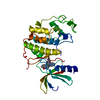
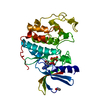
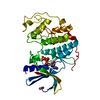
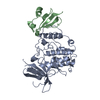
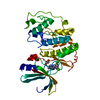
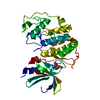
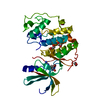
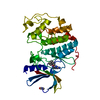
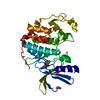
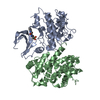
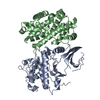
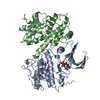
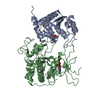
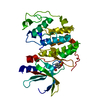
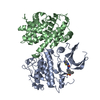
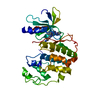
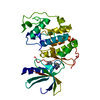
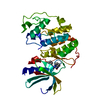
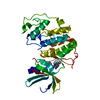
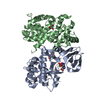
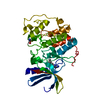
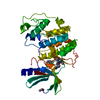
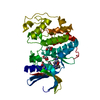
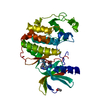
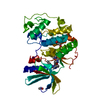
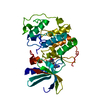
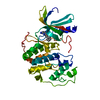
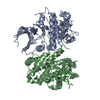
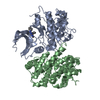
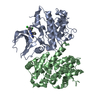
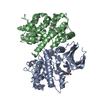
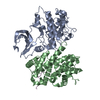
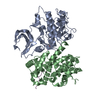
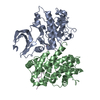
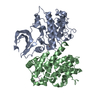
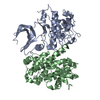
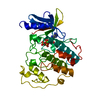
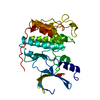
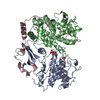
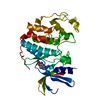
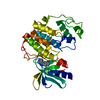
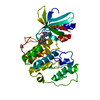
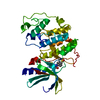
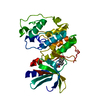
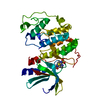
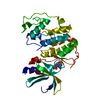
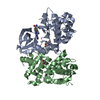
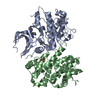
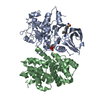
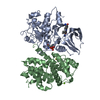
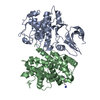
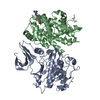
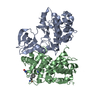
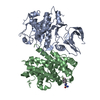
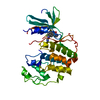
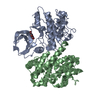
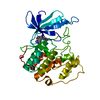
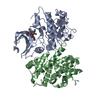
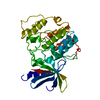
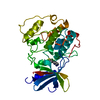
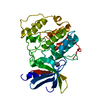
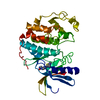
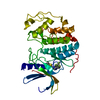
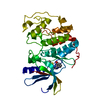
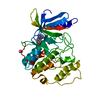
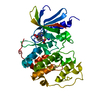
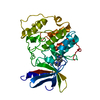
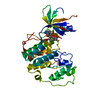
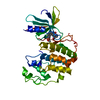
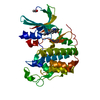
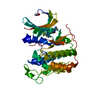
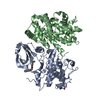
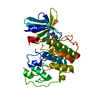
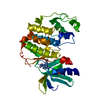
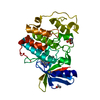
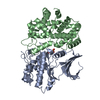
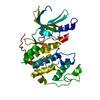
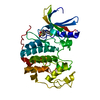
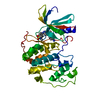
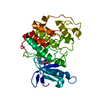
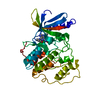

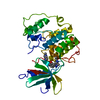
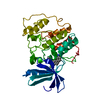
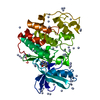
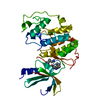
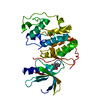
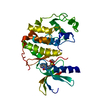
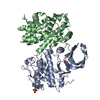
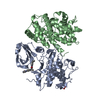
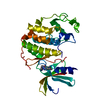
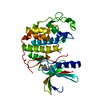
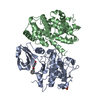
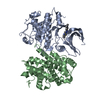
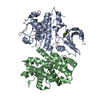
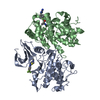
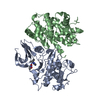
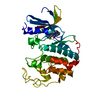
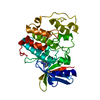
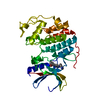
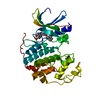
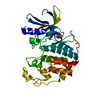
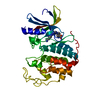
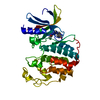
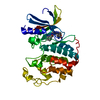
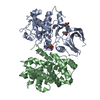
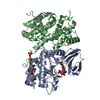
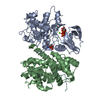
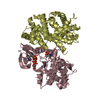
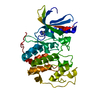
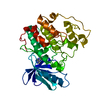
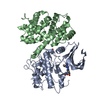
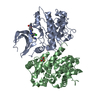
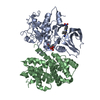
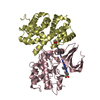

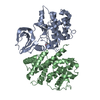
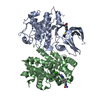
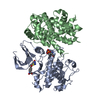
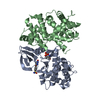
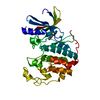
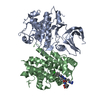
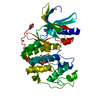
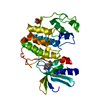
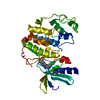
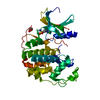
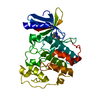
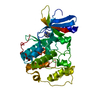
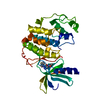
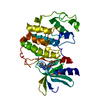
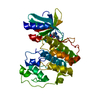
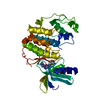
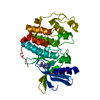
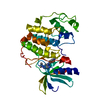
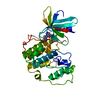
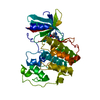
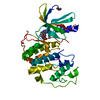
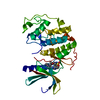
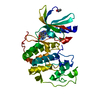
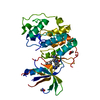
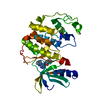
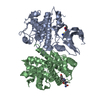


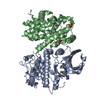
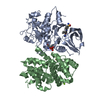

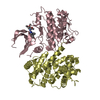
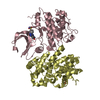
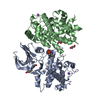

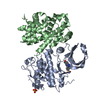
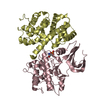
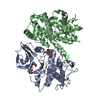
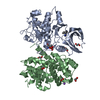
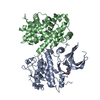
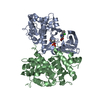
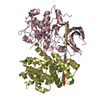
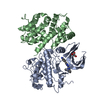
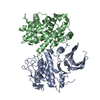
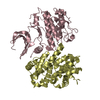

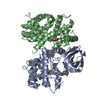
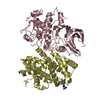
 PDBj
PDBj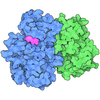
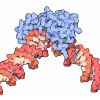
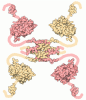
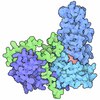
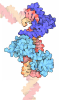
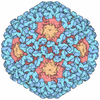
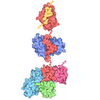
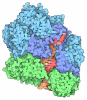
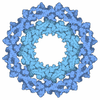
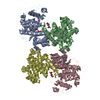
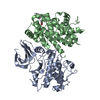
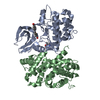
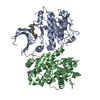
 集合体
集合体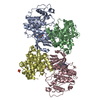
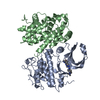
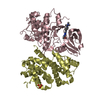
 TRICHOPLUSIA NI (イラクサキンウワバ) / 参照: UniProt: P24941, EC: 2.7.1.37
 ESCHERICHIA COLI BL21 (大腸菌) / 参照: UniProt: P20248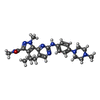
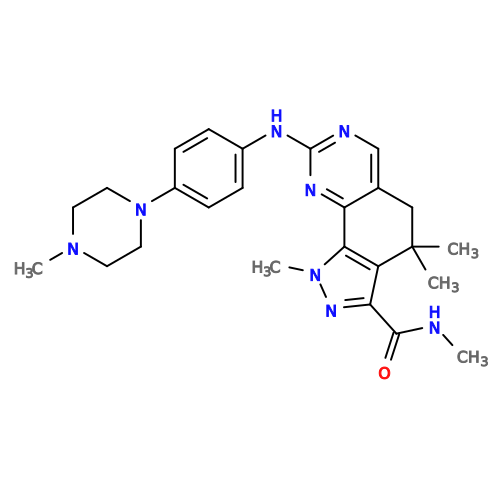 分子量: 460.575 Da / 分子数: 2 / 由来タイプ: 合成 / 式: C25H32N8O
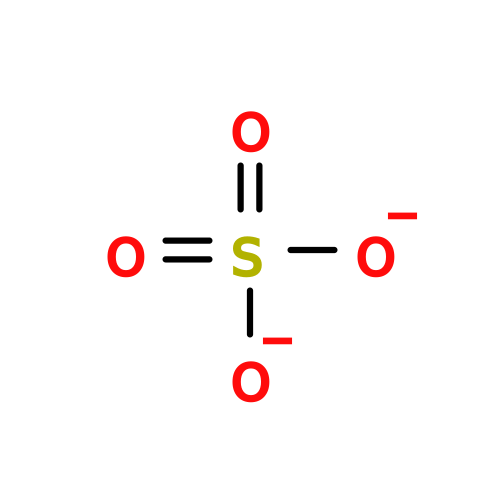 分子量: 96.063 Da / 分子数: 1 / 由来タイプ: 合成 / 式: SO4
 分子量: 18.015 Da / 分子数: 214 / 由来タイプ: 天然 / 式: H2O
 試料調製
試料調製 / ビームライン: ID14-4 / 波長: 0.97
  解析
解析