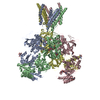
Movie
Movie Controller

[English] 日本語
 Yorodumi
- EMDB-43780: Rat GluN1-GluN2B NMDA receptor channel in complex with glycine, g... -
+ Open data

- Basic information
| Entry |  | |||||||||
|---|---|---|---|---|---|---|---|---|---|---|
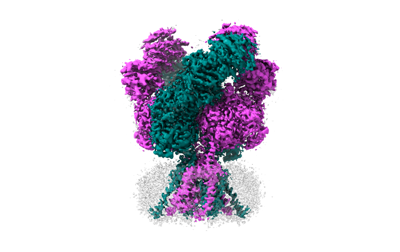
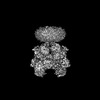
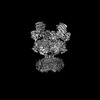
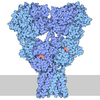
| Title | Rat GluN1-GluN2B NMDA receptor channel in complex with glycine, glutamate, and EU-1622-A, in nonactive1 conformation | |||||||||
 Map data Map data | The B-factor sharpened map. | |||||||||
 Sample Sample |
| |||||||||
 Keywords Keywords | Ion channel / ionotropic glutamate receptor / synaptic membrane protein / MEMBRANE PROTEIN | |||||||||
| Function / homology |  Function and homology information Function and homology informationtrigeminal motor nucleus development / cellular response to corticosterone stimulus / cellular response to magnesium starvation / sensory organ development / sensitization / cellular response to curcumin / auditory behavior / pons maturation / regulation of cAMP/PKA signal transduction / fear response ...trigeminal motor nucleus development / cellular response to corticosterone stimulus / cellular response to magnesium starvation / sensory organ development / sensitization / cellular response to curcumin / auditory behavior / pons maturation / regulation of cAMP/PKA signal transduction / fear response / EPHB-mediated forward signaling / positive regulation of Schwann cell migration / Assembly and cell surface presentation of NMDA receptors / response to carbohydrate / regulation of cell communication / protein localization to postsynaptic membrane / conditioned taste aversion / suckling behavior / positive regulation of mitochondrial calcium ion concentration / olfactory learning / response to hydrogen sulfide / response to other organism / response to methylmercury / dendritic branch / regulation of ARF protein signal transduction / ciliary transition zone / response to manganese ion / response to glycoside / apical dendrite / transmitter-gated monoatomic ion channel activity / interleukin-1 receptor binding / cellular response to dsRNA / cellular response to lipid / regulation of respiratory gaseous exchange / propylene metabolic process / response to glycine / response to growth hormone / neurotransmitter receptor complex / heterocyclic compound binding / positive regulation of inhibitory postsynaptic potential / RAF/MAP kinase cascade / negative regulation of dendritic spine maintenance / response to amine / Synaptic adhesion-like molecules / NMDA glutamate receptor activity / regulation of monoatomic cation transmembrane transport / neuromuscular process / NMDA selective glutamate receptor complex / glutamate binding / regulation of axonogenesis / behavioral fear response / ligand-gated sodium channel activity / startle response / voltage-gated monoatomic cation channel activity / regulation of synapse assembly / positive regulation of glutamate secretion / calcium ion transmembrane import into cytosol / response to morphine / positive regulation of reactive oxygen species biosynthetic process / male mating behavior / protein heterotetramerization / regulation of dendrite morphogenesis / small molecule binding / receptor clustering / glycine binding / behavioral response to pain / positive regulation of calcium ion transport into cytosol / parallel fiber to Purkinje cell synapse / social behavior / hypothalamus development / associative learning / regulation of neuronal synaptic plasticity / regulation of MAPK cascade / response to electrical stimulus / regulation of postsynaptic membrane potential / multicellular organismal response to stress / action potential / extracellularly glutamate-gated ion channel activity / positive regulation of dendritic spine maintenance / monoatomic cation transmembrane transport / detection of mechanical stimulus involved in sensory perception of pain / response to magnesium ion / ciliary tip / cellular response to glycine / Unblocking of NMDA receptors, glutamate binding and activation / response to mechanical stimulus / monoatomic cation transport / calcium ion homeostasis / glutamate receptor binding / prepulse inhibition / phosphatase binding / long-term memory / adult locomotory behavior / regulation of long-term neuronal synaptic plasticity / postsynaptic density, intracellular component / response to fungicide / monoatomic cation channel activity / sensory perception of pain / cellular response to manganese ion / glutamate-gated receptor activity Similarity search - Function | |||||||||
| Biological species |   Rattus norvegicus (Norway rat) Rattus norvegicus (Norway rat) | |||||||||
| Method | single particle reconstruction / cryo EM / Resolution: 3.13 Å | |||||||||
 Authors Authors | Chou T-H / Furukawa H | |||||||||
| Funding support |  United States, 2 items United States, 2 items
| |||||||||
 Citation Citation | Journal: Nature / Year: 2024 Title: Molecular mechanism of ligand gating and opening of NMDA receptor. Authors: Tsung-Han Chou / Max Epstein / Russell G Fritzemeier / Nicholas S Akins / Srinu Paladugu / Elijah Z Ullman / Dennis C Liotta / Stephen F Traynelis / Hiro Furukawa / Abstract: Glutamate transmission and activation of ionotropic glutamate receptors are the fundamental means by which neurons control their excitability and neuroplasticity. The N-methyl-D-aspartate receptor ...Glutamate transmission and activation of ionotropic glutamate receptors are the fundamental means by which neurons control their excitability and neuroplasticity. The N-methyl-D-aspartate receptor (NMDAR) is unique among all ligand-gated channels, requiring two ligands-glutamate and glycine-for activation. These receptors function as heterotetrameric ion channels, with the channel opening dependent on the simultaneous binding of glycine and glutamate to the extracellular ligand-binding domains (LBDs) of the GluN1 and GluN2 subunits, respectively. The exact molecular mechanism for channel gating by the two ligands has been unclear, particularly without structures representing the open channel and apo states. Here we show that the channel gate opening requires tension in the linker connecting the LBD and transmembrane domain (TMD) and rotation of the extracellular domain relative to the TMD. Using electron cryomicroscopy, we captured the structure of the GluN1-GluN2B (GluN1-2B) NMDAR in its open state bound to a positive allosteric modulator. This process rotates and bends the pore-forming helices in GluN1 and GluN2B, altering the symmetry of the TMD channel from pseudofourfold to twofold. Structures of GluN1-2B NMDAR in apo and single-liganded states showed that binding of either glycine or glutamate alone leads to distinct GluN1-2B dimer arrangements but insufficient tension in the LBD-TMD linker for channel opening. This mechanistic framework identifies a key determinant for channel gating and a potential pharmacological strategy for modulating NMDAR activity. | |||||||||
| History |
|
- Structure visualization
| Supplemental images |
|---|
- Downloads & links
-EMDB archive
| Map data | emd_43780.map.gz | 230.1 MB | EMDB map data format | |
|---|---|---|---|---|
| Header (meta data) | emd-43780-v30.xmlemd-43780.xml | 19 KB 19 KB | Display Display | EMDB header |
| Images |  emd_43780.png emd_43780.png | 62.8 KB | ||
| Filedesc metadata | emd-43780.cif.gz | 7.1 KB | ||
| Others | emd_43780_half_map_1.map.gzemd_43780_half_map_2.map.gz | 226.4 MB 226.4 MB | ||
| Archive directory |  https://data.pdbj.org/pub/emdb/structures/EMD-43780ftp://data.pdbj.org/pub/emdb/structures/EMD-43780 https://data.pdbj.org/pub/emdb/structures/EMD-43780ftp://data.pdbj.org/pub/emdb/structures/EMD-43780 | HTTPS FTP |
-Related structure data
| Related structure data | 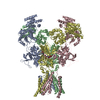 9arfMC 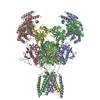 9areC 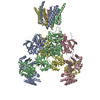 9argC 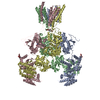 9arhC 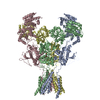 9ariC 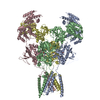 9bibC M: atomic model generated by this map C: citing same article ( |
|---|---|
| Similar structure data |
-Links
| EMDB pages | EMDB (EBI/PDBe) / EMDataResource |
|---|---|
| Related items in Molecule of the Month |
-Map
| File | Download / File: emd_43780.map.gz / Format: CCP4 / Size: 244.1 MB / Type: IMAGE STORED AS FLOATING POINT NUMBER (4 BYTES) | ||||||||||||||||||||||||||||||||||||
|---|---|---|---|---|---|---|---|---|---|---|---|---|---|---|---|---|---|---|---|---|---|---|---|---|---|---|---|---|---|---|---|---|---|---|---|---|---|
| Annotation | The B-factor sharpened map. | ||||||||||||||||||||||||||||||||||||
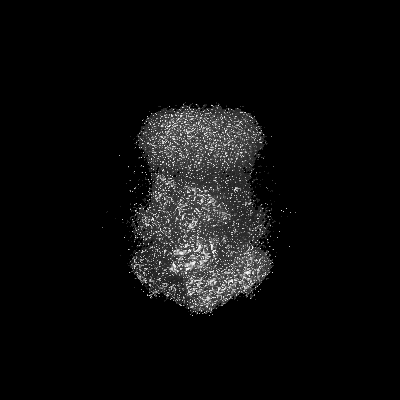
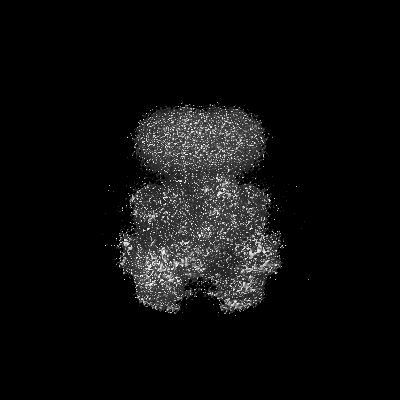
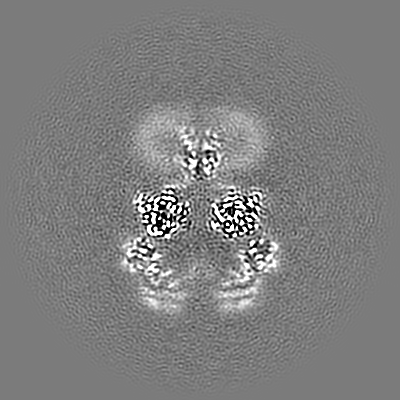
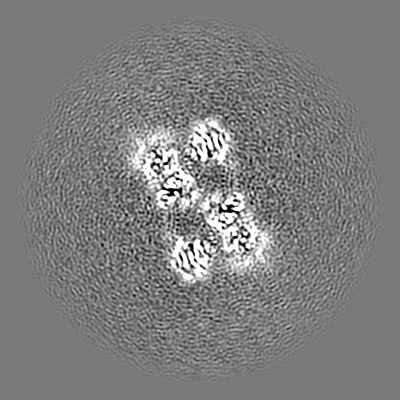
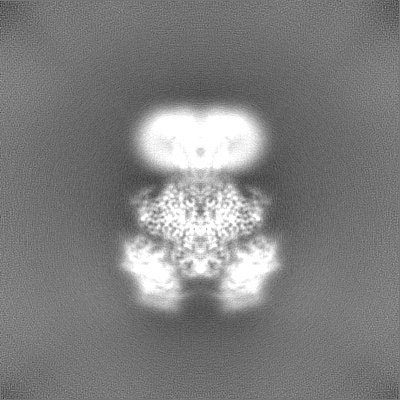
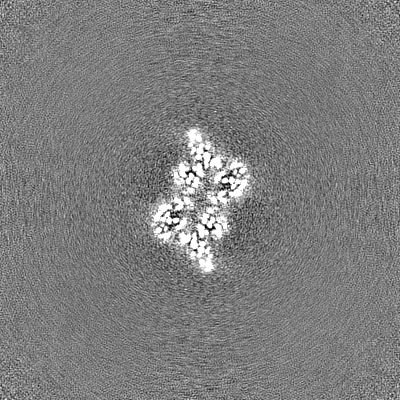
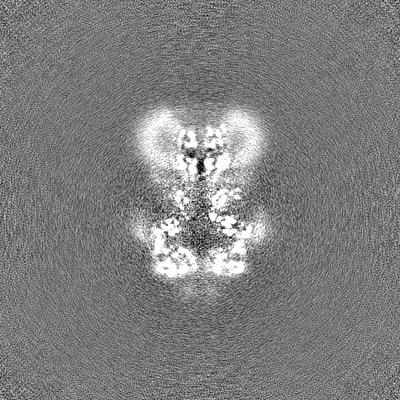
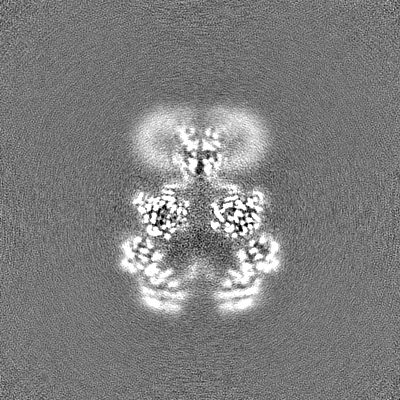
| Projections & slices | Image control
Images are generated by Spider. | ||||||||||||||||||||||||||||||||||||
| Voxel size | X=Y=Z: 0.861 Å | ||||||||||||||||||||||||||||||||||||
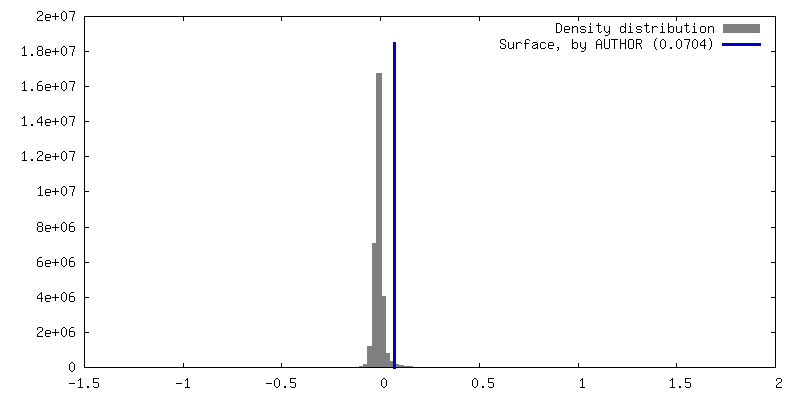
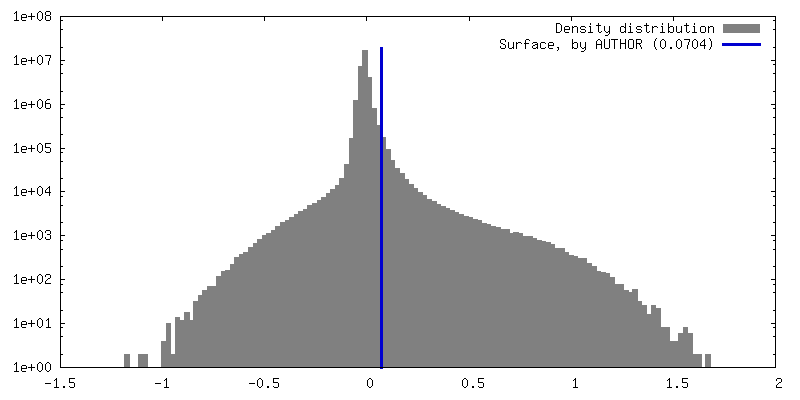
| Density |
| ||||||||||||||||||||||||||||||||||||
| Symmetry | Space group: 1 | ||||||||||||||||||||||||||||||||||||
| Details | EMDB XML:
|
 Z (Sec.)
 Y (Row.)
 X (Col.)


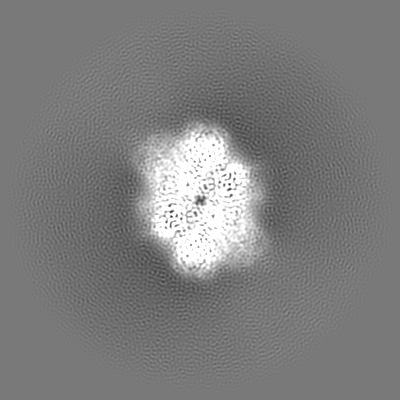
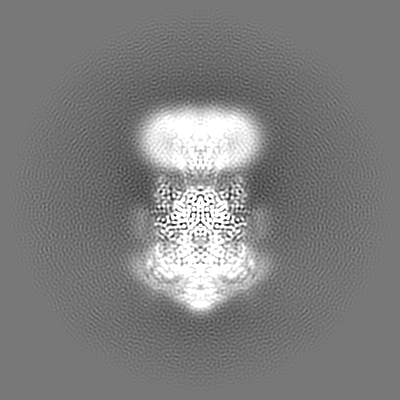
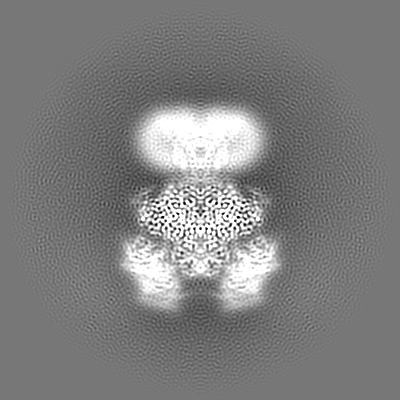



-Supplemental data
-Half map: Map A of the two half maps.
| File | emd_43780_half_map_1.map | ||||||||||||
|---|---|---|---|---|---|---|---|---|---|---|---|---|---|
| Annotation | Map A of the two half maps. | ||||||||||||
| Projections & Slices |
| ||||||||||||
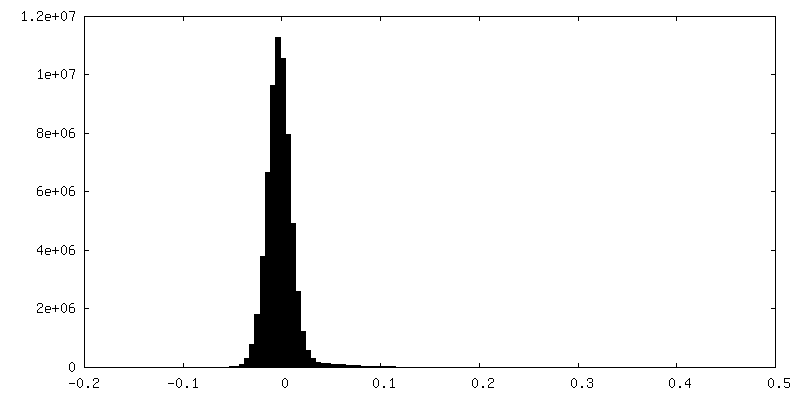
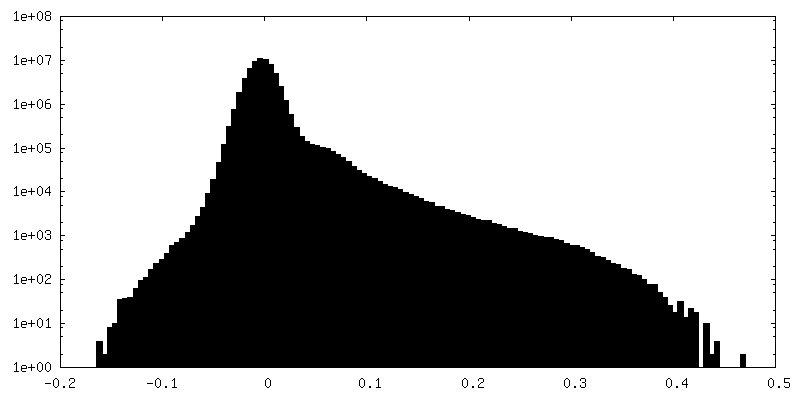
| Density Histograms |
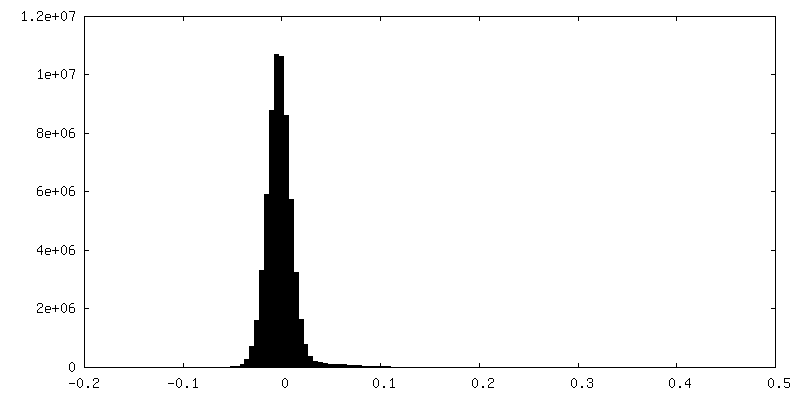
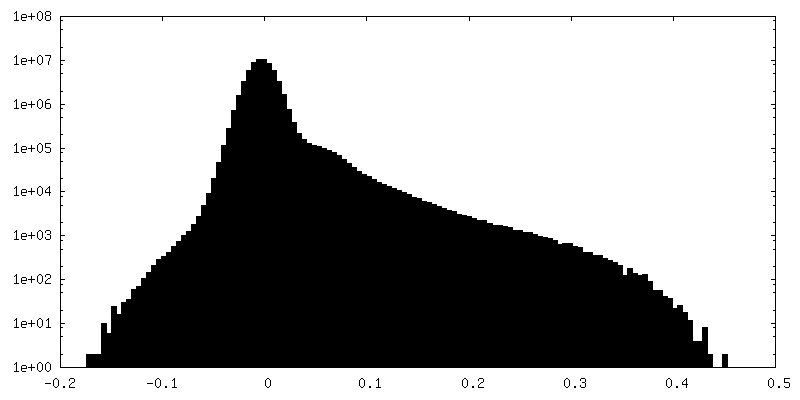
-Half map: Map B of the two half maps.
| File | emd_43780_half_map_2.map | ||||||||||||
|---|---|---|---|---|---|---|---|---|---|---|---|---|---|
| Annotation | Map B of the two half maps. | ||||||||||||
| Projections & Slices |
| ||||||||||||
| Density Histograms |
- Sample components
-Entire : Rat GluN1-Glu2B di-heterotetrameric NMDA receptor channel
| Entire | Name: Rat GluN1-Glu2B di-heterotetrameric NMDA receptor channel |
|---|---|
| Components |
|
-Supramolecule #1: Rat GluN1-Glu2B di-heterotetrameric NMDA receptor channel
| Supramolecule | Name: Rat GluN1-Glu2B di-heterotetrameric NMDA receptor channel type: complex / ID: 1 / Parent: 0 / Macromolecule list: #1-#2 |
|---|---|
| Source (natural) | Organism: Rattus norvegicus (Norway rat) |
| Molecular weight | Theoretical: 400 KDa |
-Macromolecule #1: Glutamate receptor ionotropic, NMDA 1
| Macromolecule | Name: Glutamate receptor ionotropic, NMDA 1 / type: protein_or_peptide / ID: 1 / Number of copies: 2 / Enantiomer: LEVO |
|---|---|
| Source (natural) | Organism: Rattus norvegicus (Norway rat) |
| Molecular weight | Theoretical: 95.225883 KDa |
| Recombinant expression | Organism:   Spodoptera frugiperda (fall armyworm) Spodoptera frugiperda (fall armyworm) |
| Sequence | String: MSTMHLLTFA LLFSCSFARA ASDPKIVNIG AVLSTRKHEQ MFREAVNQAN KRHGSWKIQL QATSVTHKPN AIQMALSVCE DLISSQVYA ILVSHPPTPN DHFTPTPVSY TAGFYRIPVL GLTTRMSIYS DKSIHLSFLR TVPPYSHQSS VWFEMMRVYN W NHIILLVS ...String: MSTMHLLTFA LLFSCSFARA ASDPKIVNIG AVLSTRKHEQ MFREAVNQAN KRHGSWKIQL QATSVTHKPN AIQMALSVCE DLISSQVYA ILVSHPPTPN DHFTPTPVSY TAGFYRIPVL GLTTRMSIYS DKSIHLSFLR TVPPYSHQSS VWFEMMRVYN W NHIILLVS DDHEGRAAQK RLETLLEERE SKAEKVLQFD PGTKNVTALL MEARELEARV IILSASEDDA ATVYRAAAML DM TGSGYVW LVGEREISGN ALRYAPDGII GLQLINGKNE SAHISDAVGV VAQAVHELLE KENITDPPRG CVGNTNIWKT GPL FKRVLM SSKYADGVTG RVEFNEDGDR KFAQYSIMNL QNRKLVQVGI YNGTHVIPND RKIIWPGGET EKPRGYQMST RLKI VTIHQ EPFVYVKPTM SDGTCKEEFT VNGDPVKKVI CTGPNDTSPG SPRHTVPQCC YGFCIDLLIK LARTMQFTYE VHLVA DGKF GTQERVQNSN KKEWNGMMGE LLSGQADMIV APLTINNERA QYIEFSKPFK YQGLTILVKK EIPRSTLDSF MQPFQS TLW LLVGLSVHVV AVMLYLLDRF SPFGRFKVNS EEEEEDALTL SSAMWFSWGV LLNSGIGEGA PRSFSARILG MVWAGFA MI IVASYTANLA AFLVLDRPEE RITGINDPRL RNPSDKFIYA TVKQSSVDIY FRRQVELSTM YRHMEKHNYE SAAEAIQA V RDNKLHAFIW DSAVLEFEAS QKCDLVTTGE LFFRSGFGIG MRKDSPWKQQ VSLSILKSHE NGFMEDLDKT WVRYQECDS RSNAPATLTF ENMAGVFMLV AGGIVAGIFL IFIEIAYKRH KDANGAQ UniProtKB: Glutamate receptor ionotropic, NMDA 1 |
-Macromolecule #2: Glutamate receptor ionotropic, NMDA 2B
| Macromolecule | Name: Glutamate receptor ionotropic, NMDA 2B / type: protein_or_peptide / ID: 2 / Number of copies: 2 / Enantiomer: LEVO |
|---|---|
| Source (natural) | Organism: Rattus norvegicus (Norway rat) |
| Molecular weight | Theoretical: 98.888945 KDa |
| Recombinant expression | Organism: Spodoptera frugiperda (fall armyworm) |
| Sequence | String: MGTMRLFLLA VLFLFSFARA TGWSHPQFEK GGGSGGGSGG SAWSHPQFEK GALVPRGRSQ KSPPSIGIAV ILVGTSDEVA IKDAHEKDD FHHLSVVPRV ELVAMNETDP KSIITRICDL MSDRKIQGVV FADDTDQEAI AQILDFISAQ TLTPILGIHG G SSMIMADK ...String: MGTMRLFLLA VLFLFSFARA TGWSHPQFEK GGGSGGGSGG SAWSHPQFEK GALVPRGRSQ KSPPSIGIAV ILVGTSDEVA IKDAHEKDD FHHLSVVPRV ELVAMNETDP KSIITRICDL MSDRKIQGVV FADDTDQEAI AQILDFISAQ TLTPILGIHG G SSMIMADK DESSMFFQFG PSIEQQASVM LNIMEEYDWY IFSIVTTYFP GYQDFVNKIR STIENSFVGW ELEEVLLLDM SL DDGDSKI QNQLKKLQSP IILLYCTKEE ATYIFEVANS VGLTGYGYTW IVPSLVAGDT DTVPSEFPTG LISVSYDEWD YGL PARVRD GIAIITTAAS DMLSEHSFIP EPKSSCYNTH EKRIYQSNML NRYLINVTFE GRNLSFSEDG YQMHPKLVII LLNK ERKWE RVGKWKDKSL QMKYYVWPRM CPETEEQEDD HLSIVTLEEA PFVIVESVDP LSGTCMRNTV PCQKRIISEN KTDEE PGYI KKCCKGFCID ILKKISKSVK FTYDLYLVTN GKHGKKINGT WNGMIGEVVM KRAYMAVGSL TINEERSEVV DFSVPF IET GISVMVSRSN GTVSPSAFLE PFSADVWVMM FVMLLIVSAV AVFVFEYFSP VGYNRCLADG REPGGPSFTI GKAIWLL WG LVFNNSVPVQ NPKGTTSKIM VSVWAFFAVI FLASYTANLA AFMIQEEYVD QVSGLSDKKF QRPNDFSPPF RFGTVPNG S TERNIRNNYA EMHAYMGKFN QRGVDDALLS LKTGKLDAFI YDAAVLNYMA GRDEGCKLVT IGSGKVFAST GYGIAIQKD SGWKRQVDLA ILQLFGDGEM EELEALWLTG ICHNEKNEVM SSQLDIDNMA GVFYMLGAAM ALSLITFICE HLFYWQFRHS FMG UniProtKB: Glutamate receptor ionotropic, NMDA 2B |
-Macromolecule #4: GLYCINE
| Macromolecule | Name: GLYCINE / type: ligand / ID: 4 / Number of copies: 2 / Formula: GLY |
|---|---|
| Molecular weight | Theoretical: 75.067 Da |
| Chemical component information | 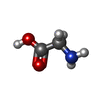 ChemComp-GLY: |
-Macromolecule #5: 2-acetamido-2-deoxy-beta-D-glucopyranose
| Macromolecule | Name: 2-acetamido-2-deoxy-beta-D-glucopyranose / type: ligand / ID: 5 / Number of copies: 2 / Formula: NAG |
|---|---|
| Molecular weight | Theoretical: 221.208 Da |
| Chemical component information | 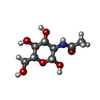 ChemComp-NAG: |
-Macromolecule #6: GLUTAMIC ACID
| Macromolecule | Name: GLUTAMIC ACID / type: ligand / ID: 6 / Number of copies: 2 / Formula: GLU |
|---|---|
| Molecular weight | Theoretical: 147.129 Da |
| Chemical component information | 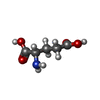 ChemComp-GLU: |
-Experimental details
-Structure determination
| Method | cryo EM |
|---|---|
 Processing Processing | single particle reconstruction |
| Aggregation state | particle |
-Sample preparation
| Buffer | pH: 7.5 |
|---|---|
| Grid | Model: UltrAuFoil R1.2/1.3 / Material: GOLD / Pretreatment - Type: GLOW DISCHARGE / Pretreatment - Time: 35 sec. |
| Vitrification | Cryogen name: ETHANE |
- Electron microscopy
| Microscope | FEI TITAN KRIOS |
|---|---|
| Image recording | Film or detector model: GATAN K3 BIOQUANTUM (6k x 4k) / Average electron dose: 66.3 e/Å2 |
| Electron beam | Acceleration voltage: 300 kV / Electron source:  FIELD EMISSION GUN FIELD EMISSION GUN |
| Electron optics | Illumination mode: FLOOD BEAM / Imaging mode: BRIGHT FIELD / Nominal defocus max: 2.8000000000000003 µm / Nominal defocus min: 1.4000000000000001 µm |
| Experimental equipment |  Model: Titan Krios / Image courtesy: FEI Company |
-Image processing
| Startup model | Type of model: NONE |
|---|---|
| Final reconstruction | Resolution.type: BY AUTHOR / Resolution: 3.13 Å / Resolution method: FSC 0.143 CUT-OFF / Software - Name: cryoSPARC / Number images used: 396327 |
| Initial angle assignment | Type: MAXIMUM LIKELIHOOD / Software - Name: cryoSPARC |
| Final angle assignment | Type: MAXIMUM LIKELIHOOD / Software - Name: cryoSPARC |