 Movie
Movie Controller

[English] 日本語
 Yorodumi
- PDB-6tlj: Cryo-EM structure of the Anaphase-promoting complex/Cyclosome, in... -
+ Open data

- Basic information
| Entry | Database: PDB / ID: 6tlj | ||||||||||||||||||||||||||||||||||||||||||||||||||||||||||||||||||||||||||||||
|---|---|---|---|---|---|---|---|---|---|---|---|---|---|---|---|---|---|---|---|---|---|---|---|---|---|---|---|---|---|---|---|---|---|---|---|---|---|---|---|---|---|---|---|---|---|---|---|---|---|---|---|---|---|---|---|---|---|---|---|---|---|---|---|---|---|---|---|---|---|---|---|---|---|---|---|---|---|---|---|
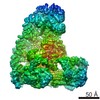
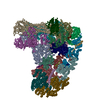
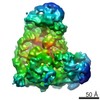
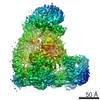
| Title | Cryo-EM structure of the Anaphase-promoting complex/Cyclosome, in complex with the Mitotic checkpoint complex (APC/C-MCC) at 3.8 angstrom resolution | ||||||||||||||||||||||||||||||||||||||||||||||||||||||||||||||||||||||||||||||
 Components Components |
| ||||||||||||||||||||||||||||||||||||||||||||||||||||||||||||||||||||||||||||||
 Keywords Keywords | CELL CYCLE / E3 ligase / Complex / Mitotic checkpoint complex | ||||||||||||||||||||||||||||||||||||||||||||||||||||||||||||||||||||||||||||||
| Function / homology |  Function and homology information Function and homology informationmitotic spindle assembly checkpoint MAD1-MAD2 complex / metaphase/anaphase transition of cell cycle / metaphase/anaphase transition of meiosis I / Inhibition of the proteolytic activity of APC/C required for the onset of anaphase by mitotic spindle checkpoint components / mitotic checkpoint complex / positive regulation of ubiquitin protein ligase activity / negative regulation of ubiquitin protein ligase activity / positive regulation of synapse maturation / positive regulation of anaphase-promoting complex-dependent catabolic process / regulation of mitotic cell cycle spindle assembly checkpoint ...mitotic spindle assembly checkpoint MAD1-MAD2 complex / metaphase/anaphase transition of cell cycle / metaphase/anaphase transition of meiosis I / Inhibition of the proteolytic activity of APC/C required for the onset of anaphase by mitotic spindle checkpoint components / mitotic checkpoint complex / positive regulation of ubiquitin protein ligase activity / negative regulation of ubiquitin protein ligase activity / positive regulation of synapse maturation / positive regulation of anaphase-promoting complex-dependent catabolic process / regulation of mitotic cell cycle spindle assembly checkpoint / Conversion from APC/C:Cdc20 to APC/C:Cdh1 in late anaphase / meiotic sister chromatid cohesion, centromeric / regulation of dendrite development / Inactivation of APC/C via direct inhibition of the APC/C complex / APC/C:Cdc20 mediated degradation of mitotic proteins / anaphase-promoting complex / Phosphorylation of Emi1 / anaphase-promoting complex-dependent catabolic process / metaphase/anaphase transition of mitotic cell cycle / regulation of meiotic cell cycle / Aberrant regulation of mitotic exit in cancer due to RB1 defects / protein branched polyubiquitination / regulation of exit from mitosis / anaphase-promoting complex binding / Phosphorylation of the APC/C / nuclear pore nuclear basket / negative regulation of mitotic cell cycle / outer kinetochore / positive regulation of synaptic plasticity / positive regulation of dendrite morphogenesis / positive regulation of mitotic metaphase/anaphase transition / positive regulation of mitotic cell cycle spindle assembly checkpoint / protein K11-linked ubiquitination / ubiquitin ligase activator activity / regulation of mitotic metaphase/anaphase transition / ubiquitin-ubiquitin ligase activity / mitotic spindle assembly checkpoint signaling / intercellular bridge / Regulation of APC/C activators between G1/S and early anaphase / Transcriptional Regulation by VENTX / cullin family protein binding / mitotic metaphase chromosome alignment / enzyme-substrate adaptor activity / positive regulation of axon extension / ubiquitin-like ligase-substrate adaptor activity / heterochromatin / protein K48-linked ubiquitination / Amplification of signal from unattached kinetochores via a MAD2 inhibitory signal / nuclear periphery / Mitotic Prometaphase / EML4 and NUDC in mitotic spindle formation / APC/C:Cdc20 mediated degradation of Cyclin B / APC-Cdc20 mediated degradation of Nek2A / Resolution of Sister Chromatid Cohesion / regulation of mitotic cell cycle / brain development / negative regulation of protein catabolic process / Autodegradation of Cdh1 by Cdh1:APC/C / APC/C:Cdc20 mediated degradation of Securin / SCF-beta-TrCP mediated degradation of Emi1 / Assembly of the pre-replicative complex / RHO GTPases Activate Formins / Cdc20:Phospho-APC/C mediated degradation of Cyclin A / APC/C:Cdh1 mediated degradation of Cdc20 and other APC/C:Cdh1 targeted proteins in late mitosis/early G1 / mitotic spindle / G protein-coupled receptor binding / kinetochore / spindle / CDK-mediated phosphorylation and removal of Cdc6 / histone deacetylase binding / ubiquitin-protein transferase activity / microtubule cytoskeleton / Separation of Sister Chromatids / nervous system development / mitotic cell cycle / ubiquitin protein ligase activity / Antigen processing: Ubiquitination & Proteasome degradation / cell differentiation / spindle pole / Senescence-Associated Secretory Phenotype (SASP) / protein phosphatase binding / ubiquitin-dependent protein catabolic process / molecular adaptor activity / cell division / protein kinase activity / non-specific serine/threonine protein kinase / protein ubiquitination / Ub-specific processing proteases / negative regulation of gene expression / protein serine kinase activity / protein serine/threonine kinase activity / centrosome / positive regulation of cell population proliferation / nucleolus / perinuclear region of cytoplasm / protein homodimerization activity / zinc ion binding / nucleoplasm / identical protein binding / nucleus Similarity search - Function | ||||||||||||||||||||||||||||||||||||||||||||||||||||||||||||||||||||||||||||||
| Biological species |  Homo sapiens (human) Homo sapiens (human) | ||||||||||||||||||||||||||||||||||||||||||||||||||||||||||||||||||||||||||||||
| Method | ELECTRON MICROSCOPY / single particle reconstruction / cryo EM / Resolution: 3.8 Å | ||||||||||||||||||||||||||||||||||||||||||||||||||||||||||||||||||||||||||||||
 Authors Authors | Alfieri, C. / Barford, D. | ||||||||||||||||||||||||||||||||||||||||||||||||||||||||||||||||||||||||||||||
| Funding support |  United Kingdom, 1items United Kingdom, 1items
| ||||||||||||||||||||||||||||||||||||||||||||||||||||||||||||||||||||||||||||||
 Citation Citation | Journal: EMBO Rep / Year: 2020 Title: A unique binding mode of Nek2A to the APC/C allows its ubiquitination during prometaphase. Authors: Claudio Alfieri / Thomas Tischer / David Barford / Abstract: The anaphase-promoting complex (APC/C) is the key E3 ubiquitin ligase which directs mitotic progression and exit by catalysing the sequential ubiquitination of specific substrates. The activity of ...The anaphase-promoting complex (APC/C) is the key E3 ubiquitin ligase which directs mitotic progression and exit by catalysing the sequential ubiquitination of specific substrates. The activity of the APC/C in mitosis is restrained by the spindle assembly checkpoint (SAC), which coordinates chromosome segregation with the assembly of the mitotic spindle. The SAC effector is the mitotic checkpoint complex (MCC), which binds and inhibits the APC/C. It is incompletely understood how the APC/C switches substrate specificity in a cell cycle-specific manner. For instance, it is unclear how in prometaphase, when APC/C activity towards cyclin B and securin is repressed by the MCC, the kinase Nek2A is ubiquitinated. Here, we combine biochemical and structural analysis with functional studies in cells to show that Nek2A is a conformational-specific binder of the APC/C-MCC complex (APC/C ) and that, in contrast to cyclin A, Nek2A can be ubiquitinated efficiently by the APC/C in conjunction with both the E2 enzymes UbcH10 and UbcH5. We propose that these special features of Nek2A allow its prometaphase-specific ubiquitination. | ||||||||||||||||||||||||||||||||||||||||||||||||||||||||||||||||||||||||||||||
| History |
|
- Structure visualization
| Movie |
Movie viewer |
|---|---|
| Structure viewer | Molecule: MolmilJmol/JSmol |
- Downloads & links
-Download
| PDBx/mmCIF format | 6tlj.cif.gz | 1.6 MB | Display | PDBx/mmCIF format |
|---|---|---|---|---|
| PDB format | pdb6tlj.ent.gz | 1.3 MB | Display | PDB format |
| PDBx/mmJSON format | 6tlj.json.gz | Tree view | PDBx/mmJSON format | |
| Others |  Other downloads Other downloads |
-Validation report
| Arichive directory | https://data.pdbj.org/pub/pdb/validation_reports/tl/6tljftp://data.pdbj.org/pub/pdb/validation_reports/tl/6tlj | HTTPS FTP |
|---|
-Related structure data
| Related structure data | 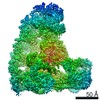 10516MC 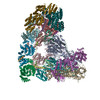 6tm5C M: map data used to model this data C: citing same article ( |
|---|---|
| Similar structure data |
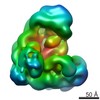
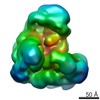
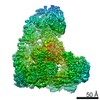
-Links
 PDBj
PDBj

- Assembly
| Deposited unit | 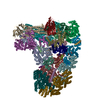
|
|---|---|
| 1 |
|
-Components
-Anaphase-promoting complex subunit ... , 11 types, 13 molecules ABDEGWILMNOXY
| #1: Protein | Mass: 216775.516 Da / Num. of mol.: 1 Source method: isolated from a genetically manipulated source Source: (gene. exp.) Homo sapiens (human) / Gene: ANAPC1, TSG24 / Production host:  Trichoplusia ni (cabbage looper) / References: UniProt: Q9H1A4 Trichoplusia ni (cabbage looper) / References: UniProt: Q9H1A4 | ||||||||||||
|---|---|---|---|---|---|---|---|---|---|---|---|---|---|
| #2: Protein | Mass: 9854.647 Da / Num. of mol.: 1 Source method: isolated from a genetically manipulated source Source: (gene. exp.) Homo sapiens (human) / Gene: ANAPC11, HSPC214 / Production host: Trichoplusia ni (cabbage looper) / References: UniProt: Q9NYG5 | ||||||||||||
| #4: Protein | Mass: 14286.727 Da / Num. of mol.: 1 Source method: isolated from a genetically manipulated source Source: (gene. exp.) Homo sapiens (human) / Gene: ANAPC15, C11orf51, HSPC020 / Production host: Trichoplusia ni (cabbage looper) / References: UniProt: P60006 | ||||||||||||
| #5: Protein | Mass: 11677.995 Da / Num. of mol.: 1 Source method: isolated from a genetically manipulated source Source: (gene. exp.) Homo sapiens (human) / Gene: ANAPC16, C10orf104, CENP-27 / Production host: Trichoplusia ni (cabbage looper) / References: UniProt: Q96DE5 | ||||||||||||
| #7: Protein | Mass: 9793.999 Da / Num. of mol.: 2 Source method: isolated from a genetically manipulated source Source: (gene. exp.) Homo sapiens (human) / Gene: CDC26, ANAPC12, C9orf17 / Production host: Trichoplusia ni (cabbage looper) / References: UniProt: Q8NHZ8#8: Protein | | Mass: 92219.227 Da / Num. of mol.: 1 Source method: isolated from a genetically manipulated source Source: (gene. exp.) Homo sapiens (human) / Gene: ANAPC4, APC4 / Production host: Trichoplusia ni (cabbage looper) / References: UniProt: Q9UJX5#10: Protein | | Mass: 21282.143 Da / Num. of mol.: 1 Source method: isolated from a genetically manipulated source Source: (gene. exp.) Homo sapiens (human) / Gene: ANAPC10, APC10 / Production host: Trichoplusia ni (cabbage looper) / References: UniProt: Q9UM13#11: Protein | | Mass: 8528.309 Da / Num. of mol.: 1 Source method: isolated from a genetically manipulated source Source: (gene. exp.) Homo sapiens (human) / Gene: ANAPC13 / Production host: Trichoplusia ni (cabbage looper) / References: UniProt: Q9BS18#12: Protein | | Mass: 93938.977 Da / Num. of mol.: 1 Source method: isolated from a genetically manipulated source Source: (gene. exp.) Homo sapiens (human) / Gene: ANAPC2, APC2, KIAA1406 / Production host: Trichoplusia ni (cabbage looper) / References: UniProt: Q9UJX6#13: Protein | | Mass: 85179.766 Da / Num. of mol.: 1 Source method: isolated from a genetically manipulated source Source: (gene. exp.) Homo sapiens (human) / Gene: ANAPC5, APC5 / Production host: Trichoplusia ni (cabbage looper) / References: UniProt: Q9UJX4#17: Protein | Mass: 66929.367 Da / Num. of mol.: 2 Source method: isolated from a genetically manipulated source Source: (gene. exp.) Homo sapiens (human) / Gene: ANAPC7, APC7 / Production host: Trichoplusia ni (cabbage looper) / References: UniProt: Q9UJX3 |
-Cell division cycle protein ... , 5 types, 8 molecules CPFHJKQR
| #3: Protein | Mass: 68921.031 Da / Num. of mol.: 2 Source method: isolated from a genetically manipulated source Source: (gene. exp.) Homo sapiens (human) / Gene: CDC23, ANAPC8 / Production host: Trichoplusia ni (cabbage looper) / References: UniProt: Q9UJX2#6: Protein | Mass: 91973.125 Da / Num. of mol.: 2 Source method: isolated from a genetically manipulated source Source: (gene. exp.) Homo sapiens (human) / Gene: CDC27, ANAPC3, D0S1430E, D17S978E / Production host: Trichoplusia ni (cabbage looper) / References: UniProt: P30260#9: Protein | Mass: 71747.516 Da / Num. of mol.: 2 Source method: isolated from a genetically manipulated source Source: (gene. exp.) Homo sapiens (human) / Gene: CDC16, ANAPC6 / Production host: Trichoplusia ni (cabbage looper) / References: UniProt: Q13042#14: Protein | | Mass: 41226.332 Da / Num. of mol.: 1 Source method: isolated from a genetically manipulated source Source: (gene. exp.) Homo sapiens (human) / Gene: CDC20 / Production host: Trichoplusia ni (cabbage looper) / References: UniProt: Q12834#15: Protein | | Mass: 54796.508 Da / Num. of mol.: 1 Source method: isolated from a genetically manipulated source Source: (gene. exp.) Homo sapiens (human) / Gene: CDC20 / Production host: Trichoplusia ni (cabbage looper) / References: UniProt: Q12834 |
|---|
-Protein , 2 types, 2 molecules SZ
| #16: Protein | Mass: 119681.977 Da / Num. of mol.: 1 Source method: isolated from a genetically manipulated source Source: (gene. exp.) Homo sapiens (human) / Gene: BUB1B, BUBR1, MAD3L, SSK1 / Production host: Trichoplusia ni (cabbage looper)References: UniProt: O60566, non-specific serine/threonine protein kinase |
|---|---|
| #18: Protein | Mass: 23533.883 Da / Num. of mol.: 1 Source method: isolated from a genetically manipulated source Source: (gene. exp.) Homo sapiens (human) / Gene: MAD2L1, MAD2 / Production host: Trichoplusia ni (cabbage looper) / References: UniProt: Q13257 |
-Details
| Has protein modification | Y |
|---|
-Experimental details
-Experiment
| Experiment | Method: ELECTRON MICROSCOPY |
|---|---|
| EM experiment | Aggregation state: PARTICLE / 3D reconstruction method: single particle reconstruction |
- Sample preparation
| Component | Name: Anaphase-promoting complex/Cyclosome, in complex with the Mitotic checkpoint complex (APC/C-MCC) Type: COMPLEX / Entity ID: all / Source: RECOMBINANT |
|---|---|
| Source (natural) | Organism: Homo sapiens (human) |
| Source (recombinant) | Organism: Trichoplusia ni (cabbage looper) |
| Buffer solution | pH: 8 |
| Specimen | Embedding applied: NO / Shadowing applied: NO / Staining applied: NO / Vitrification applied: YES |
| Vitrification | Cryogen name: ETHANE |
- Electron microscopy imaging
| Experimental equipment | 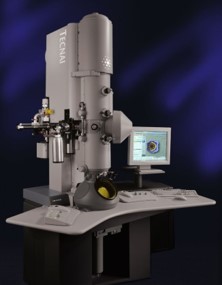 Model: Tecnai Polara / Image courtesy: FEI Company |
|---|---|
| Microscopy | Model: FEI POLARA 300 |
| Electron gun | Electron source:  FIELD EMISSION GUN / Accelerating voltage: 300 kV / Illumination mode: FLOOD BEAM FIELD EMISSION GUN / Accelerating voltage: 300 kV / Illumination mode: FLOOD BEAM |
| Electron lens | Mode: BRIGHT FIELD |
| Image recording | Electron dose: 27 e/Å2 / Film or detector model: FEI FALCON III (4k x 4k) |
- Processing
| Software | Name: PHENIX / Version: 1.17.1_3660: / Classification: refinement | ||||||||||||||||||||||||
|---|---|---|---|---|---|---|---|---|---|---|---|---|---|---|---|---|---|---|---|---|---|---|---|---|---|
| EM software | Name: PHENIX / Category: model refinement | ||||||||||||||||||||||||
| CTF correction | Type: PHASE FLIPPING AND AMPLITUDE CORRECTION | ||||||||||||||||||||||||
| 3D reconstruction | Resolution: 3.8 Å / Resolution method: FSC 0.143 CUT-OFF / Num. of particles: 343551 / Symmetry type: POINT | ||||||||||||||||||||||||
| Refine LS restraints |
|
