- EMDB-40917: Cryo-EM structure of PAM-free human calcium-sensing receptor CaSR... -
+
データを開く
IDまたはキーワード:
読み込み中...
-
基本情報
登録情報
データベース: EMDB / ID: EMD-40917
タイトル
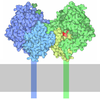
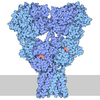
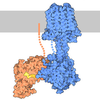
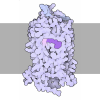
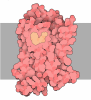
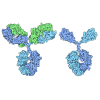
Cryo-EM structure of PAM-free human calcium-sensing receptor CaSR-Gi complex in lipid nanodiscs
マップデータ
試料
複合体: PAM-free human calcium-sensing receptor CaSR-Gi complex in lipid nanodiscs
タンパク質・ペプチド: x 5種
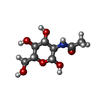
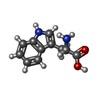
リガンド: x 6種
キーワード
Family C GPCR / Calcium-sensing Receptor (CaSR) / Heterotrimeric G protein / Cryo-EM / Lipid Nanodiscs / Positive Allosteric Modulator / Membrane Protein / SIGNALING PROTEIN
機能・相同性
機能・相同性情報
regulation of presynaptic membrane potential / bile acid secretion / chemosensory behavior / response to fibroblast growth factor / cellular response to peptide / cellular response to vitamin D / negative regulation of adenylate cyclase activity / Class C/3 (Metabotropic glutamate/pheromone receptors) / positive regulation of positive chemotaxis / GTP metabolic process ...regulation of presynaptic membrane potential / bile acid secretion / chemosensory behavior / response to fibroblast growth factor / cellular response to peptide / cellular response to vitamin D / negative regulation of adenylate cyclase activity / Class C/3 (Metabotropic glutamate/pheromone receptors) / positive regulation of positive chemotaxis / GTP metabolic process / fat pad development / cellular response to hepatocyte growth factor stimulus / amino acid binding / branching morphogenesis of an epithelial tube / positive regulation of calcium ion import / regulation of calcium ion transport / positive regulation of NLRP3 inflammasome complex assembly / positive regulation of macroautophagy / positive regulation of vasoconstriction / anatomical structure morphogenesis / cellular response to low-density lipoprotein particle stimulus / detection of calcium ion / JNK cascade / Adenylate cyclase inhibitory pathway / axon terminus / ossification / response to ischemia / chloride transmembrane transport / cellular response to glucose stimulus / G protein-coupled receptor binding / integrin binding / G protein-coupled receptor activity / vasodilation / adenylate cyclase-modulating G protein-coupled receptor signaling pathway / G-protein beta/gamma-subunit complex binding / centriolar satellite / adenylate cyclase-inhibiting G protein-coupled receptor signaling pathway / intracellular calcium ion homeostasis / Olfactory Signaling Pathway / Activation of the phototransduction cascade / G protein-coupled acetylcholine receptor signaling pathway / positive regulation of insulin secretion / G beta:gamma signalling through PLC beta / Presynaptic function of Kainate receptors / Thromboxane signalling through TP receptor / Activation of G protein gated Potassium channels / Inhibition of voltage gated Ca2+ channels via Gbeta/gamma subunits / G-protein activation / Glucagon signaling in metabolic regulation / G beta:gamma signalling through CDC42 / Prostacyclin signalling through prostacyclin receptor / G beta:gamma signalling through BTK / Synthesis, secretion, and inactivation of Glucagon-like Peptide-1 (GLP-1) / photoreceptor disc membrane / ADP signalling through P2Y purinoceptor 12 / Sensory perception of sweet, bitter, and umami (glutamate) taste / GDP binding / Glucagon-type ligand receptors / Adrenaline,noradrenaline inhibits insulin secretion / Vasopressin regulates renal water homeostasis via Aquaporins / Glucagon-like Peptide-1 (GLP1) regulates insulin secretion / G alpha (z) signalling events / cellular response to catecholamine stimulus / ADP signalling through P2Y purinoceptor 1 / ADORA2B mediated anti-inflammatory cytokines production / G beta:gamma signalling through PI3Kgamma / adenylate cyclase-activating dopamine receptor signaling pathway / Cooperation of PDCL (PhLP1) and TRiC/CCT in G-protein beta folding / GPER1 signaling / cellular response to prostaglandin E stimulus / heterotrimeric G-protein complex / G alpha (12/13) signalling events / Inactivation, recovery and regulation of the phototransduction cascade / G-protein beta-subunit binding / extracellular vesicle / sensory perception of taste / sperm principal piece / Thrombin signalling through proteinase activated receptors (PARs) / signaling receptor complex adaptor activity / retina development in camera-type eye / GTPase binding / presynaptic membrane / fibroblast proliferation / Ca2+ pathway / midbody / High laminar flow shear stress activates signaling by PIEZO1 and PECAM1:CDH5:KDR in endothelial cells / cellular response to hypoxia / G alpha (i) signalling events / G alpha (s) signalling events / phospholipase C-activating G protein-coupled receptor signaling pathway / G alpha (q) signalling events / basolateral plasma membrane / transmembrane transporter binding / Ras protein signal transduction / positive regulation of ERK1 and ERK2 cascade / cell population proliferation / Extra-nuclear estrogen signaling / apical plasma membrane / ciliary basal body / G protein-coupled receptor signaling pathway 類似検索 - 分子機能
GPCR, family 3, extracellular calcium-sensing receptor-related / G-protein coupled receptors family 3 signature 1. / G-protein coupled receptors family 3 signature 3. / G-protein coupled receptors family 3 signature 2. / GPCR, family 3, nine cysteines domain / GPCR, family 3, nine cysteines domain superfamily / Nine Cysteines Domain of family 3 GPCR / GPCR, family 3, conserved site / GPCR, family 3 / G-protein coupled receptors family 3 profile. ...GPCR, family 3, extracellular calcium-sensing receptor-related / G-protein coupled receptors family 3 signature 1. / G-protein coupled receptors family 3 signature 3. / G-protein coupled receptors family 3 signature 2. / GPCR, family 3, nine cysteines domain / GPCR, family 3, nine cysteines domain superfamily / Nine Cysteines Domain of family 3 GPCR / GPCR, family 3, conserved site / GPCR, family 3 / G-protein coupled receptors family 3 profile. / GPCR family 3, C-terminal / 7 transmembrane sweet-taste receptor of 3 GCPR / G-protein alpha subunit, group I / Receptor, ligand binding region / Receptor family ligand binding region / Periplasmic binding protein-like I / G protein alpha subunit, helical insertion / G protein alpha subunit / Guanine nucleotide binding protein (G-protein), alpha subunit / G-protein alpha subunit / G-alpha domain profile. / G-protein, gamma subunit / G-protein gamma subunit domain profile. / G-protein gamma-like domain / G-protein gamma-like domain superfamily / GGL domain / G protein gamma subunit-like motifs / GGL domain / G protein beta WD-40 repeat protein / Guanine nucleotide-binding protein, beta subunit / G-protein, beta subunit / G-protein beta WD-40 repeat / WD40 repeat, conserved site / Trp-Asp (WD) repeats signature. / Trp-Asp (WD) repeats profile. / Trp-Asp (WD) repeats circular profile. / WD40 repeats / WD40 repeat / WD40-repeat-containing domain superfamily / WD40/YVTN repeat-like-containing domain superfamily / P-loop containing nucleoside triphosphate hydrolase 類似検索 - ドメイン・相同性
Guanine nucleotide-binding protein G(i) subunit alpha-3 / Extracellular calcium-sensing receptor / Guanine nucleotide-binding protein G(I)/G(S)/G(O) subunit gamma-2 / Guanine nucleotide-binding protein G(I)/G(S)/G(T) subunit beta-1 類似検索 - 構成要素
National Institutes of Health/National Institute of Diabetes and Digestive and Kidney Disease (NIH/NIDDK)
5R01DK132902-02
米国
引用
ジャーナル: Nature / 年: 2024 タイトル: Allosteric modulation and G-protein selectivity of the Ca-sensing receptor. 著者: Feng He / Cheng-Guo Wu / Yang Gao / Sabrina N Rahman / Magda Zaoralová / Makaía M Papasergi-Scott / Ting-Jia Gu / Michael J Robertson / Alpay B Seven / Lingjun Li / Jesper M Mathiesen / Georgios Skiniotis / 要旨: The calcium-sensing receptor (CaSR) is a family C G-protein-coupled receptor (GPCR) that has a central role in regulating systemic calcium homeostasis. Here we use cryo-electron microscopy and ...The calcium-sensing receptor (CaSR) is a family C G-protein-coupled receptor (GPCR) that has a central role in regulating systemic calcium homeostasis. Here we use cryo-electron microscopy and functional assays to investigate the activation of human CaSR embedded in lipid nanodiscs and its coupling to functional G versus G proteins in the presence and absence of the calcimimetic drug cinacalcet. High-resolution structures show that both G and G drive additional conformational changes in the activated CaSR dimer to stabilize a more extensive asymmetric interface of the seven-transmembrane domain (7TM) that involves key protein-lipid interactions. Selective G and G coupling by the receptor is achieved through substantial rearrangements of intracellular loop 2 and the C terminus, which contribute differentially towards the binding of the two G-protein subtypes, resulting in distinct CaSR-G-protein interfaces. The structures also reveal that natural polyamines target multiple sites on CaSR to enhance receptor activation by zipping negatively charged regions between two protomers. Furthermore, we find that the amino acid L-tryptophan, a well-known ligand of CaSR extracellular domains, occupies the 7TM bundle of the G-protein-coupled protomer at the same location as cinacalcet and other allosteric modulators. Together, these results provide a framework for G-protein activation and selectivity by CaSR, as well as its allosteric modulation by endogenous and exogenous ligands.
 ムービー
ムービー コントローラー


 データを開く
 基本情報
基本情報
 マップデータ
 試料
試料 キーワード
キーワード 機能・相同性情報
 Homo sapiens (ヒト)
 データ登録者
 米国, 1件
  引用
引用

 構造の表示
構造の表示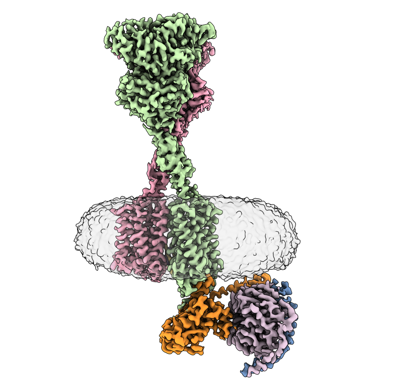
 ダウンロードとリンク
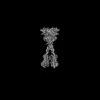
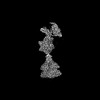
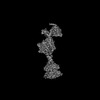
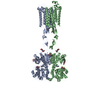
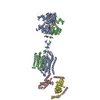
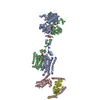
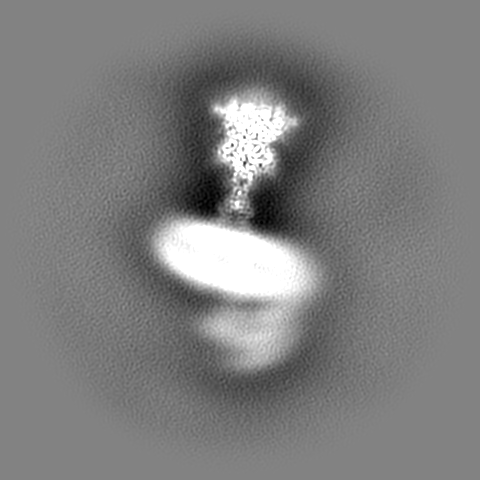
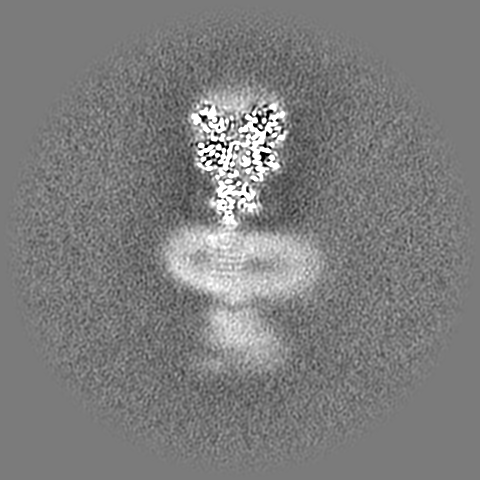
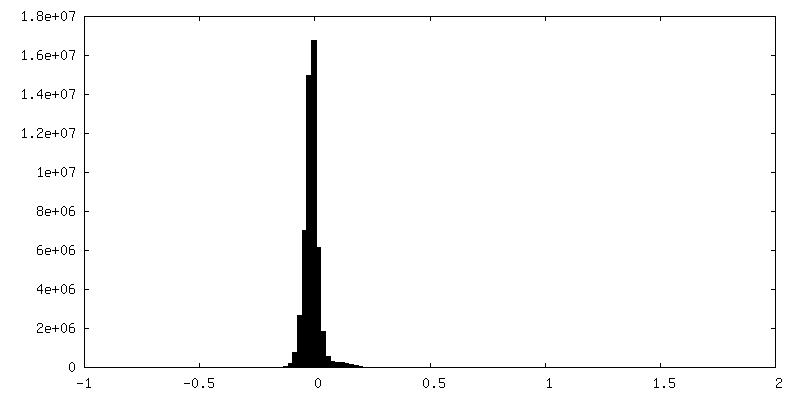
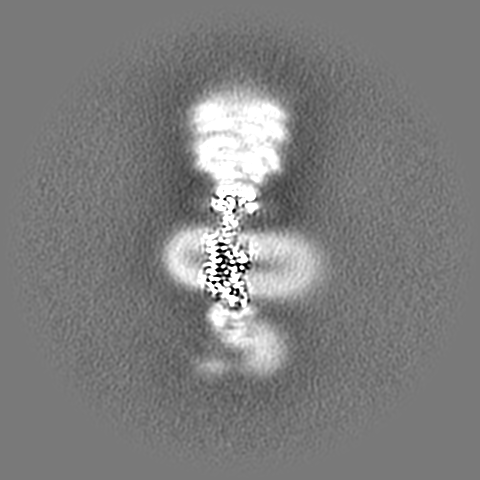
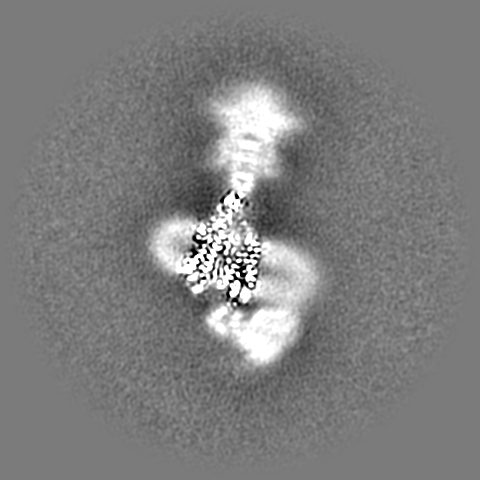
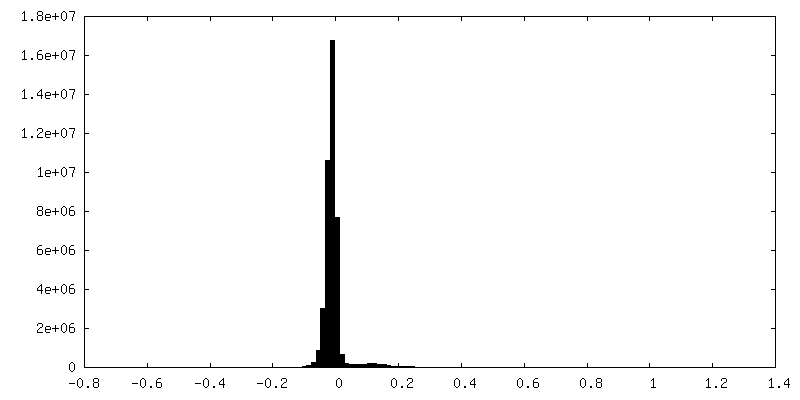
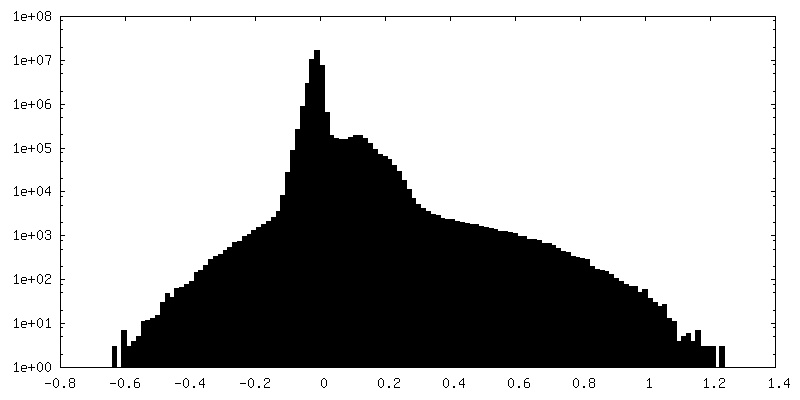
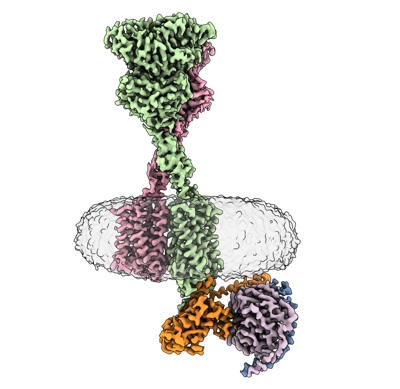 emd_40917.png
 http://ftp.pdbj.org/pub/emdb/structures/EMD-40917







 Z (Sec.)
 Y (Row.)
 X (Col.)






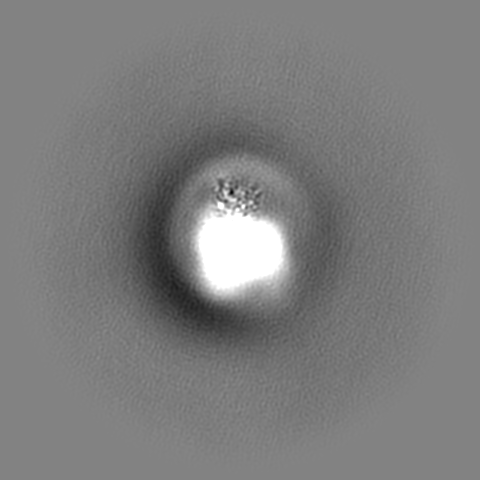
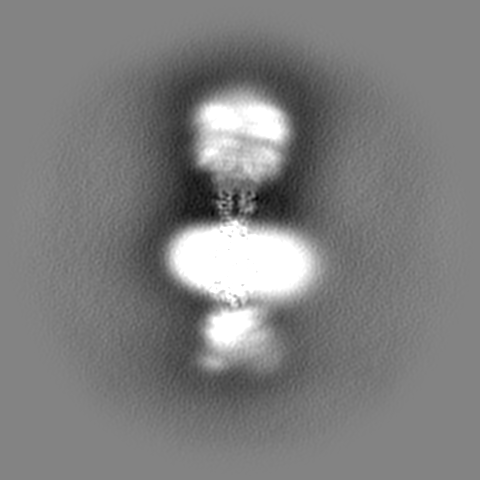
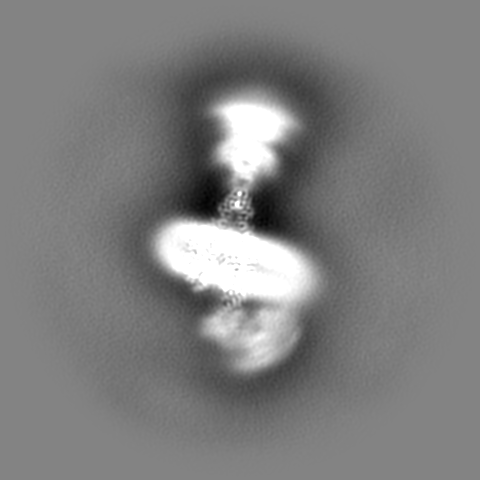
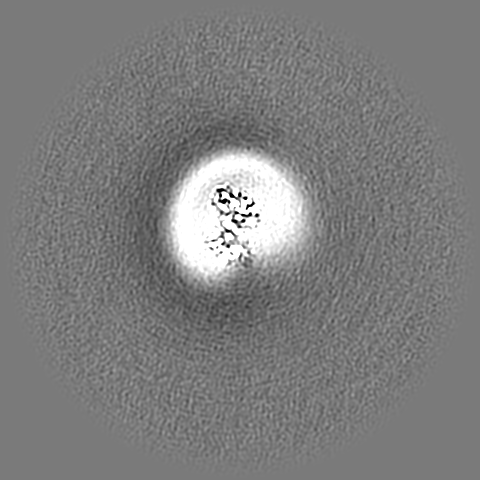
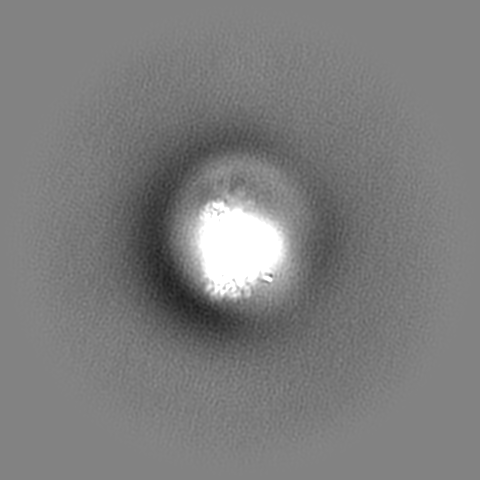
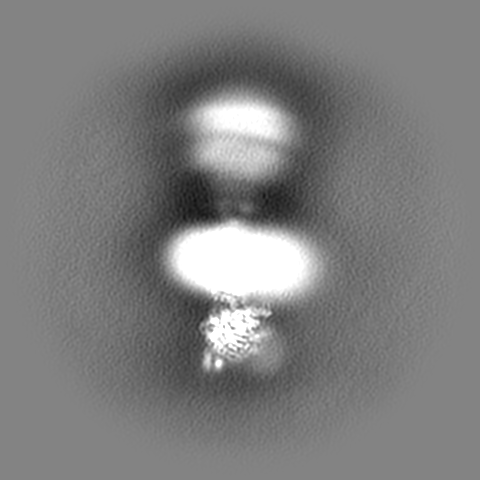
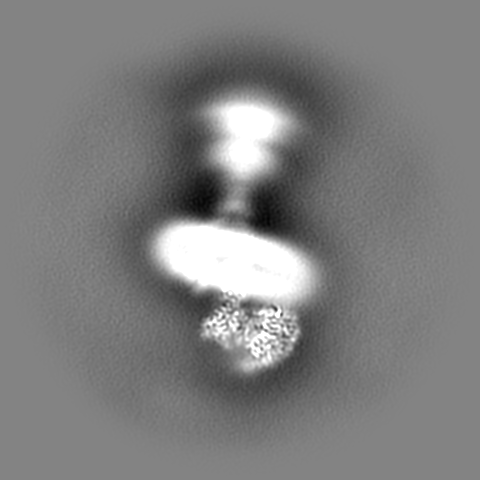
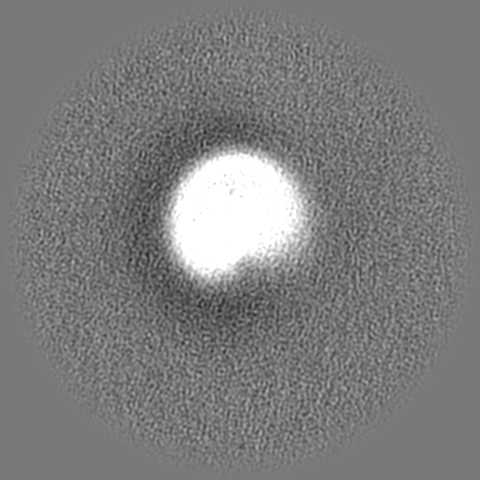
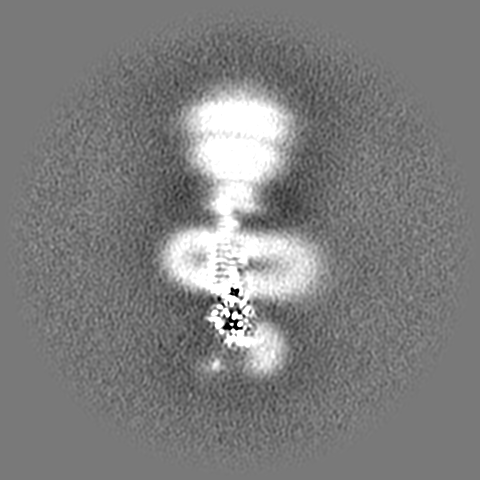
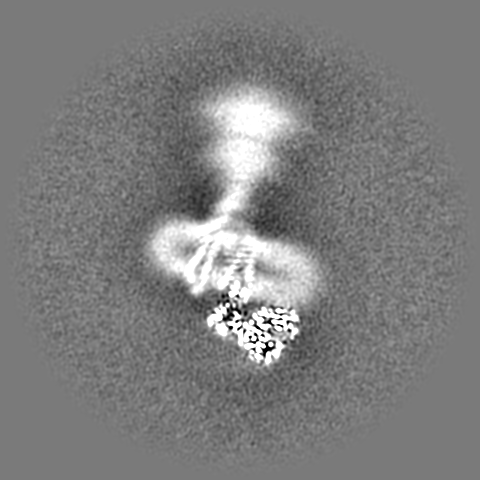
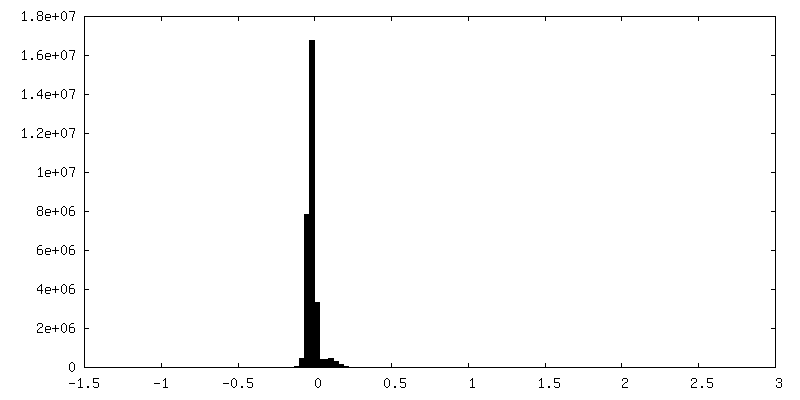
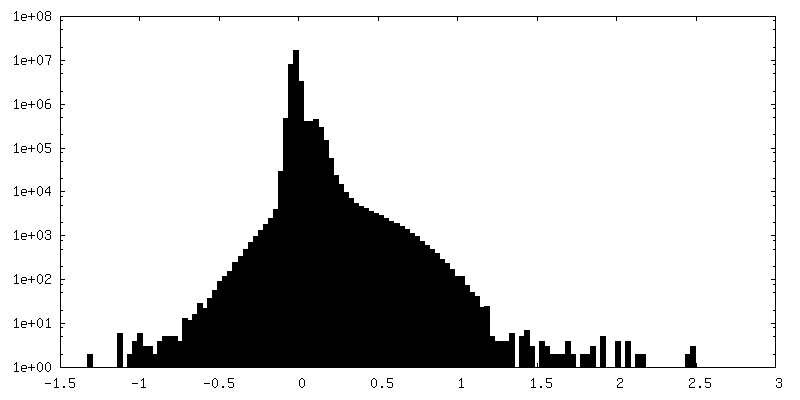
 試料の構成要素
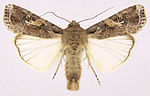 Spodoptera frugiperda (ツマジロクサヨトウ)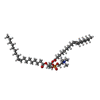
 解析
解析 電子顕微鏡法
 FIELD EMISSION GUN
