Movie
Movie Controller


+ Open data

- Basic information
| Entry | Database: EMDB / ID: EMD-13010 | |||||||||
|---|---|---|---|---|---|---|---|---|---|---|
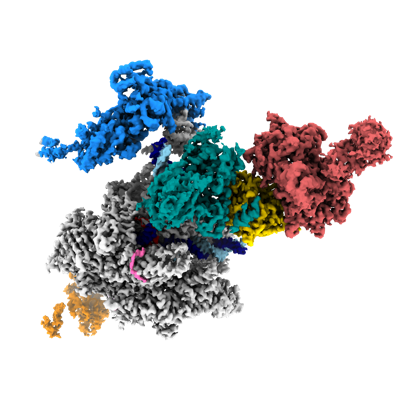
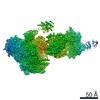
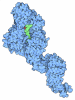
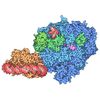
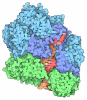
| Title | Pol II-CSB-CSA-DDB1-UVSSA-PAF-SPT6 (Structure 3) | |||||||||
 Map data Map data | The main map. | |||||||||
 Sample Sample |
| |||||||||
 Keywords Keywords | transcription / DNA repair / TCR | |||||||||
| Function / homology |  Function and homology information Function and homology informationRNA polymerase inhibitor activity / negative regulation of double-strand break repair via nonhomologous end joining / endodermal cell fate commitment / Ski complex / regulation of isotype switching / RNA polymerase II C-terminal domain phosphoserine binding / mRNA decay by 3' to 5' exoribonuclease / positive regulation of mRNA 3'-end processing / regulation of transcription-coupled nucleotide-excision repair / nucleotide-excision repair complex ...RNA polymerase inhibitor activity / negative regulation of double-strand break repair via nonhomologous end joining / endodermal cell fate commitment / Ski complex / regulation of isotype switching / RNA polymerase II C-terminal domain phosphoserine binding / mRNA decay by 3' to 5' exoribonuclease / positive regulation of mRNA 3'-end processing / regulation of transcription-coupled nucleotide-excision repair / nucleotide-excision repair complex / Cdc73/Paf1 complex / nuclear-transcribed mRNA catabolic process, 3'-5' exonucleolytic nonsense-mediated decay / : / negative regulation of myeloid cell differentiation / regulation of muscle cell differentiation / positive regulation of cell cycle G1/S phase transition / response to auditory stimulus / DNA protection / transcription elongation factor complex / nucleosome organization / regulation of transcription elongation by RNA polymerase II / B-WICH complex positively regulates rRNA expression / RNA Polymerase I Transcription Initiation / RNA Polymerase I Promoter Escape / RNA Polymerase I Transcription Termination / RNA Polymerase III Transcription Initiation From Type 1 Promoter / RNA Polymerase III Transcription Initiation From Type 2 Promoter / RNA Polymerase III Transcription Initiation From Type 3 Promoter / Formation of RNA Pol II elongation complex / Formation of the Early Elongation Complex / Transcriptional regulation by small RNAs / RNA Polymerase II Pre-transcription Events / TP53 Regulates Transcription of DNA Repair Genes / FGFR2 alternative splicing / RNA polymerase II transcribes snRNA genes / mRNA Capping / mRNA Splicing - Minor Pathway / Processing of Capped Intron-Containing Pre-mRNA / RNA Polymerase II Promoter Escape / RNA Polymerase II Transcription Pre-Initiation And Promoter Opening / RNA Polymerase II Transcription Initiation / RNA Polymerase II Transcription Elongation / RNA Polymerase II Transcription Initiation And Promoter Clearance / RNA Pol II CTD phosphorylation and interaction with CE / Estrogen-dependent gene expression / mRNA Splicing - Major Pathway / mRNA Polyadenylation / Formation of TC-NER Pre-Incision Complex / Dual incision in TC-NER / Gap-filling DNA repair synthesis and ligation in TC-NER / double-strand break repair via classical nonhomologous end joining / single strand break repair / transcription elongation-coupled chromatin remodeling / RNA polymerase binding / mRNA 3'-end processing / positive regulation of DNA-templated transcription, elongation / positive regulation by virus of viral protein levels in host cell / spindle assembly involved in female meiosis / negative regulation of G1/S transition of mitotic cell cycle / chromatin-protein adaptor activity / ATP-dependent chromatin remodeler activity / epigenetic programming in the zygotic pronuclei / stem cell population maintenance / UV-damage excision repair / interleukin-6-mediated signaling pathway / ATP-dependent DNA damage sensor activity / biological process involved in interaction with symbiont / regulation of mitotic cytokinesis / regulation of mitotic cell cycle phase transition / regulation of miRNA-mediated gene silencing / regulation of natural killer cell activation / WD40-repeat domain binding / regulation of cell cycle phase transition / Cul4A-RING E3 ubiquitin ligase complex / Cul4-RING E3 ubiquitin ligase complex / regulation of stem cell population maintenance / positive regulation of transcription by RNA polymerase III / positive regulation of transcription by RNA polymerase I / organelle membrane / Cul4B-RING E3 ubiquitin ligase complex / positive regulation of nuclear-transcribed mRNA poly(A) tail shortening / RNA polymerase II complex binding / RNA Polymerase I Transcription Initiation / ubiquitin ligase complex scaffold activity / response to UV / negative regulation of adipose tissue development / regulation of cellular response to stress / viral release from host cell / protein localization to nucleus / maintenance of transcriptional fidelity during transcription elongation by RNA polymerase II / negative regulation of fibroblast proliferation / positive regulation of translational initiation / cullin family protein binding / mRNA transport / nuclear-transcribed mRNA catabolic process / protein tyrosine kinase activator activity / ATP-dependent activity, acting on DNA / positive regulation of Wnt signaling pathway / neurogenesis / regulation of DNA-templated DNA replication initiation Similarity search - Function | |||||||||
| Biological species |   Sus scrofa (pig) / Sus scrofa (pig) /  Homo sapiens (human) Homo sapiens (human) | |||||||||
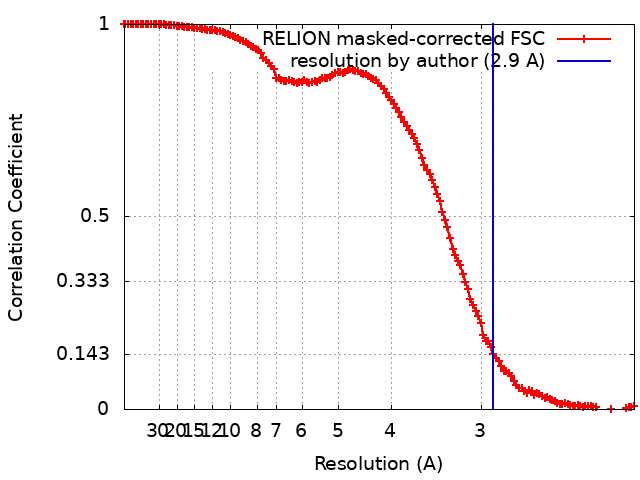
| Method | single particle reconstruction / cryo EM / Resolution: 2.9 Å | |||||||||
 Authors Authors | Kokic G / Cramer P | |||||||||
| Funding support |  Germany, 2 items Germany, 2 items
| |||||||||
 Citation Citation | Journal: Nature / Year: 2021 Title: Structural basis of human transcription-DNA repair coupling. Authors: Goran Kokic / Felix R Wagner / Aleksandar Chernev / Henning Urlaub / Patrick Cramer / Abstract: Transcription-coupled DNA repair removes bulky DNA lesions from the genome and protects cells against ultraviolet (UV) irradiation. Transcription-coupled DNA repair begins when RNA polymerase II ...Transcription-coupled DNA repair removes bulky DNA lesions from the genome and protects cells against ultraviolet (UV) irradiation. Transcription-coupled DNA repair begins when RNA polymerase II (Pol II) stalls at a DNA lesion and recruits the Cockayne syndrome protein CSB, the E3 ubiquitin ligase, CRL4 and UV-stimulated scaffold protein A (UVSSA). Here we provide five high-resolution structures of Pol II transcription complexes containing human transcription-coupled DNA repair factors and the elongation factors PAF1 complex (PAF) and SPT6. Together with biochemical and published data, the structures provide a model for transcription-repair coupling. Stalling of Pol II at a DNA lesion triggers replacement of the elongation factor DSIF by CSB, which binds to PAF and moves upstream DNA to SPT6. The resulting elongation complex, EC, uses the CSA-stimulated translocase activity of CSB to pull on upstream DNA and push Pol II forward. If the lesion cannot be bypassed, CRL4 spans over the Pol II clamp and ubiquitylates the RPB1 residue K1268, enabling recruitment of TFIIH to UVSSA and DNA repair. Conformational changes in CRL4 lead to ubiquitylation of CSB and to release of transcription-coupled DNA repair factors before transcription may continue over repaired DNA. | |||||||||
| History |
|
- Structure visualization
| Movie |
Movie viewer |
|---|---|
| Structure viewer | EM map: SurfViewMolmilJmol/JSmol |
| Supplemental images |
- Downloads & links
-EMDB archive
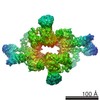
 emd_13010.png
-Related structure data
| Related structure data |  7oopMC  7oo3C 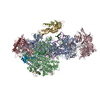 7oobC 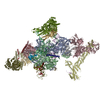 7opcC 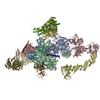 7opdC M: atomic model generated by this map C: citing same article ( |
|---|---|
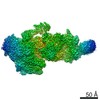
| Similar structure data |
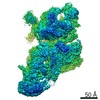
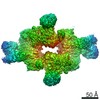

- Links
Links
| EMDB pages | EMDB (EBI/PDBe) / EMDataResource |
|---|---|
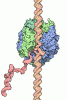
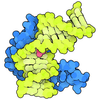
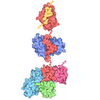
| Related items in Molecule of the Month |
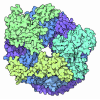
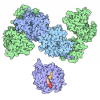
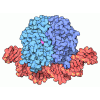
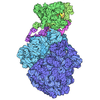

-Map
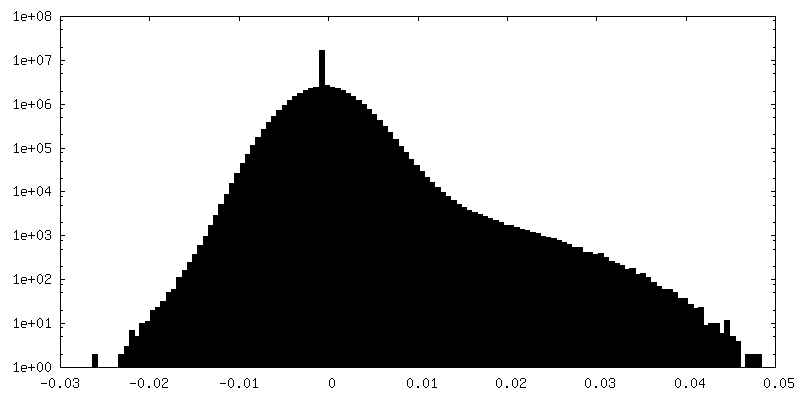
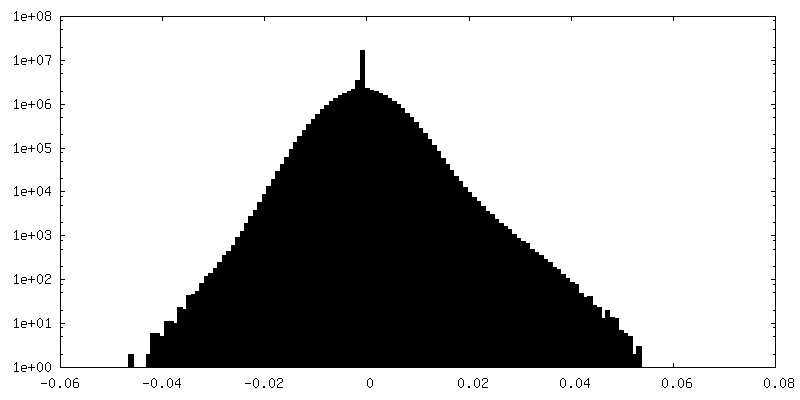
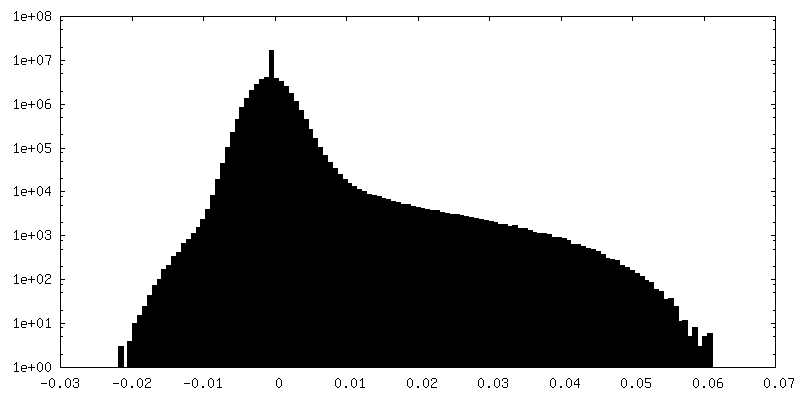
| File | Download / File: emd_13010.map.gz / Format: CCP4 / Size: 244.1 MB / Type: IMAGE STORED AS FLOATING POINT NUMBER (4 BYTES) | ||||||||||||||||||||||||||||||||||||||||||||||||||||||||||||||||||||
|---|---|---|---|---|---|---|---|---|---|---|---|---|---|---|---|---|---|---|---|---|---|---|---|---|---|---|---|---|---|---|---|---|---|---|---|---|---|---|---|---|---|---|---|---|---|---|---|---|---|---|---|---|---|---|---|---|---|---|---|---|---|---|---|---|---|---|---|---|---|
| Annotation | The main map. | ||||||||||||||||||||||||||||||||||||||||||||||||||||||||||||||||||||
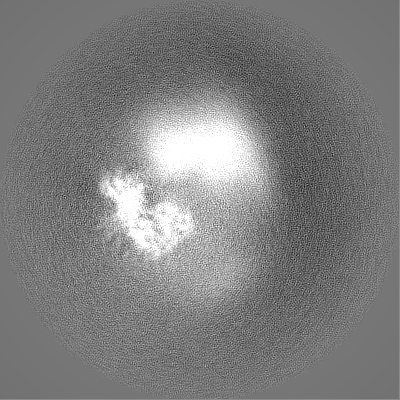
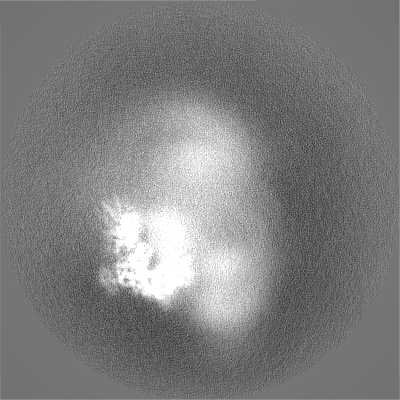
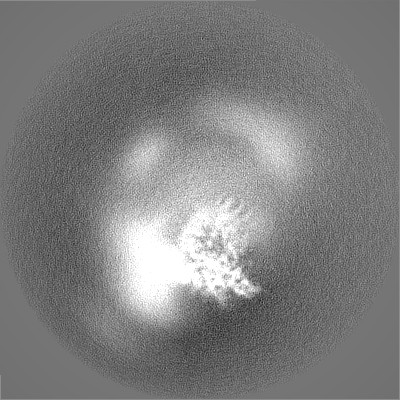
| Projections & slices | Image control
Images are generated by Spider. | ||||||||||||||||||||||||||||||||||||||||||||||||||||||||||||||||||||
| Voxel size | X=Y=Z: 1.05 Å | ||||||||||||||||||||||||||||||||||||||||||||||||||||||||||||||||||||
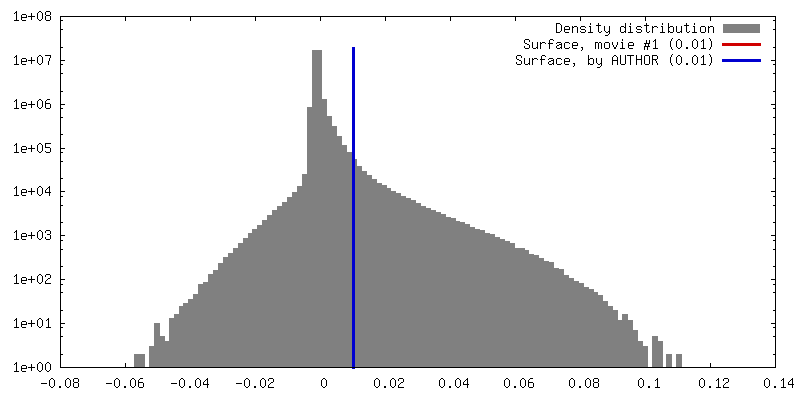
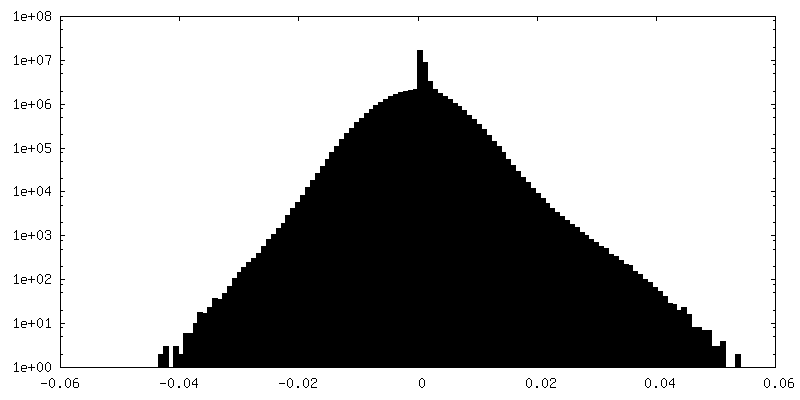
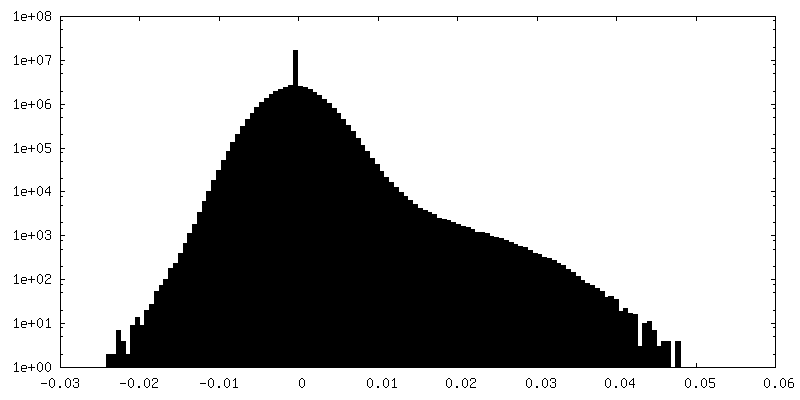
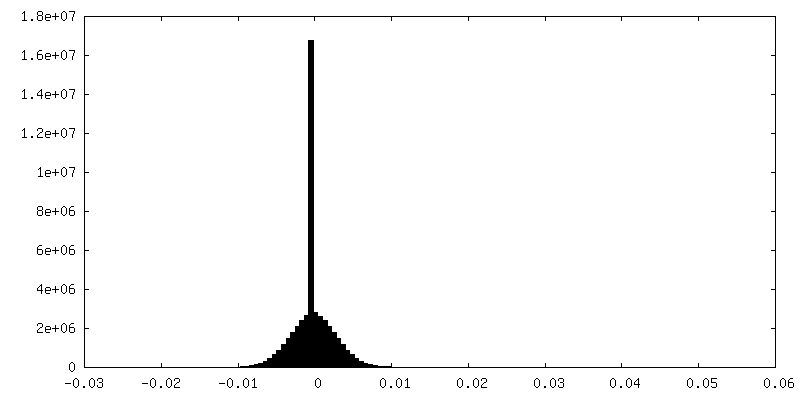
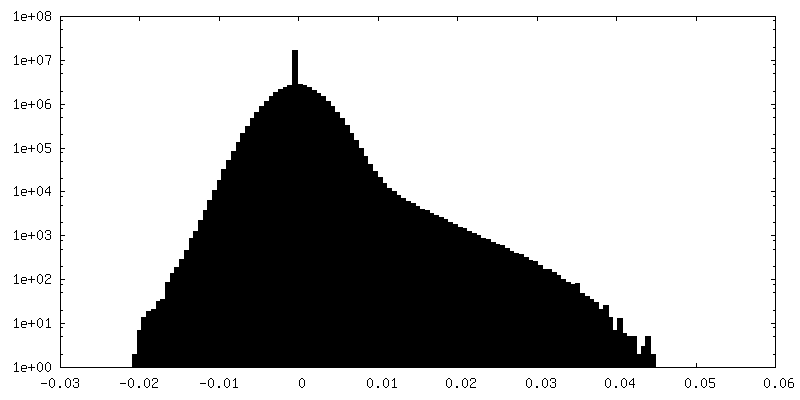
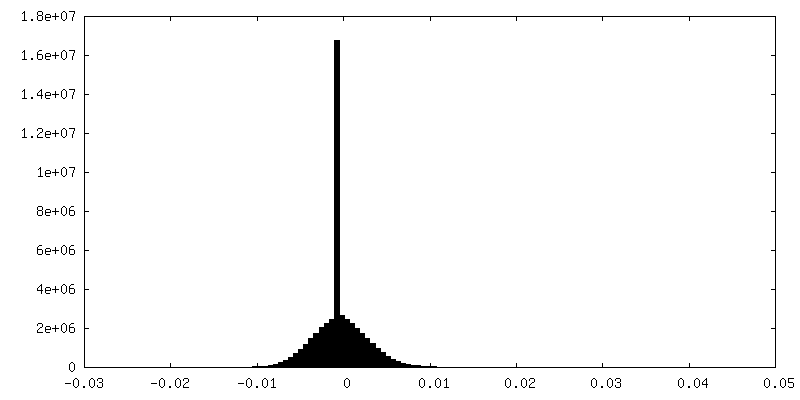
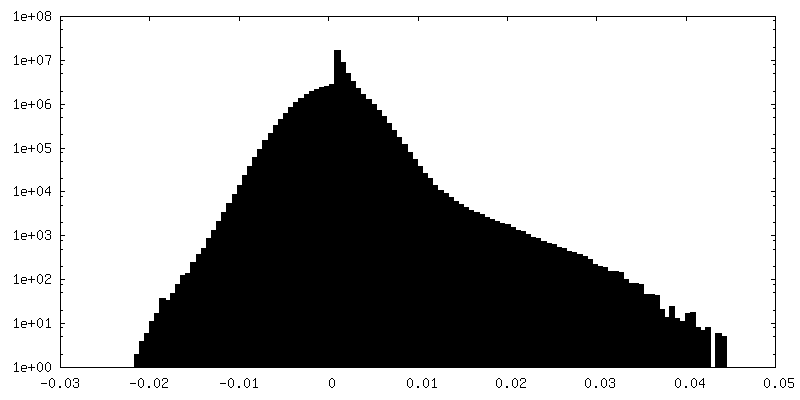
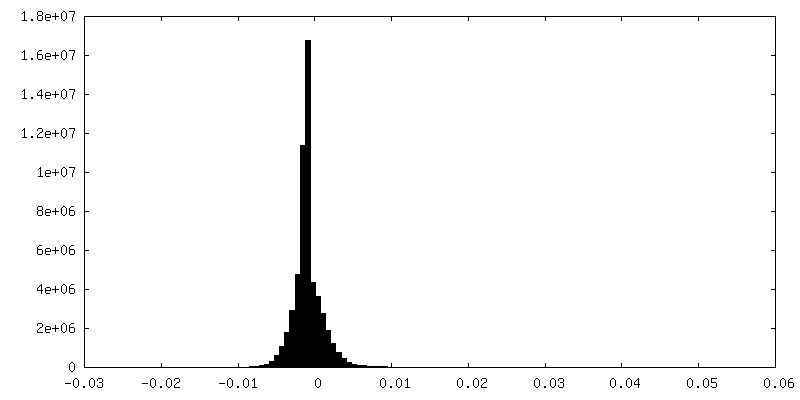
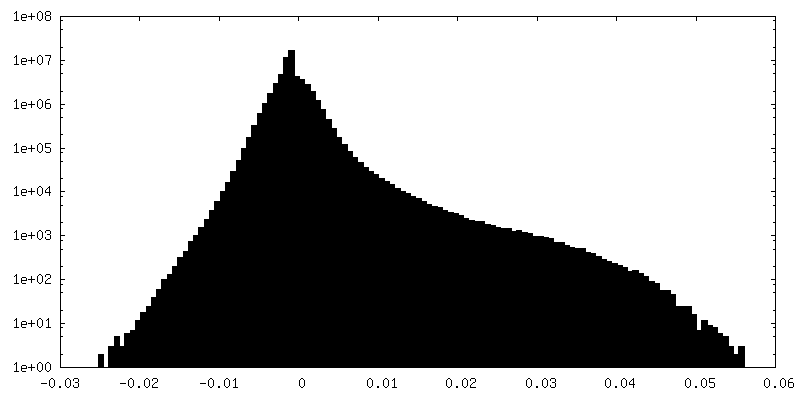
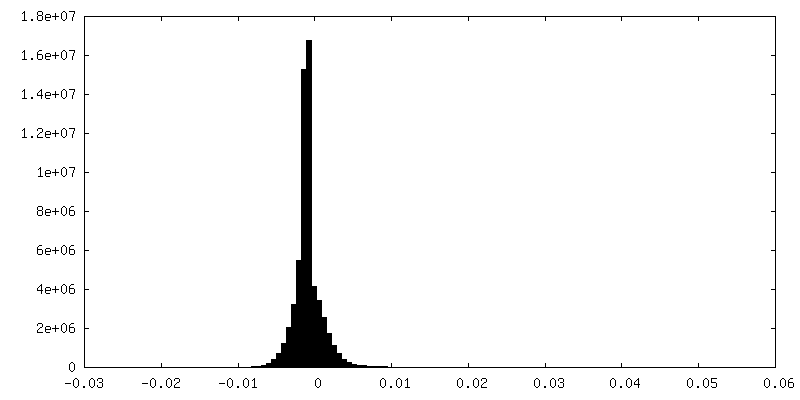
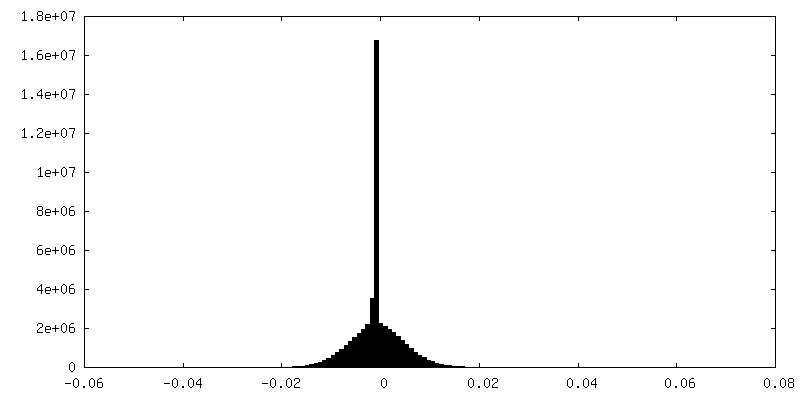
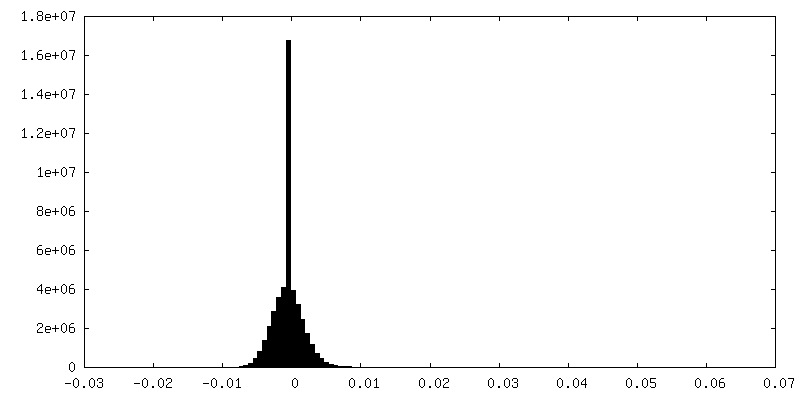
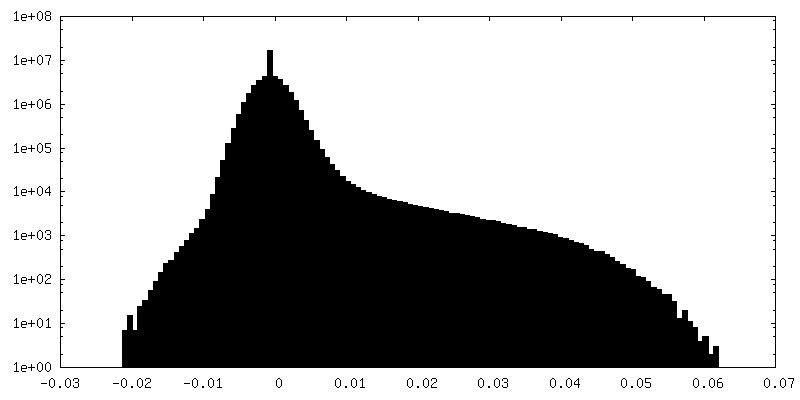
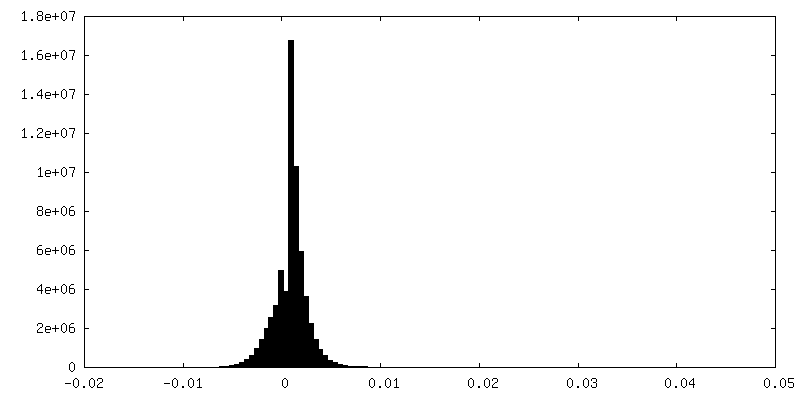
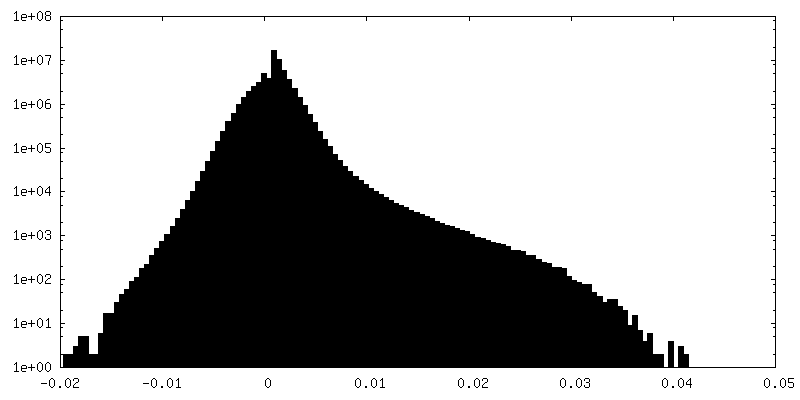
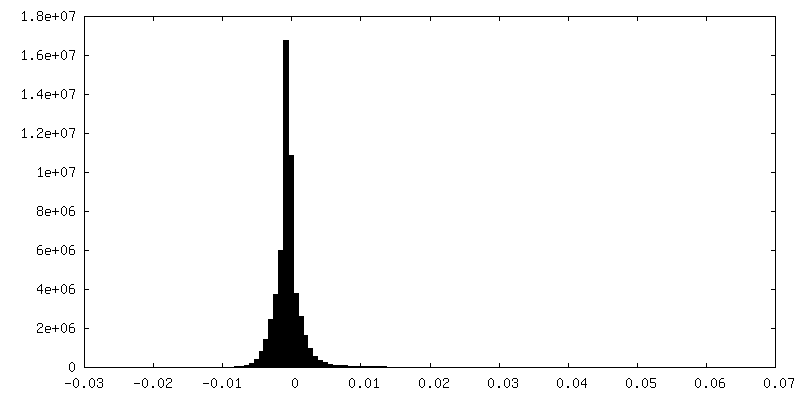
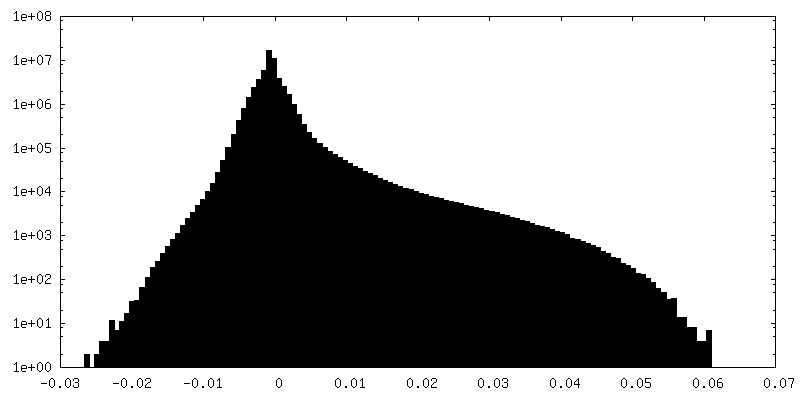
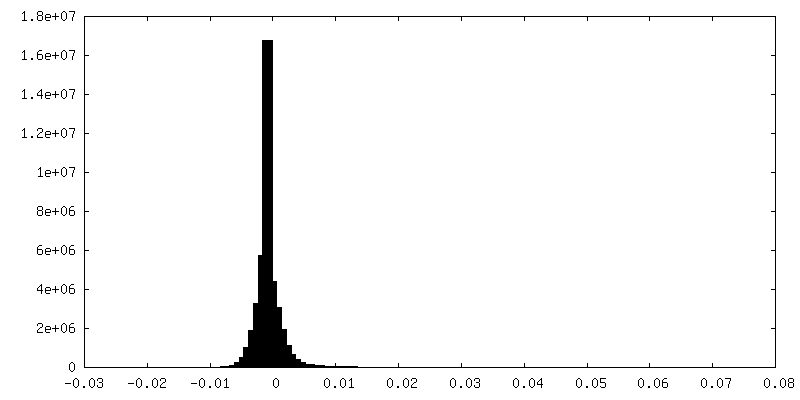
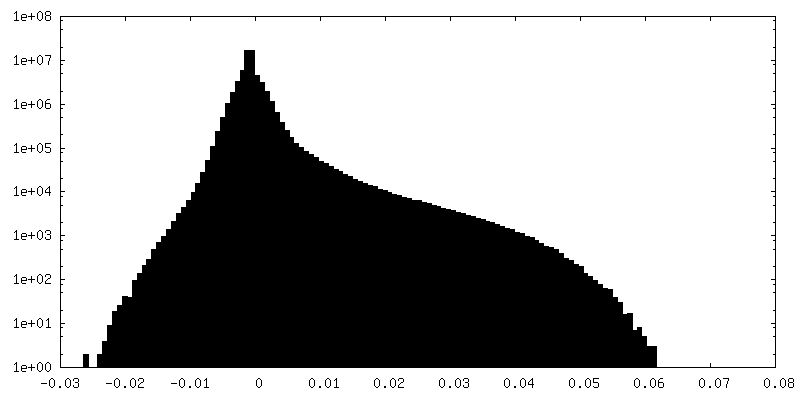
| Density |
| ||||||||||||||||||||||||||||||||||||||||||||||||||||||||||||||||||||
| Symmetry | Space group: 1 | ||||||||||||||||||||||||||||||||||||||||||||||||||||||||||||||||||||
| Details | EMDB XML:
CCP4 map header:
| ||||||||||||||||||||||||||||||||||||||||||||||||||||||||||||||||||||
 Z (Sec.)
 Y (Row.)
 X (Col.)







-Supplemental data
+Mask #1

+Mask #2
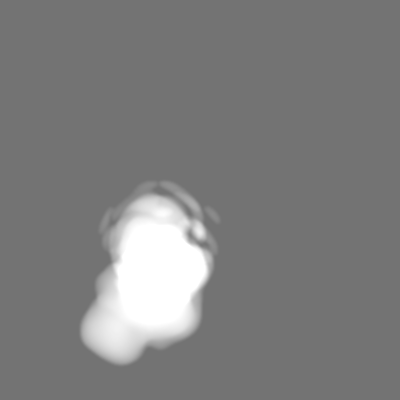



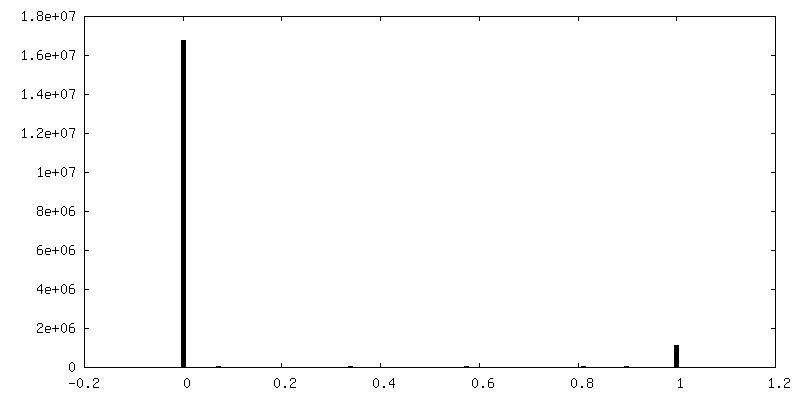
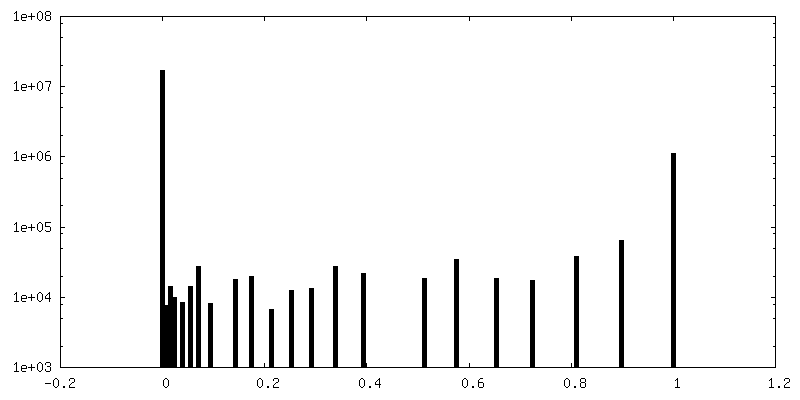
+Mask #3






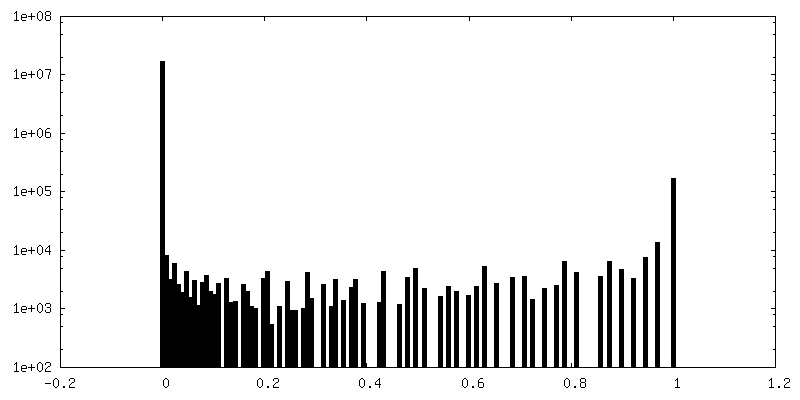
+Mask #4

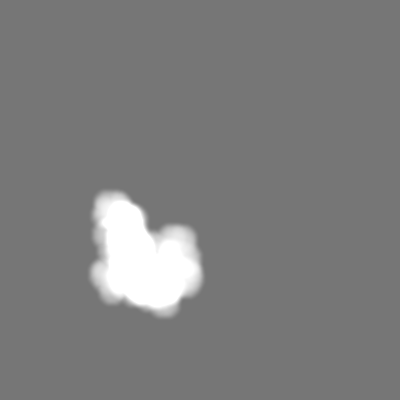




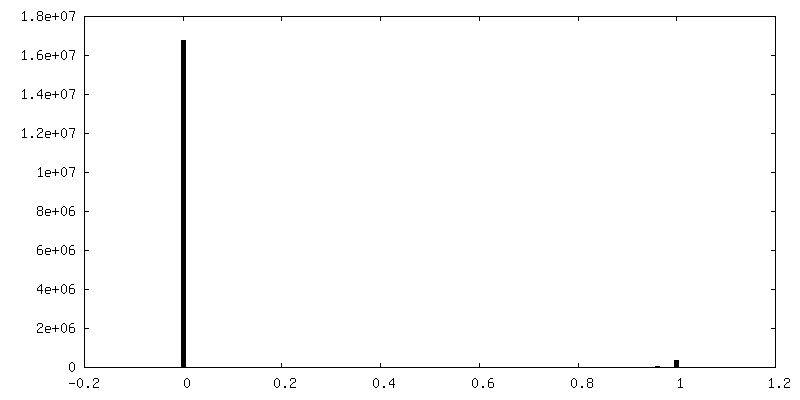
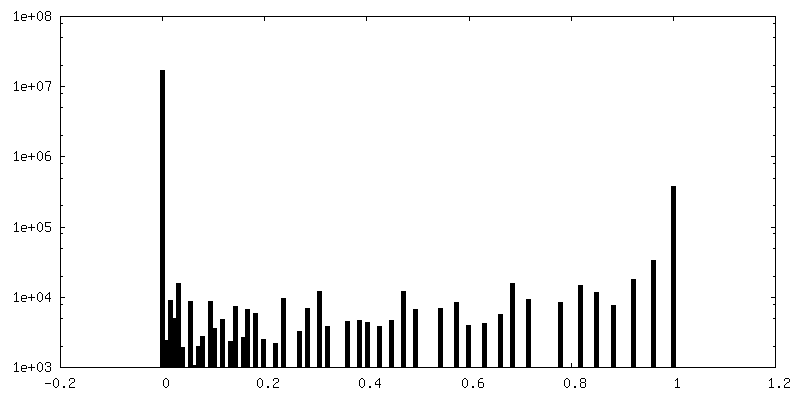
+Mask #5



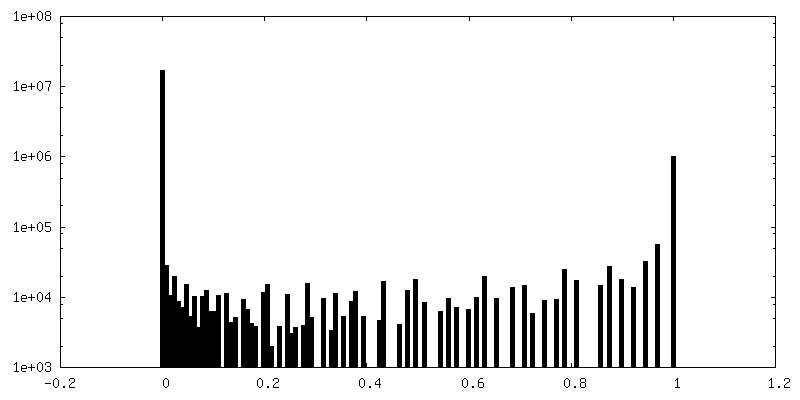
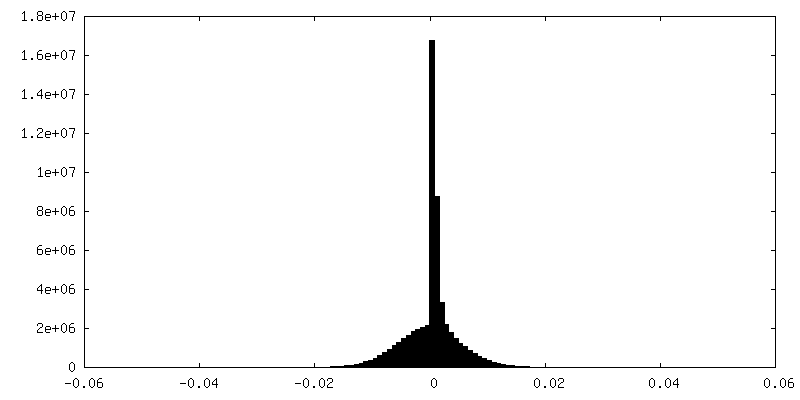
+Additional map: Half map corresponding to the map focused refined on CSA-UVSSA.
+Additional map: Half map corresponding to the map focused refined on SPT6.
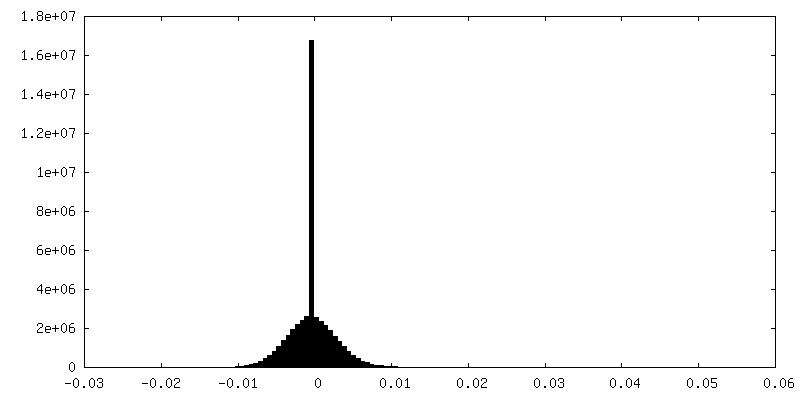
+Additional map: Half map corresponding to the map focused refined on PAF.
+Additional map: Half map corresponding to the map focused refined on SPT6.
+Additional map: Half map corresponding to the map focused refined on PAF.
+Additional map: Half map corresponding to the map focused refined on CSA-DDB1-CSB.
+Additional map: Half map corresponding to the map focused refined on CSA-DDB1-CSB.
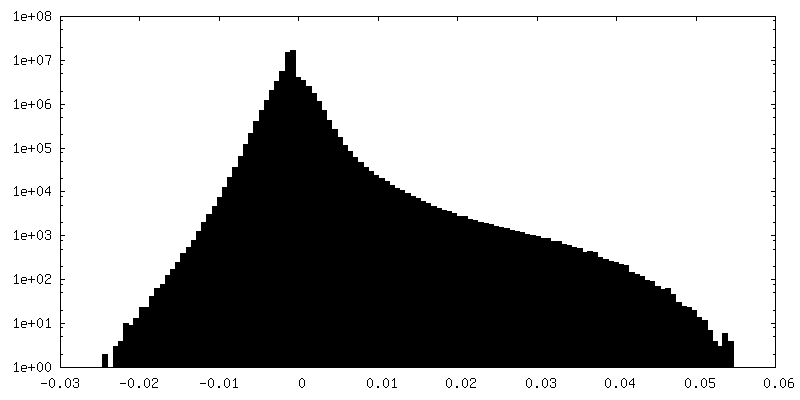
+Additional map: Half map corresponding to the map focused refined on CSA-UVSSA.
+Additional map: Half map corresponding to the map focused refined on Pol II.
+Additional map: Half map corresponding to the map focused refined on Pol II.
+Additional map: Mask for Pol II.



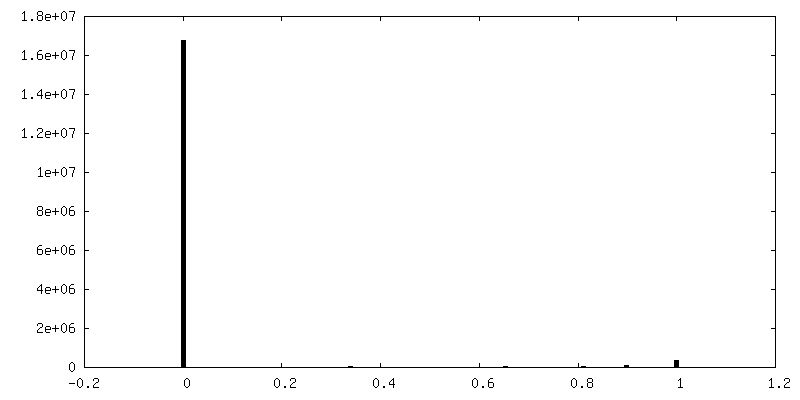
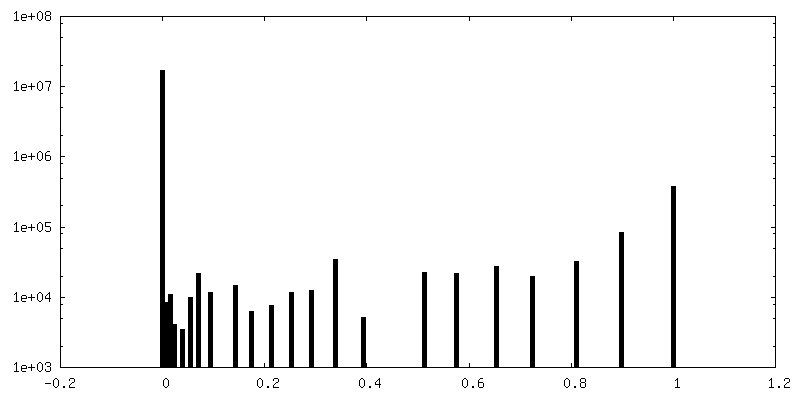
+Additional map: Half map corresponding to the map focused refined...
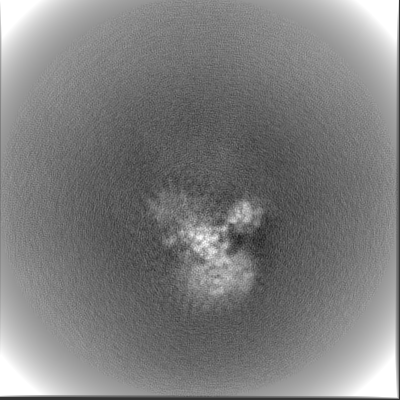
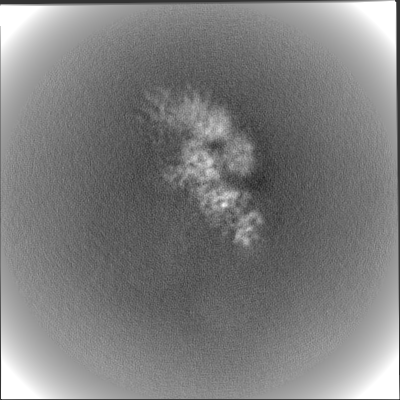
+Additional map: Half map corresponding to the map focused refined...
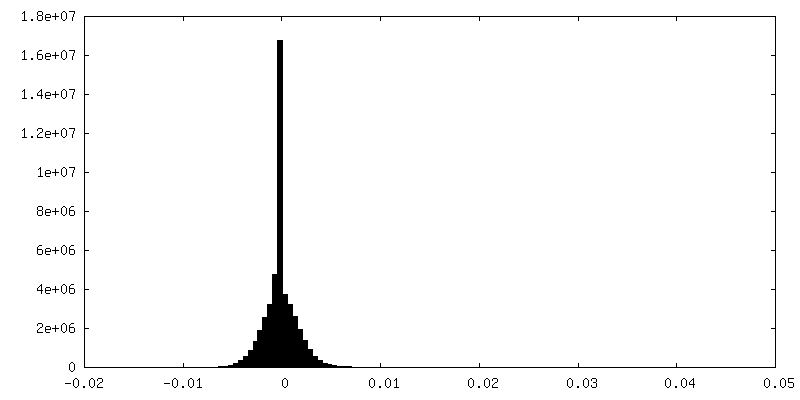
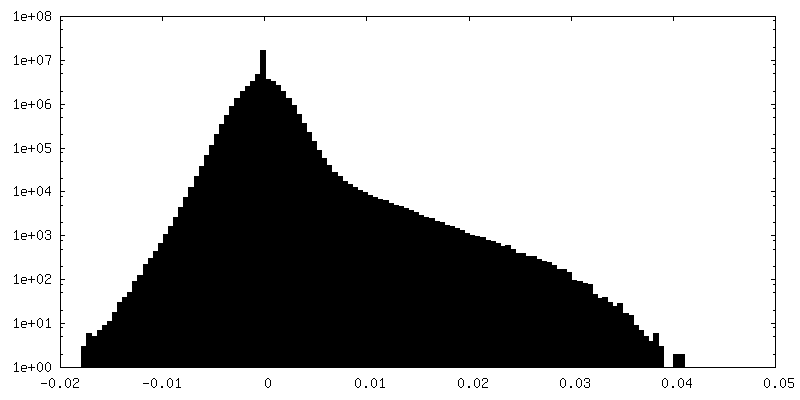
+Half map: Half map corresponding to the main map.
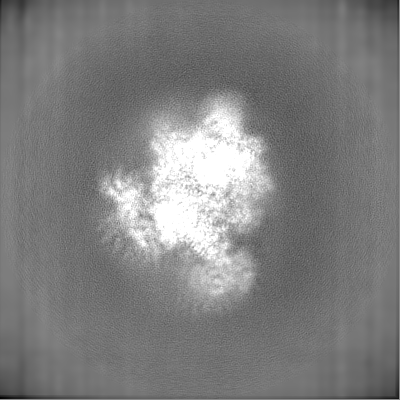
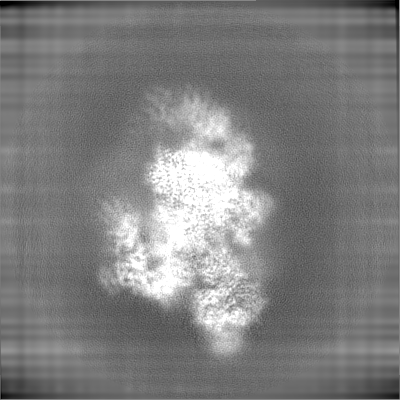
+Half map: Half map corresponding to the main map.
- Sample components
+Entire : Complex between transcribing Pol II, TCR factors and elongation f...
+Supramolecule #1: Complex between transcribing Pol II, TCR factors and elongation f...
+Supramolecule #2: DNA-directed RNA polymerase with RNA_pol_L_2 and RNA polymerase
+Supramolecule #3: Supplementory proteins
+Supramolecule #4: NTS, RNA, TS
+Macromolecule #1: DNA-directed RNA polymerase II subunit RPB1
+Macromolecule #2: DNA-directed RNA polymerase subunit beta
+Macromolecule #3: DNA-directed RNA polymerase II subunit RPB3
+Macromolecule #4: RPOL4c domain-containing protein
+Macromolecule #5: DNA-directed RNA polymerase II subunit E
+Macromolecule #6: DNA-directed RNA polymerase II subunit F
+Macromolecule #7: DNA-directed RNA polymerase II subunit RPB7
+Macromolecule #8: DNA-directed RNA polymerases I, II, and III subunit RPABC3
+Macromolecule #9: DNA-directed RNA polymerase II subunit RPB9
+Macromolecule #10: DNA-directed RNA polymerases I, II, and III subunit RPABC5
+Macromolecule #11: RNA_pol_L_2 domain-containing protein
+Macromolecule #12: RNA polymerase II subunit K
+Macromolecule #13: Transcription elongation factor SPT6
 Trichoplusia ni (cabbage looper)
+Macromolecule #16: LEO1 helix
+Macromolecule #17: RNA polymerase-associated protein CTR9 homolog
+Macromolecule #19: RNA polymerase-associated protein LEO1
+Macromolecule #20: RNA polymerase II-associated factor 1 homolog
+Macromolecule #21: WD repeat-containing protein 61
+Macromolecule #22: Parafibromin
+Macromolecule #23: DNA excision repair protein ERCC-8
+Macromolecule #24: DNA excision repair protein ERCC-6
+Macromolecule #25: UV-stimulated scaffold protein A
+Macromolecule #26: DNA damage-binding protein 1
+Macromolecule #14: NTS
+Macromolecule #18: TS
+Macromolecule #15: RNA
+Macromolecule #27: ZINC ION
+Macromolecule #28: MAGNESIUM ION
-Experimental details
-Structure determination
| Method | cryo EM |
|---|---|
 Processing Processing | single particle reconstruction |
| Aggregation state | particle |
-Sample preparation
| Concentration | 0.3 mg/mL |
|---|---|
| Buffer | pH: 7.5 |
| Grid | Model: Quantifoil R2/1 / Support film - Material: CARBON / Support film - topology: HOLEY / Pretreatment - Type: GLOW DISCHARGE |
| Vitrification | Cryogen name: ETHANE / Chamber humidity: 100 % / Instrument: FEI VITROBOT MARK IV |
- Electron microscopy
| Microscope | FEI TITAN KRIOS |
|---|---|
| Image recording | Film or detector model: GATAN K3 (6k x 4k) / Number grids imaged: 1 / Number real images: 8365 / Average electron dose: 40.4 e/Å2 |
| Electron beam | Acceleration voltage: 300 kV / Electron source:  FIELD EMISSION GUN FIELD EMISSION GUN |
| Electron optics | Illumination mode: FLOOD BEAM / Imaging mode: BRIGHT FIELD / Nominal magnification: 81000 |
| Experimental equipment |  Model: Titan Krios / Image courtesy: FEI Company |