regulation of extrinsic apoptotic signaling pathway / RNA polymerase III type 2 promoter sequence-specific DNA binding / RNA polymerase III type 1 promoter sequence-specific DNA binding / positive regulation of cytoplasmic translational initiation / regulation of locomotor rhythm / T-helper 1 cell lineage commitment / positive regulation of pentose-phosphate shunt / positive regulation of wound healing, spreading of epidermal cells / TORC2 signaling / TORC2 complex ...regulation of extrinsic apoptotic signaling pathway / RNA polymerase III type 2 promoter sequence-specific DNA binding / RNA polymerase III type 1 promoter sequence-specific DNA binding / positive regulation of cytoplasmic translational initiation / regulation of locomotor rhythm / T-helper 1 cell lineage commitment / positive regulation of pentose-phosphate shunt / positive regulation of wound healing, spreading of epidermal cells / TORC2 signaling / TORC2 complex / regulation of membrane permeability / cellular response to leucine starvation / TFIIIC-class transcription factor complex binding / heart valve morphogenesis / negative regulation of lysosome organization / TORC1 complex / voluntary musculoskeletal movement / positive regulation of transcription of nucleolar large rRNA by RNA polymerase I / positive regulation of odontoblast differentiation / calcineurin-NFAT signaling cascade / negative regulation of TORC2 signaling / RNA polymerase III type 3 promoter sequence-specific DNA binding / positive regulation of keratinocyte migration / regulation of osteoclast differentiation / MTOR signalling / regulation of lysosome organization / cellular response to L-leucine / energy reserve metabolic process / regulation of autophagosome assembly / Energy dependent regulation of mTOR by LKB1-AMPK / cellular response to nutrient / phosphatidic acid binding / Amino acids regulate mTORC1 / TORC1 signaling / cellular response to methionine / serine/threonine protein kinase complex / ruffle organization / negative regulation of cell size / positive regulation of ubiquitin-dependent protein catabolic process / positive regulation of osteoclast differentiation / cellular response to osmotic stress / negative regulation of TOR signaling / anoikis / inositol hexakisphosphate binding / negative regulation of protein localization to nucleus / cardiac muscle cell development / negative regulation of calcineurin-NFAT signaling cascade / regulation of myelination / positive regulation of transcription by RNA polymerase III / negative regulation of macroautophagy / positive regulation of myotube differentiation / Macroautophagy / regulation of cell size / Constitutive Signaling by AKT1 E17K in Cancer / positive regulation of actin filament polymerization / protein kinase inhibitor activity / germ cell development / behavioral response to pain / oligodendrocyte differentiation / positive regulation of oligodendrocyte differentiation / TOR signaling / positive regulation of translational initiation / mTORC1-mediated signalling / CD28 dependent PI3K/Akt signaling / HSF1-dependent transactivation / social behavior / regulation of macroautophagy / protein serine/threonine kinase inhibitor activity / enzyme-substrate adaptor activity / positive regulation of TOR signaling / protein kinase activator activity / positive regulation of G1/S transition of mitotic cell cycle / 'de novo' pyrimidine nucleobase biosynthetic process / response to amino acid / positive regulation of epithelial to mesenchymal transition / positive regulation of lipid biosynthetic process / vascular endothelial cell response to laminar fluid shear stress / cellular response to nutrient levels / heart morphogenesis / negative regulation of protein kinase activity / neuronal action potential / regulation of cellular response to heat / positive regulation of lamellipodium assembly / cardiac muscle contraction / positive regulation of stress fiber assembly / T cell costimulation / phagocytic vesicle / 14-3-3 protein binding / positive regulation of endothelial cell proliferation / negative regulation of TORC1 signaling / cytoskeleton organization / endomembrane system / positive regulation of autophagy / negative regulation of insulin receptor signaling pathway / negative regulation of autophagy / GTPase activator activity / cellular response to amino acid starvation / guanyl-nucleotide exchange factor activity / cellular response to starvation / positive regulation of glycolytic process 類似検索 - 分子機能
DEP domain-containing mTOR-interacting protein, DEP domain 1 / DEP domain-containing mTOR-interacting protein, DEP domain 2 / Raptor, N-terminal CASPase-like domain / Raptor N-terminal CASPase like domain / Raptor N-terminal CASPase like domain / Regulatory associated protein of TOR / Target of rapamycin complex subunit LST8 / : / Domain of unknown function DUF3385, target of rapamycin protein / Serine/threonine-protein kinase mTOR domain ...DEP domain-containing mTOR-interacting protein, DEP domain 1 / DEP domain-containing mTOR-interacting protein, DEP domain 2 / Raptor, N-terminal CASPase-like domain / Raptor N-terminal CASPase like domain / Raptor N-terminal CASPase like domain / Regulatory associated protein of TOR / Target of rapamycin complex subunit LST8 / : / Domain of unknown function DUF3385, target of rapamycin protein / Serine/threonine-protein kinase mTOR domain / Domain of unknown function / FKBP12-rapamycin binding domain / Serine/threonine-protein kinase TOR / FKBP12-rapamycin binding domain superfamily / FKBP12-rapamycin binding domain / Rapamycin binding domain / Serine/threonine-protein kinase ATR-like, HEAT repeats / HEAT repeat / HEAT repeat / Domain found in Dishevelled, Egl-10, and Pleckstrin (DEP) / DEP domain profile. / Domain found in Dishevelled, Egl-10, and Pleckstrin / DEP domain / : / FATC domain / PIK-related kinase, FAT / FAT domain / FATC / FATC domain / PIK-related kinase / FAT domain profile. / FATC domain profile. / Quinoprotein alcohol dehydrogenase-like superfamily / Phosphatidylinositol 3- and 4-kinases signature 1. / Phosphatidylinositol 3/4-kinase, conserved site / Phosphatidylinositol 3- and 4-kinases signature 2. / Phosphatidylinositol 3-/4-kinase, catalytic domain superfamily / Phosphoinositide 3-kinase, catalytic domain / Phosphatidylinositol 3- and 4-kinase / Phosphatidylinositol 3- and 4-kinases catalytic domain profile. / Phosphatidylinositol 3-/4-kinase, catalytic domain / PDZ domain profile. / Domain present in PSD-95, Dlg, and ZO-1/2. / PDZ domain / PDZ superfamily / Armadillo-like helical / Tetratricopeptide-like helical domain superfamily / WD domain, G-beta repeat / Armadillo-type fold / Winged helix DNA-binding domain superfamily / G-protein beta WD-40 repeat / WD40 repeat, conserved site / Trp-Asp (WD) repeats signature. / Trp-Asp (WD) repeats profile. / Trp-Asp (WD) repeats circular profile. / WD40 repeats / WD40 repeat / Winged helix-like DNA-binding domain superfamily / WD40-repeat-containing domain superfamily / WD40/YVTN repeat-like-containing domain superfamily / Protein kinase-like domain superfamily 類似検索 - ドメイン・相同性
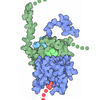
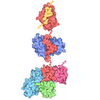
Serine/threonine-protein kinase mTOR / Regulatory-associated protein of mTOR / DEP domain-containing mTOR-interacting protein / Target of rapamycin complex subunit LST8 類似検索 - 構成要素
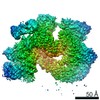
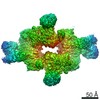
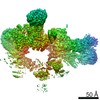
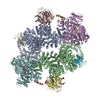
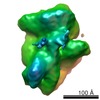
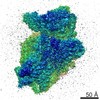
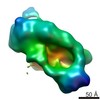
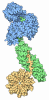
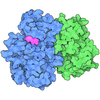
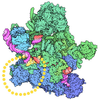
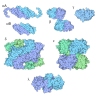
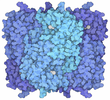
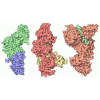
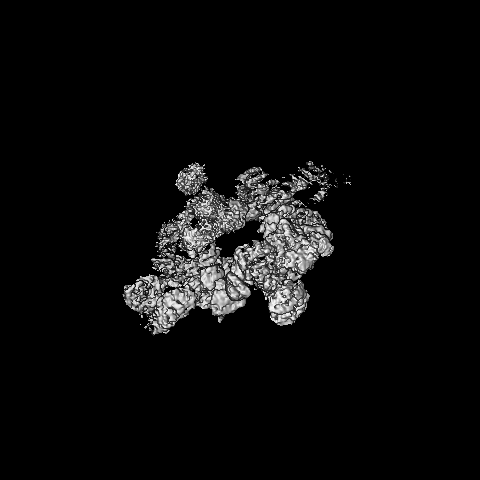
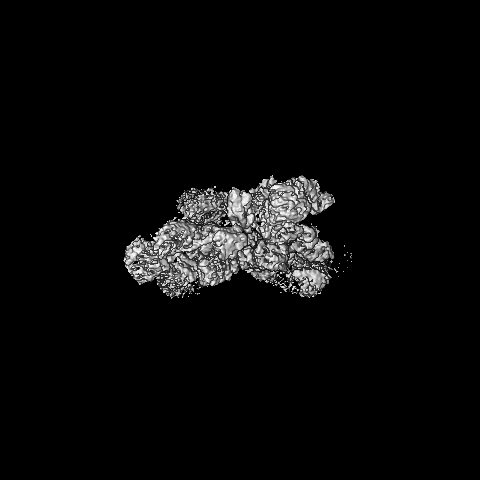
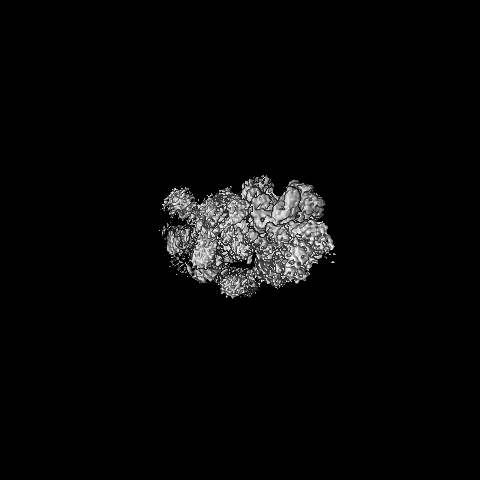
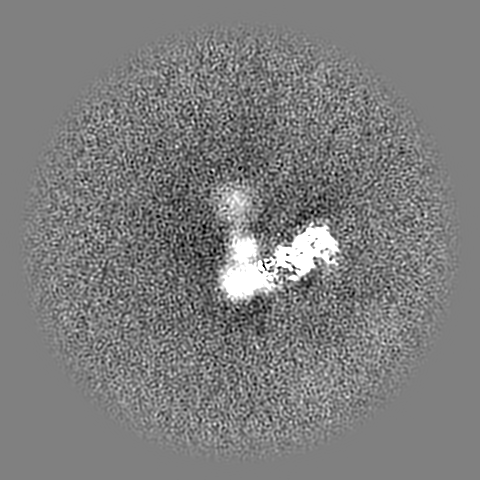
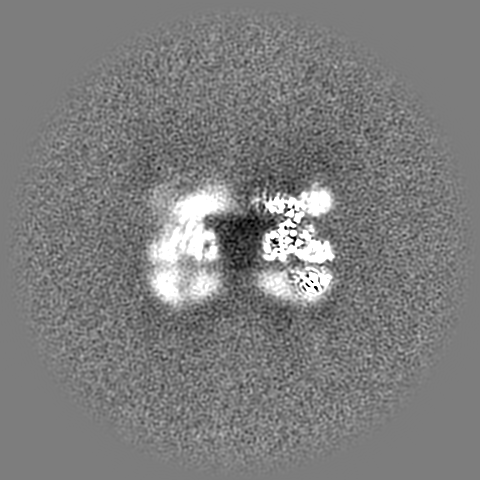
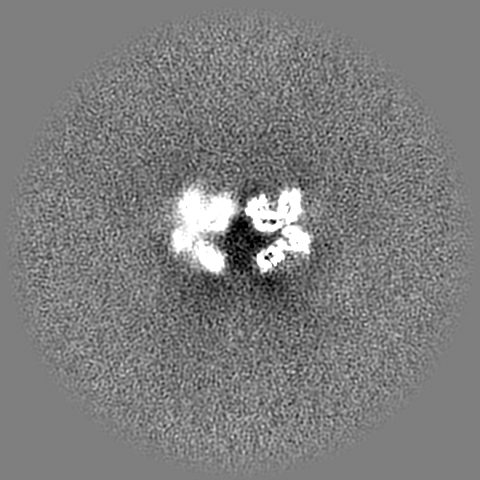
ジャーナル: Elife / 年: 2021 タイトル: Regulation of human mTOR complexes by DEPTOR. 著者: Matthias Wälchli / Karolin Berneiser / Francesca Mangia / Stefan Imseng / Louise-Marie Craigie / Edward Stuttfeld / Michael N Hall / Timm Maier / 要旨: The vertebrate-specific DEP domain-containing mTOR interacting protein (DEPTOR), an oncoprotein or tumor suppressor, has important roles in metabolism, immunity, and cancer. It is the only protein ...The vertebrate-specific DEP domain-containing mTOR interacting protein (DEPTOR), an oncoprotein or tumor suppressor, has important roles in metabolism, immunity, and cancer. It is the only protein that binds and regulates both complexes of mammalian target of rapamycin (mTOR), a central regulator of cell growth. Biochemical analysis and cryo-EM reconstructions of DEPTOR bound to human mTOR complex 1 (mTORC1) and mTORC2 reveal that both structured regions of DEPTOR, the PDZ domain and the DEP domain tandem (DEPt), are involved in mTOR interaction. The PDZ domain binds tightly with mildly activating effect, but then acts as an anchor for DEPt association that allosterically suppresses mTOR activation. The binding interfaces of the PDZ domain and DEPt also support further regulation by other signaling pathways. A separate, substrate-like mode of interaction for DEPTOR phosphorylation by mTOR complexes rationalizes inhibition of non-stimulated mTOR activity at higher DEPTOR concentrations. The multifaceted interplay between DEPTOR and mTOR provides a basis for understanding the divergent roles of DEPTOR in physiology and opens new routes for targeting the mTOR-DEPTOR interaction in disease.
 ムービー
ムービー コントローラー


 データを開く
 基本情報
基本情報 マップデータ
 試料
試料 キーワード
キーワード 機能・相同性情報
 Homo sapiens (ヒト)
 データ登録者
 スイス, 1件
  引用
引用 構造の表示
構造の表示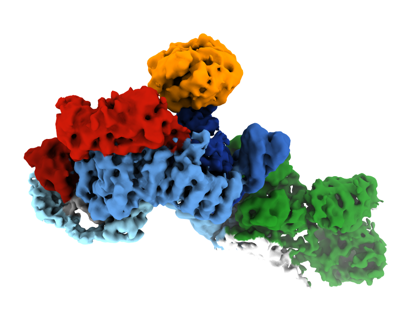
 ダウンロードとリンク
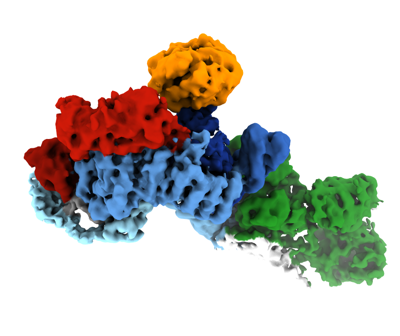 emd_13352.png
 http://ftp.pdbj.org/pub/emdb/structures/EMD-13352

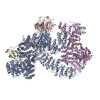
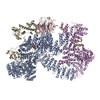
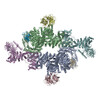
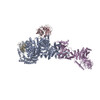



 Z (Sec.)
 Y (Row.)
 X (Col.)














 試料の構成要素
 Spodoptera frugiperda (ツマジロクサヨトウ)
 解析
解析 電子顕微鏡法
 FIELD EMISSION GUN
