 Movie
Movie Controller

[English] 日本語
 Yorodumi
- PDB-9phw: Structure of the D1-Val185Asn mutated photosystem II complex with... -
+ Open data

- Basic information
| Entry | Database: PDB / ID: 9phw | ||||||||||||||||||||||||||||||
|---|---|---|---|---|---|---|---|---|---|---|---|---|---|---|---|---|---|---|---|---|---|---|---|---|---|---|---|---|---|---|---|
| Title | Structure of the D1-Val185Asn mutated photosystem II complex with slow O-O bond formation reveals changes in the Cl1 water channel | ||||||||||||||||||||||||||||||
 Components Components |
| ||||||||||||||||||||||||||||||
 Keywords Keywords | PHOTOSYNTHESIS / photosystem II / water oxidation / oxygen-evolving complex / D1-V185N | ||||||||||||||||||||||||||||||
| Function / homology |  Function and homology information Function and homology informationplasma membrane-derived thylakoid photosystem II / photosystem II oxygen evolving complex / photosystem II assembly / thylakoid / oxygen evolving activity / photosystem II stabilization / photosystem II reaction center / photosystem II / photosynthetic electron transport chain / photosystem II ...plasma membrane-derived thylakoid photosystem II / photosystem II oxygen evolving complex / photosystem II assembly / thylakoid / oxygen evolving activity / photosystem II stabilization / photosystem II reaction center / photosystem II / photosynthetic electron transport chain / photosystem II / extrinsic component of membrane / chlorophyll binding / photosynthetic electron transport in photosystem II / plasma membrane-derived thylakoid membrane / photosynthesis, light reaction / phosphate ion binding / photosynthesis / respiratory electron transport chain / manganese ion binding / electron transfer activity / protein stabilization / iron ion binding / heme binding / calcium ion binding / identical protein binding Similarity search - Function | ||||||||||||||||||||||||||||||
| Biological species |   Synechocystis sp. PCC 6803 (bacteria) Synechocystis sp. PCC 6803 (bacteria) | ||||||||||||||||||||||||||||||
| Method | ELECTRON MICROSCOPY / single particle reconstruction / cryo EM / Resolution: 1.99 Å | ||||||||||||||||||||||||||||||
 Authors Authors | Flesher, D.A. / Debus, R.J. / Brudvig, G.W. | ||||||||||||||||||||||||||||||
| Funding support |  United States, 1items United States, 1items
| ||||||||||||||||||||||||||||||
 Citation Citation | Journal: Proc Natl Acad Sci U S A / Year: 2025 Title: Structure of the D1-Val185Asn mutated photosystem II complex with slow O-O bond formation reveals changes in the Cl1 water channel. Authors: David A Flesher / Richard J Debus / Gary W Brudvig / Abstract: During photosynthesis, the photosystem II (PSII) enzyme catalyzes the light-driven oxidation of water, fueling life on Earth by storing light energy and releasing O as a byproduct. Determining the ...During photosynthesis, the photosystem II (PSII) enzyme catalyzes the light-driven oxidation of water, fueling life on Earth by storing light energy and releasing O as a byproduct. Determining the molecular mechanism for this water oxidation reaction has been of significant interest for the development of synthetic catalysts, but many details remain elusive. One of the open questions is how protons are strategically removed from the active site, a MnCaO cluster called the oxygen-evolving complex (OEC), during the reaction cycle via conserved water channels, and how proton transfer contributes to O-O bond formation energetics. Site-directed mutagenesis studies have investigated the role of conserved amino acid side chains in facilitating proton transfer. One of the most influential mutations is the Val185Asn substitution on the D1 subunit, which substantially slows O release kinetics without abolishing catalytic activity. Forming a molecular understanding of how this mutation affects the active site will provide insight into the water oxidation reaction mechanism. Here, we investigated the structural basis of the Val185Asn substitution by determining a 1.99 Å-resolution cryo-EM structure. We observed that Asn185 orients away from the OEC and donates a H-bond to Cl1, a conserved chloride ion. We furthermore observed an alternative D2-Glu312-facing conformation of the D2-Lys317 side chain in the Cl1 water channel, a conformation that is consistent with recent models for proton transfer. These changes also produce perturbations to the hydrogen-bonding network. Overall, these finding provide insight into proton transfer in the Cl1 channel and its effect on the water oxidation reaction mechanism. | ||||||||||||||||||||||||||||||
| History |
|
- Structure visualization
| Structure viewer | Molecule: MolmilJmol/JSmol |
|---|
- Downloads & links
-Download
| PDBx/mmCIF format | 9phw.cif.gz | 1.3 MB | Display | PDBx/mmCIF format |
|---|---|---|---|---|
| PDB format | pdb9phw.ent.gz | 1.1 MB | Display | PDB format |
| PDBx/mmJSON format | 9phw.json.gz | Tree view | PDBx/mmJSON format | |
| Others |  Other downloads Other downloads |
-Validation report
| Arichive directory | https://data.pdbj.org/pub/pdb/validation_reports/ph/9phwftp://data.pdbj.org/pub/pdb/validation_reports/ph/9phw | HTTPS FTP |
|---|
-Related structure data
| Related structure data |  71652MC M: map data used to model this data C: citing same article ( |
|---|---|
| Similar structure data |
-Links
 PDBj
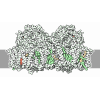
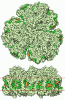
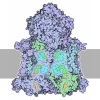
PDBj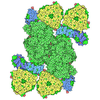
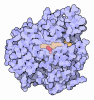
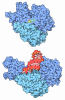
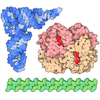
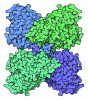
- Assembly
| Deposited unit | 
|
|---|---|
| 1 |
|
-Components
-Photosystem II ... , 17 types, 34 molecules AaBbCcDdHhIiJjKkLlMmOoRrTtUuXx...
| #1: Protein | Mass: 38295.500 Da / Num. of mol.: 2 / Mutation: V185N Source method: isolated from a genetically manipulated source Source: (gene. exp.) Synechocystis sp. PCC 6803 (bacteria) / Gene: psbA2, psbA-2, slr1311, psbA3, psbA-3, sll1867 / Production host: Synechocystis sp. PCC 6803 (bacteria) / References: UniProt: P16033, photosystem II#2: Protein | Mass: 56783.242 Da / Num. of mol.: 2 Source method: isolated from a genetically manipulated source Source: (gene. exp.) Synechocystis sp. PCC 6803 (bacteria) / Gene: psbB / Production host: Synechocystis sp. PCC 6803 (bacteria) / References: UniProt: P05429#3: Protein | Mass: 50344.723 Da / Num. of mol.: 2 / Source method: isolated from a natural source / Source: (natural) Synechocystis sp. PCC 6803 (bacteria) / References: UniProt: P09193#4: Protein | Mass: 39519.238 Da / Num. of mol.: 2 / Source method: isolated from a natural source / Source: (natural) Synechocystis sp. PCC 6803 (bacteria) / References: UniProt: P09192#7: Protein | Mass: 7120.404 Da / Num. of mol.: 2 / Source method: isolated from a natural source / Source: (natural) Synechocystis sp. PCC 6803 (bacteria) / References: UniProt: P14835#8: Protein/peptide | Mass: 4338.119 Da / Num. of mol.: 2 / Source method: isolated from a natural source / Source: (natural) Synechocystis sp. PCC 6803 (bacteria) / References: UniProt: Q54697#9: Protein/peptide | Mass: 3470.116 Da / Num. of mol.: 2 / Source method: isolated from a natural source / Source: (natural) Synechocystis sp. PCC 6803 (bacteria) / References: UniProt: P73070#10: Protein/peptide | Mass: 5114.127 Da / Num. of mol.: 2 / Source method: isolated from a natural source / Source: (natural) Synechocystis sp. PCC 6803 (bacteria) / References: UniProt: P15819#11: Protein/peptide | Mass: 4476.145 Da / Num. of mol.: 2 / Source method: isolated from a natural source / Source: (natural) Synechocystis sp. PCC 6803 (bacteria) / References: UniProt: Q55354#12: Protein/peptide | Mass: 3910.639 Da / Num. of mol.: 2 / Source method: isolated from a natural source / Source: (natural) Synechocystis sp. PCC 6803 (bacteria) / References: UniProt: P72701#13: Protein | Mass: 29939.584 Da / Num. of mol.: 2 / Source method: isolated from a natural source / Source: (natural) Synechocystis sp. PCC 6803 (bacteria) / References: UniProt: P10549#15: Protein/peptide | Mass: 4204.958 Da / Num. of mol.: 2 / Source method: isolated from a natural source / Source: (natural) Synechocystis sp. PCC 6803 (bacteria) / References: UniProt: P73676#16: Protein/peptide | Mass: 3571.318 Da / Num. of mol.: 2 / Source method: isolated from a natural source / Source: (natural) Synechocystis sp. PCC 6803 (bacteria) / References: UniProt: P74787#17: Protein | Mass: 14256.163 Da / Num. of mol.: 2 / Source method: isolated from a natural source / Source: (natural) Synechocystis sp. PCC 6803 (bacteria) / References: UniProt: Q55332#19: Protein/peptide | Mass: 4189.036 Da / Num. of mol.: 2 / Source method: isolated from a natural source / Source: (natural) Synechocystis sp. PCC 6803 (bacteria) / References: UniProt: P72575#20: Protein/peptide | Mass: 4143.993 Da / Num. of mol.: 2 / Source method: isolated from a natural source / Source: (natural) Synechocystis sp. PCC 6803 (bacteria) / References: UniProt: Q55438#21: Protein | Mass: 6736.161 Da / Num. of mol.: 2 / Source method: isolated from a natural source / Source: (natural) Synechocystis sp. PCC 6803 (bacteria) / References: UniProt: P73528 |
|---|
-Cytochrome b559 subunit ... , 2 types, 4 molecules EeFf
| #5: Protein | Mass: 9454.577 Da / Num. of mol.: 2 / Source method: isolated from a natural source / Source: (natural) Synechocystis sp. PCC 6803 (bacteria) / References: UniProt: P09190#6: Protein/peptide | Mass: 4935.784 Da / Num. of mol.: 2 / Source method: isolated from a natural source / Source: (natural) Synechocystis sp. PCC 6803 (bacteria) / References: UniProt: P09191 |
|---|
-Protein , 2 types, 4 molecules QqVv
| #14: Protein | Mass: 16494.934 Da / Num. of mol.: 2 / Source method: isolated from a natural source / Source: (natural) Synechocystis sp. PCC 6803 (bacteria) / References: UniProt: P73048#18: Protein | Mass: 17901.045 Da / Num. of mol.: 2 / Source method: isolated from a natural source / Source: (natural) Synechocystis sp. PCC 6803 (bacteria) / References: UniProt: Q55013 |
|---|
-Sugars , 2 types, 70 molecules 
| #31: Sugar | ChemComp-LMT / 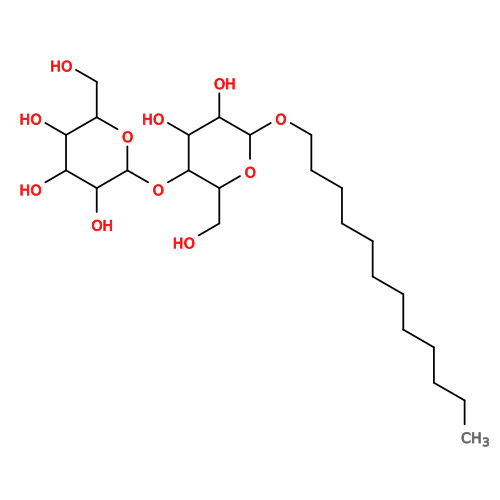 Type: D-saccharide / Mass: 510.615 Da / Num. of mol.: 62 / Source method: obtained synthetically / Formula: C24H46O11 / Comment: detergent*YM Type: D-saccharide / Mass: 510.615 Da / Num. of mol.: 62 / Source method: obtained synthetically / Formula: C24H46O11 / Comment: detergent*YM#34: Sugar | ChemComp-DGD /  Type: saccharide / Mass: 949.299 Da / Num. of mol.: 8 / Source method: obtained synthetically / Formula: C51H96O15 Type: saccharide / Mass: 949.299 Da / Num. of mol.: 8 / Source method: obtained synthetically / Formula: C51H96O15 |
|---|
-Non-polymers , 15 types, 1176 molecules 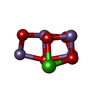



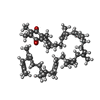
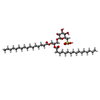
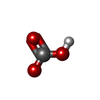
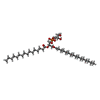



| #22: Chemical | 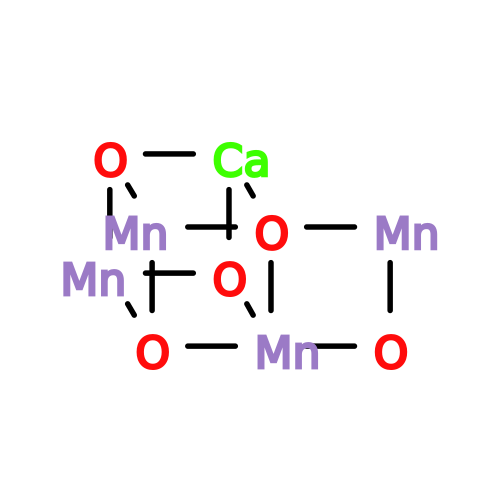 Mass: 339.827 Da / Num. of mol.: 2 / Source method: obtained synthetically / Formula: CaMn4O5 / Feature type: SUBJECT OF INVESTIGATION Mass: 339.827 Da / Num. of mol.: 2 / Source method: obtained synthetically / Formula: CaMn4O5 / Feature type: SUBJECT OF INVESTIGATION#23: Chemical |  Mass: 55.845 Da / Num. of mol.: 2 / Source method: obtained synthetically / Formula: Fe Mass: 55.845 Da / Num. of mol.: 2 / Source method: obtained synthetically / Formula: Fe#24: Chemical | ChemComp-CL /  Mass: 35.453 Da / Num. of mol.: 4 / Source method: obtained synthetically / Formula: Cl Mass: 35.453 Da / Num. of mol.: 4 / Source method: obtained synthetically / Formula: Cl#25: Chemical | ChemComp-CLA / 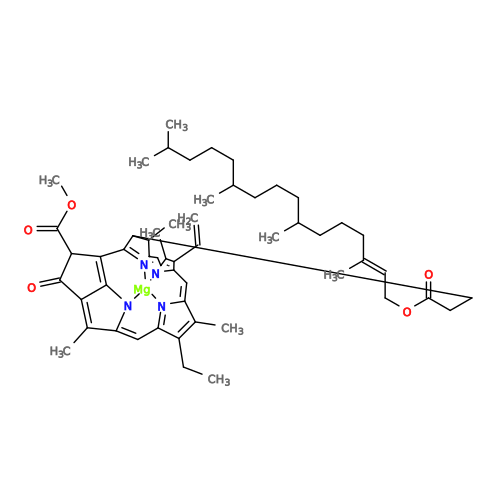 Mass: 893.489 Da / Num. of mol.: 70 / Source method: obtained synthetically / Formula: C55H72MgN4O5 Mass: 893.489 Da / Num. of mol.: 70 / Source method: obtained synthetically / Formula: C55H72MgN4O5#26: Chemical | ChemComp-PHO / 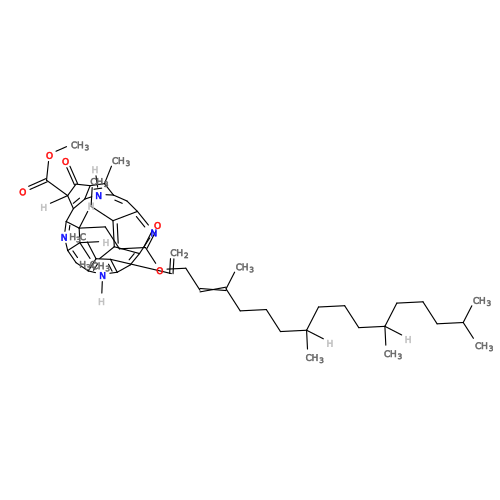 Mass: 871.200 Da / Num. of mol.: 4 / Source method: obtained synthetically / Formula: C55H74N4O5 Mass: 871.200 Da / Num. of mol.: 4 / Source method: obtained synthetically / Formula: C55H74N4O5#27: Chemical | ChemComp-BCR / 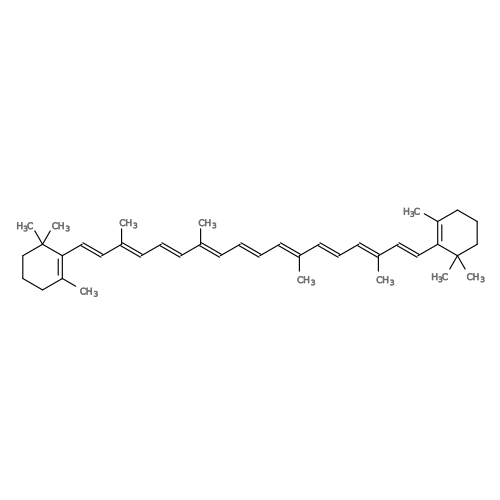 Mass: 536.873 Da / Num. of mol.: 18 / Source method: obtained synthetically / Formula: C40H56 Mass: 536.873 Da / Num. of mol.: 18 / Source method: obtained synthetically / Formula: C40H56#28: Chemical | ChemComp-LMG / 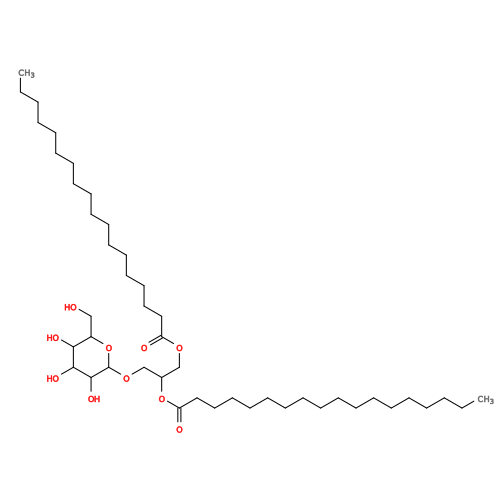 Mass: 787.158 Da / Num. of mol.: 14 / Source method: obtained synthetically / Formula: C45H86O10 Mass: 787.158 Da / Num. of mol.: 14 / Source method: obtained synthetically / Formula: C45H86O10#29: Chemical | ChemComp-PL9 / 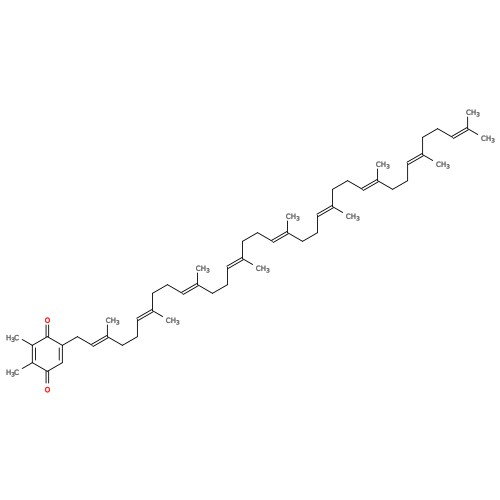 Mass: 749.201 Da / Num. of mol.: 4 / Source method: obtained synthetically / Formula: C53H80O2 Mass: 749.201 Da / Num. of mol.: 4 / Source method: obtained synthetically / Formula: C53H80O2#30: Chemical | ChemComp-SQD / 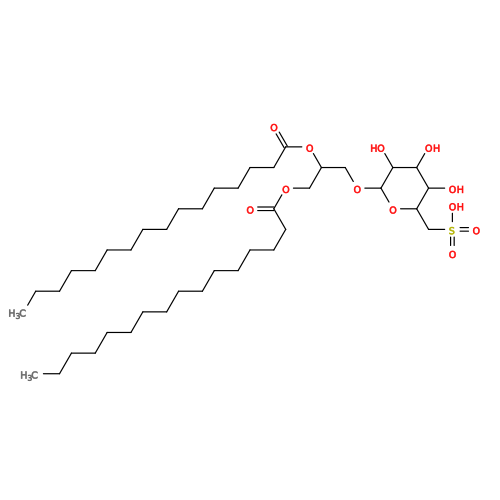 Mass: 795.116 Da / Num. of mol.: 14 / Source method: obtained synthetically / Formula: C41H78O12S Mass: 795.116 Da / Num. of mol.: 14 / Source method: obtained synthetically / Formula: C41H78O12S#32: Chemical | 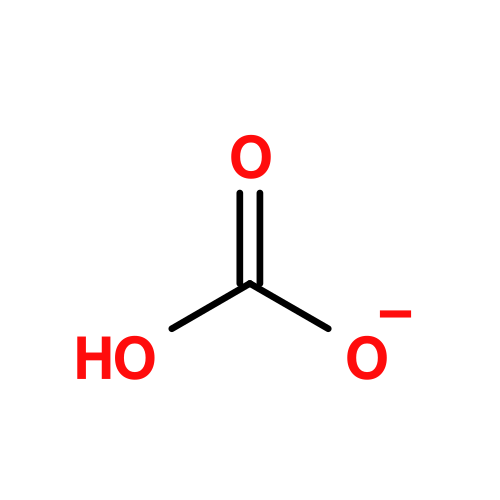 Mass: 61.017 Da / Num. of mol.: 2 / Source method: obtained synthetically / Formula: CHO3 / Comment: pH buffer*YM Mass: 61.017 Da / Num. of mol.: 2 / Source method: obtained synthetically / Formula: CHO3 / Comment: pH buffer*YM#33: Chemical | ChemComp-LHG / 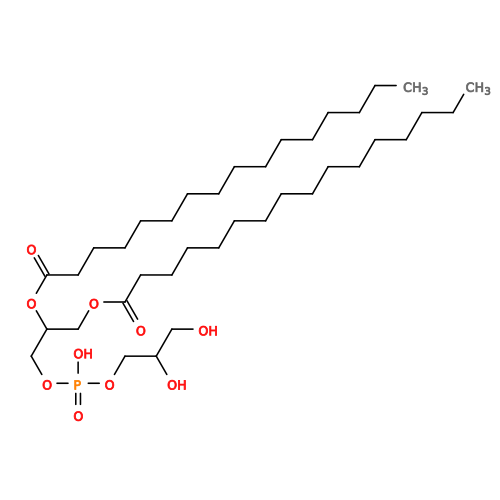 Mass: 722.970 Da / Num. of mol.: 14 / Source method: obtained synthetically / Formula: C38H75O10P / Comment: phospholipid*YM Mass: 722.970 Da / Num. of mol.: 14 / Source method: obtained synthetically / Formula: C38H75O10P / Comment: phospholipid*YM#35: Chemical | ChemComp-HEM / 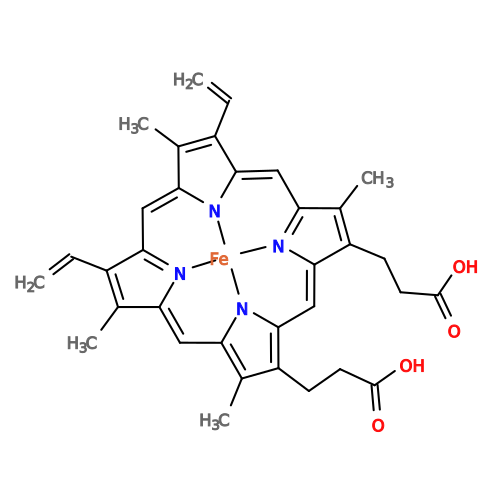 Mass: 616.487 Da / Num. of mol.: 4 / Source method: obtained synthetically / Formula: C34H32FeN4O4 Mass: 616.487 Da / Num. of mol.: 4 / Source method: obtained synthetically / Formula: C34H32FeN4O4#36: Chemical | 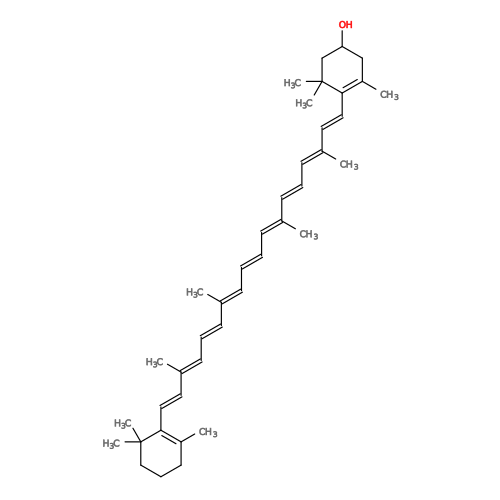 Mass: 552.872 Da / Num. of mol.: 2 / Source method: obtained synthetically / Formula: C40H56O Mass: 552.872 Da / Num. of mol.: 2 / Source method: obtained synthetically / Formula: C40H56O#37: Chemical | ChemComp-CA /  Mass: 40.078 Da / Num. of mol.: 6 / Source method: obtained synthetically / Formula: Ca Mass: 40.078 Da / Num. of mol.: 6 / Source method: obtained synthetically / Formula: Ca#38: Water | ChemComp-HOH / | Mass: 18.015 Da / Num. of mol.: 1016 / Source method: isolated from a natural source / Formula: H2O |
|---|
-Details
| Has ligand of interest | Y |
|---|---|
| Has protein modification | Y |
-Experimental details
-Experiment
| Experiment | Method: ELECTRON MICROSCOPY |
|---|---|
| EM experiment | Aggregation state: PARTICLE / 3D reconstruction method: single particle reconstruction |
- Sample preparation
| Component | Name: photosystem II / Type: COMPLEX Details: photosystem II containing the V185N substitution on the D1 subunit Entity ID: #1-#21 / Source: MULTIPLE SOURCES |
|---|---|
| Molecular weight | Experimental value: NO |
| Buffer solution | pH: 6.8 |
| Specimen | Embedding applied: NO / Shadowing applied: NO / Staining applied: NO / Vitrification applied: YES |
| Vitrification | Cryogen name: ETHANE |
- Electron microscopy imaging
| Experimental equipment |  Model: Titan Krios / Image courtesy: FEI Company |
|---|---|
| Microscopy | Model: TFS KRIOS |
| Electron gun | Electron source:  FIELD EMISSION GUN / Accelerating voltage: 300 kV / Illumination mode: FLOOD BEAM FIELD EMISSION GUN / Accelerating voltage: 300 kV / Illumination mode: FLOOD BEAM |
| Electron lens | Mode: BRIGHT FIELD / Nominal defocus max: 2000 nm / Nominal defocus min: 800 nm |
| Image recording | Electron dose: 49.6 e/Å2 / Film or detector model: GATAN K3 (6k x 4k) |
- Processing
| EM software |
| |||||||||||||||
|---|---|---|---|---|---|---|---|---|---|---|---|---|---|---|---|---|
| CTF correction | Type: PHASE FLIPPING AND AMPLITUDE CORRECTION | |||||||||||||||
| Symmetry | Point symmetry: C2 (2 fold cyclic) | |||||||||||||||
| 3D reconstruction | Resolution: 1.99 Å / Resolution method: FSC 0.143 CUT-OFF / Num. of particles: 72628 / Symmetry type: POINT |
