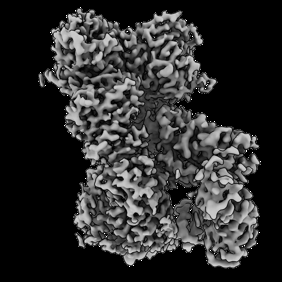
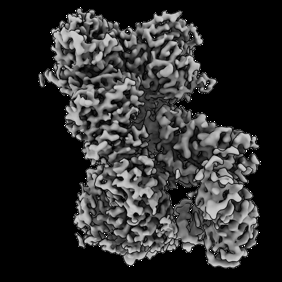
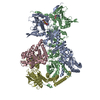
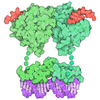
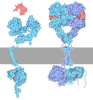
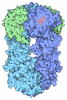
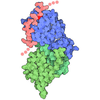
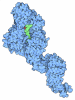
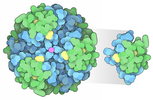
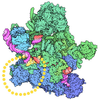
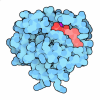
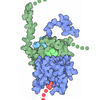
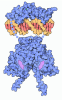
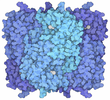
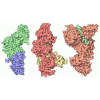
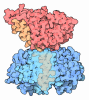
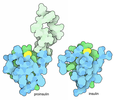
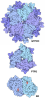
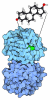
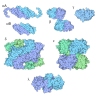
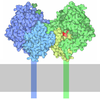
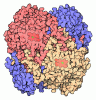
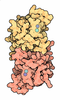
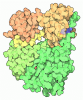
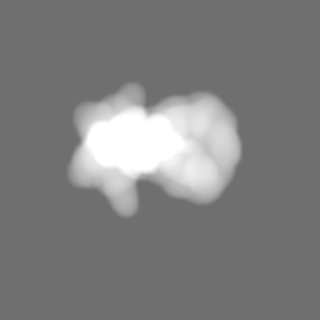
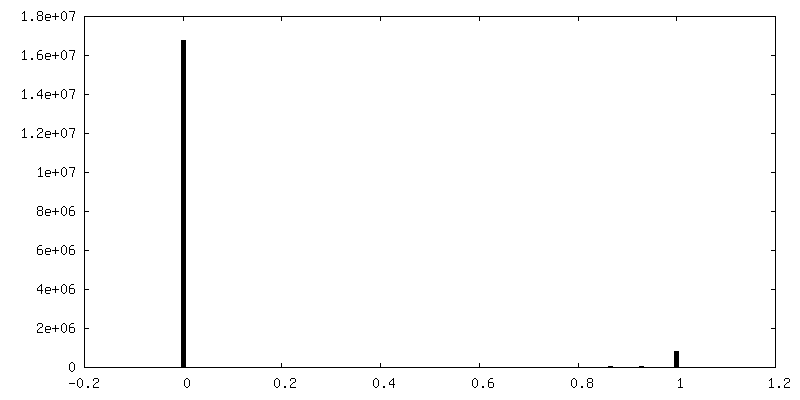
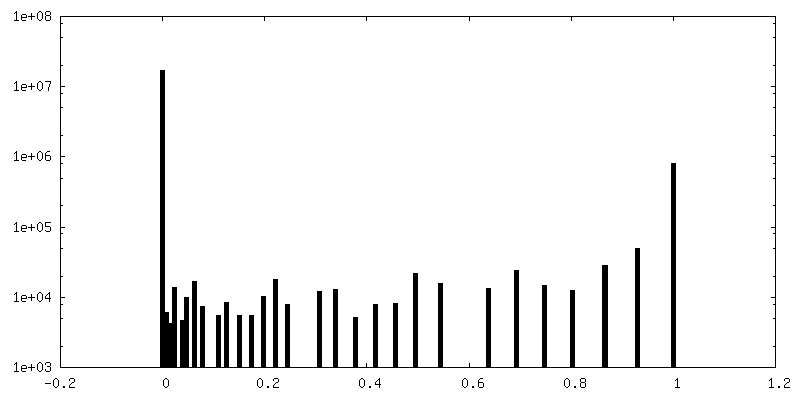
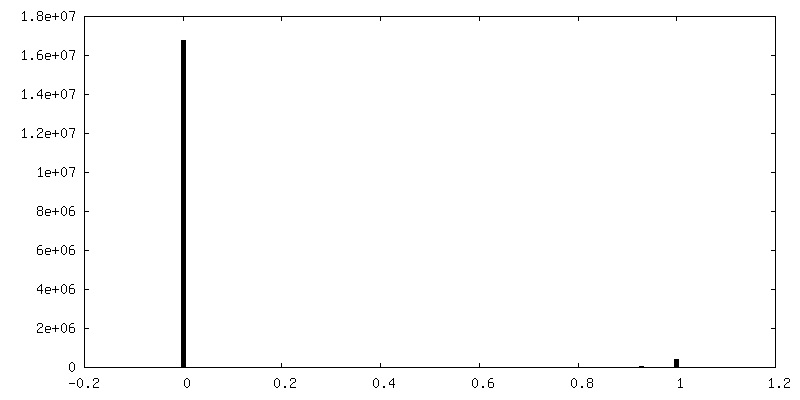
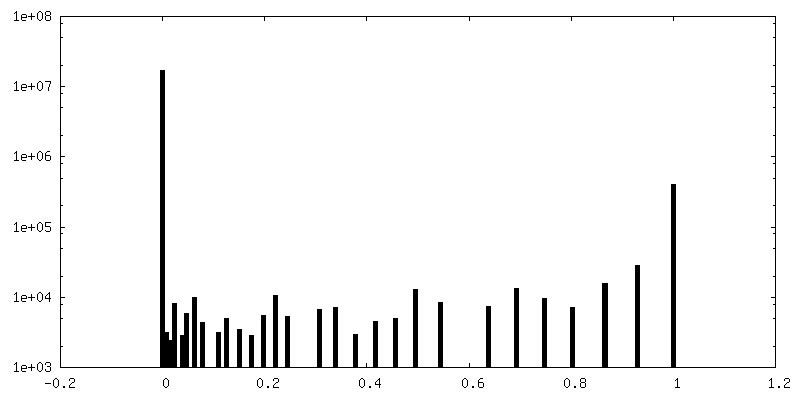
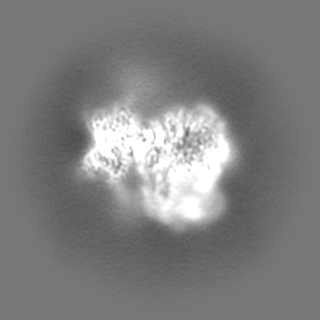
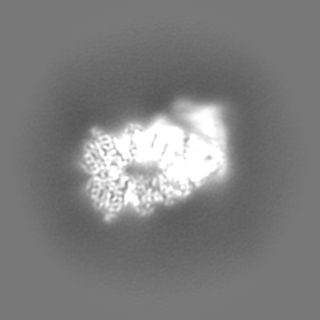
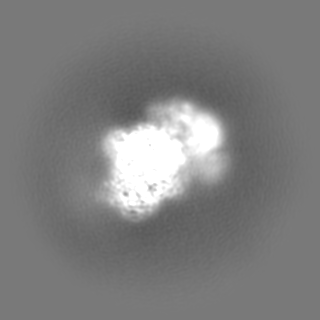
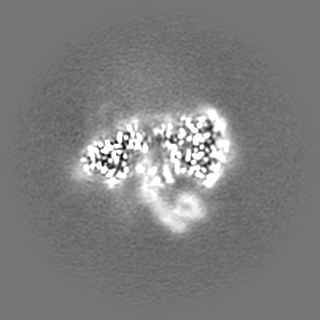
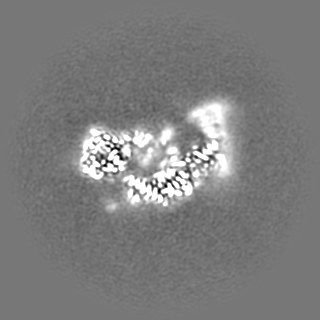
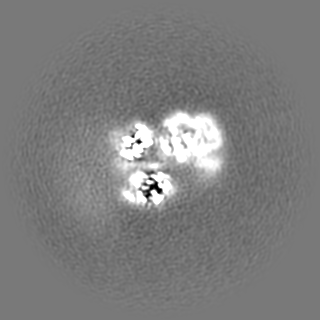
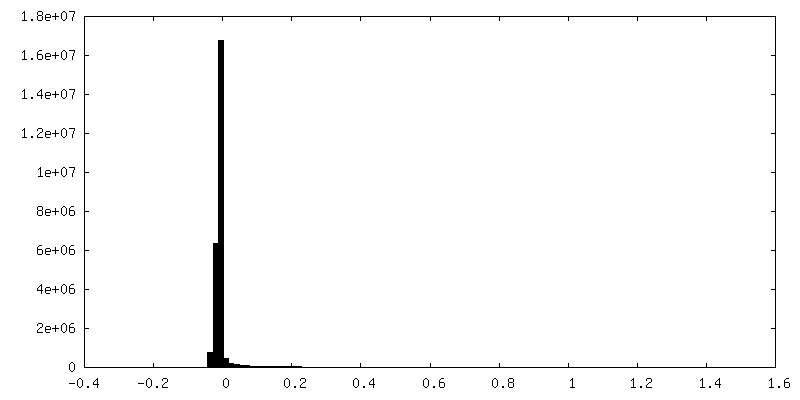
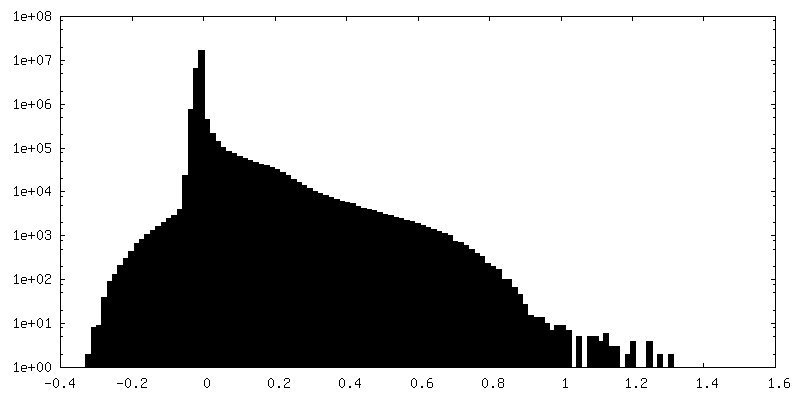
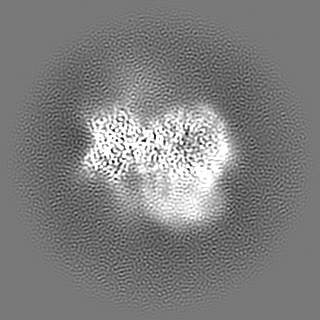
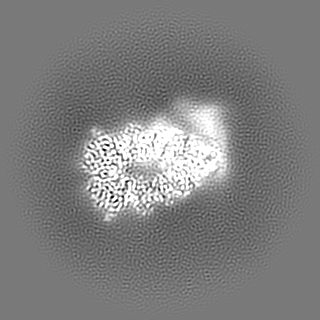
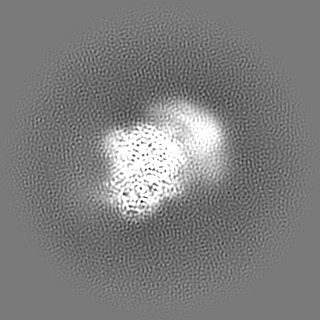
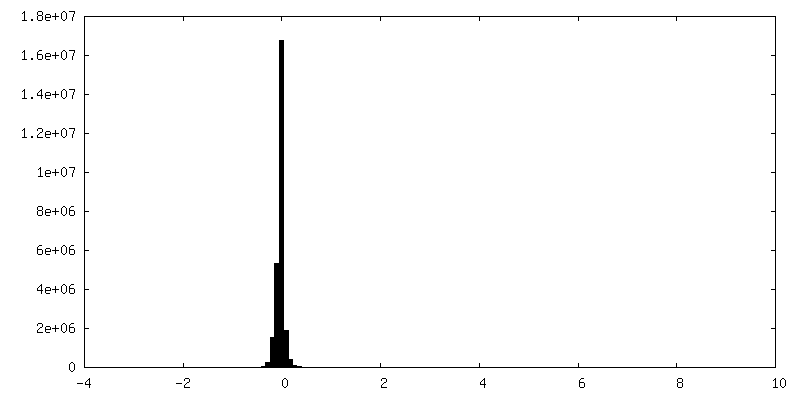
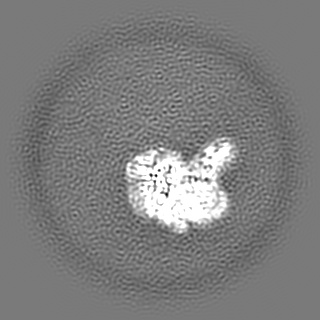
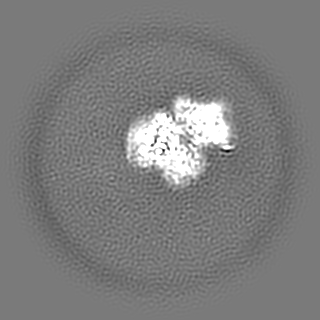
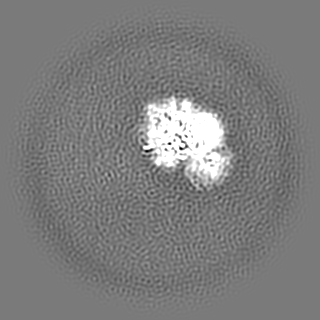
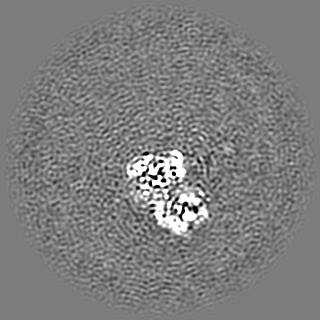
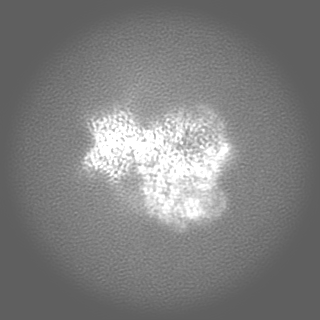
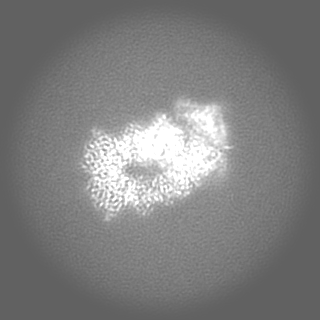
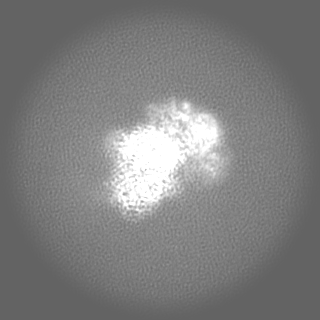
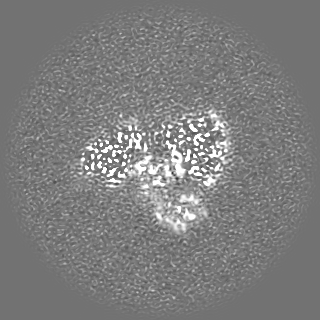
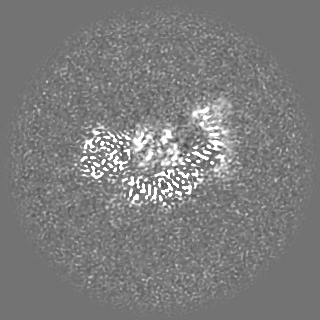
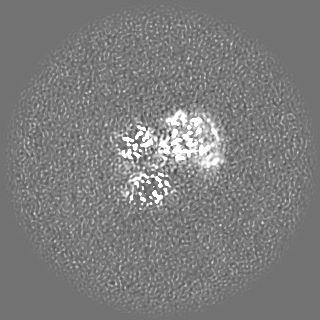
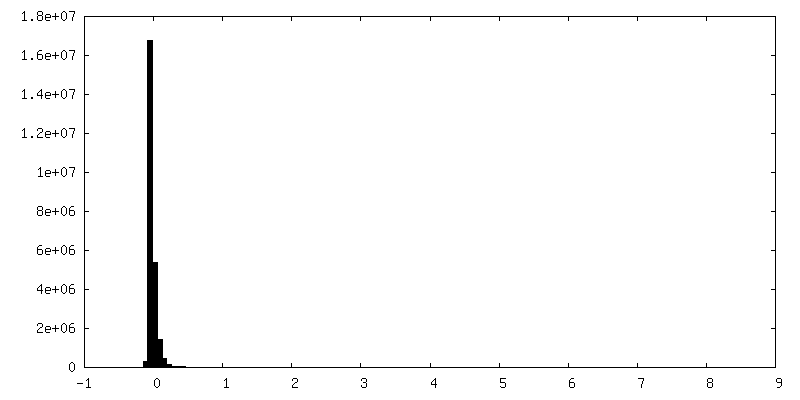
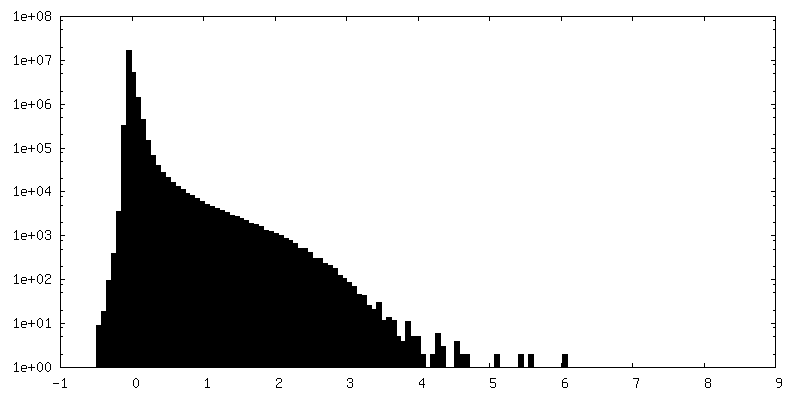
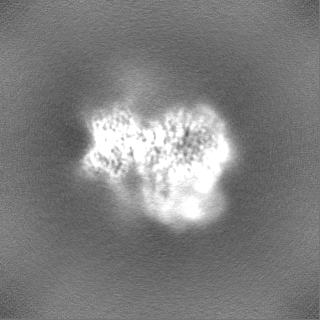
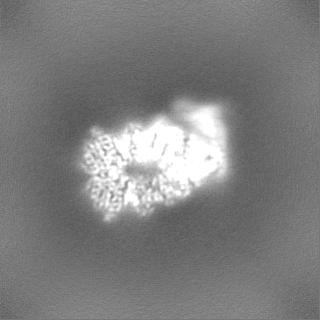
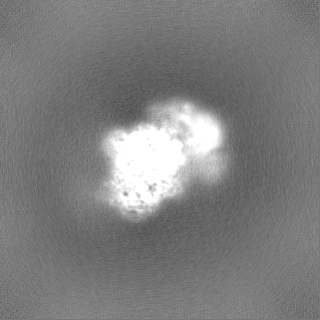
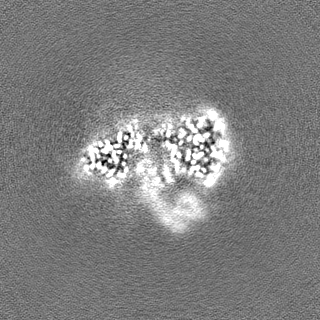
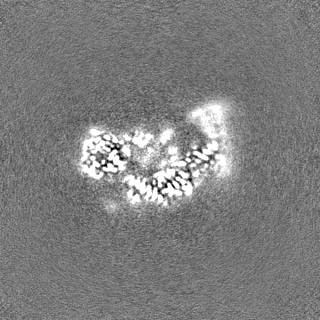
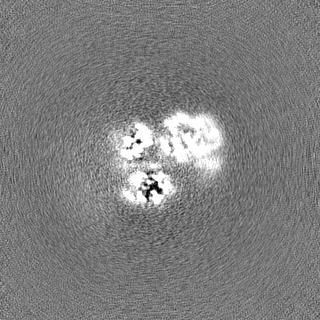
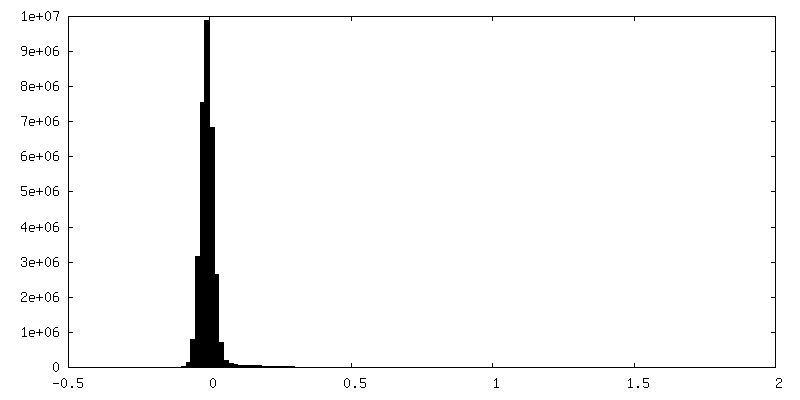
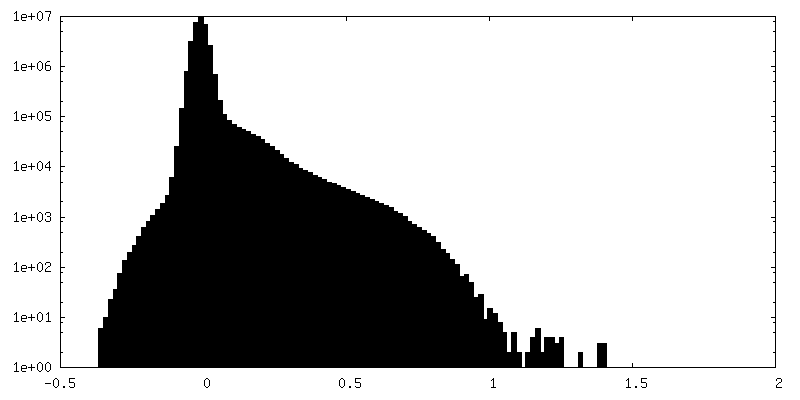
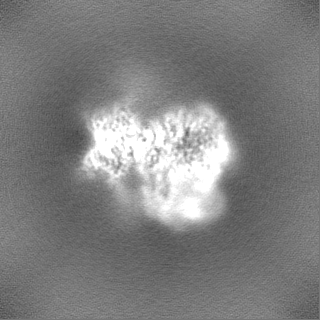
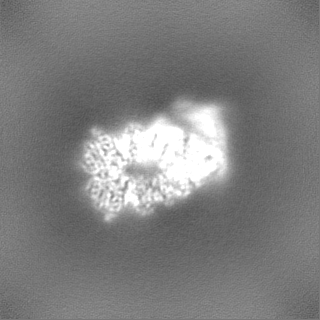
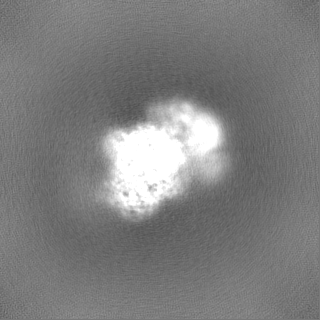
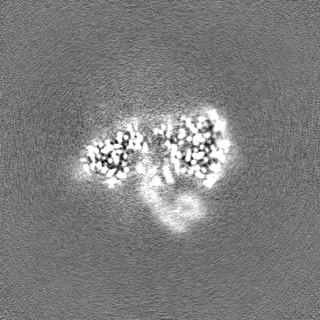
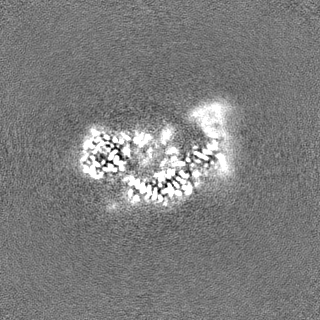
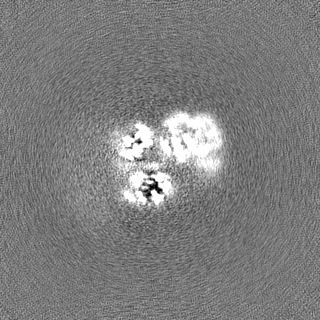
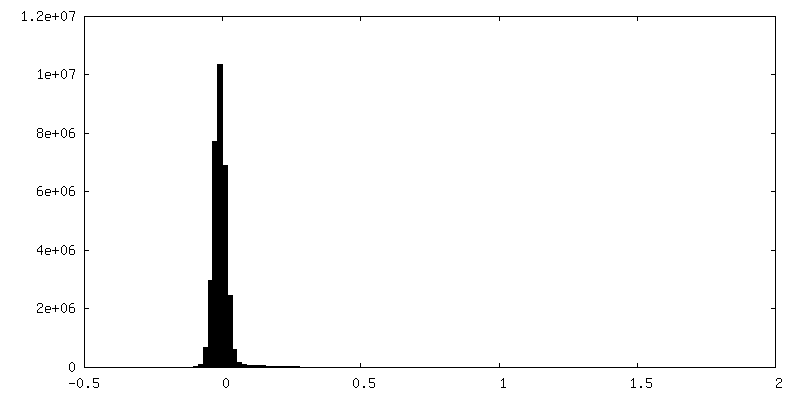
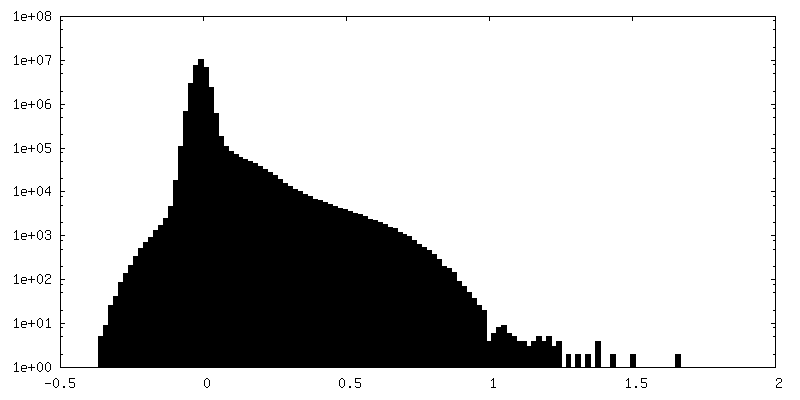
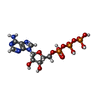
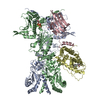
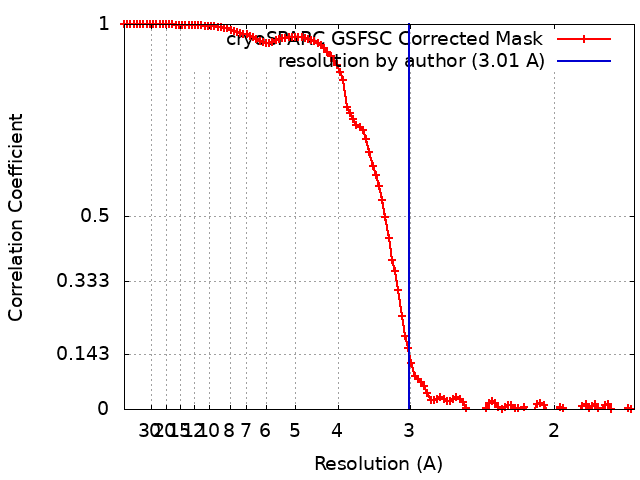
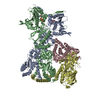
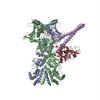
登録情報 データベース : EMDB / ID : EMD-29068 ダウンロードとリンクタイトル Cryo-EM structure of the GR-Hsp90-FKBP52 complex マップデータSharpened consensus GR-Hsp90-FKBP52 map 詳細 試料複合体 : Complex of the Glucocorticoid Receptor ligand binding domain, Hsp90 alpha dimer, and the co-chaperone FKBP52タンパク質・ペプチド : Heat shock protein HSP 90-alphaタンパク質・ペプチド : Glucocorticoid receptorタンパク質・ペプチド : Peptidyl-prolyl cis-trans isomerase FKBP4, N-terminally processedリガンド : ADENOSINE-5'-TRIPHOSPHATEリガンド : MAGNESIUM IONリガンド : DEXAMETHASONE 詳細 キーワード chaperone / steroid hormone receptor / ligand binding / ATP binding / protein folding機能・相同性 機能・相同性情報分子機能 ドメイン・相同性 構成要素
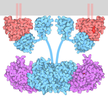
steroid hormone receptor complex assembly / negative regulation of microtubule polymerization or depolymerization / male sex differentiation / copper-dependent protein binding / Regulation of NPAS4 gene transcription / regulation of glucocorticoid biosynthetic process / nuclear glucocorticoid receptor activity / prostate gland development / steroid hormone binding / PTK6 Expression ... steroid hormone receptor complex assembly / negative regulation of microtubule polymerization or depolymerization / male sex differentiation / copper-dependent protein binding / Regulation of NPAS4 gene transcription / regulation of glucocorticoid biosynthetic process / nuclear glucocorticoid receptor activity / prostate gland development / steroid hormone binding / PTK6 Expression / glucocorticoid metabolic process / copper ion transport / neuroinflammatory response / response to cortisol / nuclear glucocorticoid receptor binding / mammary gland duct morphogenesis / microglia differentiation / astrocyte differentiation / maternal behavior / protein-containing complex localization / regulation of gluconeogenesis / adrenal gland development / cellular response to glucocorticoid stimulus / androgen receptor signaling pathway / sperm mitochondrial sheath / sulfonylurea receptor binding / CTP binding / positive regulation of protein polymerization / Scavenging by Class F Receptors / vRNP Assembly / UTP binding / dATP binding / cellular response to steroid hormone stimulus / sperm plasma membrane / chaperone-mediated autophagy / FK506 binding / mitochondrial transport / Respiratory syncytial virus genome replication / Rho GDP-dissociation inhibitor binding / telomerase holoenzyme complex assembly / Drug-mediated inhibition of ERBB2 signaling / Resistance of ERBB2 KD mutants to trastuzumab / Resistance of ERBB2 KD mutants to sapitinib / Resistance of ERBB2 KD mutants to tesevatinib / Resistance of ERBB2 KD mutants to neratinib / Resistance of ERBB2 KD mutants to osimertinib / Resistance of ERBB2 KD mutants to afatinib / Resistance of ERBB2 KD mutants to AEE788 / Resistance of ERBB2 KD mutants to lapatinib / Drug resistance in ERBB2 TMD/JMD mutants / Uptake and function of diphtheria toxin / protein import into mitochondrial matrix / dendritic growth cone / negative regulation of microtubule polymerization / TPR domain binding / PIWI-interacting RNA (piRNA) biogenesis / non-chaperonin molecular chaperone ATPase / Assembly and release of respiratory syncytial virus (RSV) virions / motor behavior / nuclear receptor-mediated steroid hormone signaling pathway / protein unfolding / Sema3A PAK dependent Axon repulsion / regulation of protein ubiquitination / estrogen response element binding / positive regulation of cell size / HSF1-dependent transactivation / protein folding chaperone complex / response to unfolded protein / cellular response to dexamethasone stimulus / regulation of protein-containing complex assembly / FOXO-mediated transcription of oxidative stress, metabolic and neuronal genes / Attenuation phase / enzyme-substrate adaptor activity / HSF1 activation / cellular response to transforming growth factor beta stimulus / neurofibrillary tangle assembly / chaperone-mediated protein complex assembly / axonal growth cone / RHOBTB2 GTPase cycle / telomere maintenance via telomerase / regulation of postsynaptic membrane neurotransmitter receptor levels / core promoter sequence-specific DNA binding / nitric oxide metabolic process / positive regulation of lamellipodium assembly / steroid binding / skeletal muscle contraction / positive regulation of defense response to virus by host / Signaling by ERBB2 / eNOS activation / Tetrahydrobiopterin (BH4) synthesis, recycling, salvage and regulation / positive regulation of telomere maintenance via telomerase / response to salt stress / cardiac muscle cell apoptotic process / heat shock protein binding / endocytic vesicle lumen / DNA polymerase binding / positive regulation of cardiac muscle contraction / Loss of Nlp from mitotic centrosomes / Loss of proteins required for interphase microtubule organization from the centrosome / Recruitment of mitotic centrosome proteins and complexes 類似検索 - 分子機能 Tetratricopeptide repeat 2 / Tetratricopeptide repeat / Glucocorticoid receptor / Glucocorticoid receptor / : / Tetratricopeptide repeat / Heat shock protein Hsp90, conserved site / Heat shock hsp90 proteins family signature. / HSP90, C-terminal domain / Heat shock protein Hsp90, N-terminal ... Tetratricopeptide repeat 2 / Tetratricopeptide repeat / Glucocorticoid receptor / Glucocorticoid receptor / : / Tetratricopeptide repeat / Heat shock protein Hsp90, conserved site / Heat shock hsp90 proteins family signature. / HSP90, C-terminal domain / Heat shock protein Hsp90, N-terminal / Heat shock protein Hsp90 family / Hsp90 protein / : / Histidine kinase-, DNA gyrase B-, and HSP90-like ATPase / FKBP-type peptidyl-prolyl cis-trans isomerase / FKBP-type peptidyl-prolyl cis-trans isomerase domain / FKBP-type peptidyl-prolyl cis-trans isomerase domain profile. / TPR repeat region circular profile. / Peptidyl-prolyl cis-trans isomerase domain superfamily / TPR repeat profile. / Tetratricopeptide repeats / Tetratricopeptide repeat / Histidine kinase-like ATPases / Histidine kinase/HSP90-like ATPase / Histidine kinase/HSP90-like ATPase superfamily / Nuclear hormone receptor / Nuclear hormones receptors DNA-binding region signature. / Zinc finger, nuclear hormone receptor-type / Double treble clef zinc finger, C4 type / Nuclear hormone receptors DNA-binding domain profile. / c4 zinc finger in nuclear hormone receptors / Nuclear hormone receptor, ligand-binding domain / Nuclear hormone receptor-like domain superfamily / Ligand-binding domain of nuclear hormone receptor / Nuclear receptor (NR) ligand-binding (LBD) domain profile. / Ligand binding domain of hormone receptors / Zinc finger, NHR/GATA-type / Tetratricopeptide-like helical domain superfamily / Ribosomal protein S5 domain 2-type fold 類似検索 - ドメイン・相同性 Glucocorticoid receptor / Heat shock protein HSP 90-alpha / Peptidyl-prolyl cis-trans isomerase FKBP4 類似検索 - 構成要素生物種 Homo sapiens (ヒト)手法 単粒子再構成法 / クライオ電子顕微鏡法 / 解像度 : 3.01 Å 詳細 データ登録者Noddings CM / Agard DA 資金援助 米国, 1件 詳細 詳細を隠すOrganization Grant number 国 National Institutes of Health/National Institute of General Medical Sciences (NIH/NIGMS) GM118099 米国

引用ジャーナル : Nat Struct Mol Biol / 年 : 2023タイトル : Cryo-EM reveals how Hsp90 and FKBP immunophilins co-regulate the glucocorticoid receptor.著者 : Chari M Noddings / Jill L Johnson / David A Agard / 要旨 : Hsp90 is an essential molecular chaperone responsible for the folding and activation of hundreds of 'client' proteins, including the glucocorticoid receptor (GR). Previously, we revealed that Hsp70 ... Hsp90 is an essential molecular chaperone responsible for the folding and activation of hundreds of 'client' proteins, including the glucocorticoid receptor (GR). Previously, we revealed that Hsp70 and Hsp90 remodel the conformation of GR to regulate ligand binding, aided by co-chaperones. In vivo, the co-chaperones FKBP51 and FKBP52 antagonistically regulate GR activity, but a molecular understanding is lacking. Here we present a 3.01 Å cryogenic electron microscopy structure of the human GR:Hsp90:FKBP52 complex, revealing how FKBP52 integrates into the GR chaperone cycle and directly binds to the active client, potentiating GR activity in vitro and in vivo. We also present a 3.23 Å cryogenic electron microscopy structure of the human GR:Hsp90:FKBP51 complex, revealing how FKBP51 competes with FKBP52 for GR:Hsp90 binding and demonstrating how FKBP51 can act as a potent antagonist to FKBP52. Altogether, we demonstrate how FKBP51 and FKBP52 integrate into the GR chaperone cycle to advance GR to the next stage of maturation. 履歴 登録 2022年12月10日 - ヘッダ(付随情報) 公開 2023年11月1日 - マップ公開 2023年11月1日 - 更新 2023年12月20日 - 現状 2023年12月20日 処理サイト : RCSB / 状態 : 公開
すべて表示 表示を減らす