adenyl-nucleotide exchange factor activity / cotranslational protein targeting to membrane / negative regulation of beige fat cell differentiation / cullin-RING-type E3 NEDD8 transferase / NEDD8 transferase activity / negative regulation of mitophagy / cullin-RING ubiquitin ligase complex / regulation of xenophagy / target-directed miRNA degradation / Loss of Function of FBXW7 in Cancer and NOTCH1 Signaling ...adenyl-nucleotide exchange factor activity / cotranslational protein targeting to membrane / negative regulation of beige fat cell differentiation / cullin-RING-type E3 NEDD8 transferase / NEDD8 transferase activity / negative regulation of mitophagy / cullin-RING ubiquitin ligase complex / regulation of xenophagy / target-directed miRNA degradation / Loss of Function of FBXW7 in Cancer and NOTCH1 Signaling / cellular response to chemical stress / Cul7-RING ubiquitin ligase complex / elongin complex / regulation of cell cycle process / neural crest cell differentiation / RNA polymerase II transcription initiation surveillance / positive regulation of protein autoubiquitination / protein neddylation / regulation of BMP signaling pathway / NEDD8 ligase activity / regulation of mitophagy / negative regulation of response to oxidative stress / regulation of centrosome duplication / protein K27-linked ubiquitination / VCB complex / Cul5-RING ubiquitin ligase complex / E2 ubiquitin-conjugating enzyme / regulation of TOR signaling / ubiquitin-ubiquitin ligase activity / ubiquitin-dependent protein catabolic process via the C-end degron rule pathway / Cul2-RING ubiquitin ligase complex / SCF ubiquitin ligase complex / negative regulation of DNA-templated DNA replication / regulation of mitotic cytokinesis / Cul3-RING ubiquitin ligase complex / regulation of DNA damage checkpoint / negative regulation of type I interferon production / regulation of miRNA-mediated gene silencing / regulation of natural killer cell activation / SCF-dependent proteasomal ubiquitin-dependent protein catabolic process / Prolactin receptor signaling / regulation of cell cycle phase transition / Cul4A-RING E3 ubiquitin ligase complex / Cul4-RING E3 ubiquitin ligase complex / regulation of stem cell population maintenance / Cul4B-RING E3 ubiquitin ligase complex / ubiquitin ligase complex scaffold activity / ubiquitin conjugating enzyme activity / negative regulation of adipose tissue development / Pausing and recovery of Tat-mediated HIV elongation / Tat-mediated HIV elongation arrest and recovery / regulation of cellular response to stress / limb development / HIV elongation arrest and recovery / Pausing and recovery of HIV elongation / protein monoubiquitination / cullin family protein binding / Tat-mediated elongation of the HIV-1 transcript / ubiquitin ligase complex / Formation of HIV-1 elongation complex containing HIV-1 Tat / centrosome duplication / regulation of DNA-templated DNA replication initiation / Formation of HIV elongation complex in the absence of HIV Tat / cilium assembly / ubiquitin-like ligase-substrate adaptor activity / RNA Polymerase II Transcription Elongation / Formation of RNA Pol II elongation complex / intrinsic apoptotic signaling pathway / ribosome-associated ubiquitin-dependent protein catabolic process / signal transduction in response to DNA damage / negative regulation of insulin receptor signaling pathway / Nuclear events stimulated by ALK signaling in cancer / RNA Polymerase II Pre-transcription Events / protein K48-linked ubiquitination / regulation of cellular response to insulin stimulus / positive regulation of TORC1 signaling / Maturation of protein E / Maturation of protein E / transcription-coupled nucleotide-excision repair / post-translational protein modification / ER Quality Control Compartment (ERQC) / Myoclonic epilepsy of Lafora / FLT3 signaling by CBL mutants / IRAK2 mediated activation of TAK1 complex / Alpha-protein kinase 1 signaling pathway / Glycogen synthesis / IRAK1 recruits IKK complex / IRAK1 recruits IKK complex upon TLR7/8 or 9 stimulation / Prevention of phagosomal-lysosomal fusion / cellular response to amino acid stimulus / Endosomal Sorting Complex Required For Transport (ESCRT) / regulation of embryonic development / Membrane binding and targetting of GAG proteins / Regulation of TBK1, IKKε (IKBKE)-mediated activation of IRF3, IRF7 / Negative regulation of FLT3 / PTK6 Regulates RTKs and Their Effectors AKT1 and DOK1 / Regulation of TBK1, IKKε-mediated activation of IRF3, IRF7 upon TLR3 ligation / IRAK2 mediated activation of TAK1 complex upon TLR7/8 or 9 stimulation / Constitutive Signaling by NOTCH1 HD Domain Mutants / NOTCH2 Activation and Transmission of Signal to the Nucleus Similarity search - Function
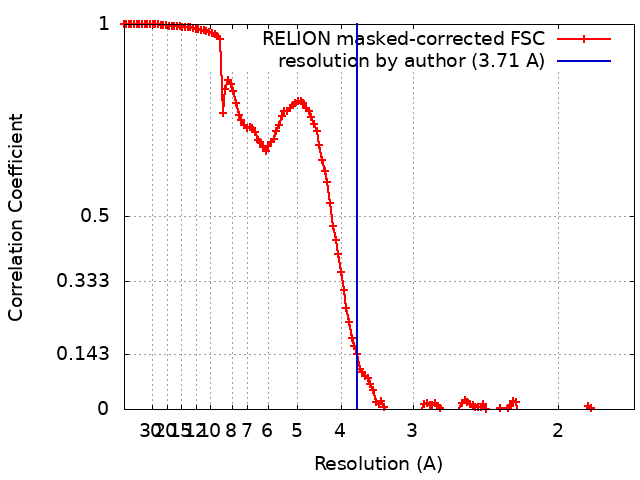
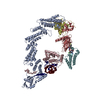
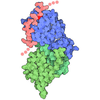
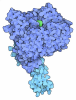
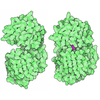
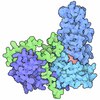
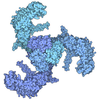
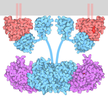
Journal: Mol Cell / Year: 2024 Title: Cullin-RING ligases employ geometrically optimized catalytic partners for substrate targeting. Authors: Jerry Li / Nicholas Purser / Joanna Liwocha / Daniel C Scott / Holly A Byers / Barbara Steigenberger / Spencer Hill / Ishita Tripathi-Giesgen / Trent Hinkle / Fynn M Hansen / J Rajan Prabu / ...Authors: Jerry Li / Nicholas Purser / Joanna Liwocha / Daniel C Scott / Holly A Byers / Barbara Steigenberger / Spencer Hill / Ishita Tripathi-Giesgen / Trent Hinkle / Fynn M Hansen / J Rajan Prabu / Senthil K Radhakrishnan / Donald S Kirkpatrick / Kurt M Reichermeier / Brenda A Schulman / Gary Kleiger / Abstract: Cullin-RING ligases (CRLs) ubiquitylate specific substrates selected from other cellular proteins. Substrate discrimination and ubiquitin transferase activity were thought to be strictly separated. ...Cullin-RING ligases (CRLs) ubiquitylate specific substrates selected from other cellular proteins. Substrate discrimination and ubiquitin transferase activity were thought to be strictly separated. Substrates are recognized by substrate receptors, such as Fbox or BCbox proteins. Meanwhile, CRLs employ assorted ubiquitin-carrying enzymes (UCEs, which are a collection of E2 and ARIH-family E3s) specialized for either initial substrate ubiquitylation (priming) or forging poly-ubiquitin chains. We discovered specific human CRL-UCE pairings governing substrate priming. The results reveal pairing of CUL2-based CRLs and UBE2R-family UCEs in cells, essential for efficient PROTAC-induced neo-substrate degradation. Despite UBE2R2's intrinsic programming to catalyze poly-ubiquitylation, CUL2 employs this UCE for geometrically precise PROTAC-dependent ubiquitylation of a neo-substrate and for rapid priming of substrates recruited to diverse receptors. Cryo-EM structures illuminate how CUL2-based CRLs engage UBE2R2 to activate substrate ubiquitylation. Thus, pairing with a specific UCE overcomes E2 catalytic limitations to drive substrate ubiquitylation and targeted protein degradation.
In the structure databanks used in Yorodumi, some data are registered as the other names, "COVID-19 virus" and "2019-nCoV". Here are the details of the virus and the list of structure data.
Jan 31, 2019. EMDB accession codes are about to change! (news from PDBe EMDB page)
EMDB accession codes are about to change! (news from PDBe EMDB page)
The allocation of 4 digits for EMDB accession codes will soon come to an end. Whilst these codes will remain in use, new EMDB accession codes will include an additional digit and will expand incrementally as the available range of codes is exhausted. The current 4-digit format prefixed with “EMD-” (i.e. EMD-XXXX) will advance to a 5-digit format (i.e. EMD-XXXXX), and so on. It is currently estimated that the 4-digit codes will be depleted around Spring 2019, at which point the 5-digit format will come into force.
The EM Navigator/Yorodumi systems omit the EMD- prefix.
Related info.:Q: What is EMD? / ID/Accession-code notation in Yorodumi/EM Navigator
Yorodumi is a browser for structure data from EMDB, PDB, SASBDB, etc.
This page is also the successor to EM Navigator detail page, and also detail information page/front-end page for Omokage search.
The word "yorodu" (or yorozu) is an old Japanese word meaning "ten thousand". "mi" (miru) is to see.
Related info.:EMDB / PDB / SASBDB / Comparison of 3 databanks / Yorodumi Search / Aug 31, 2016. New EM Navigator & Yorodumi / Yorodumi Papers / Jmol/JSmol / Function and homology information / Changes in new EM Navigator and Yorodumi
 Movie
Movie Controller

 Yorodumi
 Open data
 Basic information
 Map data
 Sample
 Keywords
 Function and homology information
 Homo sapiens (human)
 Authors
 Germany, 1 items
  Citation
 Structure visualization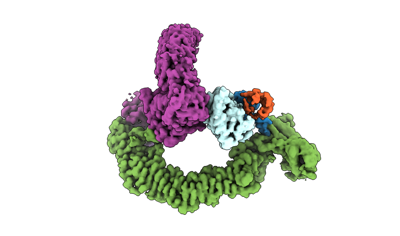
 Downloads & links
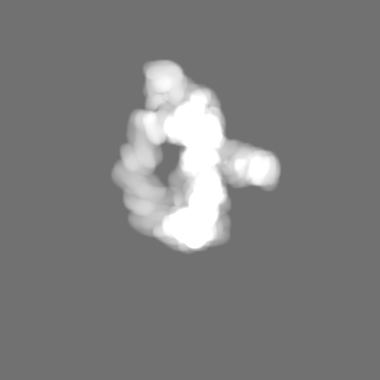
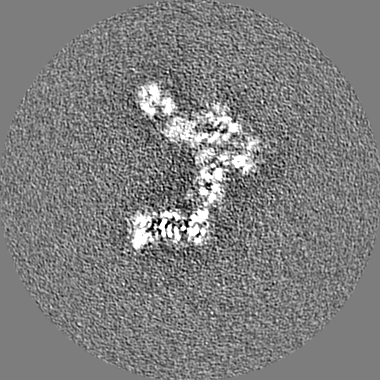
 emd_18230.png
 https://data.pdbj.org/pub/emdb/structures/EMD-18230






 Z (Sec.)
 Y (Row.)
 X (Col.)





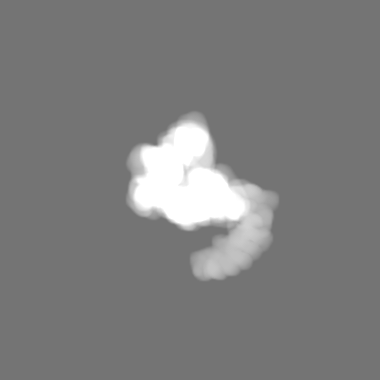
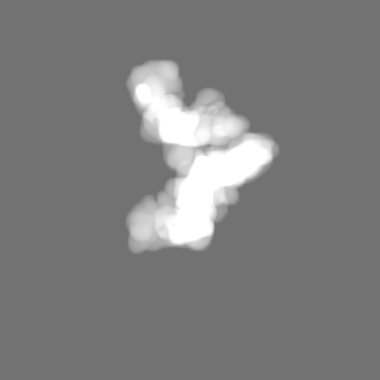


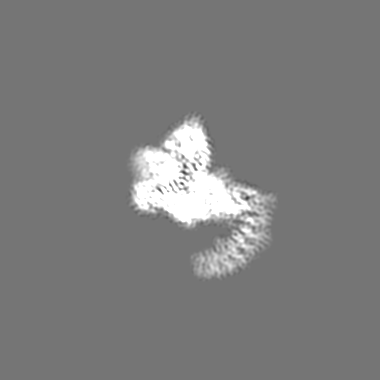
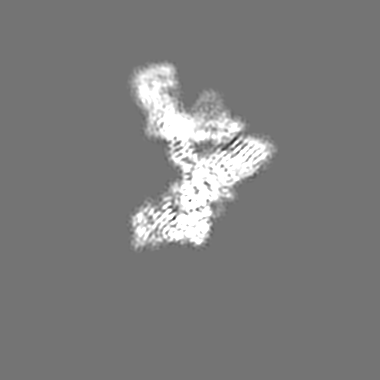
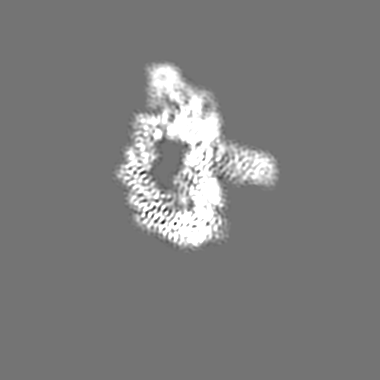
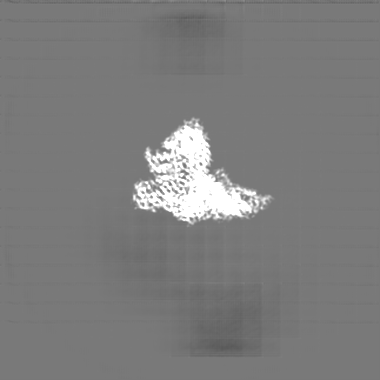
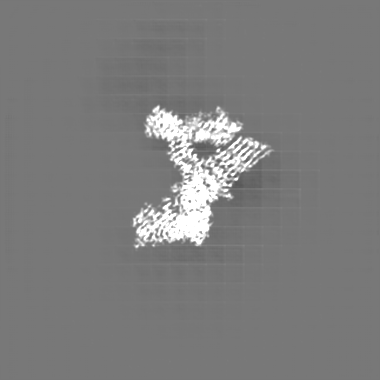
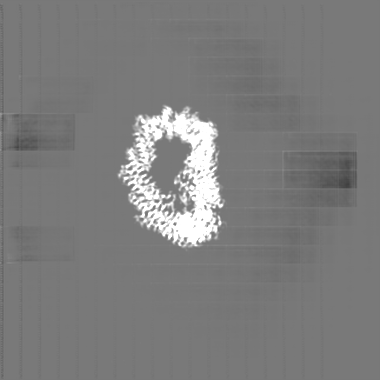
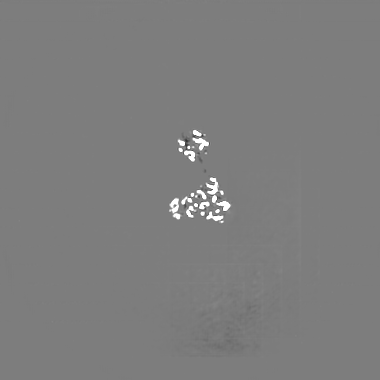
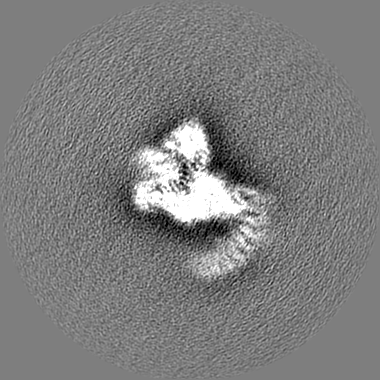
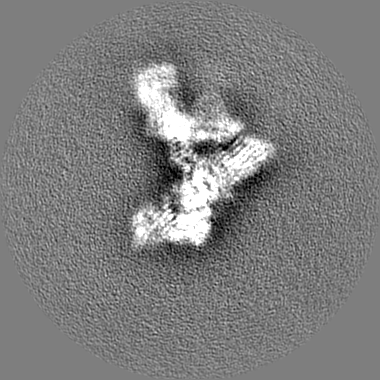
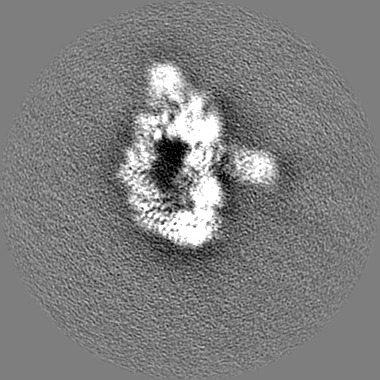
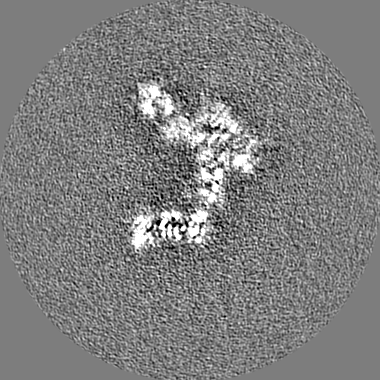
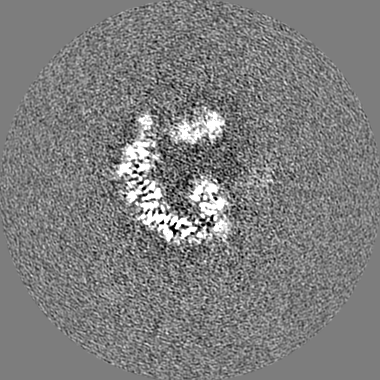
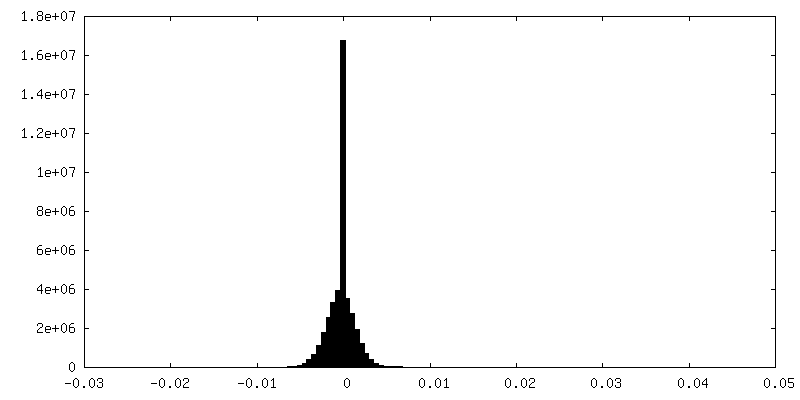
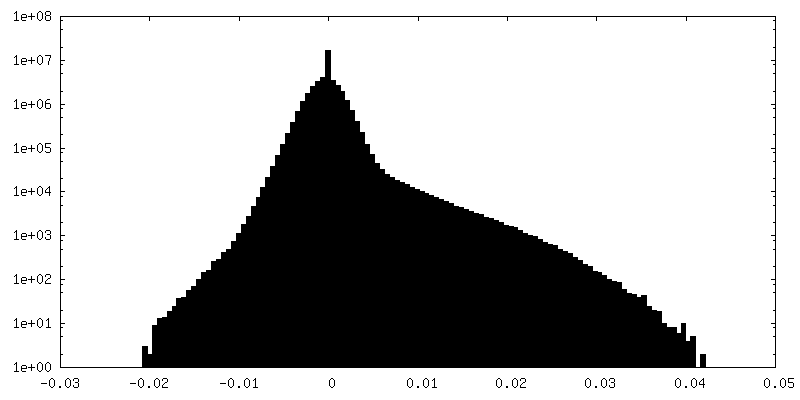
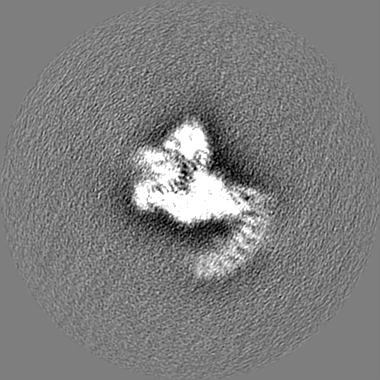
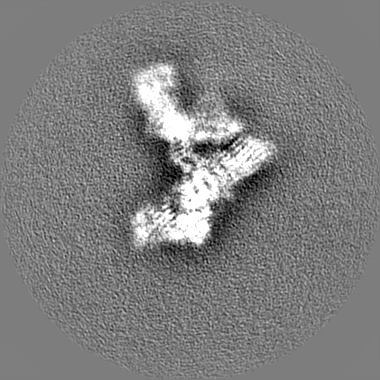
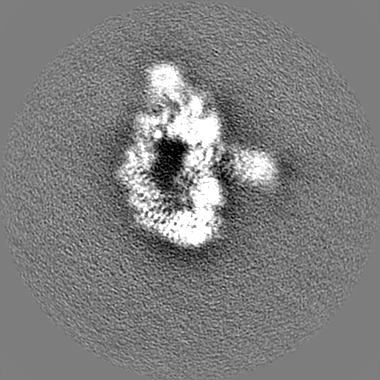

 Sample components
 Trichoplusia ni (cabbage looper)
 Escherichia coli BL21 (bacteria)
 Processing
 Electron microscopy
 FIELD EMISSION GUN