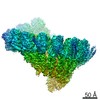
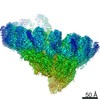
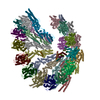
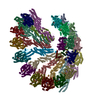
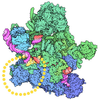
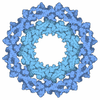
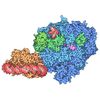
Complex: Recombinant human gamma-tubulin ring complex
Protein or peptide: Tubulin gamma-1 chain
Protein or peptide: Gamma-tubulin complex component 3
Protein or peptide: Gamma-tubulin complex component 6
Protein or peptide: Mitotic-spindle organizing protein 1
Protein or peptide: Actin, cytoplasmic 1
Protein or peptide: Gamma-tubulin complex component 2
Protein or peptide: Gamma-tubulin complex component 4
Protein or peptide: Gamma-tubulin complex component 5
Ligand: GUANOSINE-5'-DIPHOSPHATE
Keywords
microtubule organizing center / microtubule / gamma-tubulin ring complex / gamma-tubulin small complex / spindle organization / microtubule nucleation / CELL CYCLE
Function / homology
Function and homology information
microtubule nucleation by interphase microtubule organizing center / gamma-tubulin complex localization / microtubule nucleator activity / polar microtubule / positive regulation of norepinephrine uptake / gamma-tubulin complex / interphase microtubule organizing center / gamma-tubulin ring complex / mitotic spindle microtubule / cellular response to cytochalasin B ...microtubule nucleation by interphase microtubule organizing center / gamma-tubulin complex localization / microtubule nucleator activity / polar microtubule / positive regulation of norepinephrine uptake / gamma-tubulin complex / interphase microtubule organizing center / gamma-tubulin ring complex / mitotic spindle microtubule / cellular response to cytochalasin B / Formation of the embryonic stem cell BAF (esBAF) complex / regulation of transepithelial transport / Formation of the canonical BAF (cBAF) complex / morphogenesis of a polarized epithelium / Formation of annular gap junctions / Formation of the dystrophin-glycoprotein complex (DGC) / Formation of the polybromo-BAF (pBAF) complex / structural constituent of postsynaptic actin cytoskeleton / Gap junction degradation / GBP-mediated host defense / Formation of neuronal progenitor and neuronal BAF (npBAF and nBAF) / protein localization to adherens junction / Formation of the non-canonical BAF (ncBAF) complex / Cell-extracellular matrix interactions / regulation of G0 to G1 transition / dense body / Tat protein binding / Folding of actin by CCT/TriC / gamma-tubulin binding / postsynaptic actin cytoskeleton / Regulation of CDH1 Function / non-motile cilium / meiotic spindle organization / apical protein localization / Adherens junctions interactions / microtubule nucleation / Prefoldin mediated transfer of substrate to CCT/TriC / RHOF GTPase cycle / adherens junction assembly / regulation of double-strand break repair / Sensory processing of sound by outer hair cells of the cochlea / single fertilization / tight junction / Sensory processing of sound by inner hair cells of the cochlea / regulation of mitotic metaphase/anaphase transition / positive regulation of T cell differentiation / maintenance of blood-brain barrier / Interaction between L1 and Ankyrins / apical junction complex / regulation of nucleotide-excision repair / positive regulation of stem cell population maintenance / pericentriolar material / NuA4 histone acetyltransferase complex / regulation of norepinephrine uptake / transporter regulator activity / cell leading edge / Recycling pathway of L1 / positive regulation of double-strand break repair / cortical cytoskeleton / Regulation of MITF-M-dependent genes involved in pigmentation / mitotic sister chromatid segregation / negative regulation of cell differentiation / establishment or maintenance of cell polarity / microtubule organizing center / nitric-oxide synthase binding / brush border / EPH-ephrin mediated repulsion of cells / mitotic spindle assembly / regulation of synaptic vesicle endocytosis / RHO GTPases Activate WASPs and WAVEs / positive regulation of myoblast differentiation / kinesin binding / regulation of protein localization to plasma membrane / RHO GTPases activate IQGAPs / spindle assembly / positive regulation of double-strand break repair via homologous recombination / cytoplasmic microtubule / regulation of G1/S transition of mitotic cell cycle / axonogenesis / cytoskeleton organization / cytoplasmic microtubule organization / EPHB-mediated forward signaling / Loss of Nlp from mitotic centrosomes / Loss of proteins required for interphase microtubule organization from the centrosome / Recruitment of mitotic centrosome proteins and complexes / centriole / Recruitment of NuMA to mitotic centrosomes / Anchoring of the basal body to the plasma membrane / substantia nigra development / AURKA Activation by TPX2 / calyx of Held / cell motility / nitric-oxide synthase regulator activity / mitotic spindle organization / condensed nuclear chromosome / brain development / FCGR3A-mediated phagocytosis / actin filament / Translocation of SLC2A4 (GLUT4) to the plasma membrane / adherens junction Similarity search - Function
Spanish Ministry of Science, Innovation, and Universities
SAF2017-82632-P
Spain
Other government
Y2018/BIO4747
Spain
Other government
P2018/NMT4443
Spain
Citation
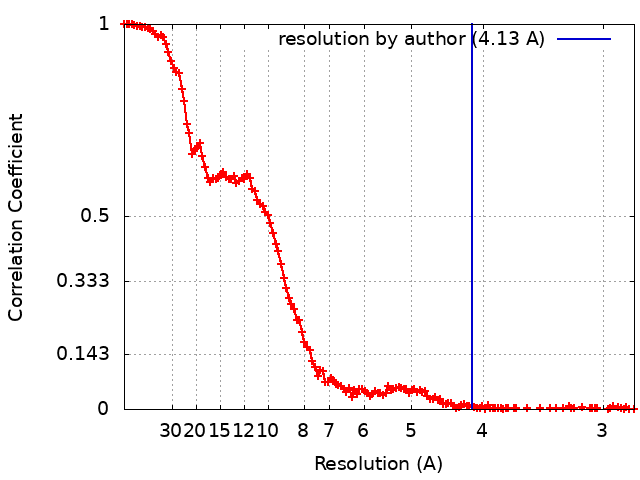
Journal: Sci Adv / Year: 2020 Title: Assembly of the asymmetric human γ-tubulin ring complex by RUVBL1-RUVBL2 AAA ATPase. Authors: Fabian Zimmermann / Marina Serna / Artur Ezquerra / Rafael Fernandez-Leiro / Oscar Llorca / Jens Luders / Abstract: The microtubule nucleator γ-tubulin ring complex (γTuRC) is essential for the function of microtubule organizing centers such as the centrosome. Since its discovery over two decades ago, γTuRC has ...The microtubule nucleator γ-tubulin ring complex (γTuRC) is essential for the function of microtubule organizing centers such as the centrosome. Since its discovery over two decades ago, γTuRC has evaded in vitro reconstitution and thus detailed structure-function studies. Here, we show that a complex of RuvB-like protein 1 (RUVBL1) and RUVBL2 "RUVBL" controls assembly and composition of γTuRC in human cells. Likewise, RUVBL assembles γTuRC from a minimal set of core subunits in a heterologous coexpression system. RUVBL interacts with γTuRC subcomplexes but is not part of fully assembled γTuRC. Purified, reconstituted γTuRC has nucleation activity and resembles native γTuRC as revealed by its cryo-electron microscopy (cryo-EM) structure at ~4.0-Å resolution. We further use cryo-EM to identify features that determine the intricate, higher-order γTuRC architecture. Our work finds RUVBL as an assembly factor that regulates γTuRC in cells and allows production of recombinant γTuRC for future in-depth mechanistic studies.
History
Deposition
Oct 26, 2020
-
Header (metadata) release
Jan 20, 2021
-
Map release
Jan 20, 2021
-
Update
May 1, 2024
-
Current status
May 1, 2024
Processing site: PDBe / Status: Released
-
Structure visualization
Movie
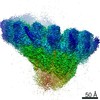
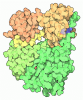
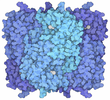
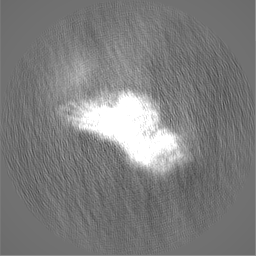
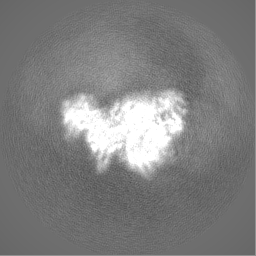
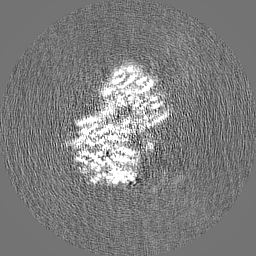
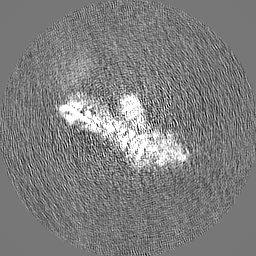
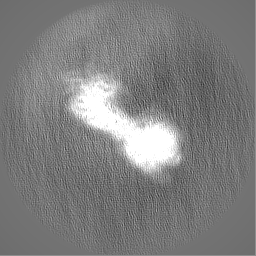
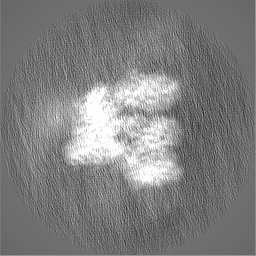
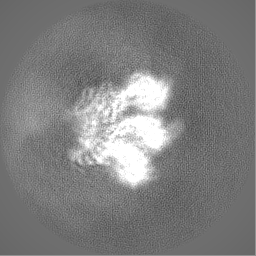
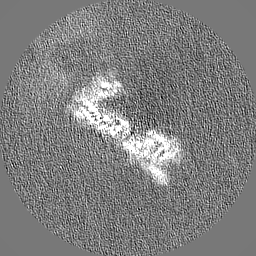
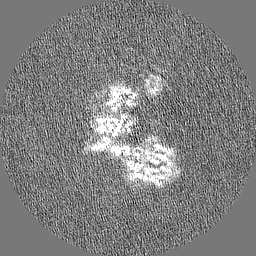
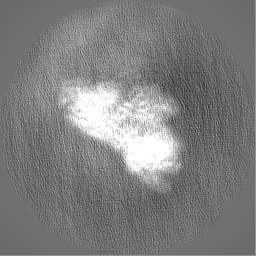
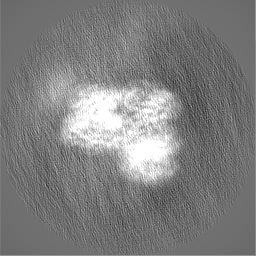
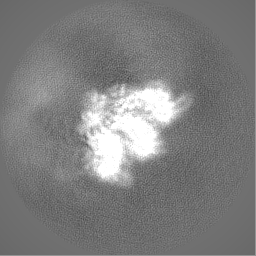
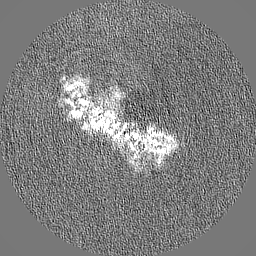
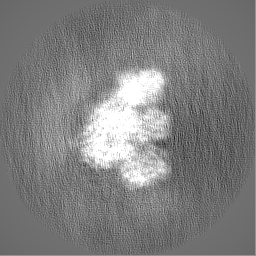
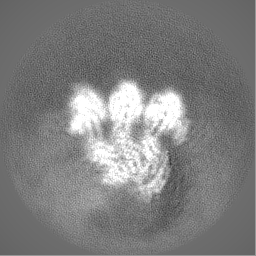
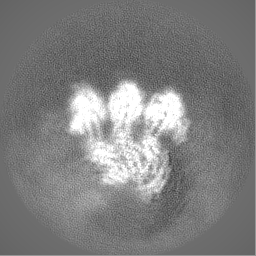
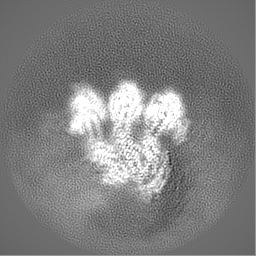
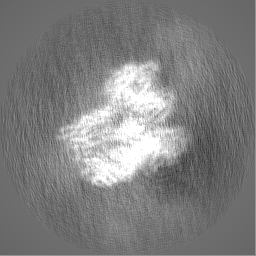
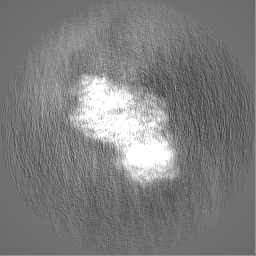
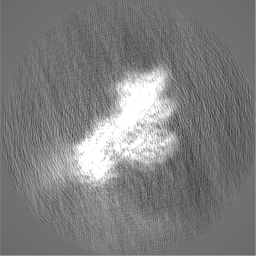
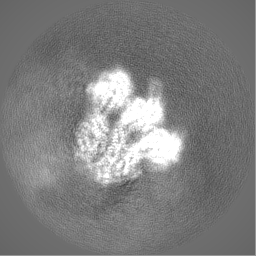
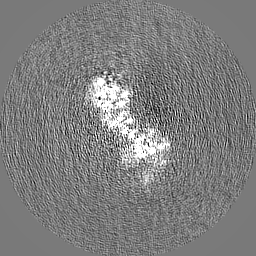
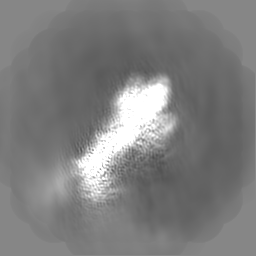
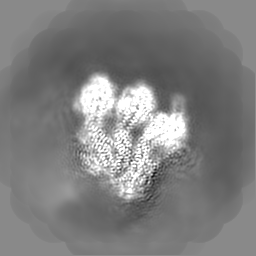
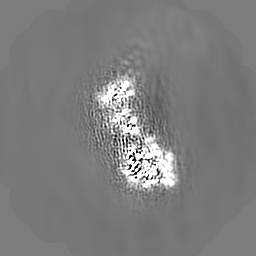
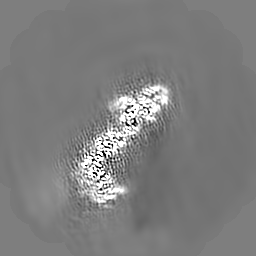
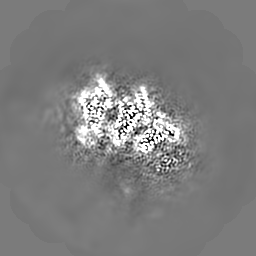
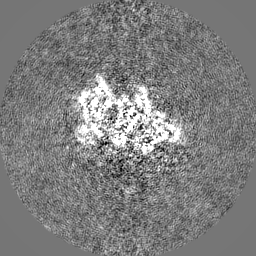
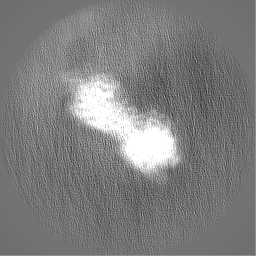
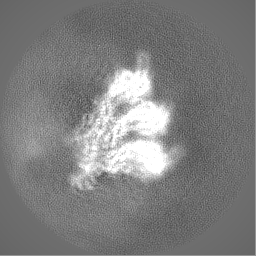
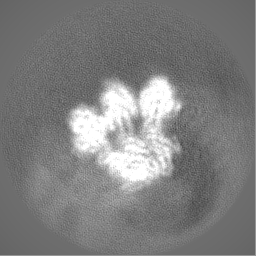
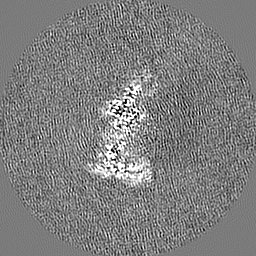
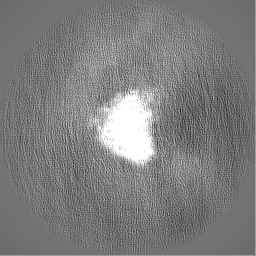
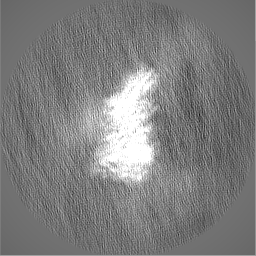
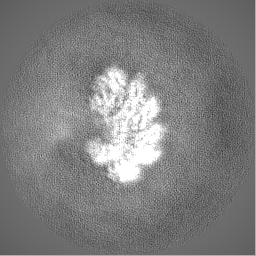
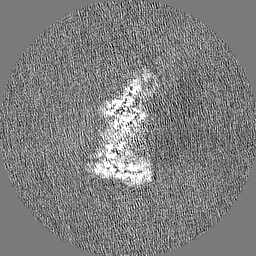
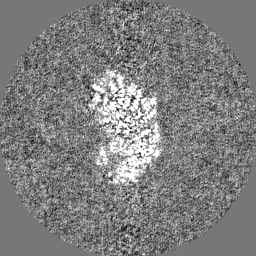
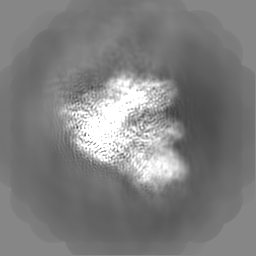
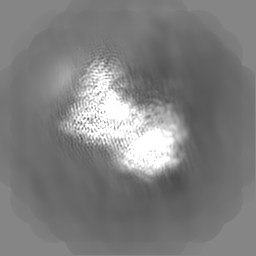
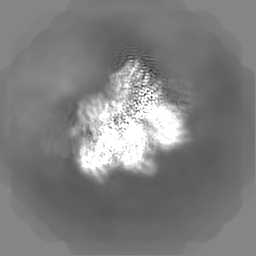
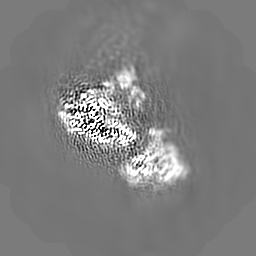
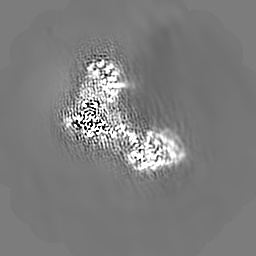
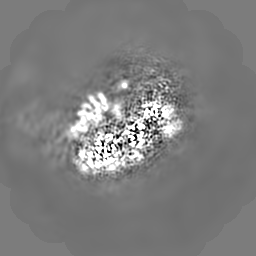
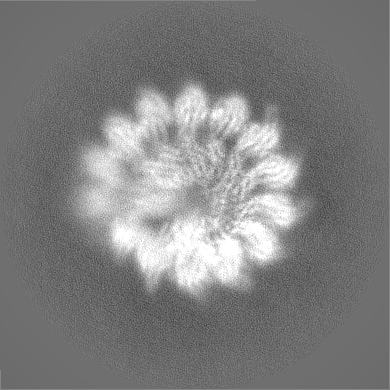
Surface view with section colored by density value
In the structure databanks used in Yorodumi, some data are registered as the other names, "COVID-19 virus" and "2019-nCoV". Here are the details of the virus and the list of structure data.
Jan 31, 2019. EMDB accession codes are about to change! (news from PDBe EMDB page)
EMDB accession codes are about to change! (news from PDBe EMDB page)
The allocation of 4 digits for EMDB accession codes will soon come to an end. Whilst these codes will remain in use, new EMDB accession codes will include an additional digit and will expand incrementally as the available range of codes is exhausted. The current 4-digit format prefixed with “EMD-” (i.e. EMD-XXXX) will advance to a 5-digit format (i.e. EMD-XXXXX), and so on. It is currently estimated that the 4-digit codes will be depleted around Spring 2019, at which point the 5-digit format will come into force.
The EM Navigator/Yorodumi systems omit the EMD- prefix.
Related info.:Q: What is EMD? / ID/Accession-code notation in Yorodumi/EM Navigator
Yorodumi is a browser for structure data from EMDB, PDB, SASBDB, etc.
This page is also the successor to EM Navigator detail page, and also detail information page/front-end page for Omokage search.
The word "yorodu" (or yorozu) is an old Japanese word meaning "ten thousand". "mi" (miru) is to see.
Related info.:EMDB / PDB / SASBDB / Comparison of 3 databanks / Yorodumi Search / Aug 31, 2016. New EM Navigator & Yorodumi / Yorodumi Papers / Jmol/JSmol / Function and homology information / Changes in new EM Navigator and Yorodumi
 Movie
Movie Controller


 Open data
 Basic information
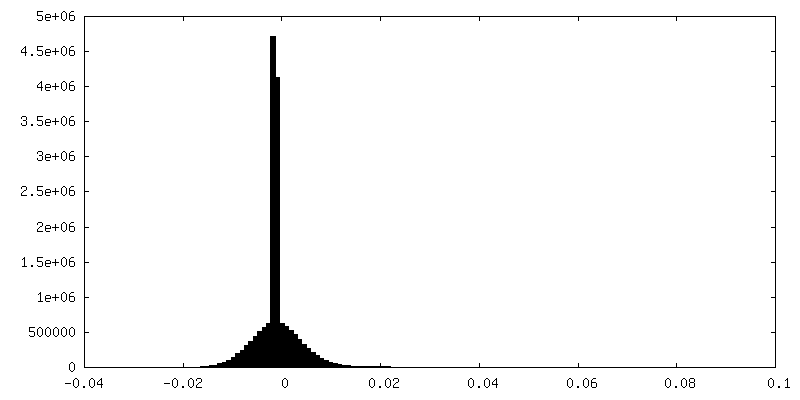
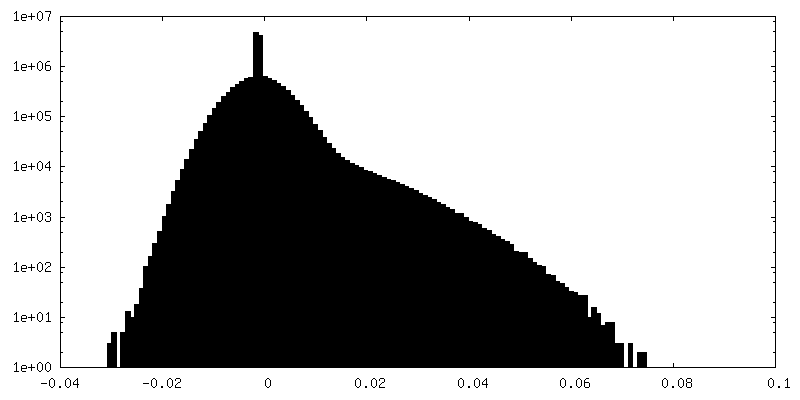
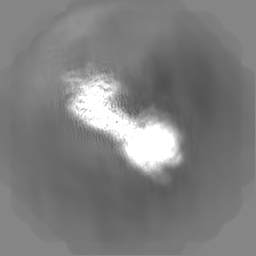
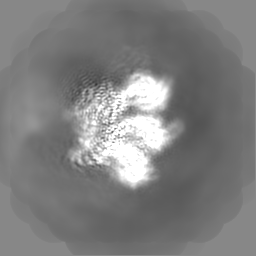
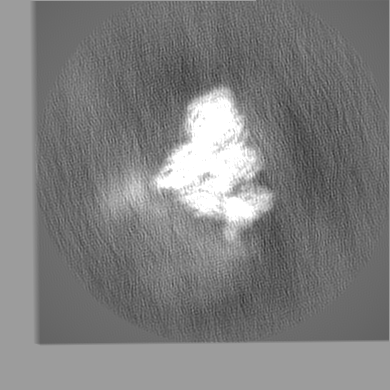
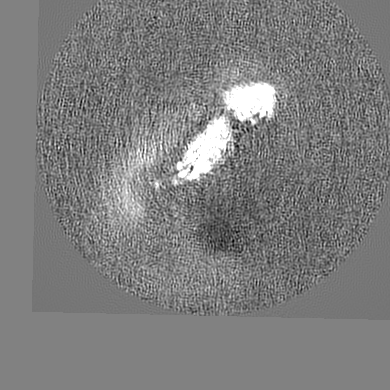
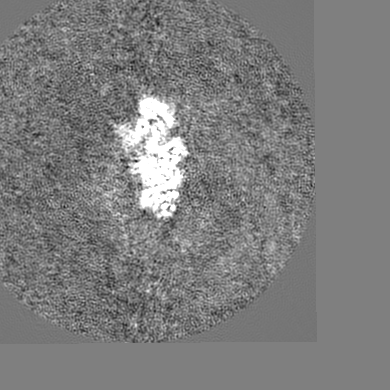
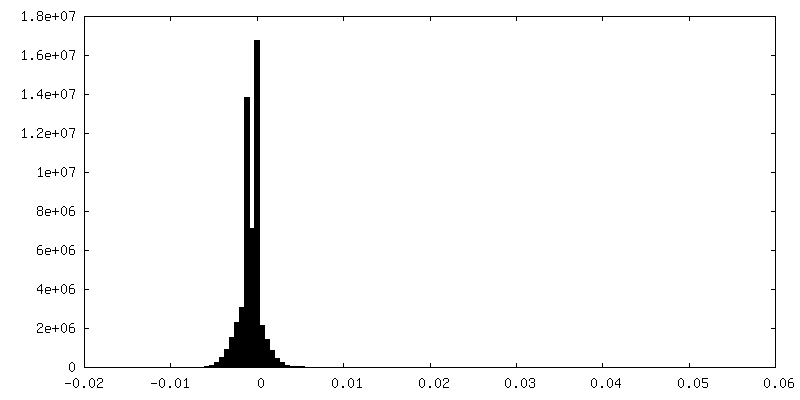
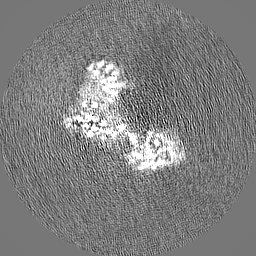
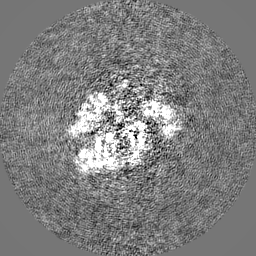
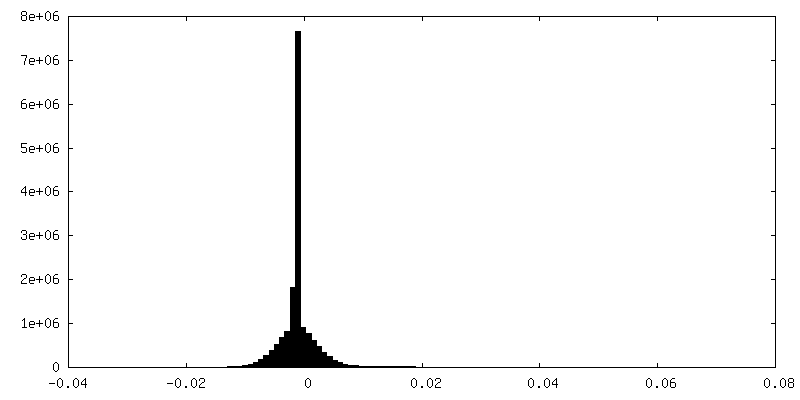
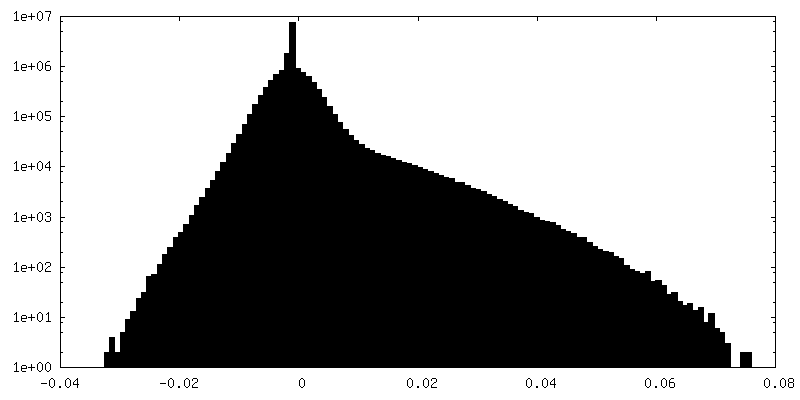
 Map data
 Sample
 Keywords
 Function and homology information
 Homo sapiens (human)
 Authors
 Spain, 3 items
  Citation
 Structure visualization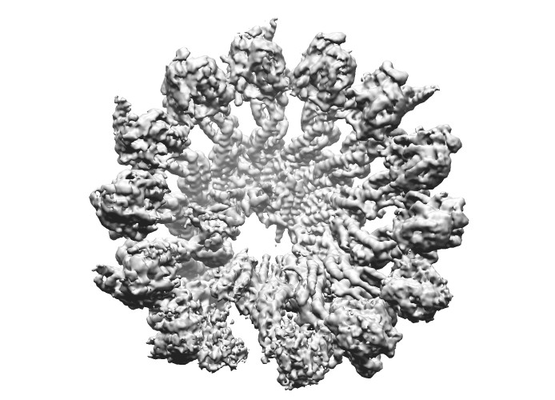
 Downloads & links
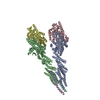
 emd_11888.png
 Links
Links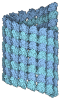

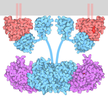
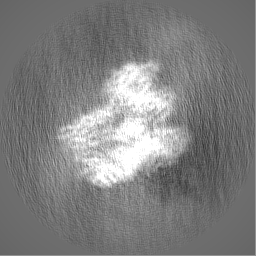
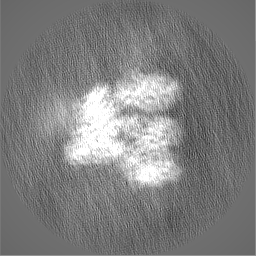
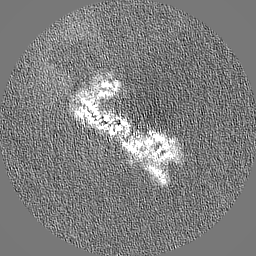
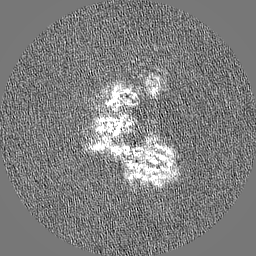
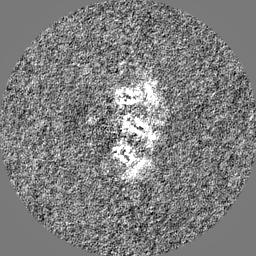
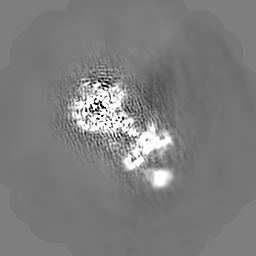
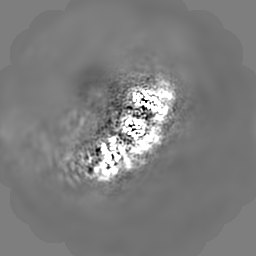
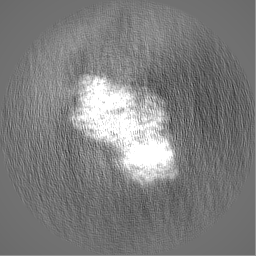
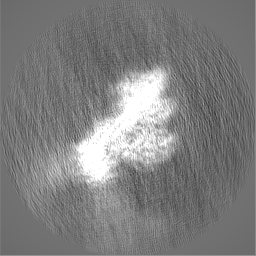
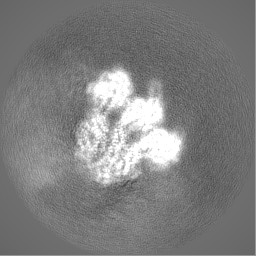
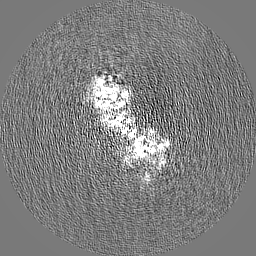
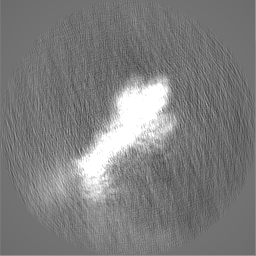
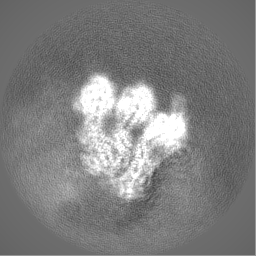
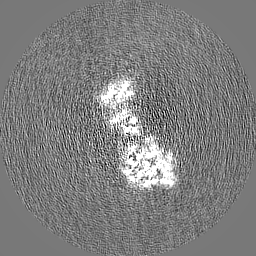
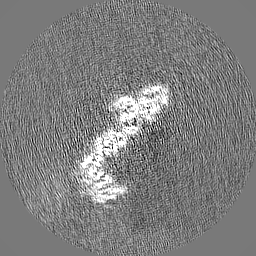
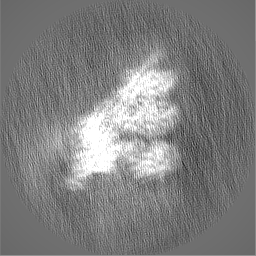
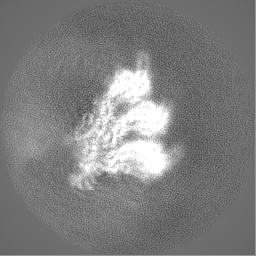
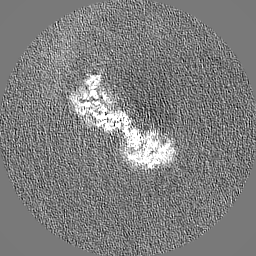
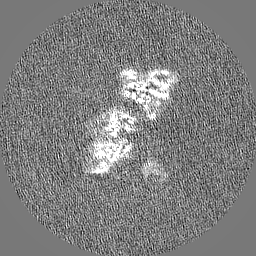
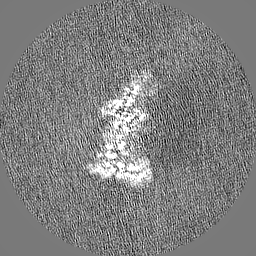
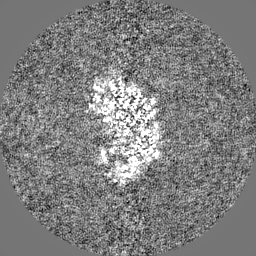
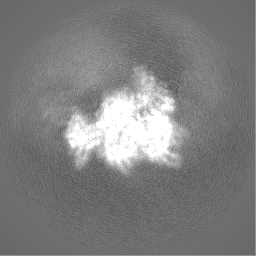
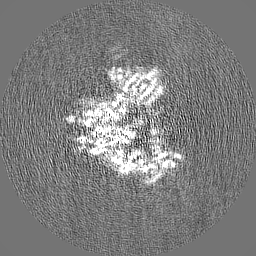
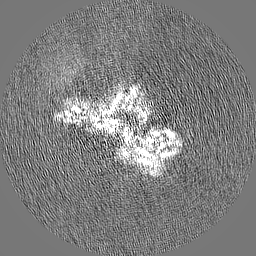
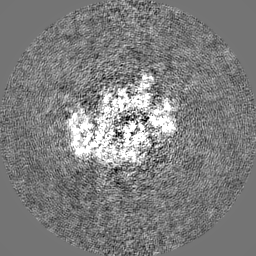
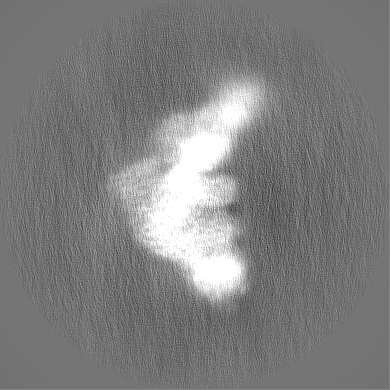
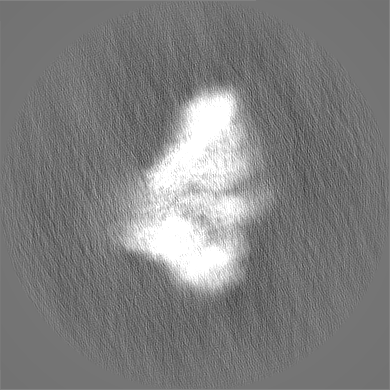
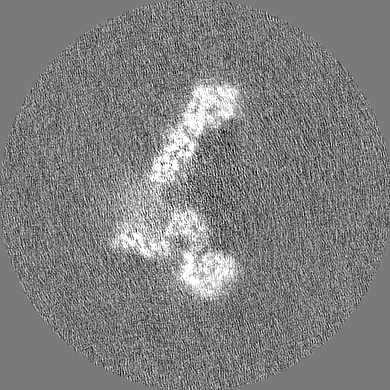
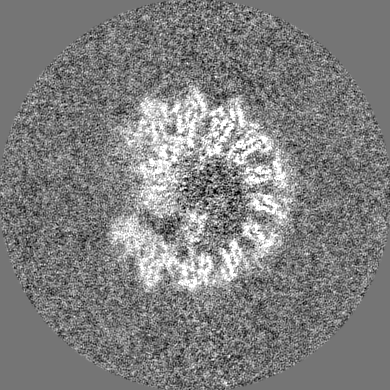
 Z (Sec.)
 Y (Row.)
 X (Col.)



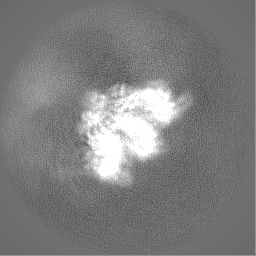


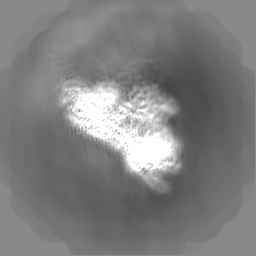
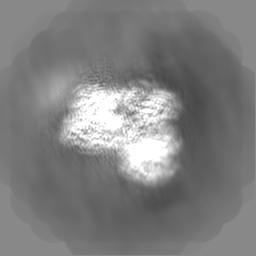
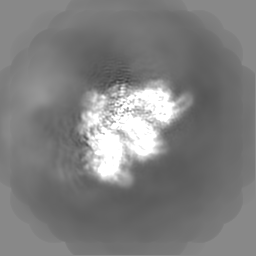
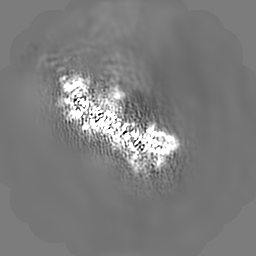













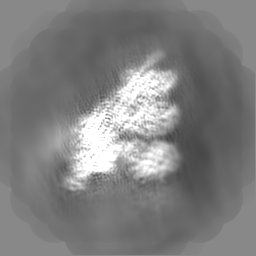
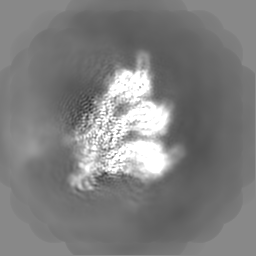
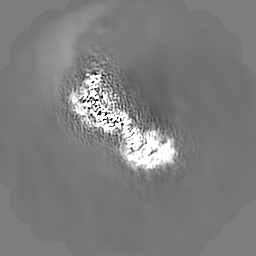

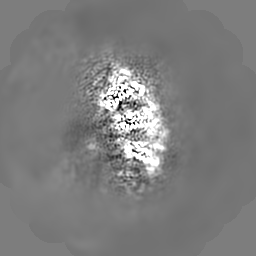












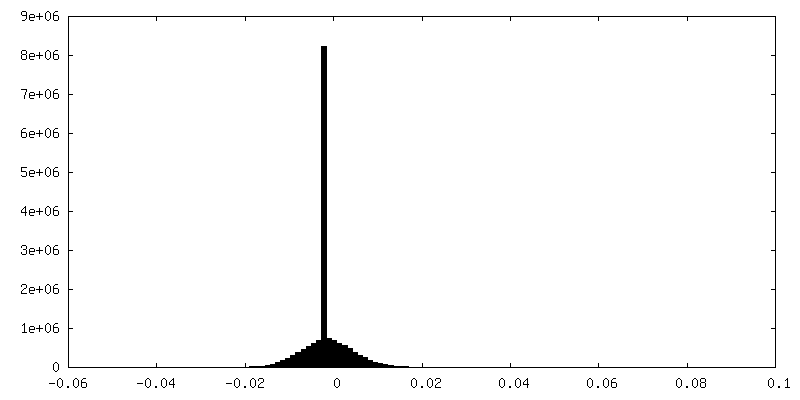
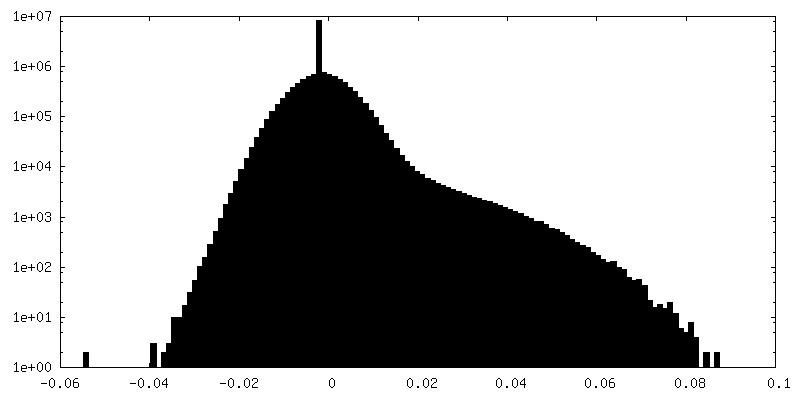
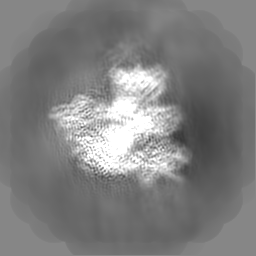
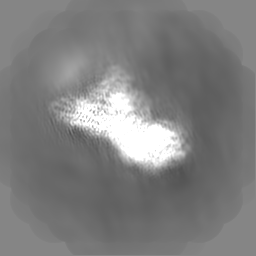
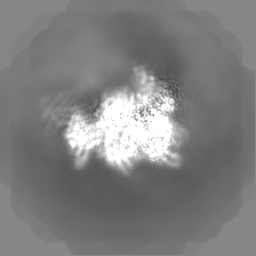
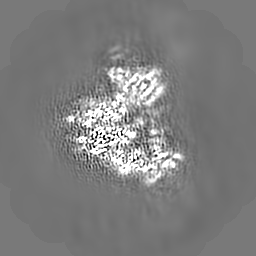
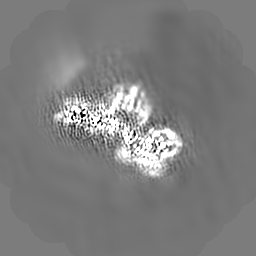
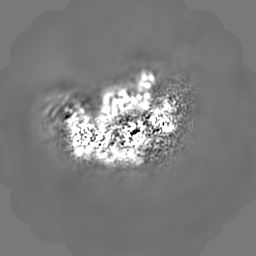







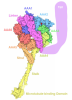
 Sample components
 Spodoptera frugiperda (fall armyworm)
 Processing
 Electron microscopy
 FIELD EMISSION GUN