Spanish Ministry of Science, Innovation, and Universities
PID2020-120275GB-I00
Spain
Spanish Ministry of Science, Innovation, and Universities
PRE2018-086026
Spain
Citation
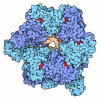
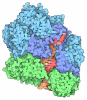
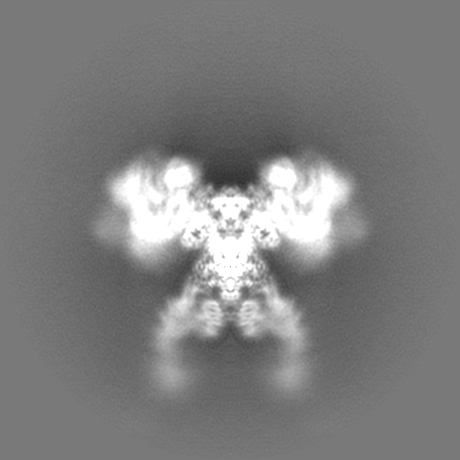
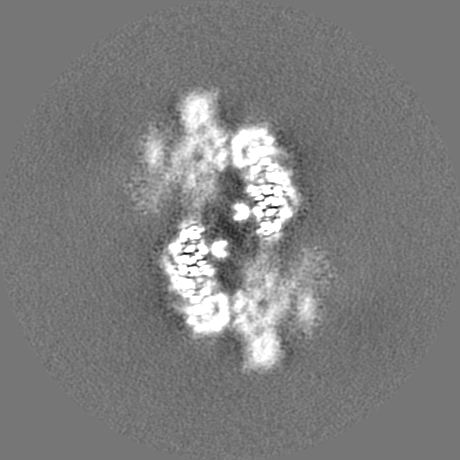
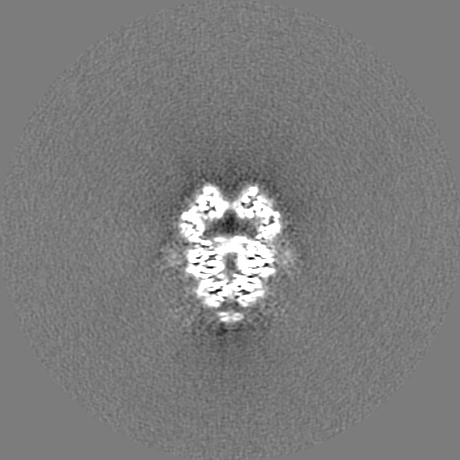
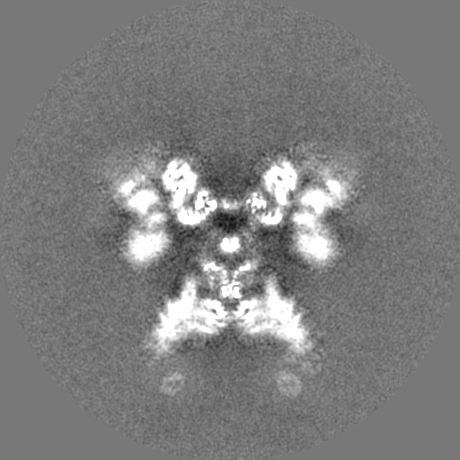
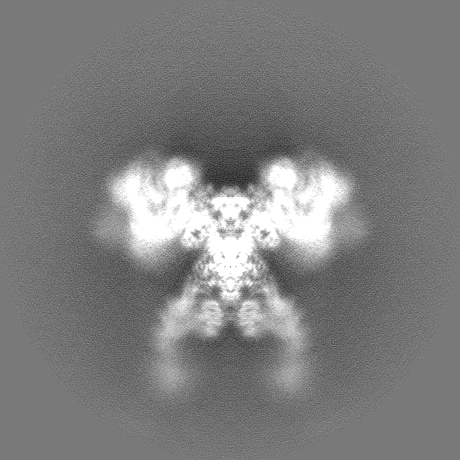
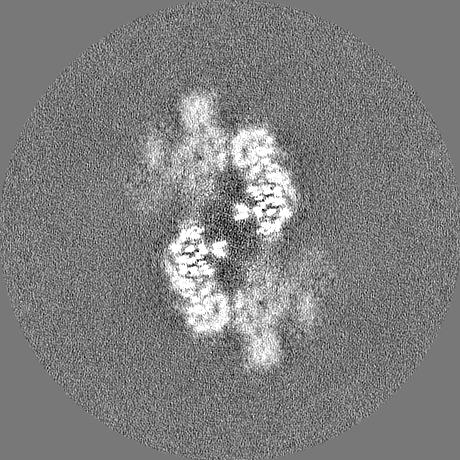
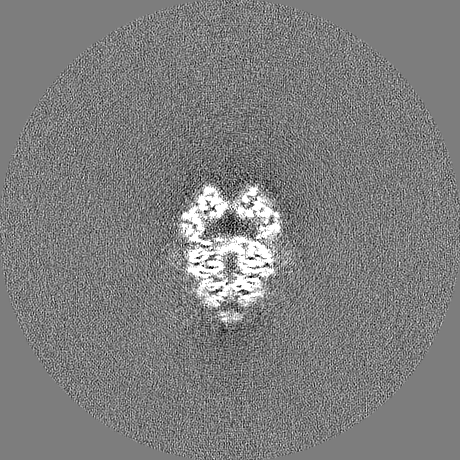
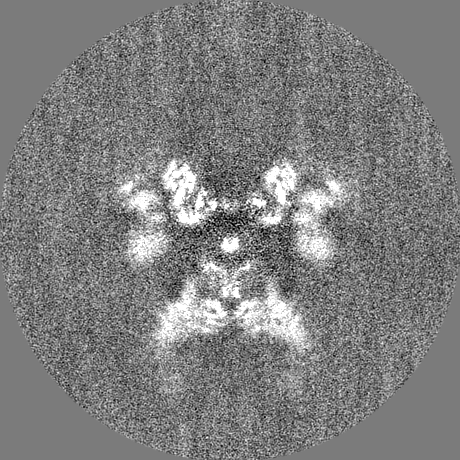
Journal: Nature / Year: 2024 Title: Molecular basis for transposase activation by a dedicated AAA+ ATPase. Authors: Álvaro de la Gándara / Mercedes Spínola-Amilibia / Lidia Araújo-Bazán / Rafael Núñez-Ramírez / James M Berger / Ernesto Arias-Palomo / Abstract: Transposases drive chromosomal rearrangements and the dissemination of drug-resistance genes and toxins. Although some transposases act alone, many rely on dedicated AAA+ ATPase subunits that ...Transposases drive chromosomal rearrangements and the dissemination of drug-resistance genes and toxins. Although some transposases act alone, many rely on dedicated AAA+ ATPase subunits that regulate site selectivity and catalytic function through poorly understood mechanisms. Using IS21 as a model transposase system, we show how an ATPase regulator uses nucleotide-controlled assembly and DNA deformation to enable structure-based site selectivity, transposase recruitment, and activation and integration. Solution and cryogenic electron microscopy studies show that the IstB ATPase self-assembles into an autoinhibited pentamer of dimers that tightly curves target DNA into a half-coil. Two of these decamers dimerize, which stabilizes the target nucleic acid into a kinked S-shaped configuration that engages the IstA transposase at the interface between the two IstB oligomers to form an approximately 1 MDa transpososome complex. Specific interactions stimulate regulator ATPase activity and trigger a large conformational change on the transposase that positions the catalytic site to perform DNA strand transfer. These studies help explain how AAA+ ATPase regulators-which are used by classical transposition systems such as Tn7, Mu and CRISPR-associated elements-can remodel their substrate DNA and cognate transposases to promote function.
UniProtKB: Insertion sequence IS5376 putative ATP-binding protein
+
Macromolecule #3: DNA (118-MER) / TIR-transferred strand
Macromolecule
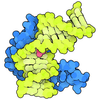
Name: DNA (118-MER) / TIR-transferred strand / type: dna / ID: 3 Details: complete sequence of the right terminal inverted repeat (TIR) covalently bound to a target DNA Number of copies: 2 / Classification: DNA
Macromolecule #4: DNA (58-MER) / TIR non-transferred strand
Macromolecule
Name: DNA (58-MER) / TIR non-transferred strand / type: dna / ID: 4 Details: complementary sequence of the right terminal inverted repeat (TIR) Number of copies: 2 / Classification: DNA
Macromolecule #5: DNA (58-MER) / target-reverse complement
Macromolecule
Name: DNA (58-MER) / target-reverse complement / type: dna / ID: 5 / Details: complementary sequence of the target DNA / Number of copies: 2 / Classification: DNA
In the structure databanks used in Yorodumi, some data are registered as the other names, "COVID-19 virus" and "2019-nCoV". Here are the details of the virus and the list of structure data.
Jan 31, 2019. EMDB accession codes are about to change! (news from PDBe EMDB page)
EMDB accession codes are about to change! (news from PDBe EMDB page)
The allocation of 4 digits for EMDB accession codes will soon come to an end. Whilst these codes will remain in use, new EMDB accession codes will include an additional digit and will expand incrementally as the available range of codes is exhausted. The current 4-digit format prefixed with “EMD-” (i.e. EMD-XXXX) will advance to a 5-digit format (i.e. EMD-XXXXX), and so on. It is currently estimated that the 4-digit codes will be depleted around Spring 2019, at which point the 5-digit format will come into force.
The EM Navigator/Yorodumi systems omit the EMD- prefix.
Related info.:Q: What is EMD? / ID/Accession-code notation in Yorodumi/EM Navigator
Yorodumi is a browser for structure data from EMDB, PDB, SASBDB, etc.
This page is also the successor to EM Navigator detail page, and also detail information page/front-end page for Omokage search.
The word "yorodu" (or yorozu) is an old Japanese word meaning "ten thousand". "mi" (miru) is to see.
Related info.:EMDB / PDB / SASBDB / Comparison of 3 databanks / Yorodumi Search / Aug 31, 2016. New EM Navigator & Yorodumi / Yorodumi Papers / Jmol/JSmol / Function and homology information / Changes in new EM Navigator and Yorodumi
 Movie
Movie Controller


 Open data
 Basic information
 Map data
 Sample
 Keywords
 Function and homology information
 Geobacillus stearothermophilus (bacteria)
 Authors
 Spain, 2 items
  Citation
 Structure visualization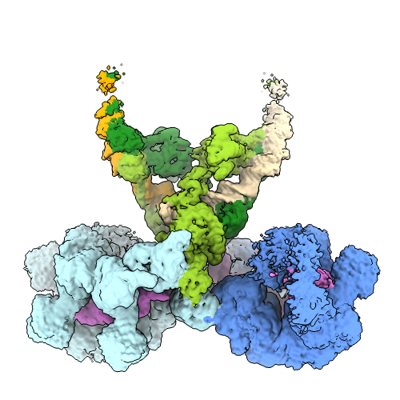
 Downloads & links
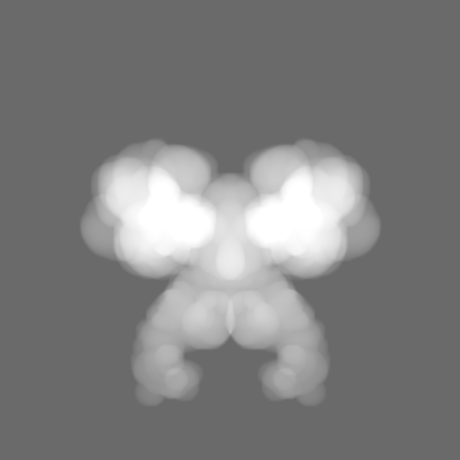
 emd_18144.png
 http://ftp.pdbj.org/pub/emdb/structures/EMD-18144


 Z (Sec.)
 Y (Row.)
 X (Col.)







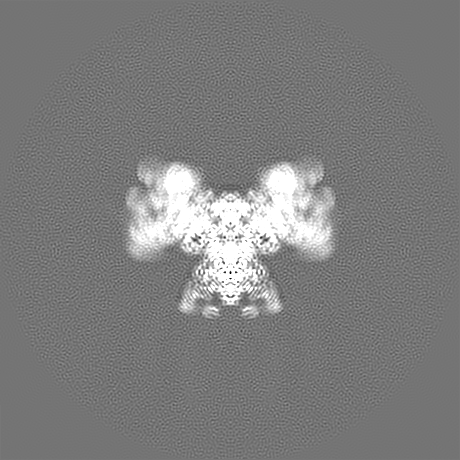
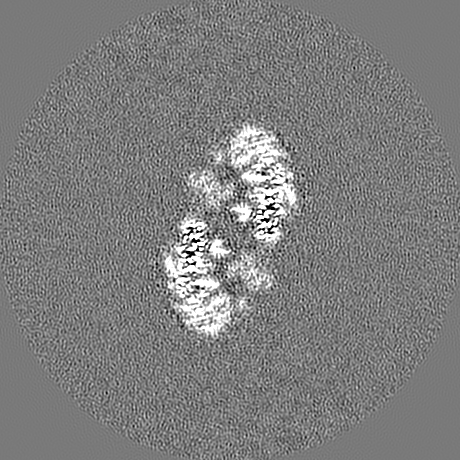
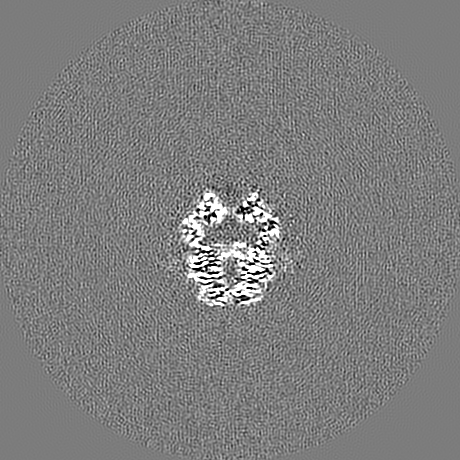
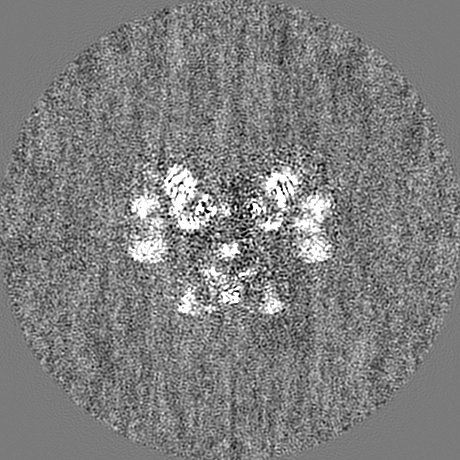
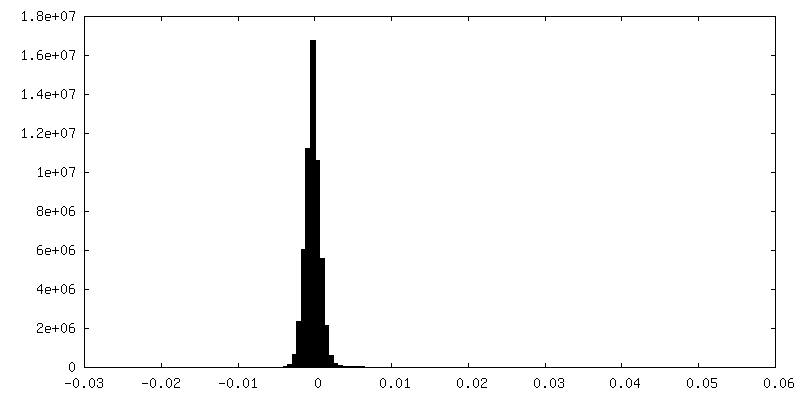
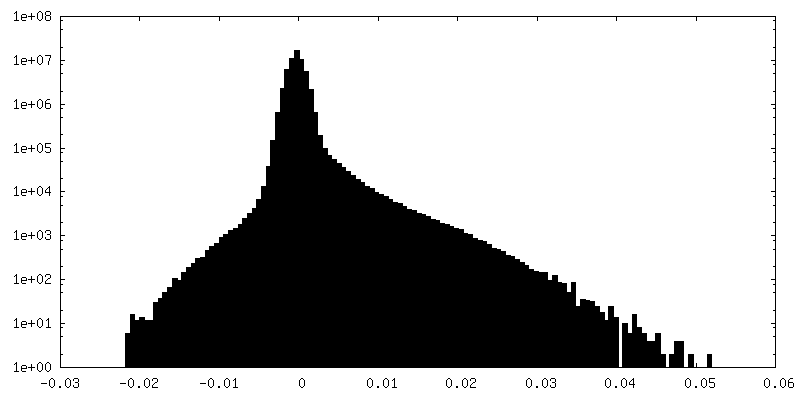
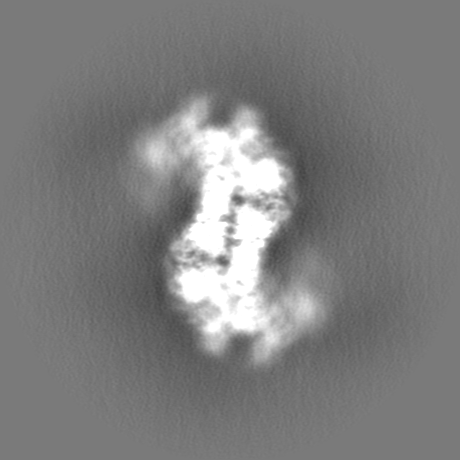
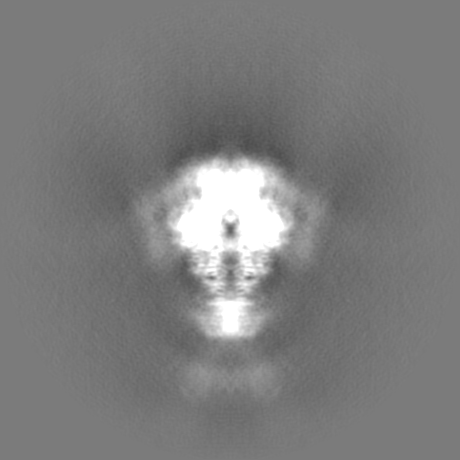
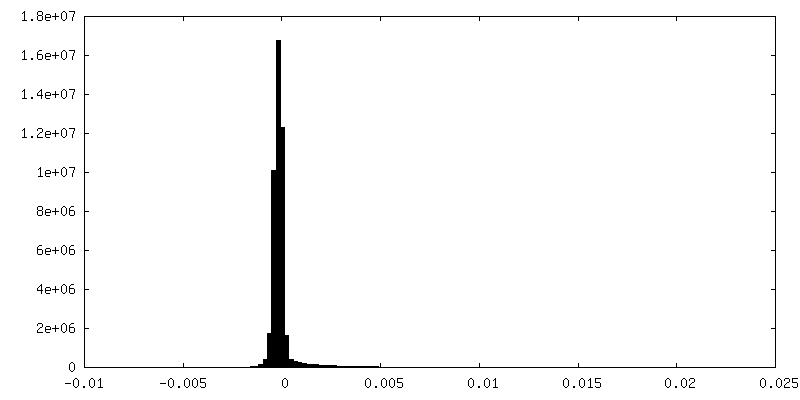
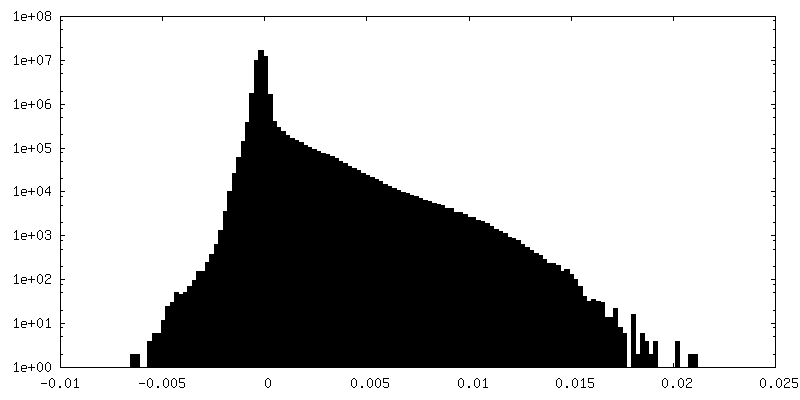
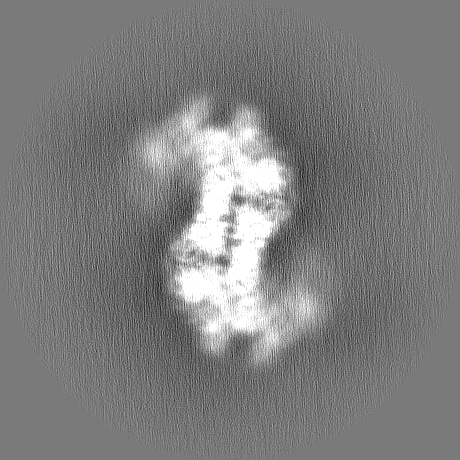
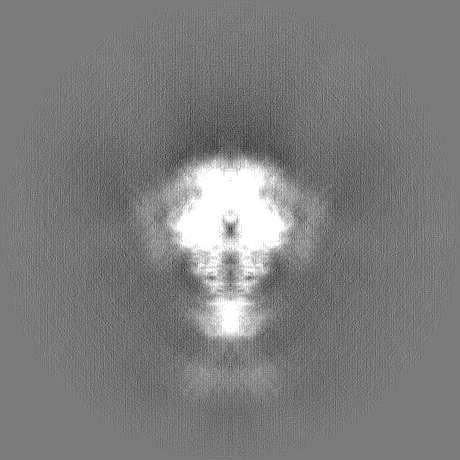
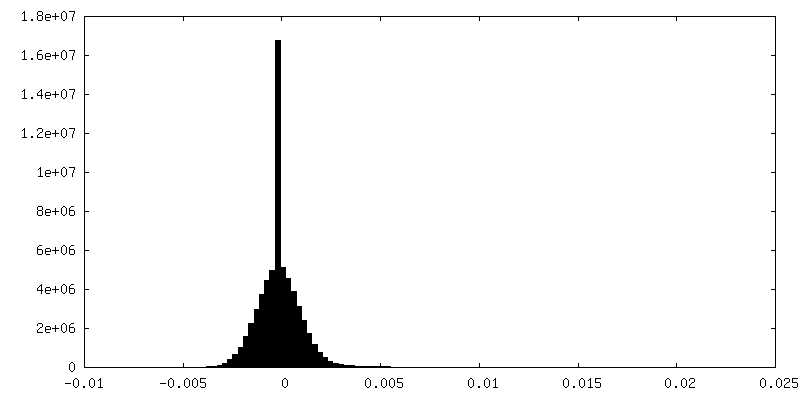
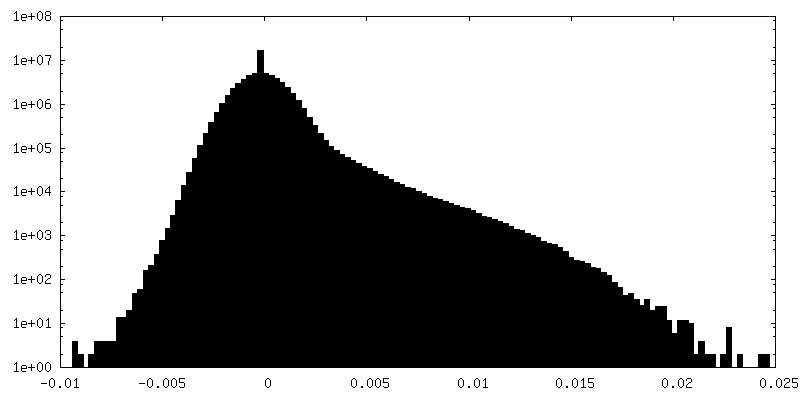
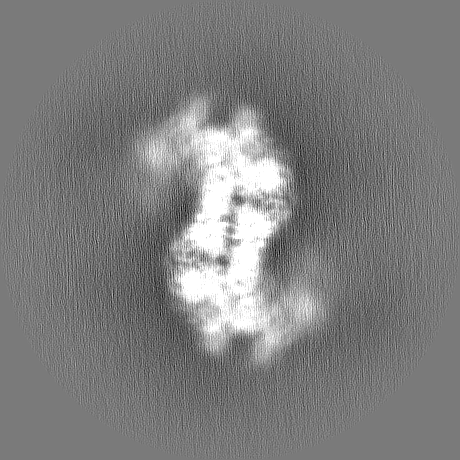
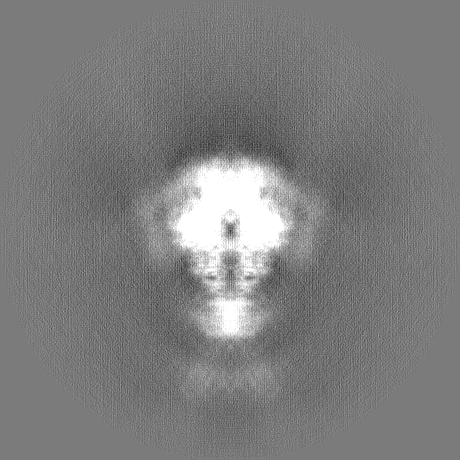
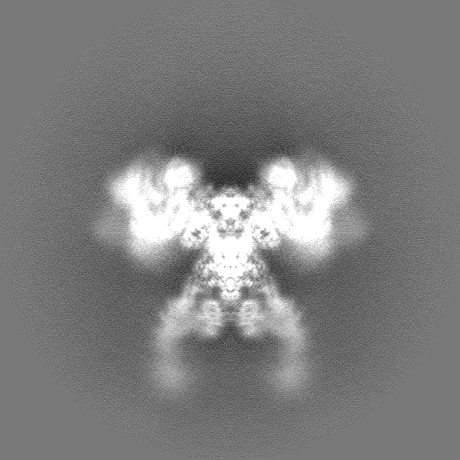
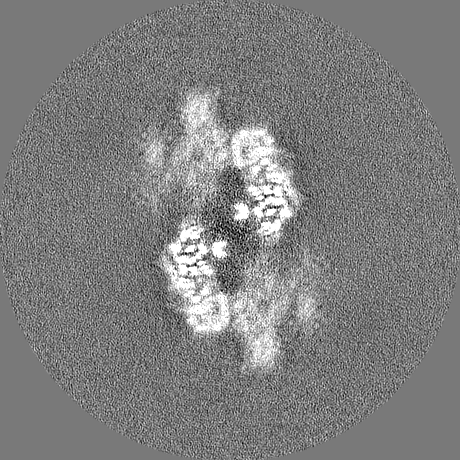
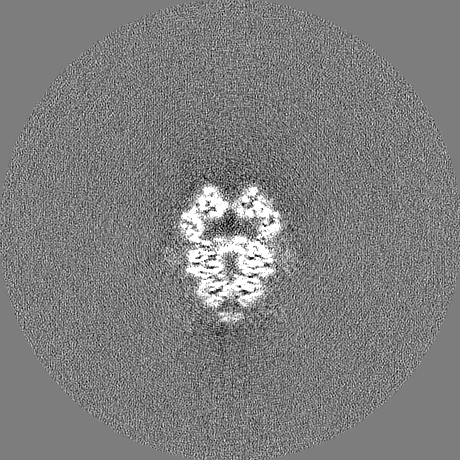
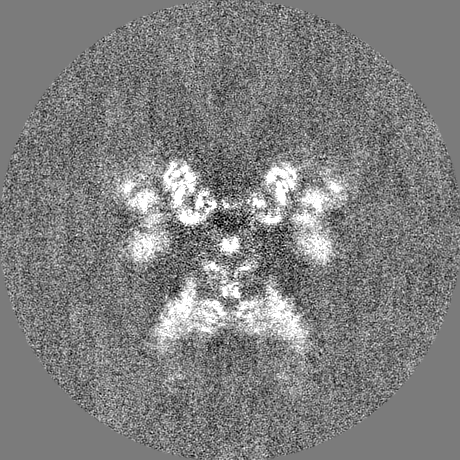
 Sample components
 Escherichia coli (E. coli)
 Processing
 Electron microscopy
 FIELD EMISSION GUN