 Movie
Movie Controller


+ Open data

- Basic information
| Entry | Database: EMDB / ID: EMD-22018 | |||||||||
|---|---|---|---|---|---|---|---|---|---|---|
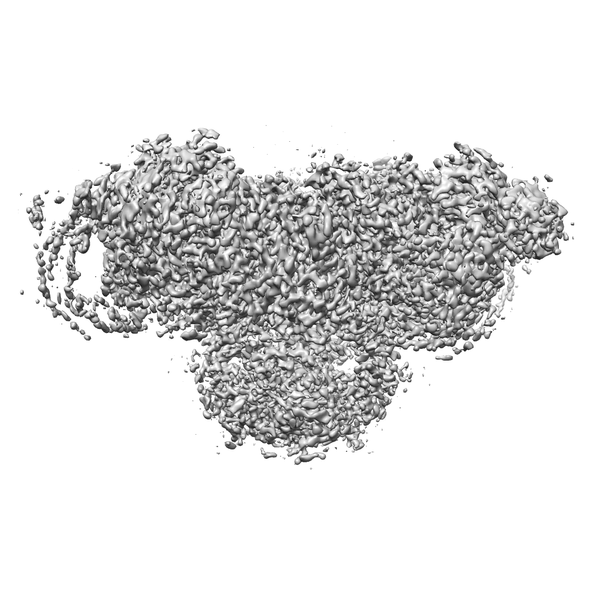
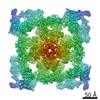
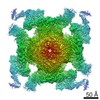
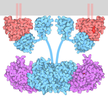
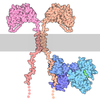
| Title | Pig R615C RyR1 in complex with CaM, EGTA (class 1, open) | |||||||||
 Map data Map data | RyR1, FKBP12.6, CaM | |||||||||
 Sample Sample |
| |||||||||
 Keywords Keywords | receptor / calcium / channel / complex / TRANSPORT PROTEIN-ISOMERASE-CALCIUM BINDING PROTEIN complex | |||||||||
| Function / homology |  Function and homology information Function and homology informationnegative regulation of calcium-mediated signaling / negative regulation of release of sequestered calcium ion into cytosol / response to redox state / CaM pathway / Cam-PDE 1 activation / Sodium/Calcium exchangers / negative regulation of heart rate / Calmodulin induced events / Reduction of cytosolic Ca++ levels / Activation of Ca-permeable Kainate Receptor ...negative regulation of calcium-mediated signaling / negative regulation of release of sequestered calcium ion into cytosol / response to redox state / CaM pathway / Cam-PDE 1 activation / Sodium/Calcium exchangers / negative regulation of heart rate / Calmodulin induced events / Reduction of cytosolic Ca++ levels / Activation of Ca-permeable Kainate Receptor / CREB1 phosphorylation through the activation of CaMKII/CaMKK/CaMKIV cascasde / Loss of phosphorylation of MECP2 at T308 / CREB1 phosphorylation through the activation of Adenylate Cyclase / PKA activation / CaMK IV-mediated phosphorylation of CREB / FK506 binding / CASP4 inflammasome assembly / 'de novo' protein folding / Glycogen breakdown (glycogenolysis) / negative regulation of ryanodine-sensitive calcium-release channel activity / Activation of RAC1 downstream of NMDARs / organelle localization by membrane tethering / CLEC7A (Dectin-1) induces NFAT activation / : / negative regulation of high voltage-gated calcium channel activity / autophagosome membrane docking / negative regulation of calcium ion export across plasma membrane / regulation of cardiac muscle cell action potential / presynaptic endocytosis / Synthesis of IP3 and IP4 in the cytosol / Phase 0 - rapid depolarisation / Negative regulation of NMDA receptor-mediated neuronal transmission / Unblocking of NMDA receptors, glutamate binding and activation / calcineurin-mediated signaling / RHO GTPases activate PAKs / regulation of cell communication by electrical coupling involved in cardiac conduction / Uptake and function of anthrax toxins / Ion transport by P-type ATPases / protein phosphatase activator activity / Long-term potentiation / Calcineurin activates NFAT / regulation of ryanodine-sensitive calcium-release channel activity / DARPP-32 events / Regulation of MECP2 expression and activity / Smooth Muscle Contraction / detection of calcium ion / regulation of cardiac muscle contraction / cellular response to interferon-beta / RHO GTPases activate IQGAPs / presynaptic cytosol / calcium channel inhibitor activity / catalytic complex / eNOS activation / regulation of release of sequestered calcium ion into cytosol by sarcoplasmic reticulum / Tetrahydrobiopterin (BH4) synthesis, recycling, salvage and regulation / Activation of AMPK downstream of NMDARs / regulation of heart rate / Ion homeostasis / Protein methylation / regulation of cardiac muscle contraction by regulation of the release of sequestered calcium ion / titin binding / voltage-gated potassium channel complex / FCERI mediated Ca+2 mobilization / calcium channel complex / substantia nigra development / sarcoplasmic reticulum membrane / FCGR3A-mediated IL10 synthesis / sperm midpiece / protein serine/threonine kinase activator activity / Antigen activates B Cell Receptor (BCR) leading to generation of second messengers / calyx of Held / positive regulation of receptor signaling pathway via JAK-STAT / Ras activation upon Ca2+ influx through NMDA receptor / adenylate cyclase activator activity / regulation of cytokinesis / VEGFR2 mediated cell proliferation / calcium-mediated signaling / spindle microtubule / VEGFR2 mediated vascular permeability / calcium channel regulator activity / sarcomere / peptidylprolyl isomerase / peptidyl-prolyl cis-trans isomerase activity / Translocation of SLC2A4 (GLUT4) to the plasma membrane / Transcriptional activation of mitochondrial biogenesis / long-term synaptic potentiation / cellular response to type II interferon / Enterobacterial factors antagonize host defense / RAF activation / response to calcium ion / protein refolding / protein maturation / Z disc / Stimuli-sensing channels / calcium-dependent protein binding / Signaling by RAF1 mutants / Signaling by moderate kinase activity BRAF mutants / Paradoxical activation of RAF signaling by kinase inactive BRAF / Signaling downstream of RAS mutants / RAS processing Similarity search - Function | |||||||||
| Biological species |   Sus scrofa (pig) / Sus scrofa (pig) /  Homo sapiens (human) Homo sapiens (human) | |||||||||
| Method | single particle reconstruction / cryo EM / Resolution: 4.2 Å | |||||||||
 Authors Authors | Woll KW / Haji-Ghassemi O | |||||||||
| Funding support | 1 items
| |||||||||
 Citation Citation | Journal: Nat Commun / Year: 2021 Title: Pathological conformations of disease mutant Ryanodine Receptors revealed by cryo-EM. Authors: Kellie A Woll / Omid Haji-Ghassemi / Filip Van Petegem /  Abstract: Ryanodine Receptors (RyRs) are massive channels that release Ca from the endoplasmic and sarcoplasmic reticulum. Hundreds of mutations are linked to malignant hyperthermia (MH), myopathies, and ...Ryanodine Receptors (RyRs) are massive channels that release Ca from the endoplasmic and sarcoplasmic reticulum. Hundreds of mutations are linked to malignant hyperthermia (MH), myopathies, and arrhythmias. Here, we explore the first MH mutation identified in humans by providing cryo-EM snapshots of the pig homolog, R615C, showing that it affects an interface between three solenoid regions. We also show the impact of apo-calmodulin (apoCaM) and how it can induce opening by bending of the bridging solenoid, mediated by its N-terminal lobe. For R615C RyR1, apoCaM binding abolishes a pathological 'intermediate' conformation, distributing the population to a mixture of open and closed channels, both different from the structure without apoCaM. Comparisons show that the mutation primarily affects the closed state, inducing partial movements linked to channel activation. This shows that disease mutations can cause distinct pathological conformations of the RyR and facilitate channel opening by disrupting interactions between different solenoid regions. | |||||||||
| History |
|
- Structure visualization
| Movie |
Movie viewer |
|---|---|
| Structure viewer | EM map: SurfViewMolmilJmol/JSmol |
| Supplemental images |
- Downloads & links
-EMDB archive
| Map data | emd_22018.map.gz | 54.8 MB | EMDB map data format | |
|---|---|---|---|---|
| Header (meta data) | emd-22018-v30.xmlemd-22018.xml | 18.6 KB 18.6 KB | Display Display | EMDB header |
| Images |  emd_22018.png emd_22018.png | 214.5 KB | ||
| Filedesc metadata | emd-22018.cif.gz | 7.9 KB | ||
| Archive directory |  https://data.pdbj.org/pub/emdb/structures/EMD-22018ftp://data.pdbj.org/pub/emdb/structures/EMD-22018 https://data.pdbj.org/pub/emdb/structures/EMD-22018ftp://data.pdbj.org/pub/emdb/structures/EMD-22018 | HTTPS FTP |
-Related structure data
| Related structure data |  6x35MC  6w1nC  6x32C  6x33C  6x34C  6x36C C: citing same article ( M: atomic model generated by this map |
|---|---|
| Similar structure data |
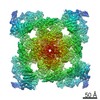
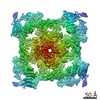
-Links
| EMDB pages | EMDB (EBI/PDBe) / EMDataResource |
|---|---|
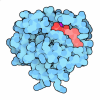
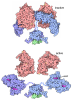
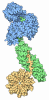
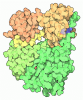
| Related items in Molecule of the Month |

-Map
| File | Download / File: emd_22018.map.gz / Format: CCP4 / Size: 421.9 MB / Type: IMAGE STORED AS FLOATING POINT NUMBER (4 BYTES) | ||||||||||||||||||||||||||||||||||||||||||||||||||||||||||||||||||||
|---|---|---|---|---|---|---|---|---|---|---|---|---|---|---|---|---|---|---|---|---|---|---|---|---|---|---|---|---|---|---|---|---|---|---|---|---|---|---|---|---|---|---|---|---|---|---|---|---|---|---|---|---|---|---|---|---|---|---|---|---|---|---|---|---|---|---|---|---|---|
| Annotation | RyR1, FKBP12.6, CaM | ||||||||||||||||||||||||||||||||||||||||||||||||||||||||||||||||||||
| Projections & slices | Image control
Images are generated by Spider. | ||||||||||||||||||||||||||||||||||||||||||||||||||||||||||||||||||||
| Voxel size | X=Y=Z: 1.09 Å | ||||||||||||||||||||||||||||||||||||||||||||||||||||||||||||||||||||
| Density |
| ||||||||||||||||||||||||||||||||||||||||||||||||||||||||||||||||||||
| Symmetry | Space group: 1 | ||||||||||||||||||||||||||||||||||||||||||||||||||||||||||||||||||||
| Details | EMDB XML:
CCP4 map header:
| ||||||||||||||||||||||||||||||||||||||||||||||||||||||||||||||||||||
 Z (Sec.)
 Y (Row.)
 X (Col.)


-Supplemental data
- Sample components
-Entire : ryanodine receptor-FKBP1B-calmodulin complex
| Entire | Name: ryanodine receptor-FKBP1B-calmodulin complex |
|---|---|
| Components |
|
-Supramolecule #1: ryanodine receptor-FKBP1B-calmodulin complex
| Supramolecule | Name: ryanodine receptor-FKBP1B-calmodulin complex / type: complex / ID: 1 / Parent: 0 / Macromolecule list: #1-#3 |
|---|
-Supramolecule #2: ryanodine receptor
| Supramolecule | Name: ryanodine receptor / type: complex / ID: 2 / Parent: 1 / Macromolecule list: #2 |
|---|---|
| Source (natural) | Organism: Sus scrofa (pig) |
-Supramolecule #3: FKBP1B
| Supramolecule | Name: FKBP1B / type: complex / ID: 3 / Parent: 1 / Macromolecule list: #1 |
|---|---|
| Source (natural) | Organism: Homo sapiens (human) |
-Supramolecule #4: Calmodulin
| Supramolecule | Name: Calmodulin / type: complex / ID: 4 / Parent: 1 / Macromolecule list: #3 |
|---|---|
| Source (natural) | Organism: Homo sapiens (human) |
-Macromolecule #1: Peptidyl-prolyl cis-trans isomerase FKBP1B
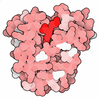
| Macromolecule | Name: Peptidyl-prolyl cis-trans isomerase FKBP1B / type: protein_or_peptide / ID: 1 / Number of copies: 4 / Enantiomer: LEVO / EC number: peptidylprolyl isomerase |
|---|---|
| Source (natural) | Organism: Homo sapiens (human) |
| Molecular weight | Theoretical: 11.939562 KDa |
| Recombinant expression | Organism:   Escherichia coli (E. coli) Escherichia coli (E. coli) |
| Sequence | String: SNAGVEIETI SPGDGRTFPK KGQTCVVHYT GMLQNGKKFD SSRDRNKPFK FRIGKQEVIK GFEEGAAQMS LGQRAKLTCT PDVAYGATG HPGVIPPNAT LIFDVELLNL E UniProtKB: Peptidyl-prolyl cis-trans isomerase FKBP1B |
-Macromolecule #2: Ryanodine Receptor
| Macromolecule | Name: Ryanodine Receptor / type: protein_or_peptide / ID: 2 / Number of copies: 4 / Enantiomer: LEVO |
|---|---|
| Source (natural) | Organism: Sus scrofa (pig) |
| Molecular weight | Theoretical: 423.654469 KDa |
| Sequence | String: QFLRTDDEVV LQCNATVLKE QLKLCLAAEG FGNRLCFLEP TSNAQNVPPD LAICCFVLEQ SLSVRALQEM LANGHRTLLY GHAILLRHA HSGMYLSCLT TSRSMTDKLA FDVGLQEDAT GEACWWTTHP ASKQRSEGEK VRVGDDLILV SVSSERYLHL S TASGELQV ...String: QFLRTDDEVV LQCNATVLKE QLKLCLAAEG FGNRLCFLEP TSNAQNVPPD LAICCFVLEQ SLSVRALQEM LANGHRTLLY GHAILLRHA HSGMYLSCLT TSRSMTDKLA FDVGLQEDAT GEACWWTTHP ASKQRSEGEK VRVGDDLILV SVSSERYLHL S TASGELQV DASFMQTLWN MNPICSGCEE GYVTGGHVLR LFHGHMDECL TISPADQRRL VYYEGGSVCT HARSLWRLEP LR ISWSGSH LRWGQPLRIR HVTTGRYLAL IEDQGLVVVD ASKAHTKATS FCFRISKEKL KRDVEGMGPP EIKYGESLCF VQH VASGLW LTYAALKKKA ILHQEGHMDD ALSLTRCQQE ESQAARMIYS TAGLYNHFIK GLDSFSGKPR PAGTALPLEG VILS LQDLI GYFEPPSEEL QHEEKQSKLR SLRNRQSLFQ EEGMLSLVLN CIDRLNVYTT AAHFAEFAGE EAAESWKEIV NLLYE ILAS LIRGNRANCA LFSNNLDWLV SKLDRLEASS GILEVLYCVL IESPEVLNII QENHIKSIIS LLDKHGRNHK VLDVLC SLC VCNGVAVCSN QDLITENLLP GRELLLQTNL INYVTSIRPN IFVGRAEGTT QYSKWYFEVM VDEVVPFLTA QATHLRV GW ALTEGYSPYP GGGEGWGGNG VGDDLYSYGF DGLHLWTGHV PRLVTSPGQH LLAPEDVVSC CLDLSVPSIS FRINGCPV Q GVFEAFNLNG LFFPVVSFSA GVKVRFLLGG RHGEFKFLPP PGYAPCHEAV LPRERLRLEP IKEYRREGPR GPHLVGPSR CLSHTDFVPC PLPPHLERIR EKLAENIHEL WALTRIEQGW TYGPVRDDNK RLHPCLVDFH SLPEPERNYN LQMSGETLKT LLALGCHVG MADEKAEDNL RKTKLPKTYM MSNGYKPAPL DLSHVRLTPA QTTLVDRLAE NGHNVWARDR VAQGWSYSAV Q DIPARRNP RLVPYRLLDE ATKRSNRDSL CQAVRTLLGY GRVRIFRAEK SYAVQSGRWY FEFEAVTTGE MRVGWARPEL RP DVELGAD ELAYVFNGHR GQRWHLGSEL FGRPWQSGDV VGCMIDLTEN TIIFTLNGEV LMSDSGSETA FRDIEVGDGF LPV CSLGPG QVGHLNLGQD VSSLRFFAIC GLQEGFEPFA INMQRPVTTW FSKSLPQFEA VPLEHPHYEV SRVDGTVDTP PCLR LTHRS LVEMLFLRLS LPVQFHQLNT TTYYYSVRVF AGQEPSCVWV GWVTPDYHQH DMNFDLTKVR AVTVTMGDNI HSSLK CSNC YMVWGGDFVS HTDLVIGCLV DLATGLMTFT ANGKESNTFF QVEPNTKLFP AVFVLPTHQN VIQFELGKQK NIMPLS AAM FLSERKNPAP QCPPRLEMQM LMPVSWSRMP NHFLRVETRR AGERLGWAVQ CQEPLTMMAL HIPEENRCMD ILELSER LD LQQFHSHTLR LYRAVCALGN NRVAHALCSH VDQAQLLHAL EDAHLPGPLR AGYYDLLISI HLESACRSRR SMLSEYIV P LTPETRAITL FPPRHGLPGV GVTTSLRPPH HFSAPCFVAA LPEAPARLSP SIPLEALRDK ALRMLGEAVR DGGQHARDP VGGSVEFQFV PVLKLVSTLL VMGIFGDEDV KQILKMIEPE VEEGLLQMKL PESVKLQMCN LLEYFCDQEL QHRVESLAAF AERYVDKLQ ANQRDRYGIL MKAFTMTAAE TARRTREFRS PPQEQINMLL HFKPLPDEIR QDLLEFHQDL LTHCGIQLQS L QELVSHTV VRWAQEDFVQ SPELVRAMFS LLHRQYDGLG ELLRALPRAY TISPSSVEDT MSLLECLGQI RSLLIVQMGP QE ENLMIQS IGNIMNNKVF YQHPNLMRAL GMHETVMEVM VNVLGRFPKM VTSCCRFLCY FCRISRQNQR SMFDHLSYLL ENS GSTPLD VAAASVIDNN ELALALQEQD LEKVVSYLAG CGLQSCPMLL AKGYPDIGWN PCGGERYLDF LRFAVFVNGE SVEE NANVV VRLLIRKPEC FGPALRLLAT IEEAIGHAIM SFYAALIDLL GRCAPEMHLI QAGKGEALRI RAILRSLVPL DDLVG IISL PLQIPLMSAS FVPDHKASMV LFLDRVYGIE FLLHVLDVGF EMALALNRYL CLAVLPLITK CAPLFAMVDS MLHTVY RLS RGRSLTKAQR DVIEECLMAL CRYIRPSMLQ HLLRRLVF(UNK)(UNK) (UNK)(UNK)(UNK)(UNK)(UNK) (UNK)(UNK)(UNK)(UNK) (UNK)(UNK)(UNK)(UNK)(UNK)(UNK)(UNK)(UNK)(UNK)(UNK) (UNK)(UNK) (UNK)(UNK)(UNK)(UNK)(UNK)(UNK)(UNK) (UNK)(UNK)(UNK)(UNK)(UNK)(UNK)(UNK)(UNK)(UNK) (UNK)(UNK)(UNK)(UNK)(UNK)(UNK)(UNK)DPR PVETLNVIIP EKLDSFINKF AEYTHEKWAF DKIQNNWSYG EN IDEELKT HPMLRPYKTF SEKDKEIYRW PIKESLKAMI AWEWTIEKAR EGEYNPQPPD LSGVTLSREL QAMAEQLAEN YHN TWGRKK KQELEAKGGG THPLLVPYDT LTAKEKARDR EKAQELLKFL QMNGYAVTR(UNK) (UNK)(UNK)(UNK)(UNK) (UNK)(UNK)(UNK)(UNK)(UNK) (UNK)(UNK)(UNK)(UNK)(UNK)(UNK)(UNK)(UNK)(UNK)(UNK) (UNK) (UNK)(UNK)(UNK)(UNK)(UNK)(UNK)(UNK)(UNK) (UNK)(UNK)(UNK)(UNK)(UNK)(UNK)(UNK)(UNK) (UNK) (UNK)(UNK)(UNK)(UNK)(UNK)(UNK)(UNK)(UNK)(UNK)(UNK) (UNK)(UNK)(UNK)(UNK)(UNK) (UNK)(UNK)(UNK)(UNK) (UNK)(UNK)(UNK)(UNK)(UNK)(UNK)(UNK)(UNK)(UNK)(UNK) (UNK)(UNK) (UNK)(UNK)(UNK)(UNK)(UNK)(UNK)(UNK) (UNK)(UNK)(UNK)(UNK)(UNK)(UNK)(UNK)(UNK)(UNK) (UNK)(UNK)(UNK)(UNK)(UNK)(UNK)(UNK)(UNK)(UNK)(UNK) (UNK)(UNK)(UNK)(UNK)(UNK)(UNK) (UNK)(UNK)(UNK) (UNK)(UNK)(UNK)(UNK)(UNK)(UNK)(UNK)(UNK)(UNK)(UNK) (UNK)(UNK)(UNK) (UNK)(UNK)(UNK)(UNK)(UNK)(UNK) (UNK)(UNK)(UNK)(UNK)(UNK)(UNK)(UNK)(UNK)(UNK)(UNK) (UNK)(UNK)(UNK)(UNK)(UNK)(UNK)(UNK)(UNK)(UNK) (UNK)(UNK)(UNK)(UNK)(UNK)(UNK)(UNK) (UNK)(UNK) (UNK)(UNK)(UNK)(UNK)(UNK)(UNK)(UNK)(UNK)(UNK)(UNK) (UNK)(UNK)(UNK)(UNK) (UNK)(UNK)(UNK)(UNK)(UNK) (UNK)(UNK)(UNK)(UNK)(UNK)(UNK)(UNK)(UNK)(UNK)(UNK) (UNK) (UNK)(UNK)(UNK)(UNK)(UNK)(UNK)(UNK)(UNK) (UNK)(UNK)(UNK)(UNK)(UNK)(UNK)(UNK)(UNK) (UNK) (UNK)(UNK)(UNK)(UNK)(UNK)(UNK)(UNK)(UNK)(UNK)(UNK) (UNK)(UNK)(UNK)(UNK)(UNK) (UNK)(UNK)(UNK)(UNK) (UNK)(UNK)(UNK)EFSVLCR DLYALYPLLI RYVDNNRAHW LTEPNPSAEE LFRMVGEI F IYWSKSHNFK REEQNFVV(UNK)(UNK) (UNK)(UNK)(UNK)(UNK)(UNK)(UNK)(UNK)(UNK)(UNK)(UNK) (UNK)(UNK)(UNK)(UNK)(UNK)(UNK)(UNK)(UNK)(UNK) (UNK)(UNK)(UNK)(UNK)(UNK)(UNK)(UNK) (UNK)(UNK) (UNK)(UNK)(UNK)(UNK)(UNK)(UNK)(UNK)(UNK)(UNK)(UNK) (UNK)(UNK)(UNK)(UNK) (UNK)(UNK)(UNK)(UNK)(UNK) (UNK)(UNK)(UNK)(UNK)(UNK)(UNK)(UNK)(UNK)(UNK)(UNK) (UNK) (UNK)(UNK)(UNK)(UNK)(UNK)(UNK)(UNK)(UNK) RRAVVACFRM TPLYNLPTHR ACNMFLESYK AAWILTEDHS FEDRMIDDL SKAGEQEEEE EEVEEKKPDP LHQLVLHFSR TALTEKSKLD EDYLYMAYAD IMAKSCHLEE SFEEKEMEKQ R LLYQQARL HNRGAAEMVL QMISACKGET GAMVSSTLKL GISILNGGNA DVQQKMLDYL KDKKEVGFFQ SIQALMQTCS VL DLNAFER QNKAEGLGMV NEDGTVIGEK VMADDEFTQD LFRFLQLLCE GHNNDFQNYL RTQTGNTTTI NIIICTVDYL LRL QESISD FYWYYSGKDV IEEQGKRNFS KAMSVAKQVF NSLTEYIQGP CTGNQQSLAH SRLWDAVVGF LHVFAHMMMK LAQD SSQIE LLKELLDLQK DMVVMLLSLL EGNVVNGMIA RQMVDMLVES SSNVEMILKF FDMFLKLKDI VGSEAFQDYV TDPRG LISK KDFQK(UNK)(UNK)(UNK)(UNK)(UNK) (UNK)EEFANRFQE PARDIGFNVA VLLTNLSEHV PHDPRLRNFL EL AESILEY FRPYLGRIEI MGASRRIERI YFEISETNRA QWEMPQVKES KRQFIFDVVN EGGESEKMEL FVSFCEDTIF EMQ (UNK)(UNK)(UNK)(UNK)(UNK)(UNK) (UNK)(UNK)(UNK)(UNK)(UNK)(UNK)(UNK)(UNK)(UNK)(UNK) (UNK)EVQRVKFL NYLSRNFYTL RFLALFLAFA INFILLFYKV SDSPPVYYFL EESTGYMEPA LRCLSLLHTL VAFLCII GY NCLKVPLVIF KREKELARKL EFDGLYITEQ PEDDDVKGQW DRLVLNTPSF PSNYWDKFVK RKVLDKHGDI YGRERIAE G LLTWLMSIDV KYQIWKFGVI FTDNSFLYLG WYMVMSLLGH YNNFFFAAHL LDIAMGVKTL RTILSSVTHN GKQLVMTVG LLAVVVYLYT VVAFNFFRKF YNKSEDEDEP DMKCDDMMTC YLFHMYVGVR AGGGIGDEIE DPAGDEYELY RVVFDITFFF FVIVILLAI IQGLIIDAFG ELRDQQEQVR EDMETKCFIC GIGSDYFDTT PHRFETHTLE EHNLANYMFF LMYLINKDET E HTGQESYV WKMYQERCWD FFPAGDCFRK QYEDQL |
-Macromolecule #3: Calmodulin-1
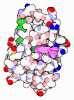
| Macromolecule | Name: Calmodulin-1 / type: protein_or_peptide / ID: 3 / Number of copies: 4 / Enantiomer: LEVO |
|---|---|
| Source (natural) | Organism: Homo sapiens (human) |
| Molecular weight | Theoretical: 16.723365 KDa |
| Recombinant expression | Organism: Escherichia coli (E. coli) |
| Sequence | String: MADQLTEEQI AEFKEAFSLF DKDGDGTITT KELGTVMRSL GQNPTEAELQ DMINEVDADG NGTIDFPEFL TMMARKMKDT DSEEEIREA FRVFDKDGNG YISAAELRHV MTNLGEKLTD EEVDEMIREA DIDGDGQVNY EEFVQMMTA UniProtKB: Calmodulin-1 |
-Macromolecule #4: ZINC ION
| Macromolecule | Name: ZINC ION / type: ligand / ID: 4 / Number of copies: 4 / Formula: ZN |
|---|---|
| Molecular weight | Theoretical: 65.409 Da |
-Experimental details
-Structure determination
| Method | cryo EM |
|---|---|
 Processing Processing | single particle reconstruction |
| Aggregation state | particle |
-Sample preparation
| Buffer | pH: 7.5 |
|---|---|
| Grid | Details: unspecified |
| Vitrification | Cryogen name: ETHANE |
- Electron microscopy
| Microscope | FEI TITAN KRIOS |
|---|---|
| Image recording | Film or detector model: FEI FALCON III (4k x 4k) / Average electron dose: 50.0 e/Å2 |
| Electron beam | Acceleration voltage: 300 kV / Electron source:  FIELD EMISSION GUN FIELD EMISSION GUN |
| Electron optics | Illumination mode: OTHER / Imaging mode: DIFFRACTION |
| Experimental equipment |  Model: Titan Krios / Image courtesy: FEI Company |
-Image processing
| Startup model | Type of model: PDB ENTRY |
|---|---|
| Final reconstruction | Resolution.type: BY AUTHOR / Resolution: 4.2 Å / Resolution method: FSC 0.143 CUT-OFF / Software - Name: PHENIX (ver. dev-3714) / Number images used: 25122 |
| Initial angle assignment | Type: MAXIMUM LIKELIHOOD |
| Final angle assignment | Type: MAXIMUM LIKELIHOOD |
