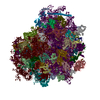
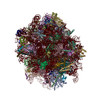
Movie
Movie Controller


+ Open data

- Basic information
| Entry | Database: PDB / ID: 28ln | |||||||||||||||||||||||||||
|---|---|---|---|---|---|---|---|---|---|---|---|---|---|---|---|---|---|---|---|---|---|---|---|---|---|---|---|---|
| Title | XBP1u-stalled RPL4 RNC in complex with NAC | |||||||||||||||||||||||||||
 Components Components |
| |||||||||||||||||||||||||||
 Keywords Keywords | TRANSLATION / NAC / chaperone / cotranslational folding / RNC / human 80S | |||||||||||||||||||||||||||
| Function / homology |  Function and homology information Function and homology informationpositive regulation of vascular wound healing / positive regulation of protein acetylation / ATF6-mediated unfolded protein response / negative regulation of striated muscle cell apoptotic process / regulation of skeletal muscle fiber development / positive regulation of cell proliferation involved in heart morphogenesis / IRE1alpha activates chaperones / sterol homeostasis / positive regulation of skeletal muscle tissue growth / ATF6 (ATF6-alpha) activates chaperone genes ...positive regulation of vascular wound healing / positive regulation of protein acetylation / ATF6-mediated unfolded protein response / negative regulation of striated muscle cell apoptotic process / regulation of skeletal muscle fiber development / positive regulation of cell proliferation involved in heart morphogenesis / IRE1alpha activates chaperones / sterol homeostasis / positive regulation of skeletal muscle tissue growth / ATF6 (ATF6-alpha) activates chaperone genes / positive regulation of plasma cell differentiation / positive regulation of phospholipid biosynthetic process / negative regulation of myotube differentiation / positive regulation of ERAD pathway / cardiac ventricle development / intracellular triglyceride homeostasis / negative regulation of protein localization to endoplasmic reticulum / nascent polypeptide-associated complex / heart trabecula morphogenesis / positive regulation of hepatocyte proliferation / cellular response to fructose stimulus / positive regulation of lactation / cellular response to fluid shear stress / cellular response to laminar fluid shear stress / endothelial cell proliferation / cellular response to interleukin-4 / XBP1(S) activates chaperone genes / cellular response to nutrient / positive regulation of MHC class II biosynthetic process / skeletal muscle tissue regeneration / embryonic brain development / translation at presynapse / muscle organ development / response to insecticide / positive regulation of vascular associated smooth muscle cell migration / eukaryotic 80S initiation complex / ribosomal protein import into nucleus / negative regulation of endoplasmic reticulum unfolded protein response / regulation of G1 to G0 transition / oxidized pyrimidine DNA binding / response to TNF agonist / positive regulation of base-excision repair / positive regulation of cytokine production involved in inflammatory response / positive regulation of intrinsic apoptotic signaling pathway in response to DNA damage / positive regulation of respiratory burst involved in inflammatory response / positive regulation of gastrulation / regulation of adenylate cyclase-activating G protein-coupled receptor signaling pathway / protein tyrosine kinase inhibitor activity / G1 to G0 transition / IRE1-RACK1-PP2A complex / positive regulation of Golgi to plasma membrane protein transport / TNFR1-mediated ceramide production / negative regulation of formation of translation preinitiation complex / cellular response to peptide hormone stimulus / positive regulation of B cell differentiation / GAIT complex / nucleolus organization / positive regulation of ubiquitin-protein transferase activity / positive regulation of DNA-templated transcription initiation / negative regulation of RNA splicing / negative regulation of DNA repair / positive regulation of T cell differentiation / TORC2 complex binding / erythrocyte homeostasis / supercoiled DNA binding / regulation of establishment of cell polarity / oxidized purine DNA binding / NF-kappaB complex / rRNA modification in the nucleus and cytosol / negative regulation of intrinsic apoptotic signaling pathway in response to hydrogen peroxide / positive regulation of immunoglobulin production / negative regulation of phagocytosis / IRE1-mediated unfolded protein response / ubiquitin-like protein conjugating enzyme binding / cytoplasmic translational initiation / cytoplasmic side of rough endoplasmic reticulum membrane / neuron development / adipose tissue development / regulation of translation involved in cellular response to UV / negative regulation of SMAD protein signal transduction / positive regulation of intrinsic apoptotic signaling pathway in response to DNA damage by p53 class mediator / Formation of the ternary complex, and subsequently, the 43S complex / laminin receptor activity / ion channel inhibitor activity / negative regulation of myoblast fusion / protein-DNA complex disassembly / SRC activates STAT3 in a quantitative manner, through Cadherin-11 (CDH11), RAC1 and gp130 (IL6ST) / protein kinase A binding / Ribosomal scanning and start codon recognition / Translation initiation complex formation / negative regulation of Wnt signaling pathway / positive regulation of DNA damage response, signal transduction by p53 class mediator / cellular response to vascular endothelial growth factor stimulus / fibroblast growth factor binding / intrinsic apoptotic signaling pathway in response to endoplasmic reticulum stress / Protein hydroxylation / ubiquitin-like protein ligase binding / BH3 domain binding / negative regulation of translational frameshifting / TOR signaling Similarity search - Function | |||||||||||||||||||||||||||
| Biological species |  Homo sapiens (human) Homo sapiens (human) | |||||||||||||||||||||||||||
| Method | ELECTRON MICROSCOPY / single particle reconstruction / cryo EM / Resolution: 2.7 Å | |||||||||||||||||||||||||||
 Authors Authors | Santos, J. / Guennigmann, M. / Gora, R.J. / Iljina, M. / Predin, M. / Kotan, I.E. / De, P. / Choudhary, D. / Jang, J. / Tippmann, F. ...Santos, J. / Guennigmann, M. / Gora, R.J. / Iljina, M. / Predin, M. / Kotan, I.E. / De, P. / Choudhary, D. / Jang, J. / Tippmann, F. / Hins, C. / Ban, N. / Tans, S.J. / Shan, S. / Kramer, G. / Bukau, B. | |||||||||||||||||||||||||||
| Funding support | European Union,  Germany, Germany,  United States, United States,  Switzerland, 7items Switzerland, 7items
| |||||||||||||||||||||||||||
 Citation Citation | Journal: Mol Cell / Year: 2026 Title: NAC promotes co-translational protein folding at the ribosomal tunnel exit. Authors: Jaime Santos / Manuel Günnigmann / Radoslaw J Gora / Marija Iljina / Masa Predin / Ilgin Eser Kotan / Pratiman De / Dhawal Choudhary / Juwon Jang / Frank Tippmann / Christopher Hins / Nenad ...Authors: Jaime Santos / Manuel Günnigmann / Radoslaw J Gora / Marija Iljina / Masa Predin / Ilgin Eser Kotan / Pratiman De / Dhawal Choudhary / Juwon Jang / Frank Tippmann / Christopher Hins / Nenad Ban / Sander J Tans / Shu-Ou Shan / Günter Kramer / Bernd Bukau /  Abstract: The nascent polypeptide-associated complex (NAC) coordinates enzymatic modifications and membrane targeting of nascent chains during translation. While the role of NAC as a dynamic hub for other ...The nascent polypeptide-associated complex (NAC) coordinates enzymatic modifications and membrane targeting of nascent chains during translation. While the role of NAC as a dynamic hub for other factors is well established, its direct role in co-translational folding is unclear. By proteome-wide profiling of co-translational NAC interactions in human cells, we found that NAC recognizes emerging segments enriched in hydrophobicity and α-helical propensity within folded domains of cytonuclear proteins. Single-molecule and structural analyses reveal that NAC, via its β-barrel domain, dynamically interacts with nascent chains at the ribosomal tunnel exit and is capable of promoting on-pathway folding. Compartment-specific nascent chain interactions of NAC further elucidate its role in targeting to the endoplasmic reticulum and in mitochondrial membrane protein biogenesis. Together, these findings show that human NAC acts as a bona fide co-translational chaperone that directly promotes early protein folding at the ribosomal tunnel exit, expanding its functional repertoire in protein biogenesis. | |||||||||||||||||||||||||||
| History |
|
- Structure visualization
| Structure viewer | Molecule: MolmilJmol/JSmol |
|---|
- Downloads & links
-Download
| PDBx/mmCIF format | 28ln.cif.gz | 5.5 MB | Display | PDBx/mmCIF format |
|---|---|---|---|---|
| PDB format | pdb28ln.ent.gz | Display | PDB format | |
| PDBx/mmJSON format | 28ln.json.gz | Tree view | PDBx/mmJSON format | |
| Others |  Other downloads Other downloads |
-Validation report
| Arichive directory | https://data.pdbj.org/pub/pdb/validation_reports/8l/28lnftp://data.pdbj.org/pub/pdb/validation_reports/8l/28ln | HTTPS FTP |
|---|
-Related structure data
| Related structure data |  56598MC C: citing same article ( M: map data used to model this data |
|---|---|
| Similar structure data |


-Links
 PDBj
PDBj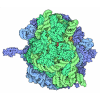
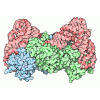
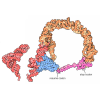
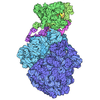
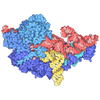

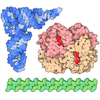



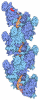
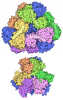
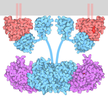
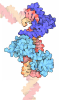
- Assembly
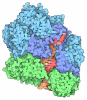
| Deposited unit | 
|
|---|---|
| 1 |
|
-Components
-Large ribosomal subunit protein ... , 11 types, 11 molecules B1BABBBEBFBaBbBjBoBrBt
| #1: Protein | Mass: 20531.773 Da / Num. of mol.: 1 Source method: isolated from a genetically manipulated source Details: Xbp1u porion: P17861 Rpl4 portion: P36578,Xbp1u porion: P17861 Rpl4 portion: P36578,Xbp1u porion: P17861 Rpl4 portion: P36578,Xbp1u porion: P17861 Rpl4 portion: P36578,Xbp1u porion: P17861 ...Details: Xbp1u porion: P17861 Rpl4 portion: P36578,Xbp1u porion: P17861 Rpl4 portion: P36578,Xbp1u porion: P17861 Rpl4 portion: P36578,Xbp1u porion: P17861 Rpl4 portion: P36578,Xbp1u porion: P17861 Rpl4 portion: P36578,Xbp1u porion: P17861 Rpl4 portion: P36578,Xbp1u porion: P17861 Rpl4 portion: P36578,Xbp1u porion: P17861 Rpl4 portion: P36578 Source: (gene. exp.) Homo sapiens (human) / Gene: RPL4, RPL1, XBP1, TREB5, XBP2 / Production host: Homo sapiens (human) / References: UniProt: P17861 |
|---|---|
| #7: Protein | Mass: 28103.855 Da / Num. of mol.: 1 / Source method: isolated from a natural source / Source: (natural) Homo sapiens (human) / References: UniProt: P62917 |
| #8: Protein | Mass: 46224.133 Da / Num. of mol.: 1 / Source method: isolated from a natural source / Source: (natural) Homo sapiens (human) / References: UniProt: P39023 |
| #11: Protein | Mass: 32810.176 Da / Num. of mol.: 1 / Source method: isolated from a natural source / Source: (natural) Homo sapiens (human) / References: UniProt: Q02878 |
| #12: Protein | Mass: 29290.973 Da / Num. of mol.: 1 / Source method: isolated from a natural source / Source: (natural) Homo sapiens (human) / References: UniProt: P18124 |
| #32: Protein | Mass: 16619.527 Da / Num. of mol.: 1 / Source method: isolated from a natural source / Details: modified histidine / Source: (natural) Homo sapiens (human) / References: UniProt: P46776 |
| #33: Protein | Mass: 17817.295 Da / Num. of mol.: 1 / Source method: isolated from a natural source / Details: modified lysine / Source: (natural) Homo sapiens (human) / References: UniProt: P47914 |
| #41: Protein | Mass: 11111.032 Da / Num. of mol.: 1 / Source method: isolated from a natural source / Details: zinc binding protein / Source: (natural) Homo sapiens (human) / References: UniProt: P61927 |
| #45: Protein | Mass: 12489.991 Da / Num. of mol.: 1 / Source method: isolated from a natural source / Details: modified lysine, zinc binding protein / Source: (natural) Homo sapiens (human) / References: UniProt: P83881 |
| #47: Protein | Mass: 15679.466 Da / Num. of mol.: 1 / Source method: isolated from a natural source / Source: (natural) Homo sapiens (human) / References: UniProt: P46779 |
| #49: Protein | Mass: 17847.619 Da / Num. of mol.: 1 / Source method: isolated from a natural source / Source: (natural) Homo sapiens (human) / References: UniProt: P30050 |
-RNA chain , 6 types, 6 molecules B2B4B5B7B8A2
| #2: RNA chain | Mass: 24708.902 Da / Num. of mol.: 1 / Source method: isolated from a natural source Details: linked to Xbp1u-RPL4 nascent chain stalling construct Source: (natural) Homo sapiens (human) |
|---|---|
| #3: RNA chain | Mass: 1877.157 Da / Num. of mol.: 1 Source method: isolated from a genetically manipulated source Details: Xbp1u-RPL4 stalling construct / Source: (gene. exp.) Homo sapiens (human) / Production host:   Escherichia coli (E. coli) Escherichia coli (E. coli) |
| #4: RNA chain | Mass: 1640856.500 Da / Num. of mol.: 1 / Source method: isolated from a natural source Details: modified 28S rRNA, full sequence according to PDB entry 8QOI: >8QOI_1|Chain A[auth L5]|28S rRNA (3773-MER)|Homo sapiens (9606) ...Details: modified 28S rRNA, full sequence according to PDB entry 8QOI: >8QOI_1|Chain A[auth L5]|28S rRNA (3773-MER)|Homo sapiens (9606) CGCGACCUCAGAUCAGACGUGGCGACCCGCUGAAUUUAAGCAUAUUAGUCAGCGGAGGAGAAGAAACUAACCAGGAUUCCCUCAGUAACGGCGAGUGAACAGGGAAGAGCCCAGCGCCGAAUCCCCGCCCCGCGGCGGGGCGCGGGACAUGUGGCGUACGGAAGACCCGCUCCCCGGCGCCGCUCGUGGGGGGCCCAAGUCCUUCUGAUCGAGGCCCAGCCCGUGGACGGUGUGAGGCCGGUAGCGGCCCCCGGCGCGCCGGGCCCGGGUCUUCCCGGAGUCGGGUUGCUUGGGAAUGCAGCCCAAAGCGGGUGGUAAACUCCAUCUAAGGCUAAAUACCGGCACGAGACCGAUAGUCAACAAGUACCGUAAGGGAAAGUUGAAAAGAACUUUGAAGAGAGAGUUCAAGAGGGCGUGAAACCGUUAAGAGGUAAACGGGUGGGGUCCGCGCAGUCCGCCCGGAGGAUUCAACCCGGCGGCGGGUCCGGCCGUGUCGGCGGCCCGGCGGAUCUUUCCCGCCCCCCGUUCCUCCCGACCCCUCCACCCGCCCUCCCUUCCCCCGCCGCCCCUCCUCCUCCUCCCCGGAGGGGGCGGGCUCCGGCGGGUGCGGGGGUGGGCGGGCGGGGCCGGGGGUGGGGUCGGCGGGGGACCGUCCCCCGACCGGCGACCGGCCGCCGCCGGGCGCAUUUCCACCGCGGCGGUGCGCCGCGACCGGCUCCGGGACGGCUGGGAAGGCCCGGCGGGGAAGGUGGCUCGGGGGGCCCCGUCCGUCCGUCCGUCCGUCCUCCUCCUCCCCCGUCUCCGCCCCCCGGCCCCGCGUCCUCCCUCGGGAGGGCGCGCGGGUCGGGGCGGCGGCGGCGGCGGCGGUGGCGGCGGCGGCGGCGGCGGCGGGACCGAAACCCCCCCGAGUGUUACAGCCCCCCCGGCAGCAGCACUCGCCGAAUCCCGGGGCCGAGGGAGCGAGACCCGUCGCCGCGCUCUCCCCCCUCCCGGCGCCCACCCCCGCGGGGAAUCCCCCGCGAGGGGGGUCUCCCCCGCGGGGGCGCGCCGGCGUCUCCUCGUGGGGGGGCCGGGCCACCCCUCCCACGGCGCGACCGCUCUCCCACCCCUCCUCCCCGCGCCCCCGCCCCGGCGACGGGGGGGGUGCCGCGCGCGGGUCGGGGGGCGGGGCGGACUGUCCCCAGUGCGCCCCGGGCGGGUCGCGCCGUCGGGCCCGGGGGAGGUUCUCUCGGGGCCACGCGCGCGUCCCCCGAAGAGGGGGACGGCGGAGCGAGCGCACGGGGUCGGCGGCGACGUCGGCUACCCACCCGACCCGUCUUGAAACACGGACCAAGGAGUCUAACACGUGCGCGAGUCGGGGGCUCGCACGAAAGCCGCCGUGGCGCAAUGAAGGUGAAGGCCGGCGCGCUCGCCGGCCGAGGUGGGAUCCCGAGGCCUCUCCAGUCCGCCGAGGGUGCACCACCGGCCCGUCUCGCCCGCCGCGCCGGGGAGGUGGAGCACGAGCGCACGUGUUAGGACCCGAAAGAUGGUGAACUAUGCCUGGGCAGGGCGAAGCCAGAGGAAACUCUGGUGGAGGUCCGUAGCGGUCCUGACGUGCAAAUCGGUCGUCCGACCUGGGUAUAGGGGCGAAAGACUAAUCGAACCAUCUAGUAGCUGGUUCCCUCCGAAGUUUCCCUCAGGAUAGCUGGCGCUCUCGCAGACCCGACGCACCCCCGCCACGCAGUUUUAUCCGGUAAAGCGAAUGAUUAGAGGUCUUGGGGCCGAAACGAUCUCAACCUAUUCUCAAACUUUAAAUGGGUAAGAAGCCCGGCUCGCUGGCGUGGAGCCGGGCGUGGAAUGCGAGUGCCUAGUGGGCCACUUUUGGUAAGCAGAACUGGCGCUGCGGGAUGAACCGAACGCCGGGUUAAGGCGCCCGAUGCCGACGCUCAUCAGACCCCAGAAAAGGUGUUGGUUGAUAUAGACAGCAGGACGGUGGCCAUGGAAGUCGGAAUCCGCUAAGGAGUGUGUAACAACUCACCUGCCGAAUCAACUAGCCCUGAAAAUGGAUGGCGCUGGAGCGUCGGGCCCAUACCCGGCCGUCGCCGGCAGUCGAGAGUGGACGGGAGCGGCGGGGGCGGCGCGCGCGCGCGCGCGUGUGGUGUGCGUCGGAGGGCGGCGGCGGCGGCGGCGGCGGGGGUGUGGGGUCCUUCCCCCGCCCCCCCCCCCACGCCUCCUCCCCUCCUCCCGCCCACGCCCCGCUCCCCGCCCCCGGAGCCCCGCGGACGCUACGCCGCGACGAGUAGGAGGGCCGCUGCGGUGAGCCUUGAAGCCUAGGGCGCGGGCCCGGGUGGAGCCGCCGCAGGUGCAGAUCUUGGUGGUAGUAGCAAAUAUUCAAACGAGAACUUUGAAGGCCGAAGUGGAGAAGGGUUCCAUGUGAACAGCAGUUGAACAUGGGUCAGUCGGUCCUGAGAGAUGGGCGAGCGCCGUUCCGAAGGGACGGGCGAUGGCCUCCGUUGCCCUCGGCCGAUCGAAAGGGAGUCGGGUUCAGAUCCCCGAAUCCGGAGUGGCGGAGAUGGGCGCCGCGAGGCGUCCAGUGCGGUAACGCGACCGAUCCCGGAGAAGCCGGCGGGAGCCCCGGGGAGAGUUCUCUUUUCUUUGUGAAGGGCAGGGCGCCCUGGAAUGGGUUCGCCCCGAGAGAGGGGCCCGUGCCUUGGAAAGCGUCGCGGUUCCGGCGGCGUCCGGUGAGCUCUCGCUGGCCCUUGAAAAUCCGGGGGAGAGGGUGUAAAUCUCGCGCCGGGCCGUACCCAUAUCCGCAGCAGGUCUCCAAGGUGAACAGCCUCUGGCAUGUUGGAACAAUGUAGGUAAGGGAAGUCGGCAAGCCGGAUCCGUAACUUCGGGAUAAGGAUUGGCUCUAAGGGCUGGGUCGGUCGGGCUGGGGCGCGAAGCGGGGCUGGGCGCGCGCCGCGGCUGGACGAGGCGCCGCCGCCCCCCCCACGCCCGGGGCACCCCCCUCGCGGCCCUCCCCCGCCCCACCCCGCGCGCGCCGCUCGCUCCCUCCCCGCCCCGCGCCCUCUCUCUCUCUCUCUCCCCCGCUCCCCGUCCUCCCCCCUCCCCGGGGGAGCGCCGCGUGGGGGCGGCGGCGGGGGGAGAAGGGUCGGGGCGGCAGGGGCCGGCGGCGGCCCGCCGCGGGGCCCCGGCGGCGGGGGCACGGUCCCCCGCGAGGGGGGCCCGGGCACCCGGGGGGCCGGCGGCGGCGGCGACUCUGGACGCGAGCCGGGCCCUUCCCGUGGAUCGCCCCAGCUGCGGCGGGCGUCGCGGCCGCCCCCGGGGAGCCCGGCGGGCGCCGGCGCGCCCCCCCCCCCACCCCACGUCUCGUCGCGCGCGCGUCCGCUGGGGGCGGGGAGCGGUCGGGCGGCGGCGGUCGGCGGGCGGCGGGGCGGGGCGGUUCGUCCCCCCGCCCUACCCCCCCGGCCCCGUCCGCCCCCCGUUCCCCCCUCCUCCUCGGCGCGCGGCGGCGGCGGCGGCAGGCGGCGGAGGGGCCGCGGGCCGGUCCCCCCCGCCGGGUCCGCCCCCGGGGCCGCGGUUCCGCGCGGCGCCUCGCCUCGGCCGGCGCCUAGCAGCCGACUUAGAACUGGUGCGGACCAGGGGAAUCCGACUGUUUAAUUAAAACAAAGCAUCGCGAAGGCCCGCGGCGGGUGUUGACGCGAUGUGAUUUCUGCCCAGUGCUCUGAAUGUCAAAGUGAAGAAAUUCAAUGAAGCGCGGGUAAACGGCGGGAGUAACUAUGACUCUCUUAAGGUAGCCAAAUGCCUCGUCAUCUAAUUAGUGACGCGCAUGAAXGGAUGAACGAGAUUCCCACUGUCCCUACCUACUAUCCAGCGAAACCACAGCCAAGGGAACGGGCUUGGCGGAAUCAGCGGGGAAAGAAGACCCUGUUGAGCUUGACUCUAGUCUGGCACGGUGAAGAGACAUGAGAGGUGUAGAAUAAGUGGGAGGCCCCCGGCGCCCCCCCGGUGUCCCCGCGAGGGGCCCGGGGCGGGGUCCGCCGGCCCUGCGGGCCGCCGGUGAAAUACCACUACUCUGAUCGUUUUUUCACUGACCCGGUGAGGCGGGGGGGCGAGCCCCGAGGGGCUCUCGCUUCUGGCGCCAAGCGCCCGGCCGCGCGCCGGCCGGGCGCGACCCGCUCCGGGGACAGUGCCAGGUGGGGAGUUUGACUGGGGCGGUACACCUGUCAAACGGUAACGCAGGUGUCCUAAGGCGAGCUCAGGGAGGACAGAAACCUCCCGUGGAGCAGAAGGGCAAAAGCUCGCUUGAUCUUGAUUUUCAGUACGAAUACAGACCGUGAAAGCGGGGCCUUACGAUCCUUCUGACCUUUUGGGUUUUAAGCAGGAGGUGUCAGAAAAGUUACCACAGGGAUAACUGGCUUGUGGCGGCCAAGCGUUCAUAGCGACGUCGCUUUUUGAUCCUUCGAUGUCGGCUCUUCCUAUCAUUGUGAAGCAGAAUUCACCAAGCGUUGGAUUGUUCACCCACUAAUAGGGAACGUGAGCUGGGUUUAGACCGUCGUGAGACAGGUUAGUUUUACCCUACUGAUGAUGUGUUGUUGCCAUGGUAAUCCUGCUCAGUACGAGAGGAACCGCAGGUUCAGACAUUUGGUGUAUGUGCUUGGCUGAGGAGCCAAUGGGGCGAAGCUACCAUCUGUGGGAUUAUGACUGAACGCCUCUAAGUCAGAAUCCCGCCCAGGCGGAACGAUACGGCAGCGCCGCGGAGCCUCGGUUGGCCUCGGAUAGCCGGUCCCCCGCCUGUCCCCGCCGGCGGGCCGCCCCCCCCCUCCACGCGCCCCGCGCGCGCGGGAGGGCGCGUGCCCCGCCGCGCGCCGGGACCGGGGUCCGGUGCGGAGUGCCCUUCGUCCUGGGAAACGGGGCGCGGCCGGAAAGGCGGCCGCCCCCUCGCCCGUCACGCACCGCACGUUCGUGGGGAACCUGGCGCUAAACCAUUCGUAGACGACCUGCUUCUGGGUCGGGGUUUCGUACGUAGCAGAGCAGCUCCCUCGCUGCGAUCUAUUGAAAGUCAGCCCUCGACACAAGGGUUUGUC Source: (natural) Homo sapiens (human) |
| #5: RNA chain | Mass: 38851.871 Da / Num. of mol.: 1 / Source method: isolated from a natural source Details: modified 5S rRNA, full sequence according to PDB entry 8QOI: >8QOI_2|Chain B[auth L7]|5S rRNA (120-MER)|Homo sapiens (9606) ...Details: modified 5S rRNA, full sequence according to PDB entry 8QOI: >8QOI_2|Chain B[auth L7]|5S rRNA (120-MER)|Homo sapiens (9606) GUCUACGGCCAUACCACCCUGAACGCGCCCGAUCUCGUCUGAUCUCGGAAGCUAAGCAGGGUCGGGCCUGGUUAGUACUUGGAUGGGAGACCGCCUGGGAAUACCGGGUGCUGUAGGCUU Source: (natural) Homo sapiens (human) / References: GenBank: 23898 |
| #6: RNA chain | Mass: 50477.867 Da / Num. of mol.: 1 / Source method: isolated from a natural source Details: modified 5.8S rRNA, full sequence according to PDB entry 8QOI: >8QOI_3|Chain C[auth L8]|5.8S rRNA (156-MER)|Homo sapiens (9606) ...Details: modified 5.8S rRNA, full sequence according to PDB entry 8QOI: >8QOI_3|Chain C[auth L8]|5.8S rRNA (156-MER)|Homo sapiens (9606) CGACUCUUAGCGGUGGAUCACUCGGCUCGUGCGUCGAUGAAGAACGCAGCUAGCUGCGAGAAUUAAUGUGAAUUGCAGGACACAUUGAUCAUCGACACUUCGAACGCACUUGCGGCCCCGGGUUCCUCCCGGGGCUACGCCUGUCUGAGCGUCGCUU Source: (natural) Homo sapiens (human) / References: GenBank: 2033716901 |
| #52: RNA chain | Mass: 603622.250 Da / Num. of mol.: 1 / Source method: isolated from a natural source Details: modified 18S rRNA, full sequence according to PDB entry 8QOI: >8QOI_46|Chain TA[auth S2]|18S rRNA (1740-MER)|Homo sapiens (9606) ...Details: modified 18S rRNA, full sequence according to PDB entry 8QOI: >8QOI_46|Chain TA[auth S2]|18S rRNA (1740-MER)|Homo sapiens (9606) UACCUGGUUGAUCCUGCCAGUAGCAUAUGCUUGUCUCAAAGAUUAAGCCAUGCAUGUCUAAGUACGCACGGCCGGUACAGUGAAACUGCGAAUGGCUCAUUAAAUCAGUUAUGGUUCCUUUGGUCGCUCGCUCCUCUCCCACUUGGAUAACUGUGGUAAUUCUAGAGCUAAUACAUGCCGACGGGCGCUGACCCCCUUCGCGGGGGGGAUGCGUGCAUUUAUCAGAUCAAAACCAACCCGGUCAGCCCCUCUCCGGCCCCGGCCGGGGGGCGGGCGCCGGCGGCUUUGGUGACUCUAGAUAACCUCGGGCCGAUCGCACGCCCCCCGUGGCGGCGACGACCCAUUCGAACGUCUGCCCUAUCAACUUUCGAUGGUAGUCGCCGUGCCUACCAUGGUGACCACGGGUGACGGGGAAUCAGGGUUCGAUUCCGGAGAGGGAGCCUGAGAAACGGCUACCACAUCCAAGGAAGGCAGCAGGCGCGCAAAUUACCCACUCCCGACCCGGGGAGGUAGUGACGAAAAAUAACAAUACAGGACUCUUUCGAGGCCCUGUAAUUGGAAUGAGUCCACUUUAAAUCCUUUAACGAGGAUCCAUUGGAGGGCAAGUCUGGUGCCAGCAGCCGCGGUAAUUCCAGCUCCAAUAGCGUAUAUUAAAGUUGCUGCAGUUAAAAAGCUCGUAGUUGGAUCUUGGGAGCGGGCGGGCGGUCCGCCGCGAGGCGAGCCACCGCCCGUCCCCGCCCCUUGCCUCUCGGCGCCCCCUCGAUGCUCUUAGCUGAGUGUCCCGCGGGGCCCGAAGCGUUUACUUUGAAAAAAUUAGAGUGUUCAAAGCAGGCCCGAGCCGCCUGGAUACCGCAGCUAGGAAUAAUGGAAUAGGACCGCGGUUCUAUUUUGUUGGUUUUCGGAACUGAGGCCAUGAUUAAGAGGGACGGCCGGGGGCAUUCGUAUUGCGCCGCUAGAGGUGAAAUUCUUGGACCGGCGCAAGACGGACCAGAGCGAAAGCAUUUGCCAAGAAUGUUUUCAUUAAUCAAGAACGAAAGUCGGAGGUUCGAAGACGAUCAGAUACCGUCGUAGUUCCGACCAUAAACGAUGCCGACCGGCGAUGCGGCGGCGUUAUUCCCAUGACCCGCCGGGCAGCUUCCGGGAAACCAAAGUCUUUGGGUUCCGGGGGGAGUAUGGUUGCAAAGCUGAAACUUAAAGGAAUUGACGGAAGGGCACCACCAGGAGUGGAGCCUGCGGCUUAAUUUGACXCAACACGGGAAACCUCACCCGGCCCGGACACGGACAGGAUUGACAGAUUGAUAGCUCUUUCUCGAUUCCGUGGGUGGXGGUGCAUGGCNGUUCUUAGUUGGUGGAGCGAUUUGUCUGGUUAAUUCCGAUAACGAACGAGACUCUGGCAUGCUAACUAGUUACGCGACCCCCGAGCGGUCGGCGUCCCCCAACUUCUUAGAGGGACAAGUGGCGUUCAGCCACCCGAGAUUGAGCAAUAACAGGUCUGUGAUGCCCUUAGAUGUCCGGGGCUGCACGCGCGCUACACUGACUGGCUCAGCGUGUGCCUACCCUACGCCGGCAGGCGCGGGUAACCCGUUGAACCCCAUUCGUGAUGGGGAUCGGGGAUUGCAAUUAUUCCCCAUGAACGAGXAAUUCCCAGUAAGUGCGGGUCAUAAGCUUGCGUUGAUUAAGUCCCUGCCCUUUGUACACACCGCCCGUCGCUACUACCGAUUGGAUGGUUUAGUGAGGCCCUCGGAUCGGCCCCGCCGGGGUCGGCCCACGGCCCUGGCGGAGCGCUGAGAAGACGGUCGAACUUGACUAUCUAGAGGAAGUAAAAGUCGUAACAAGGUUUCNGUAGGUGAACCUGCGGAAGGAUCAUUA Source: (natural) Homo sapiens (human) |
+60S ribosomal protein ... , 32 types, 32 molecules BCBDBGBHBIBJBLBMBNBOBPBQBRBSBTBUBVBWBXBYBZBcBdBeBfBgBhBiBkBlBpAh
-Protein , 7 types, 7 molecules BmBsBuBvAeAfAg
| #44: Protein | Mass: 14758.394 Da / Num. of mol.: 1 / Source method: isolated from a natural source / Source: (natural) Homo sapiens (human) / References: UniProt: P62987 |
|---|---|
| #48: Protein | Mass: 34309.418 Da / Num. of mol.: 1 / Source method: isolated from a natural source / Source: (natural) Homo sapiens (human) / References: UniProt: P05388 |
| #50: Protein | Mass: 23406.824 Da / Num. of mol.: 1 / Source method: isolated from a natural source / Source: (natural) Homo sapiens (human) / References: UniProt: Q13765 |
| #51: Protein | Mass: 22201.000 Da / Num. of mol.: 1 / Source method: isolated from a natural source / Source: (natural) Homo sapiens (human) / References: UniProt: P20290 |
| #83: Protein | Mass: 14415.724 Da / Num. of mol.: 1 / Source method: isolated from a natural source / Source: (natural) Homo sapiens (human) / References: UniProt: P62861 |
| #84: Protein | Mass: 18004.041 Da / Num. of mol.: 1 / Source method: isolated from a natural source / Source: (natural) Homo sapiens (human) / References: UniProt: P62979 |
| #85: Protein | Mass: 35115.652 Da / Num. of mol.: 1 / Source method: isolated from a natural source / Source: (natural) Homo sapiens (human) / References: UniProt: P63244 |
-Small ribosomal subunit protein ... , 8 types, 8 molecules AAAEALASATAVAXAZ
| #53: Protein | Mass: 32778.777 Da / Num. of mol.: 1 / Source method: isolated from a natural source / Details: N-terminal modification / Source: (natural) Homo sapiens (human) / References: UniProt: P08865 |
|---|---|
| #57: Protein | Mass: 29654.869 Da / Num. of mol.: 1 / Source method: isolated from a natural source / Source: (natural) Homo sapiens (human) / References: UniProt: P62701 |
| #64: Protein | Mass: 18468.826 Da / Num. of mol.: 1 / Source method: isolated from a natural source / Source: (natural) Homo sapiens (human) / References: UniProt: P62280 |
| #71: Protein | Mass: 17654.619 Da / Num. of mol.: 1 / Source method: isolated from a natural source / Details: modified N-terminus / Source: (natural) Homo sapiens (human) / References: UniProt: P62269 |
| #72: Protein | Mass: 16104.579 Da / Num. of mol.: 1 / Source method: isolated from a natural source / Details: modified arginine / Source: (natural) Homo sapiens (human) / References: UniProt: P39019 |
| #74: Protein | Mass: 9150.427 Da / Num. of mol.: 1 / Source method: isolated from a natural source / Source: (natural) Homo sapiens (human) / References: UniProt: P63220 |
| #76: Protein | Mass: 15860.666 Da / Num. of mol.: 1 / Source method: isolated from a natural source / Details: modified proline (cis-hydroxyproline) / Source: (natural) Homo sapiens (human) / References: UniProt: P62266 |
| #78: Protein | Mass: 13776.224 Da / Num. of mol.: 1 / Source method: isolated from a natural source / Source: (natural) Homo sapiens (human) / References: UniProt: P62851 |
+40S ribosomal protein ... , 22 types, 22 molecules ABACADAFAGAHAIAJAKAMANAOAPAQARAUAWAYAaAbAcAd
-Non-polymers , 2 types, 440 molecules 

| #87: Chemical | ChemComp-MG /  Mass: 24.305 Da / Num. of mol.: 432 / Source method: obtained synthetically / Formula: Mg Mass: 24.305 Da / Num. of mol.: 432 / Source method: obtained synthetically / Formula: Mg#88: Chemical | ChemComp-ZN / 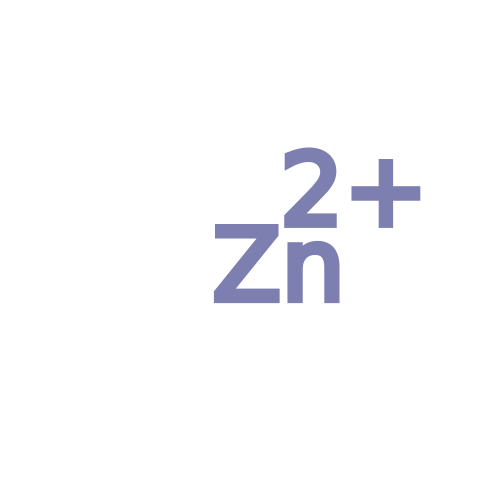 Mass: 65.409 Da / Num. of mol.: 8 / Source method: obtained synthetically / Formula: Zn Mass: 65.409 Da / Num. of mol.: 8 / Source method: obtained synthetically / Formula: Zn |
|---|
-Details
| Has ligand of interest | Y |
|---|---|
| Has protein modification | Y |
-Experimental details
-Experiment
| Experiment | Method: ELECTRON MICROSCOPY |
|---|---|
| EM experiment | Aggregation state: PARTICLE / 3D reconstruction method: single particle reconstruction |
- Sample preparation
| Component | Name: XBP1u-stalled RPL4 RNC in complex with NAC / Type: RIBOSOME / Entity ID: #1-#86 / Source: NATURAL |
|---|---|
| Molecular weight | Value: 4.3 MDa / Experimental value: NO |
| Source (natural) | Organism: Homo sapiens (human) |
| Buffer solution | pH: 7.4 |
| Specimen | Embedding applied: NO / Shadowing applied: NO / Staining applied: NO / Vitrification applied: YES |
| Specimen support | Grid material: COPPER / Grid mesh size: 300 divisions/in. / Grid type: Quantifoil |
| Vitrification | Cryogen name: ETHANE-PROPANE |
- Electron microscopy imaging
| Experimental equipment |  Model: Titan Krios / Image courtesy: FEI Company |
|---|---|
| Microscopy | Model: TFS KRIOS |
| Electron gun | Electron source:  FIELD EMISSION GUN / Accelerating voltage: 300 kV / Illumination mode: FLOOD BEAM FIELD EMISSION GUN / Accelerating voltage: 300 kV / Illumination mode: FLOOD BEAM |
| Electron lens | Mode: BRIGHT FIELD / Nominal defocus max: 2200 nm / Nominal defocus min: 700 nm |
| Image recording | Electron dose: 50 e/Å2 / Film or detector model: GATAN K3 (6k x 4k) |
- Processing
| EM software |
| ||||||||||||||||||||
|---|---|---|---|---|---|---|---|---|---|---|---|---|---|---|---|---|---|---|---|---|---|
| CTF correction | Type: PHASE FLIPPING AND AMPLITUDE CORRECTION | ||||||||||||||||||||
| 3D reconstruction | Resolution: 2.7 Å / Resolution method: FSC 0.143 CUT-OFF / Num. of particles: 104588 / Symmetry type: POINT | ||||||||||||||||||||
| Atomic model building | Protocol: RIGID BODY FIT / Space: REAL | ||||||||||||||||||||
| Atomic model building | 3D fitting-ID: 1 / Source name: PDB / Type: experimental model
|