[English] 日本語
Yorodumi
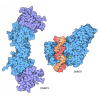
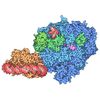
- EMDB-47349: The consensus model of the cryo-EM structure of human DNMT3A2-DNM... -

+
Open data


ID or keywords:

Loading...

-
Basic information

Entry
Database: EMDB / ID: EMD-47349
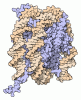
TitleThe consensus model of the cryo-EM structure of human DNMT3A2-DNMT3B3 complex bound to di-nucleosome
Map data
Sample
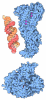
  • Complex: DNMT3A/3B tetramer bound to di-nucleosome
    • Protein or peptide: Histone H3.2
    • Protein or peptide: Histone H4
    • Protein or peptide: Histone H2A
    • Protein or peptide: Histone H2B
    • DNA: DNA (321-MER)
    • DNA: DNA (321-MER)
    • Protein or peptide: Isoform 3 of DNA (cytosine-5)-methyltransferase 3B
    • Protein or peptide: DNA (cytosine-5)-methyltransferase 3A
  • Ligand: ZINC ION
  • Ligand: S-ADENOSYL-L-HOMOCYSTEINE
KeywordsDNMT3A2 / DNMT3B3 / DNA methylation / di-nucleosome / DNA BINDING PROTEIN
Function / homology
Function and homology information


DNA (cytosine-5-)-methyltransferase activity, acting on CpG substrates / transposable element silencing by piRNA-mediated DNA methylation / positive regulation of cellular response to hypoxia / protein-cysteine methyltransferase activity / DNA-methyltransferase activity / regulatory ncRNA-mediated heterochromatin formation / cellular response to bisphenol A / unmethylated CpG binding / DNA (cytosine-5-)-methyltransferase / DNA (cytosine-5-)-methyltransferase activity ...DNA (cytosine-5-)-methyltransferase activity, acting on CpG substrates / transposable element silencing by piRNA-mediated DNA methylation / positive regulation of cellular response to hypoxia / protein-cysteine methyltransferase activity / DNA-methyltransferase activity / regulatory ncRNA-mediated heterochromatin formation / cellular response to bisphenol A / unmethylated CpG binding / DNA (cytosine-5-)-methyltransferase / DNA (cytosine-5-)-methyltransferase activity / autosome genomic imprinting / SUMOylation of DNA methylation proteins / XY body / response to vitamin A / DNA methylation-dependent constitutive heterochromatin formation / hepatocyte apoptotic process / response to ionizing radiation / negative regulation of gene expression via chromosomal CpG island methylation / lncRNA binding / cellular response to ethanol / chromosome, centromeric region / catalytic complex / negative regulation of megakaryocyte differentiation / protein localization to CENP-A containing chromatin / heterochromatin / Chromatin modifying enzymes / Replacement of protamines by nucleosomes in the male pronucleus / CENP-A containing nucleosome / Packaging Of Telomere Ends / Recognition and association of DNA glycosylase with site containing an affected purine / Cleavage of the damaged purine / Deposition of new CENPA-containing nucleosomes at the centromere / telomere organization / Recognition and association of DNA glycosylase with site containing an affected pyrimidine / Cleavage of the damaged pyrimidine / Interleukin-7 signaling / RNA Polymerase I Promoter Opening / Inhibition of DNA recombination at telomere / Transferases; Transferring one-carbon groups; Methyltransferases / Assembly of the ORC complex at the origin of replication / Meiotic synapsis / SUMOylation of chromatin organization proteins / Regulation of endogenous retroelements by the Human Silencing Hub (HUSH) complex / DNA methylation / Condensation of Prophase Chromosomes / Chromatin modifications during the maternal to zygotic transition (MZT) / SIRT1 negatively regulates rRNA expression / HCMV Late Events / ERCC6 (CSB) and EHMT2 (G9a) positively regulate rRNA expression / PRC2 methylates histones and DNA / post-embryonic development / Regulation of endogenous retroelements by KRAB-ZFP proteins / response to cocaine / Defective pyroptosis / Negative Regulation of CDH1 Gene Transcription / HDACs deacetylate histones / cellular response to amino acid stimulus / Regulation of endogenous retroelements by Piwi-interacting RNAs (piRNAs) / Nonhomologous End-Joining (NHEJ) / RNA Polymerase I Promoter Escape / Transcriptional regulation by small RNAs / euchromatin / Formation of the beta-catenin:TCF transactivating complex / Activated PKN1 stimulates transcription of AR (androgen receptor) regulated genes KLK2 and KLK3 / HDMs demethylate histones / RUNX1 regulates genes involved in megakaryocyte differentiation and platelet function / G2/M DNA damage checkpoint / NoRC negatively regulates rRNA expression / B-WICH complex positively regulates rRNA expression / PKMTs methylate histone lysines / response to lead ion / DNA Damage/Telomere Stress Induced Senescence / Pre-NOTCH Transcription and Translation / Meiotic recombination / response to toxic substance / Activation of anterior HOX genes in hindbrain development during early embryogenesis / nuclear matrix / Transcriptional regulation of granulopoiesis / RMTs methylate histone arginines / neuron differentiation / HCMV Early Events / structural constituent of chromatin / transcription corepressor activity / response to estradiol / nucleosome / nucleosome assembly / Recruitment and ATM-mediated phosphorylation of repair and signaling proteins at DNA double strand breaks / HATs acetylate histones / Factors involved in megakaryocyte development and platelet production / RUNX1 regulates transcription of genes involved in differentiation of HSCs / MLL4 and MLL3 complexes regulate expression of PPARG target genes in adipogenesis and hepatic steatosis / chromatin organization / Processing of DNA double-strand break ends / Senescence-Associated Secretory Phenotype (SASP) / gene expression / Oxidative Stress Induced Senescence / spermatogenesis / methylation / cellular response to hypoxia / Estrogen-dependent gene expression
Similarity search - Function
DNA (cytosine-5)-methyltransferase 3A, ADD domain / : / DNA (cytosine-5-)-methyltransferase, N-terminal / DNA (cytosine-5)-methyltransferase 3B, ADD domain / DNMT3, cysteine rich ADD domain / : / DNMT3, cysteine rich ADD domain, GATA1-like zinc finger / DNMT3, ADD PHD zinc finger / ADD domain / ADD domain profile. ...DNA (cytosine-5)-methyltransferase 3A, ADD domain / : / DNA (cytosine-5-)-methyltransferase, N-terminal / DNA (cytosine-5)-methyltransferase 3B, ADD domain / DNMT3, cysteine rich ADD domain / : / DNMT3, cysteine rich ADD domain, GATA1-like zinc finger / DNMT3, ADD PHD zinc finger / ADD domain / ADD domain profile. / : / DNA methylase, C-5 cytosine-specific, active site / C-5 cytosine-specific DNA methylases active site. / C-5 cytosine-specific DNA methylase (Dnmt) domain profile. / C-5 cytosine methyltransferase / C-5 cytosine-specific DNA methylase / domain with conserved PWWP motif / PWWP domain / PWWP domain profile. / PWWP domain / TATA box binding protein associated factor / TATA box binding protein associated factor (TAF), histone-like fold domain / Histone H4, conserved site / Histone H4 signature. / Histone H4 / Histone H4 / CENP-T/Histone H4, histone fold / Centromere kinetochore component CENP-T histone fold / Zinc finger, FYVE/PHD-type / Histone H3 signature 1. / Histone H3 signature 2. / Histone H3 / Histone H3/CENP-A / Histone H2A/H2B/H3 / Core histone H2A/H2B/H3/H4 domain / Histone-fold / S-adenosyl-L-methionine-dependent methyltransferase superfamily
Similarity search - Domain/homology
Histone H4 / Histone H3.2 / DNA (cytosine-5)-methyltransferase 3B / DNA (cytosine-5)-methyltransferase 3A
Similarity search - Component
Biological speciesHomo sapiens (human)
Methodsingle particle reconstruction / cryo EM / Resolution: 8.0 Å
AuthorsXie X / Zhou XE / Worden EJ / Jones PA
Funding support United States, 1 items
OrganizationGrant numberCountry
National Institutes of Health/National Cancer Institute (NIH/NCI)R35CA209859 United States
CitationJournal: To Be Published
Title: The structure basis for de novo DNA methylation in chromatin
Authors: Xie X / Liu M / Zhou XE / Worden EJ / Jones PA
History
DepositionOct 17, 2024-
Header (metadata) releaseFeb 18, 2026-
Map releaseFeb 18, 2026-
UpdateFeb 18, 2026-
Current statusFeb 18, 2026Processing site: RCSB / Status: Released

-
Structure visualization

Supplemental images

Downloads & links

-
Map

FileDownload / File: emd_47349.map.gz / Format: CCP4 / Size: 421.9 MB / Type: IMAGE STORED AS FLOATING POINT NUMBER (4 BYTES)
Projections & slices

Image control

Size
Brightness
Contrast
Others
AxesZ (Sec.)Y (Row.)X (Col.)
0.83 Å/pix.
x 480 pix.
= 397.44 Å
0.83 Å/pix.
x 480 pix.
= 397.44 Å
0.83 Å/pix.
x 480 pix.
= 397.44 Å

Surface

Projections

Slices (1/3)

Slices (1/2)

Slices (2/3)

Images are generated by Spider.

Voxel sizeX=Y=Z: 0.828 Å
Density
Contour LevelBy AUTHOR: 0.021
Minimum - Maximum-0.073860526 - 0.20176406
Average (Standard dev.)-0.00019287622 (±0.009377244)
SymmetrySpace group: 1
Details

EMDB XML:

Map geometry
Axis orderXYZ
Origin000
Dimensions480480480
Spacing480480480
CellA=B=C: 397.44 Å
α=β=γ: 90.0 °

-
Supplemental data

-
Half map: #1

Fileemd_47349_half_map_1.map
Projections & Slices
AxesZYX

Projections

Slices (1/2)
Density Histograms

-
Half map: #2

Fileemd_47349_half_map_2.map
Projections & Slices
AxesZYX

Projections

Slices (1/2)
Density Histograms

-
Sample components

+
Entire : DNMT3A/3B tetramer bound to di-nucleosome

EntireName: DNMT3A/3B tetramer bound to di-nucleosome
Components
  • Complex: DNMT3A/3B tetramer bound to di-nucleosome
    • Protein or peptide: Histone H3.2
    • Protein or peptide: Histone H4
    • Protein or peptide: Histone H2A
    • Protein or peptide: Histone H2B
    • DNA: DNA (321-MER)
    • DNA: DNA (321-MER)
    • Protein or peptide: Isoform 3 of DNA (cytosine-5)-methyltransferase 3B
    • Protein or peptide: DNA (cytosine-5)-methyltransferase 3A
  • Ligand: ZINC ION
  • Ligand: S-ADENOSYL-L-HOMOCYSTEINE

+
Supramolecule #1: DNMT3A/3B tetramer bound to di-nucleosome

SupramoleculeName: DNMT3A/3B tetramer bound to di-nucleosome / type: complex / ID: 1 / Parent: 0 / Macromolecule list: #1-#8
Source (natural)Organism: Homo sapiens (human)

+
Macromolecule #1: Histone H3.2

MacromoleculeName: Histone H3.2 / type: protein_or_peptide / ID: 1 / Number of copies: 4 / Enantiomer: LEVO
Source (natural)Organism: Homo sapiens (human)
Molecular weightTheoretical: 15.30393 KDa
Recombinant expressionOrganism: Escherichia coli (E. coli)
SequenceString:
ARTKQTARKS TGGKAPRKQL ATKAARKSAP ATGGVKKPHR YRPGTVALRE IRRYQKSTEL LIRKLPFQRL VREIAQDFKT DLRFQSSAV MALQEASEAY LVALFEDTNL CAIHAKRVTI MPKDIQLARR IRGERA

UniProtKB: Histone H3.2

+
Macromolecule #2: Histone H4

MacromoleculeName: Histone H4 / type: protein_or_peptide / ID: 2 / Number of copies: 4 / Enantiomer: LEVO
Source (natural)Organism: Homo sapiens (human)
Molecular weightTheoretical: 11.394426 KDa
Recombinant expressionOrganism: Escherichia coli (E. coli)
SequenceString:
MSGRGKGGKG LGKGGAKRHR KVLRDNIQGI TKPAIRRLAR RGGVKRISGL IYEETRGVLK VFLENVIRDA VTYTEHAKRK TVTAMDVVY ALKRQGRTLY GFGG

UniProtKB: Histone H4

+
Macromolecule #3: Histone H2A

MacromoleculeName: Histone H2A / type: protein_or_peptide / ID: 3 / Number of copies: 4 / Enantiomer: LEVO
Source (natural)Organism: Homo sapiens (human)
Molecular weightTheoretical: 13.978241 KDa
Recombinant expressionOrganism: Escherichia coli (E. coli)
SequenceString:
SGRGKQGGKT RAKAKTRSSR AGLQFPVGRV HRLLRKGNYA ERVGAGAPVY LAAVLEYLTA EILELAGNAA RDNKKTRIIP RHLQLAVRN DEELNKLLGR VTIAQGGVLP NIQSVLLPKK TESSKSAKSK

+
Macromolecule #4: Histone H2B

MacromoleculeName: Histone H2B / type: protein_or_peptide / ID: 4 / Number of copies: 4 / Enantiomer: LEVO
Source (natural)Organism: Homo sapiens (human)
Molecular weightTheoretical: 13.655948 KDa
Recombinant expressionOrganism: Escherichia coli (E. coli)
SequenceString:
MAKSAPAPKK GSKKAVTKTQ KKDGKKRRKT RKESYAIYVY KVLKQVHPDT GISSKAMSIM NSFVNDVFER IAGEASRLAH YNKRSTITS REIQTAVRLL LPGELAKHAV SEGTKAVTKY TSAK

+
Macromolecule #7: Isoform 3 of DNA (cytosine-5)-methyltransferase 3B

MacromoleculeName: Isoform 3 of DNA (cytosine-5)-methyltransferase 3B / type: protein_or_peptide / ID: 7 / Number of copies: 4 / Enantiomer: LEVO / EC number: DNA (cytosine-5-)-methyltransferase
Source (natural)Organism: Homo sapiens (human)
Molecular weightTheoretical: 86.702383 KDa
Recombinant expressionOrganism: Spodoptera (butterflies/moths)
SequenceString: MKGDTRHLNG EEDAGGREDS ILVNGACSDQ SSDSPPILEA IRTPEIRGRR SSSRLSKREV SSLLSYTQDL TGDGDGEDGD GSDTPVMPK LFRETRTRSE SPAVRTRNNN SVSSRERHRP SPRSTRGRQG RNHVDESPVE FPATRSLRRR ATASAGTPWP S PPSSYLTI ...String:
MKGDTRHLNG EEDAGGREDS ILVNGACSDQ SSDSPPILEA IRTPEIRGRR SSSRLSKREV SSLLSYTQDL TGDGDGEDGD GSDTPVMPK LFRETRTRSE SPAVRTRNNN SVSSRERHRP SPRSTRGRQG RNHVDESPVE FPATRSLRRR ATASAGTPWP S PPSSYLTI DLTDDTEDTH GTPQSSSTPY ARLAQDSQQG GMESPQVEAD SGDGDSSEYQ DGKEFGIGDL VWGKIKGFSW WP AMVVSWK ATSKRQAMSG MRWVQWFGDG KFSEVSADKL VALGLFSQHF NLATFNKLVS YRKAMYHALE KARVRAGKTF PSS PGDSLE DQLKPMLEWA HGGFKPTGIE GLKPNNTQPE NKTRRRTADD SATSDYCPAP KRLKTNCYNN GKDRGDEKDY DQSR EQMAS DVANNKSSLE DGCLSCGRKN PVSFHPLFEG GLCQTCRDRF LELFYMYDDD GYQSYCTVCC EGRELLLCSN TSCCR CFCV ECLEVLVGTG TAAEAKLQEP WSCYMCLPQR CHGVLRRRKD WNVRLQAFFT SDTGLEYEAP KLYPAIPAAR RRPIRV LSL FDGIATGYLV LKELGIKVGK YVASEVCEES IAVGTVKHEG NIKYVNDVRN ITKKNIEEWG PFDLVIGGSP CNDLSNV NP ARKGLYEGTG RLFFEFYHLL NYSRPKEGDD RPFFWMFENV VAMKVGDKRD ISRFLECNPV MIDAIKVSAA HRARYFWG N LPGMNRIFGF PVHYTDVSNM GRGARQKLLG RSWSVPVIRH LFAPLKDYFA CE

UniProtKB: DNA (cytosine-5)-methyltransferase 3B

+
Macromolecule #8: DNA (cytosine-5)-methyltransferase 3A

MacromoleculeName: DNA (cytosine-5)-methyltransferase 3A / type: protein_or_peptide / ID: 8 / Number of copies: 4 / Enantiomer: LEVO / EC number: DNA (cytosine-5-)-methyltransferase
Source (natural)Organism: Homo sapiens (human)
Molecular weightTheoretical: 77.914711 KDa
Recombinant expressionOrganism: Spodoptera (butterflies/moths)
SequenceString: MNAVEENQGP GESQKVEEAS PPAVQQPTDP ASPTVATTPE PVGSDAGDKN ATKAGDDEPE YEDGRGFGIG ELVWGKLRGF SWWPGRIVS WWMTGRSRAA EGTRWVMWFG DGKFSVVCVE KLMPLSSFCS AFHQATYNKQ PMYRKAIYEV LQVASSRAGK L FPVCHDSD ...String:
MNAVEENQGP GESQKVEEAS PPAVQQPTDP ASPTVATTPE PVGSDAGDKN ATKAGDDEPE YEDGRGFGIG ELVWGKLRGF SWWPGRIVS WWMTGRSRAA EGTRWVMWFG DGKFSVVCVE KLMPLSSFCS AFHQATYNKQ PMYRKAIYEV LQVASSRAGK L FPVCHDSD ESDTAKAVEV QNKPMIEWAL GGFQPSGPKG LEPPEEEKNP YKEVYTDMWV EPEAAAYAPP PPAKKPRKST AE KPKVKEI IDERTRERLV YEVRQKCRNI EDICISCGSL NVTLEHPLFV GGMCQNCKNC FLECAYQYDD DGYQSYCTIC CGG REVLMC GNNNCCRCFC VECVDLLVGP GAAQAAIKED PWNCYMCGHK GTYGLLRRRE DWPSRLQMFF ANNHDQEFDP PKVY PPVPA EKRKPIRVLS LFDGIATGLL VLKDLGIQVD RYIASEVCED SITVGMVRHQ GKIMYVGDVR SVTQKHIQEW GPFDL VIGG SPCNDLSIVN PARKGLYEGT GRLFFEFYRL LHDARPKEGD DRPFFWLFEN VVAMGVSDKR DISRFLESNP VMIDAK EVS AAHRARYFWG NLPGMNRPLA STVNDKLELQ ECLEHGRIAK FSKVRTITTR SNSIKQGKDQ HFPVFMNEKE DILWCTE ME RVFGFPVHYT DVSNMSRLAR QRLLGRSWSV PVIRHLFAPL KEYFACV

UniProtKB: DNA (cytosine-5)-methyltransferase 3A

+
Macromolecule #5: DNA (321-MER)

MacromoleculeName: DNA (321-MER) / type: dna / ID: 5 / Number of copies: 1 / Classification: DNA
Source (natural)Organism: Homo sapiens (human)
Molecular weightTheoretical: 99.578164 KDa
SequenceString: (DT)(DC)(DG)(DG)(DC)(DC)(DG)(DC)(DC)(DA) (DC)(DA)(DG)(DG)(DA)(DT)(DG)(DT)(DA)(DT) (DA)(DT)(DA)(DT)(DC)(DT)(DG)(DA)(DC) (DA)(DC)(DG)(DT)(DG)(DC)(DC)(DT)(DG)(DG) (DA) (DG)(DA)(DC)(DT)(DA)(DG) ...String:
(DT)(DC)(DG)(DG)(DC)(DC)(DG)(DC)(DC)(DA) (DC)(DA)(DG)(DG)(DA)(DT)(DG)(DT)(DA)(DT) (DA)(DT)(DA)(DT)(DC)(DT)(DG)(DA)(DC) (DA)(DC)(DG)(DT)(DG)(DC)(DC)(DT)(DG)(DG) (DA) (DG)(DA)(DC)(DT)(DA)(DG)(DG)(DG) (DA)(DG)(DT)(DA)(DA)(DT)(DC)(DC)(DC)(DC) (DT)(DT) (DG)(DG)(DC)(DG)(DG)(DT)(DT) (DA)(DA)(DA)(DA)(DC)(DG)(DC)(DG)(DG)(DG) (DG)(DG)(DA) (DC)(DA)(DG)(DC)(DG)(DC) (DG)(DT)(DA)(DC)(DG)(DT)(DG)(DC)(DG)(DT) (DT)(DT)(DA)(DA) (DG)(DC)(DG)(DG)(DT) (DG)(DC)(DT)(DA)(DG)(DA)(DG)(DC)(DT)(DG) (DT)(DC)(DT)(DA)(DC) (DG)(DA)(DC)(DC) (DA)(DA)(DT)(DT)(DG)(DA)(DG)(DC)(DG)(DG) (DC)(DC)(DT)(DC)(DG)(DG) (DC)(DA)(DC) (DC)(DG)(DG)(DG)(DA)(DT)(DT)(DC)(DT)(DC) (DC)(DA)(DG)(DC)(DA)(DG)(DC) (DT)(DG) (DC)(DA)(DA)(DC)(DA)(DG)(DG)(DA)(DT)(DG) (DT)(DA)(DT)(DA)(DT)(DA)(DT)(DC) (DT) (DG)(DA)(DC)(DA)(DC)(DG)(DT)(DG)(DC)(DC) (DT)(DG)(DG)(DA)(DG)(DA)(DC)(DT)(DA) (DG)(DG)(DG)(DA)(DG)(DT)(DA)(DA)(DT)(DC) (DC)(DC)(DC)(DT)(DT)(DG)(DG)(DC)(DG)(DG) (DT)(DT)(DA)(DA)(DA)(DA)(DC)(DG)(DC) (DG)(DG)(DG)(DG)(DG)(DA)(DC)(DA)(DG)(DC) (DG) (DC)(DG)(DT)(DA)(DC)(DG)(DT)(DG) (DC)(DG)(DT)(DT)(DT)(DA)(DA)(DG)(DC)(DG) (DG)(DT) (DG)(DC)(DT)(DA)(DG)(DA)(DG) (DC)(DT)(DG)(DT)(DC)(DT)(DA)(DC)(DG)(DA) (DC)(DC)(DA) (DA)(DT)(DT)(DG)(DA)(DG) (DC)(DG)(DG)(DC)(DC)(DT)(DC)(DG)(DG)(DC) (DA)(DC)(DC)(DG) (DG)(DG)(DA)(DT)(DT) (DC)(DT)(DC)(DC)(DA)(DG)(DG)(DG)(DC)(DG) (DG)(DC)(DC)(DG)(DA) (DT)

+
Macromolecule #6: DNA (321-MER)

MacromoleculeName: DNA (321-MER) / type: dna / ID: 6 / Number of copies: 1 / Classification: DNA
Source (natural)Organism: Homo sapiens (human)
Molecular weightTheoretical: 98.701617 KDa
SequenceString: (DA)(DT)(DC)(DG)(DG)(DC)(DC)(DG)(DC)(DC) (DC)(DT)(DG)(DG)(DA)(DG)(DA)(DA)(DT)(DC) (DC)(DC)(DG)(DG)(DT)(DG)(DC)(DC)(DG) (DA)(DG)(DG)(DC)(DC)(DG)(DC)(DT)(DC)(DA) (DA) (DT)(DT)(DG)(DG)(DT)(DC) ...String:
(DA)(DT)(DC)(DG)(DG)(DC)(DC)(DG)(DC)(DC) (DC)(DT)(DG)(DG)(DA)(DG)(DA)(DA)(DT)(DC) (DC)(DC)(DG)(DG)(DT)(DG)(DC)(DC)(DG) (DA)(DG)(DG)(DC)(DC)(DG)(DC)(DT)(DC)(DA) (DA) (DT)(DT)(DG)(DG)(DT)(DC)(DG)(DT) (DA)(DG)(DA)(DC)(DA)(DG)(DC)(DT)(DC)(DT) (DA)(DG) (DC)(DA)(DC)(DC)(DG)(DC)(DT) (DT)(DA)(DA)(DA)(DC)(DG)(DC)(DA)(DC)(DG) (DT)(DA)(DC) (DG)(DC)(DG)(DC)(DT)(DG) (DT)(DC)(DC)(DC)(DC)(DC)(DG)(DC)(DG)(DT) (DT)(DT)(DT)(DA) (DA)(DC)(DC)(DG)(DC) (DC)(DA)(DA)(DG)(DG)(DG)(DG)(DA)(DT)(DT) (DA)(DC)(DT)(DC)(DC) (DC)(DT)(DA)(DG) (DT)(DC)(DT)(DC)(DC)(DA)(DG)(DG)(DC)(DA) (DC)(DG)(DT)(DG)(DT)(DC) (DA)(DG)(DA) (DT)(DA)(DT)(DA)(DT)(DA)(DC)(DA)(DT)(DC) (DC)(DT)(DG)(DT)(DT)(DG)(DC) (DA)(DG) (DC)(DT)(DG)(DC)(DT)(DG)(DG)(DA)(DG)(DA) (DA)(DT)(DC)(DC)(DC)(DG)(DG)(DT) (DG) (DC)(DC)(DG)(DA)(DG)(DG)(DC)(DC)(DG)(DC) (DT)(DC)(DA)(DA)(DT)(DT)(DG)(DG)(DT) (DC)(DG)(DT)(DA)(DG)(DA)(DC)(DA)(DG)(DC) (DT)(DC)(DT)(DA)(DG)(DC)(DA)(DC)(DC)(DG) (DC)(DT)(DT)(DA)(DA)(DA)(DC)(DG)(DC) (DA)(DC)(DG)(DT)(DA)(DC)(DG)(DC)(DG)(DC) (DT) (DG)(DT)(DC)(DC)(DC)(DC)(DC)(DG) (DC)(DG)(DT)(DT)(DT)(DT)(DA)(DA)(DC)(DC) (DG)(DC) (DC)(DA)(DA)(DG)(DG)(DG)(DG) (DA)(DT)(DT)(DA)(DC)(DT)(DC)(DC)(DC)(DT) (DA)(DG)(DT) (DC)(DT)(DC)(DC)(DA)(DG) (DG)(DC)(DA)(DC)(DG)(DT)(DG)(DT)(DC)(DA) (DG)(DA)(DT)(DA) (DT)(DA)(DT)(DA)(DC) (DA)(DT)(DC)(DC)(DT)(DG)(DT)(DG)(DG)(DC) (DG)(DG)(DC)(DC)(DG) (DA)

+
Macromolecule #9: ZINC ION

MacromoleculeName: ZINC ION / type: ligand / ID: 9 / Number of copies: 18 / Formula: ZN
Molecular weightTheoretical: 65.409 Da

+
Macromolecule #10: S-ADENOSYL-L-HOMOCYSTEINE
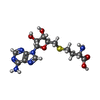
MacromoleculeName: S-ADENOSYL-L-HOMOCYSTEINE / type: ligand / ID: 10 / Number of copies: 4 / Formula: SAH
Molecular weightTheoretical: 384.411 Da
Chemical component information

ChemComp-SAH:
S-ADENOSYL-L-HOMOCYSTEINE

-
Experimental details

-
Structure determination

Methodcryo EM
Processingsingle particle reconstruction
Aggregation stateparticle

-
Sample preparation

BufferpH: 7.8
VitrificationCryogen name: ETHANE

-
Electron microscopy

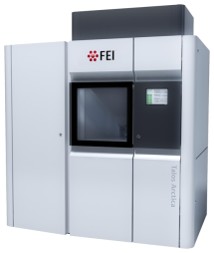
MicroscopeFEI TALOS ARCTICA
Image recordingFilm or detector model: GATAN K3 (6k x 4k) / Average electron dose: 61.0 e/Å2
Electron beamAcceleration voltage: 300 kV / Electron source: FIELD EMISSION GUN
Electron opticsIllumination mode: FLOOD BEAM / Imaging mode: BRIGHT FIELD / Nominal defocus max: 1.5 µm / Nominal defocus min: 1.1 µm
Experimental equipment
Model: Talos Arctica / Image courtesy: FEI Company

+
Image processing

CTF correctionType: NONE
Startup modelType of model: PDB ENTRY
PDB model - PDB ID:
Final reconstructionResolution.type: BY AUTHOR / Resolution: 8.0 Å / Resolution method: FSC 0.143 CUT-OFF / Number images used: 211221
Initial angle assignmentType: ANGULAR RECONSTITUTION
Final angle assignmentType: ANGULAR RECONSTITUTION

+
About Yorodumi

-
News

-
Feb 9, 2022. New format data for meta-information of EMDB entries

New format data for meta-information of EMDB entries

  • Version 3 of the EMDB header file is now the official format.
  • The previous official version 1.9 will be removed from the archive.

Related info.:EMDB header

External links:wwPDB to switch to version 3 of the EMDB data model

-
Aug 12, 2020. Covid-19 info

Covid-19 info

URL: https://pdbj.org/emnavi/covid19.php

New page: Covid-19 featured information page in EM Navigator.

Related info.:Covid-19 info / Mar 5, 2020. Novel coronavirus structure data

+
Mar 5, 2020. Novel coronavirus structure data

Novel coronavirus structure data

Related info.:Yorodumi Speices / Aug 12, 2020. Covid-19 info

External links:COVID-19 featured content - PDBj / Molecule of the Month (242):Coronavirus Proteases

+
Jan 31, 2019. EMDB accession codes are about to change! (news from PDBe EMDB page)

EMDB accession codes are about to change! (news from PDBe EMDB page)

  • The allocation of 4 digits for EMDB accession codes will soon come to an end. Whilst these codes will remain in use, new EMDB accession codes will include an additional digit and will expand incrementally as the available range of codes is exhausted. The current 4-digit format prefixed with “EMD-” (i.e. EMD-XXXX) will advance to a 5-digit format (i.e. EMD-XXXXX), and so on. It is currently estimated that the 4-digit codes will be depleted around Spring 2019, at which point the 5-digit format will come into force.
  • The EM Navigator/Yorodumi systems omit the EMD- prefix.

Related info.:Q: What is EMD? / ID/Accession-code notation in Yorodumi/EM Navigator

External links:EMDB Accession Codes are Changing Soon! / Contact to PDBj

+
Jul 12, 2017. Major update of PDB

Major update of PDB

  • wwPDB released updated PDB data conforming to the new PDBx/mmCIF dictionary.
  • This is a major update changing the version number from 4 to 5, and with Remediation, in which all the entries are updated.
  • In this update, many items about electron microscopy experimental information are reorganized (e.g. em_software).
  • Now, EM Navigator and Yorodumi are based on the updated data.

External links:wwPDB Remediation / Enriched Model Files Conforming to OneDep Data Standards Now Available in the PDB FTP Archive

-
Yorodumi

Thousand views of thousand structures

  • Yorodumi is a browser for structure data from EMDB, PDB, SASBDB, etc.
  • This page is also the successor to EM Navigator detail page, and also detail information page/front-end page for Omokage search.
  • The word "yorodu" (or yorozu) is an old Japanese word meaning "ten thousand". "mi" (miru) is to see.

Related info.:EMDB / PDB / SASBDB / Comparison of 3 databanks / Yorodumi Search / Aug 31, 2016. New EM Navigator & Yorodumi / Yorodumi Papers / Jmol/JSmol / Function and homology information / Changes in new EM Navigator and Yorodumi

Read more