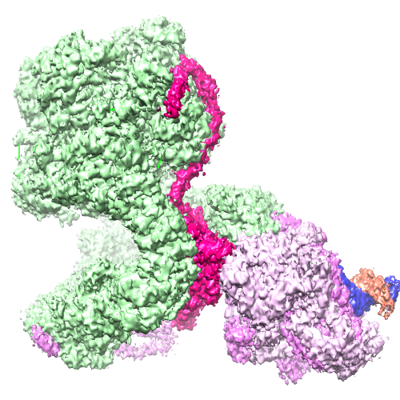
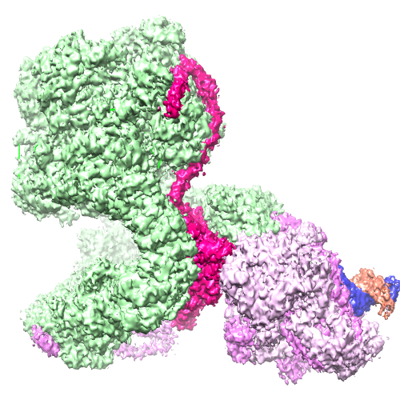
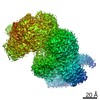
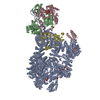
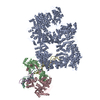
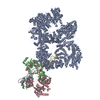
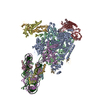
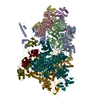
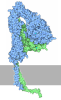
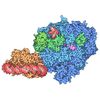
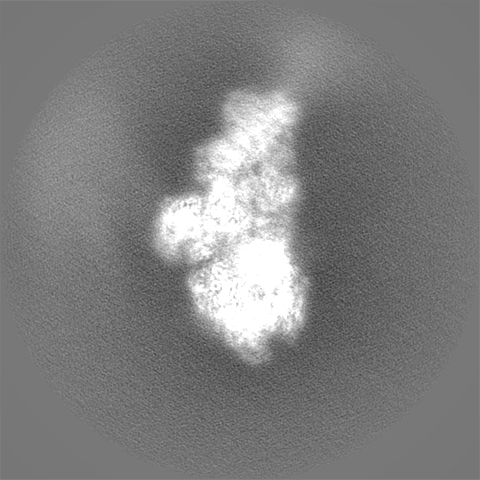
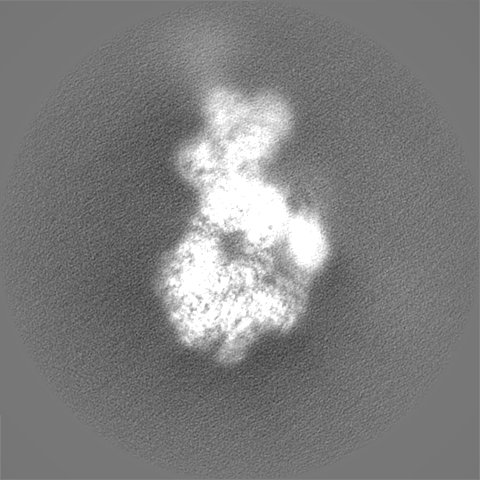
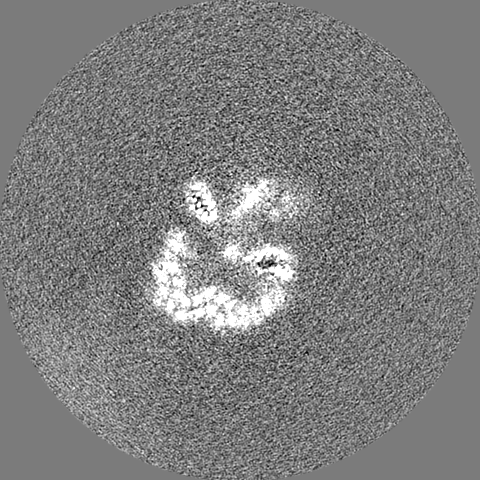
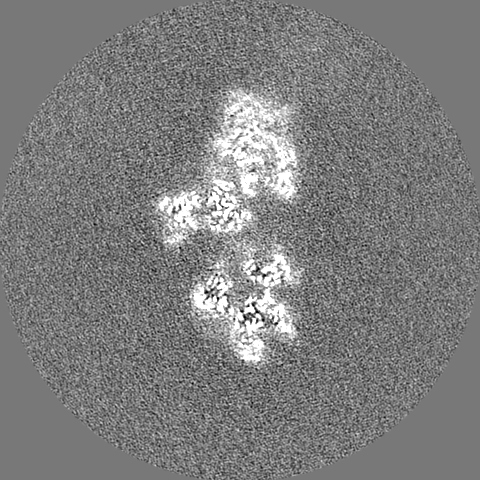
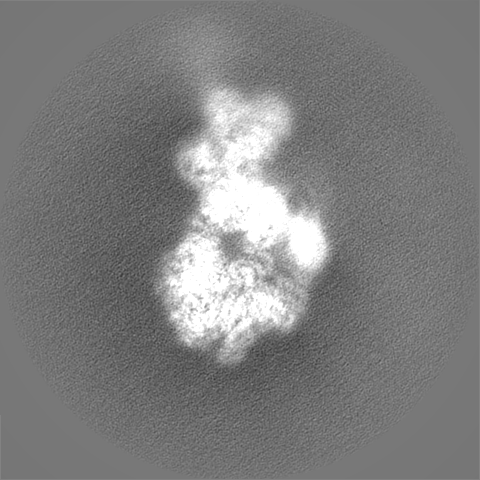
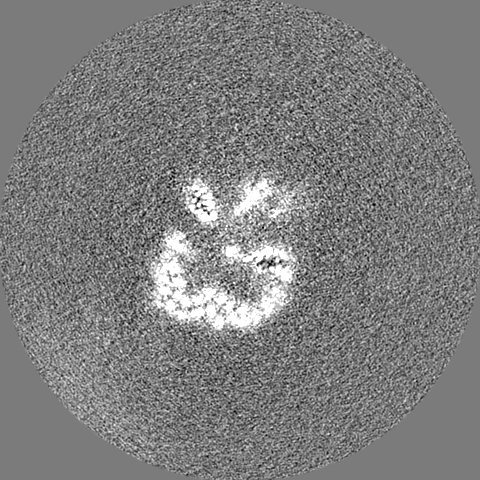
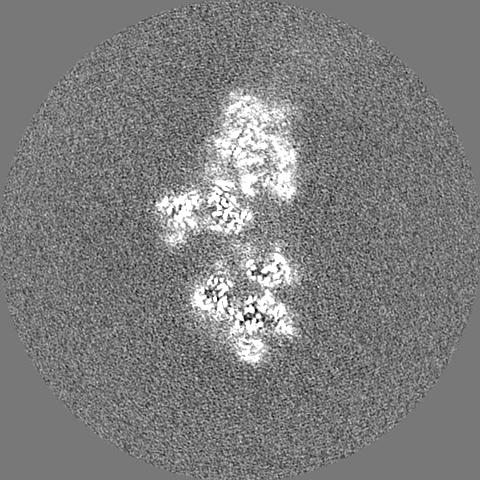
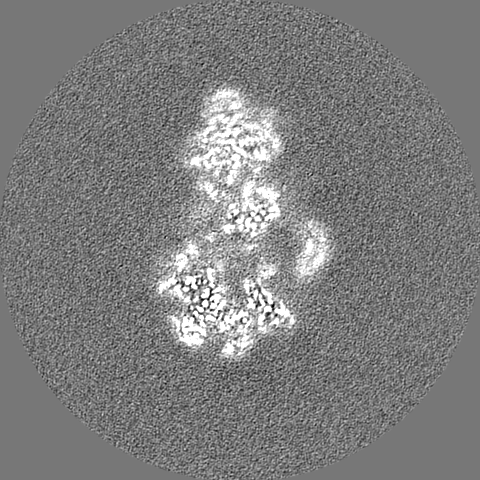
- EMDB-25113: DNA-PK complex of DNA end processing -
+
Open data
ID or keywords:
Loading...
-
Basic information
Entry
Database: EMDB / ID: EMD-25113
Title
DNA-PK complex of DNA end processing
Map data
Sample
Complex: Complex of DNA-PKcs, KU70, Ku80, Artemis and DNA
Protein or peptide: DNA-dependent protein kinase catalytic subunit
Protein or peptide: X-ray repair cross-complementing protein 6
Protein or peptide: X-ray repair cross-complementing protein 5
Protein or peptide: Protein artemis
DNA: Hairpin_1
Ligand: MAGNESIUM ION
Ligand: ADENOSINE-5'-TRIPHOSPHATE
Ligand: INOSITOL HEXAKISPHOSPHATE
Ligand: ZINC ION
Keywords
endonuclease / Kinase / complex / DNA BINDING PROTEIN / TRANSFERASE / DNA BINDING PROTEIN-DNA complex
Function / homology
Function and homology information
positive regulation of platelet formation / Ku70:Ku80 complex / T cell receptor V(D)J recombination / single-stranded DNA endodeoxyribonuclease activity / negative regulation of t-circle formation / pro-B cell differentiation / DNA end binding / DNA-dependent protein kinase activity / small-subunit processome assembly / positive regulation of lymphocyte differentiation ...positive regulation of platelet formation / Ku70:Ku80 complex / T cell receptor V(D)J recombination / single-stranded DNA endodeoxyribonuclease activity / negative regulation of t-circle formation / pro-B cell differentiation / DNA end binding / DNA-dependent protein kinase activity / small-subunit processome assembly / positive regulation of lymphocyte differentiation / histone H2AXS139 kinase activity / DNA-dependent protein kinase complex / DNA-dependent protein kinase-DNA ligase 4 complex / immunoglobulin V(D)J recombination / nonhomologous end joining complex / immature B cell differentiation / V(D)J recombination / regulation of smooth muscle cell proliferation / cellular response to X-ray / regulation of epithelial cell proliferation / double-strand break repair via alternative nonhomologous end joining / double-strand break repair via classical nonhomologous end joining / nuclear telomere cap complex / Cytosolic sensors of pathogen-associated DNA / telomere capping / IRF3-mediated induction of type I IFN / 5'-3' exonuclease activity / 5'-3' DNA exonuclease activity / regulation of hematopoietic stem cell differentiation / recombinational repair / regulation of telomere maintenance / positive regulation of neurogenesis / U3 snoRNA binding / protein localization to chromosome, telomeric region / T cell lineage commitment / maturation of 5.8S rRNA / cellular hyperosmotic salinity response / positive regulation of double-strand break repair via nonhomologous end joining / B cell lineage commitment / negative regulation of cGAS/STING signaling pathway / 2-LTR circle formation / response to ionizing radiation / hematopoietic stem cell proliferation / peptidyl-threonine phosphorylation / telomeric DNA binding / DNA 3'-5' helicase / negative regulation of protein phosphorylation / positive regulation of protein kinase activity / 5'-deoxyribose-5-phosphate lyase activity / hematopoietic stem cell differentiation / somitogenesis / ATP-dependent activity, acting on DNA / ectopic germ cell programmed cell death / site of DNA damage / telomere maintenance via telomerase / interstrand cross-link repair / mitotic G1 DNA damage checkpoint signaling / neurogenesis / activation of innate immune response / positive regulation of erythrocyte differentiation / DNA helicase activity / B cell differentiation / telomere maintenance / cyclin binding / DNA-(apurinic or apyrimidinic site) lyase / positive regulation of translation / cellular response to leukemia inhibitory factor / response to gamma radiation / protein modification process / Nonhomologous End-Joining (NHEJ) / small-subunit processome / peptidyl-serine phosphorylation / enzyme activator activity / protein-DNA complex / cellular response to gamma radiation / regulation of circadian rhythm / brain development / double-strand break repair via nonhomologous end joining / protein destabilization / Hydrolases; Acting on acid anhydrides; Acting on acid anhydrides to facilitate cellular and subcellular movement / cellular response to insulin stimulus / intrinsic apoptotic signaling pathway in response to DNA damage / T cell differentiation in thymus / rhythmic process / double-strand break repair / E3 ubiquitin ligases ubiquitinate target proteins / heart development / double-stranded DNA binding / scaffold protein binding / secretory granule lumen / endonuclease activity / DNA recombination / transcription regulator complex / ficolin-1-rich granule lumen / damaged DNA binding / Hydrolases; Acting on ester bonds / RNA polymerase II-specific DNA-binding transcription factor binding / adaptive immune response / protein phosphorylation / chromosome, telomeric region Similarity search - Function
DNA-dependent protein kinase catalytic subunit, CC3 / DNA-dependent protein kinase catalytic subunit, catalytic domain / DNA-dependent protein kinase catalytic subunit, CC5 / DNA-dependent protein kinase catalytic subunit, CC1/2 / DNA-PKcs, N-terminal / DNA-dependent protein kinase catalytic subunit, CC3 / DNA-PKcs, CC5 / DNA-PKcs, N-terminal / DNA-dependent protein kinase catalytic subunit, CC1/2 / NUC194 ...DNA-dependent protein kinase catalytic subunit, CC3 / DNA-dependent protein kinase catalytic subunit, catalytic domain / DNA-dependent protein kinase catalytic subunit, CC5 / DNA-dependent protein kinase catalytic subunit, CC1/2 / DNA-PKcs, N-terminal / DNA-dependent protein kinase catalytic subunit, CC3 / DNA-PKcs, CC5 / DNA-PKcs, N-terminal / DNA-dependent protein kinase catalytic subunit, CC1/2 / NUC194 / Ku70, bridge and pillars domain superfamily / : / Ku70 / Ku, C-terminal / Ku, C-terminal domain superfamily / Ku C terminal domain like / Ku80 / Ku70/Ku80 C-terminal arm / Ku70/Ku80 C-terminal arm / Ku70/Ku80, N-terminal alpha/beta / Ku70/Ku80 N-terminal alpha/beta domain / Ku70/Ku80 beta-barrel domain / Ku70 and Ku80 are 70kDa and 80kDa subunits of the Lupus Ku autoantigen / Ku70/Ku80 beta-barrel domain / SPOC-like, C-terminal domain superfamily / SAP domain superfamily / SAP motif profile. / SAP domain / Putative DNA-binding (bihelical) motif predicted to be involved in chromosomal organisation / SAP domain / : / DNA repair metallo-beta-lactamase / DNA repair metallo-beta-lactamase / FATC domain / PIK-related kinase, FAT / FAT domain / FATC / FATC domain / PIK-related kinase / FAT domain profile. / FATC domain profile. / Phosphatidylinositol 3- and 4-kinases signature 1. / Phosphatidylinositol 3/4-kinase, conserved site / Phosphatidylinositol 3- and 4-kinases signature 2. / Phosphatidylinositol 3-/4-kinase, catalytic domain superfamily / Phosphoinositide 3-kinase, catalytic domain / Phosphatidylinositol 3- and 4-kinase / Phosphatidylinositol 3- and 4-kinases catalytic domain profile. / Phosphatidylinositol 3-/4-kinase, catalytic domain / von Willebrand factor (vWF) type A domain / von Willebrand factor, type A / Ribonuclease Z/Hydroxyacylglutathione hydrolase-like / von Willebrand factor A-like domain superfamily / Armadillo-like helical / Armadillo-type fold / Protein kinase-like domain superfamily Similarity search - Domain/homology
DNA repair protein Ku70 / X-ray repair cross-complementing protein 5 / DNA-dependent protein kinase catalytic subunit / Protein artemis Similarity search - Component
Biological species
Homo sapiens (human) / synthetic construct (others)
Method
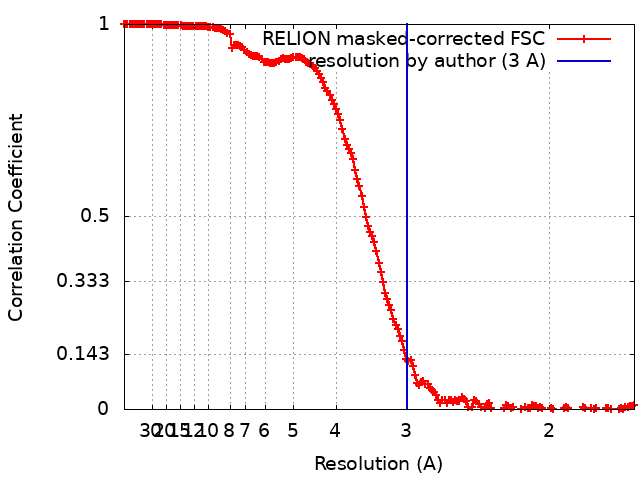
single particle reconstruction / cryo EM / Resolution: 3.0 Å
National Institutes of Health/National Institute of Diabetes and Digestive and Kidney Disease (NIH/NIDDK)
M.G., DK036167
United States
National Institutes of Health/National Institute of Diabetes and Digestive and Kidney Disease (NIH/NIDDK)
W.Y., DK036147
United States
National Institutes of Health/National Institute of Diabetes and Digestive and Kidney Disease (NIH/NIDDK)
DK036144
United States
Citation
Journal: Mol Cell / Year: 2022 Title: Autophosphorylation transforms DNA-PK from protecting to processing DNA ends. Authors: Lan Liu / Xuemin Chen / Jun Li / Huaibin Wang / Christopher J Buehl / Noah J Goff / Katheryn Meek / Wei Yang / Martin Gellert / Abstract: The DNA-dependent protein kinase (DNA-PK) initially protects broken DNA ends but then promotes their processing during non-homologous end joining (NHEJ). Before ligation by NHEJ, DNA hairpin ends ...The DNA-dependent protein kinase (DNA-PK) initially protects broken DNA ends but then promotes their processing during non-homologous end joining (NHEJ). Before ligation by NHEJ, DNA hairpin ends generated during V(D)J recombination must be opened by the Artemis nuclease, together with autophosphorylated DNA-PK. Structures of DNA-PK bound to DNA before and after phosphorylation, and in complex with Artemis and a DNA hairpin, reveal an essential functional switch. When bound to open DNA ends in its protection mode, DNA-PK is inhibited for cis-autophosphorylation of the so-called ABCDE cluster but activated for phosphorylation of other targets. In contrast, DNA hairpin ends promote cis-autophosphorylation. Phosphorylation of four Thr residues in ABCDE leads to gross structural rearrangement of DNA-PK, widening the DNA binding groove for Artemis recruitment and hairpin cleavage. Meanwhile, Artemis locks DNA-PK into the kinase-inactive state. Kinase activity and autophosphorylation of DNA-PK are regulated by different DNA ends, feeding forward to coordinate NHEJ events.
History
Deposition
Oct 6, 2021
-
Header (metadata) release
Jan 12, 2022
-
Map release
Jan 12, 2022
-
Update
Oct 23, 2024
-
Current status
Oct 23, 2024
Processing site: RCSB / Status: Released
-
Structure visualization
Movie
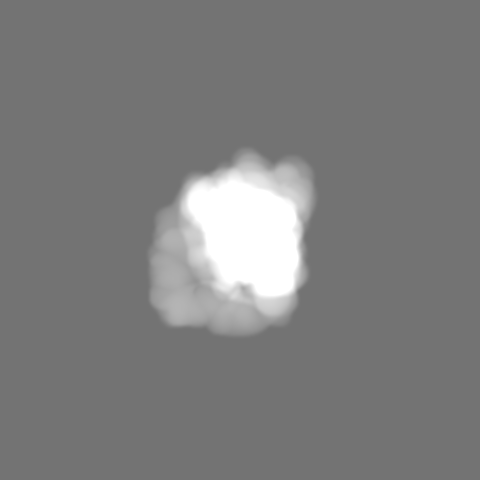
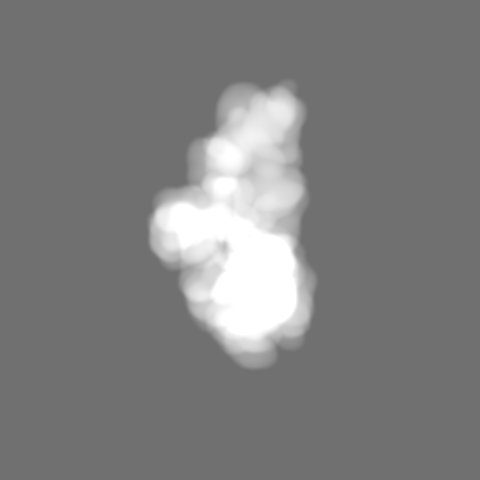
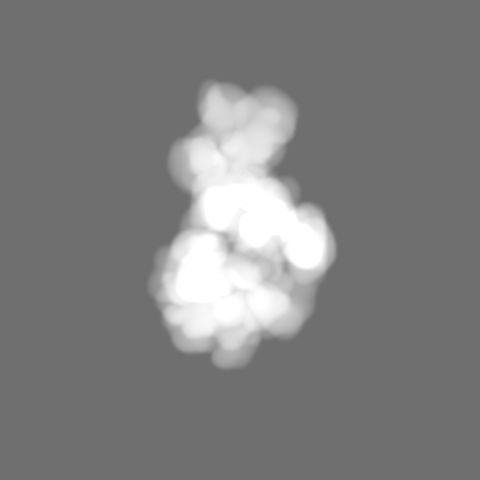
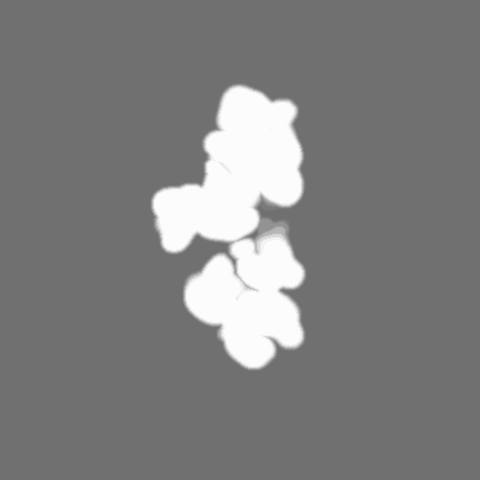
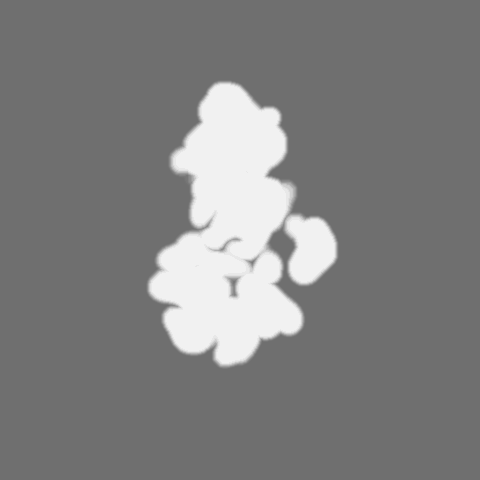
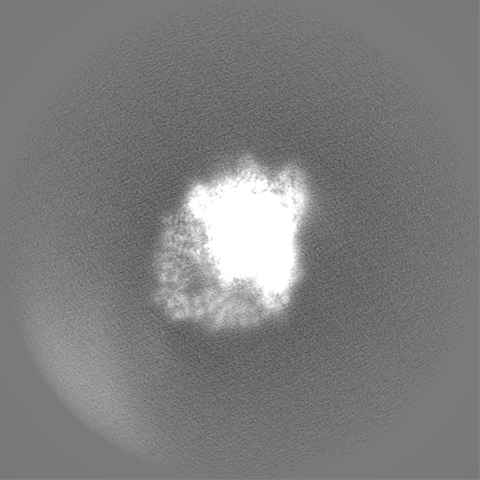
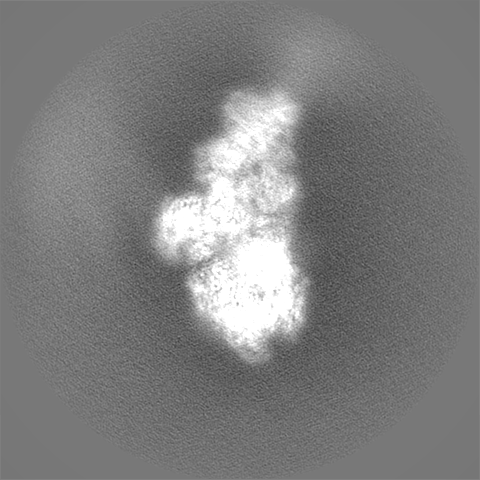
Surface view with section colored by density value
UniProtKB: DNA-dependent protein kinase catalytic subunit
+
Macromolecule #2: X-ray repair cross-complementing protein 6
Macromolecule
Name: X-ray repair cross-complementing protein 6 / type: protein_or_peptide / ID: 2 / Number of copies: 1 / Enantiomer: LEVO EC number: Hydrolases; Acting on acid anhydrides; Acting on acid anhydrides to facilitate cellular and subcellular movement
Macromolecule #3: X-ray repair cross-complementing protein 5
Macromolecule
Name: X-ray repair cross-complementing protein 5 / type: protein_or_peptide / ID: 3 / Number of copies: 1 / Enantiomer: LEVO EC number: Hydrolases; Acting on acid anhydrides; Acting on acid anhydrides to facilitate cellular and subcellular movement
Model: C-flat-1.2/1.3 / Material: COPPER / Mesh: 400 / Support film - Material: CARBON / Support film - topology: CONTINUOUS / Support film - Film thickness: 3 / Pretreatment - Type: GLOW DISCHARGE / Pretreatment - Time: 60 sec. / Pretreatment - Atmosphere: AIR
Vitrification
Cryogen name: ETHANE / Chamber humidity: 100 % / Chamber temperature: 277 K / Instrument: FEI VITROBOT MARK IV
-
Electron microscopy
Microscope
FEI TITAN KRIOS
Image recording
Film or detector model: GATAN K3 (6k x 4k) / Average electron dose: 55.9 e/Å2
Electron beam
Acceleration voltage: 300 kV / Electron source: FIELD EMISSION GUN
Electron optics
C2 aperture diameter: 100.0 µm / Illumination mode: FLOOD BEAM / Imaging mode: BRIGHT FIELD / Cs: 2.7 mm
In the structure databanks used in Yorodumi, some data are registered as the other names, "COVID-19 virus" and "2019-nCoV". Here are the details of the virus and the list of structure data.
Jan 31, 2019. EMDB accession codes are about to change! (news from PDBe EMDB page)
EMDB accession codes are about to change! (news from PDBe EMDB page)
The allocation of 4 digits for EMDB accession codes will soon come to an end. Whilst these codes will remain in use, new EMDB accession codes will include an additional digit and will expand incrementally as the available range of codes is exhausted. The current 4-digit format prefixed with “EMD-” (i.e. EMD-XXXX) will advance to a 5-digit format (i.e. EMD-XXXXX), and so on. It is currently estimated that the 4-digit codes will be depleted around Spring 2019, at which point the 5-digit format will come into force.
The EM Navigator/Yorodumi systems omit the EMD- prefix.
Related info.:Q: What is EMD? / ID/Accession-code notation in Yorodumi/EM Navigator
Yorodumi is a browser for structure data from EMDB, PDB, SASBDB, etc.
This page is also the successor to EM Navigator detail page, and also detail information page/front-end page for Omokage search.
The word "yorodu" (or yorozu) is an old Japanese word meaning "ten thousand". "mi" (miru) is to see.
Related info.:EMDB / PDB / SASBDB / Comparison of 3 databanks / Yorodumi Search / Aug 31, 2016. New EM Navigator & Yorodumi / Yorodumi Papers / Jmol/JSmol / Function and homology information / Changes in new EM Navigator and Yorodumi