establishment of RNA localization to telomere / positive regulation of telomerase catalytic core complex assembly / cellular response to nitrosative stress / negative regulation of telomere capping / peptidyl-serine autophosphorylation / Sensing of DNA Double Strand Breaks / establishment of protein-containing complex localization to telomere / positive regulation of telomere maintenance via telomere lengthening / DNA-dependent protein kinase activity / extrinsic component of synaptic vesicle membrane ...establishment of RNA localization to telomere / positive regulation of telomerase catalytic core complex assembly / cellular response to nitrosative stress / negative regulation of telomere capping / peptidyl-serine autophosphorylation / Sensing of DNA Double Strand Breaks / establishment of protein-containing complex localization to telomere / positive regulation of telomere maintenance via telomere lengthening / DNA-dependent protein kinase activity / extrinsic component of synaptic vesicle membrane / histone mRNA catabolic process / regulation of telomere maintenance via telomerase / pre-B cell allelic exclusion / histone H2AXS139 kinase activity / DNA repair complex / cellular response to X-ray / DNA double-strand break processing / regulation of autophagosome assembly / pexophagy / negative regulation of helicase activity / signal transduction by p53 class mediator / negative regulation of glucose catabolic process to lactate via pyruvate / regulation of fibroblast apoptotic process / Loss of function of TP53 in cancer due to loss of tetramerization ability / Regulation of TP53 Expression / regulation of intrinsic apoptotic signaling pathway by p53 class mediator / Impaired BRCA2 binding to PALB2 / negative regulation of miRNA processing / regulation of cell cycle G2/M phase transition / negative regulation of G1 to G0 transition / Transcriptional activation of cell cycle inhibitor p21 / intrinsic apoptotic signaling pathway in response to hypoxia / : / negative regulation of pentose-phosphate shunt / Activation of NOXA and translocation to mitochondria / germ cell nucleus / regulation of tissue remodeling / ATP-dependent DNA/DNA annealing activity / thymocyte apoptotic process / oligodendrocyte apoptotic process / oxidative stress-induced premature senescence / bone marrow development / positive regulation of thymocyte apoptotic process / positive regulation of mitochondrial membrane permeability / cellular response to actinomycin D / regulation of mitochondrial membrane permeability involved in apoptotic process / histone deacetylase regulator activity / circadian behavior / negative regulation of stem cell proliferation / positive regulation of programmed necrotic cell death / T cell proliferation involved in immune response / T cell lineage commitment / RUNX3 regulates CDKN1A transcription / B cell lineage commitment / TP53 Regulates Transcription of Death Receptors and Ligands / Activation of PUMA and translocation to mitochondria / TP53 regulates transcription of additional cell cycle genes whose exact role in the p53 pathway remain uncertain / mRNA transcription / reciprocal meiotic recombination / negative regulation of glial cell proliferation / negative regulation of neuroblast proliferation / regulation of DNA damage response, signal transduction by p53 class mediator / negative regulation of B cell proliferation / Regulation of TP53 Activity through Association with Co-factors / cellular response to stress / positive regulation of DNA damage response, signal transduction by p53 class mediator / ER overload response / mitochondrial DNA repair / Formation of Senescence-Associated Heterochromatin Foci (SAHF) / neuroblast proliferation / 1-phosphatidylinositol-3-kinase activity / mitotic spindle assembly checkpoint signaling / cardiac septum morphogenesis / necroptotic process / TP53 Regulates Transcription of Caspase Activators and Caspases / response to ionizing radiation / HDR through Single Strand Annealing (SSA) / entrainment of circadian clock by photoperiod / stem cell proliferation / hematopoietic stem cell differentiation / negative regulation of DNA replication / Homologous DNA Pairing and Strand Exchange / Defective homologous recombination repair (HRR) due to BRCA1 loss of function / Defective HDR through Homologous Recombination Repair (HRR) due to PALB2 loss of BRCA1 binding function / Defective HDR through Homologous Recombination Repair (HRR) due to PALB2 loss of BRCA2/RAD51/RAD51C binding function / Resolution of D-loop Structures through Synthesis-Dependent Strand Annealing (SDSA) / negative regulation of mitophagy / somitogenesis / Zygotic genome activation (ZGA) / mitotic G2 DNA damage checkpoint signaling / TP53 Regulates Transcription of Genes Involved in Cytochrome C Release / Resolution of D-loop Structures through Holliday Junction Intermediates / PI5P Regulates TP53 Acetylation / positive regulation of release of cytochrome c from mitochondria / Association of TriC/CCT with target proteins during biosynthesis / fibroblast proliferation / intrinsic apoptotic signaling pathway by p53 class mediator / negative regulation of telomere maintenance via telomerase / SUMOylation of transcription factors / TP53 regulates transcription of several additional cell death genes whose specific roles in p53-dependent apoptosis remain uncertain Similarity search - Function
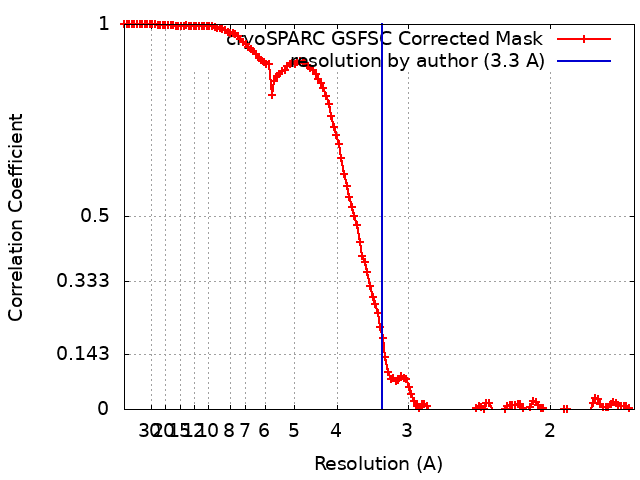
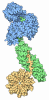
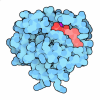
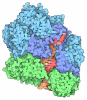
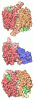
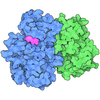
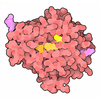
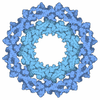
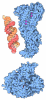
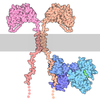
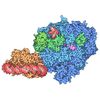
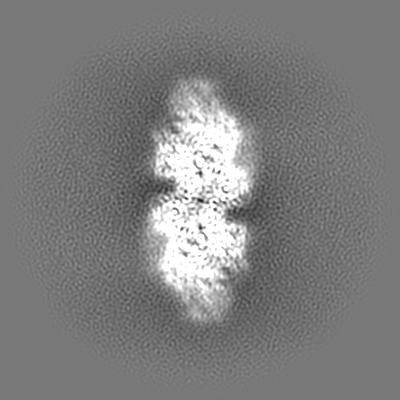
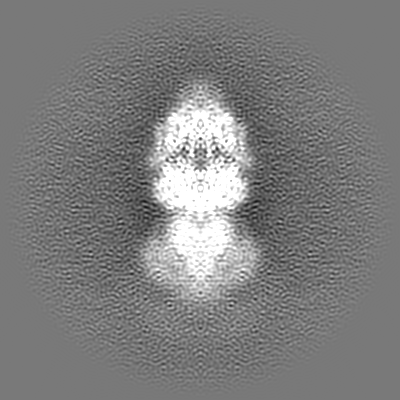
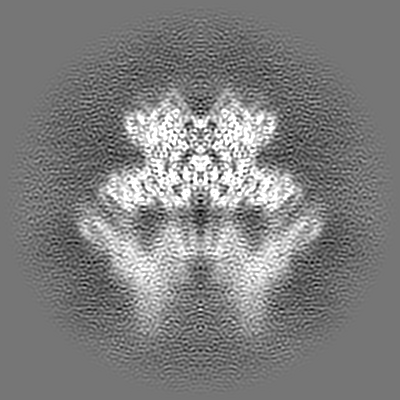
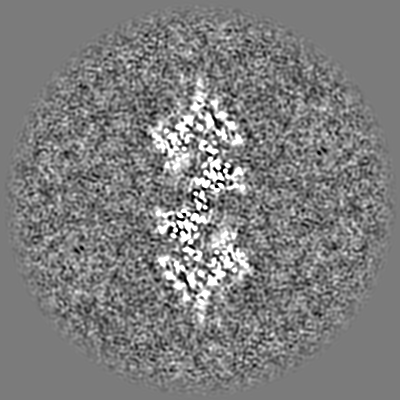
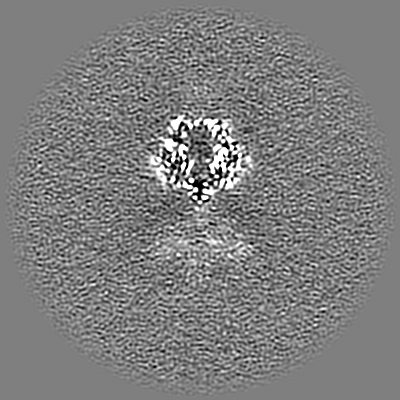
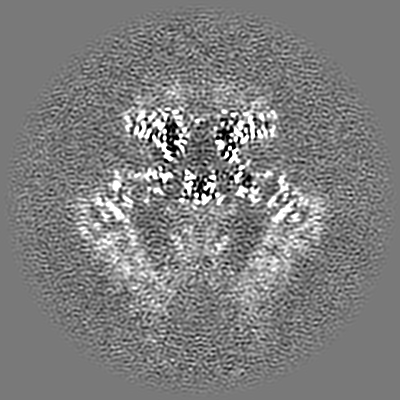
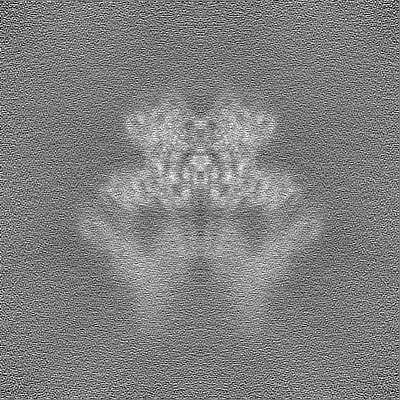
Journal: Sci Adv / Year: 2023 Title: Structural insights into the activation of ataxia-telangiectasia mutated by oxidative stress. Authors: Anna C Howes / Olga Perisic / Roger L Williams / Abstract: Ataxia-telangiectasia mutated (ATM) is a master kinase regulating DNA damage response that is activated by DNA double-strand breaks. However, ATM is also directly activated by reactive oxygen ...Ataxia-telangiectasia mutated (ATM) is a master kinase regulating DNA damage response that is activated by DNA double-strand breaks. However, ATM is also directly activated by reactive oxygen species, but how oxidative activation is achieved remains unknown. We determined the cryo-EM structure of an HO-activated ATM and showed that under oxidizing conditions, ATM formed an intramolecular disulfide bridge between two protomers that are rotated relative to each other when compared to the basal state. This rotation is accompanied by release of the substrate-blocking PRD region and twisting of the N-lobe relative to the C-lobe, which greatly optimizes catalysis. This active site remodeling enabled us to capture a substrate (p53) bound to the enzyme. This provides the first structural insights into how ATM is activated during oxidative stress.
In the structure databanks used in Yorodumi, some data are registered as the other names, "COVID-19 virus" and "2019-nCoV". Here are the details of the virus and the list of structure data.
Jan 31, 2019. EMDB accession codes are about to change! (news from PDBe EMDB page)
EMDB accession codes are about to change! (news from PDBe EMDB page)
The allocation of 4 digits for EMDB accession codes will soon come to an end. Whilst these codes will remain in use, new EMDB accession codes will include an additional digit and will expand incrementally as the available range of codes is exhausted. The current 4-digit format prefixed with “EMD-” (i.e. EMD-XXXX) will advance to a 5-digit format (i.e. EMD-XXXXX), and so on. It is currently estimated that the 4-digit codes will be depleted around Spring 2019, at which point the 5-digit format will come into force.
The EM Navigator/Yorodumi systems omit the EMD- prefix.
Related info.:Q: What is EMD? / ID/Accession-code notation in Yorodumi/EM Navigator
Yorodumi is a browser for structure data from EMDB, PDB, SASBDB, etc.
This page is also the successor to EM Navigator detail page, and also detail information page/front-end page for Omokage search.
The word "yorodu" (or yorozu) is an old Japanese word meaning "ten thousand". "mi" (miru) is to see.
Related info.:EMDB / PDB / SASBDB / Comparison of 3 databanks / Yorodumi Search / Aug 31, 2016. New EM Navigator & Yorodumi / Yorodumi Papers / Jmol/JSmol / Function and homology information / Changes in new EM Navigator and Yorodumi
 Movie
Movie Controller

 Yorodumi
 Open data
 Basic information
 Map data
 Sample
 Keywords
 Function and homology information
 Homo sapiens (human)
 Authors
 United Kingdom, 3 items
  Citation
 Structure visualization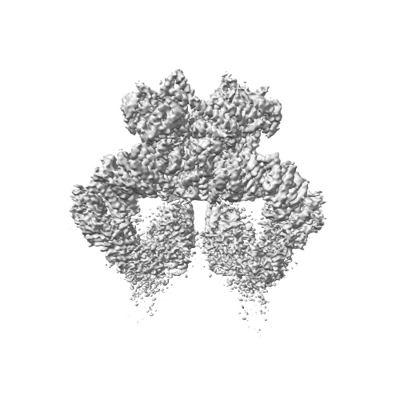
 Downloads & links
 emd_17265.png
 http://ftp.pdbj.org/pub/emdb/structures/EMD-17265



 Z (Sec.)
 Y (Row.)
 X (Col.)




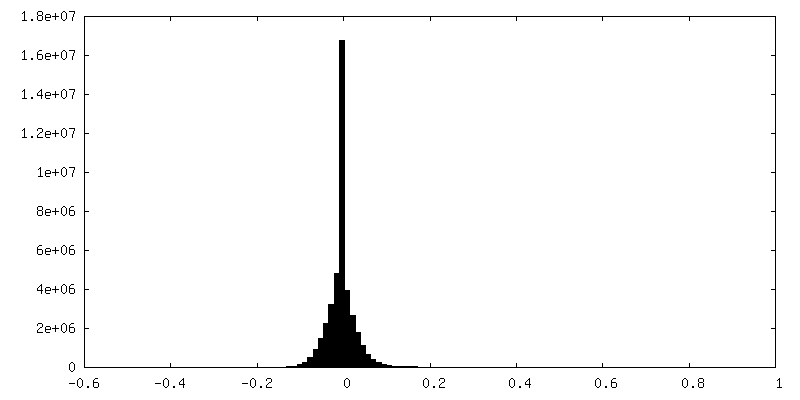
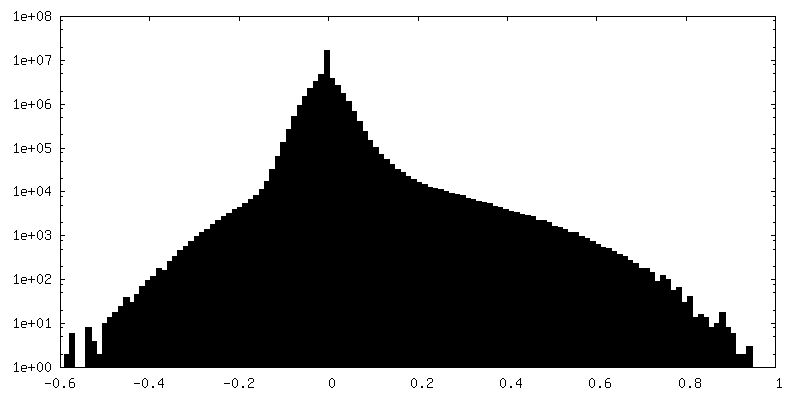
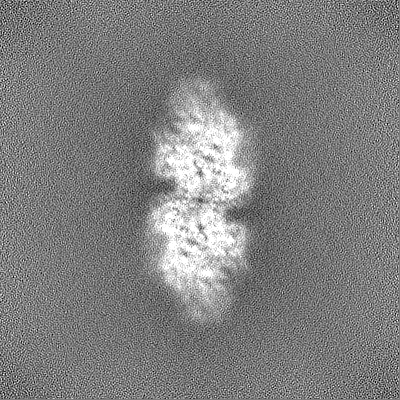
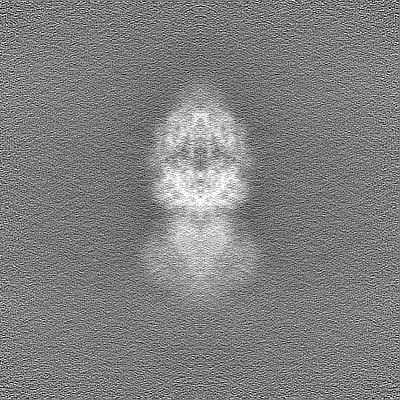
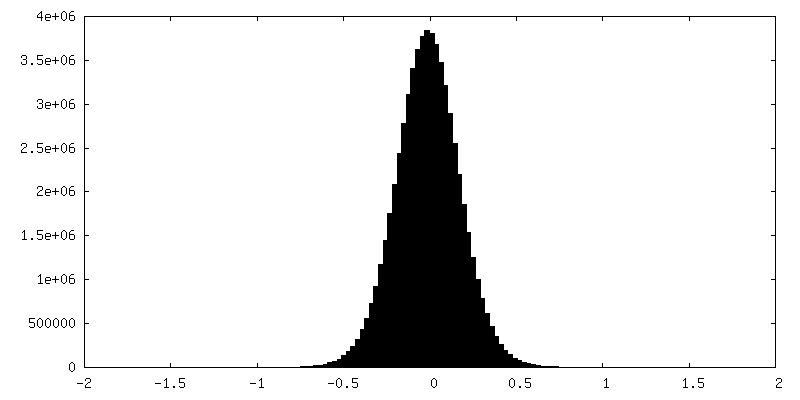
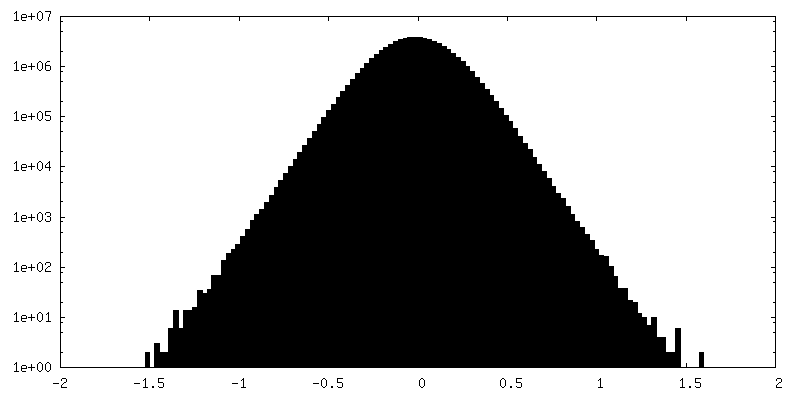
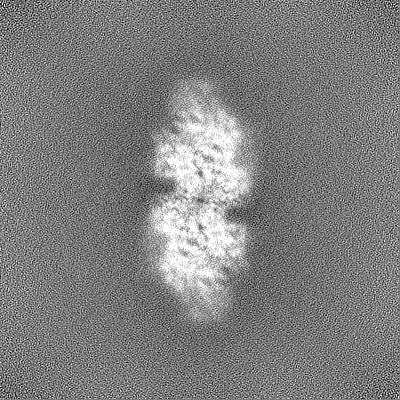
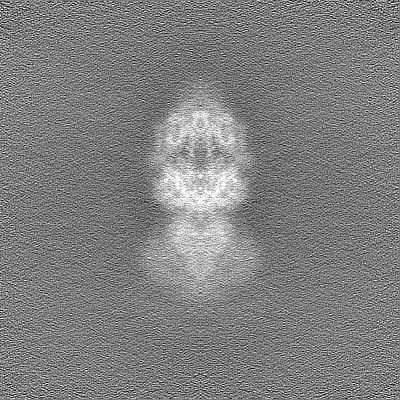

 Sample components
 Processing
 Electron microscopy
 FIELD EMISSION GUN