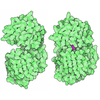
Protein or peptide: E3 ubiquitin-protein ligase RBX1
Keywords
E3 ligase / STRUCTURAL PROTEIN
Function / homology
Function and homology information
positive regulation of mitotic cell cycle phase transition / POZ domain binding / regulation protein catabolic process at postsynapse / negative regulation of Rho protein signal transduction / embryonic cleavage / polar microtubule / anaphase-promoting complex-dependent catabolic process / nuclear protein quality control by the ubiquitin-proteasome system / COPII vesicle coat assembly / positive regulation of protein K63-linked ubiquitination ...positive regulation of mitotic cell cycle phase transition / POZ domain binding / regulation protein catabolic process at postsynapse / negative regulation of Rho protein signal transduction / embryonic cleavage / polar microtubule / anaphase-promoting complex-dependent catabolic process / nuclear protein quality control by the ubiquitin-proteasome system / COPII vesicle coat assembly / positive regulation of protein K63-linked ubiquitination / cellular response to L-leucine / RHOBTB3 ATPase cycle / negative regulation of beige fat cell differentiation / positive regulation of T cell mediated immune response to tumor cell / cullin-RING-type E3 NEDD8 transferase / NEDD8 transferase activity / stem cell division / negative regulation of mitophagy / positive regulation of cilium assembly / cullin-RING ubiquitin ligase complex / regulation of xenophagy / positive regulation of mitotic metaphase/anaphase transition / cellular response to chemical stress / Loss of Function of FBXW7 in Cancer and NOTCH1 Signaling / Cul7-RING ubiquitin ligase complex / regulation of cell cycle process / neural crest cell differentiation / RNA polymerase II transcription initiation surveillance / Notch binding / establishment of endothelial barrier / positive regulation of protein autoubiquitination / protein neddylation / stress fiber assembly / regulation of BMP signaling pathway / NEDD8 ligase activity / regulation of mitophagy / negative regulation of response to oxidative stress / regulation of centrosome duplication / RHOBTB1 GTPase cycle / protein K27-linked ubiquitination / VCB complex / Cul5-RING ubiquitin ligase complex / ubiquitin-ubiquitin ligase activity / ubiquitin-dependent protein catabolic process via the C-end degron rule pathway / regulation of TOR signaling / mitotic spindle assembly checkpoint signaling / Cul2-RING ubiquitin ligase complex / SCF ubiquitin ligase complex / negative regulation of DNA-templated DNA replication / intercellular bridge / Cul3-RING ubiquitin ligase complex / regulation of mitotic cytokinesis / regulation of DNA damage checkpoint / negative regulation of type I interferon production / positive regulation of cytokinesis / regulation of miRNA-mediated gene silencing / regulation of natural killer cell activation / SCF-dependent proteasomal ubiquitin-dependent protein catabolic process / Prolactin receptor signaling / regulation of cell cycle phase transition / Cul4-RING E3 ubiquitin ligase complex / regulation of stem cell population maintenance / Cul4A-RING E3 ubiquitin ligase complex / Cul4B-RING E3 ubiquitin ligase complex / mitotic sister chromatid segregation / ubiquitin ligase complex scaffold activity / negative regulation of adipose tissue development / regulation of cellular response to stress / limb development / protein monoubiquitination / cullin family protein binding / mitotic metaphase chromosome alignment / endoplasmic reticulum to Golgi vesicle-mediated transport / RHOBTB2 GTPase cycle / centrosome duplication / regulation of DNA-templated DNA replication initiation / sperm flagellum / cilium assembly / protein autoubiquitination / ubiquitin-like ligase-substrate adaptor activity / kidney development / intrinsic apoptotic signaling pathway / ribosome-associated ubiquitin-dependent protein catabolic process / signal transduction in response to DNA damage / negative regulation of insulin receptor signaling pathway / Nuclear events stimulated by ALK signaling in cancer / regulation of cellular response to insulin stimulus / 14-3-3 protein binding / protein K48-linked ubiquitination / positive regulation of TORC1 signaling / transcription-coupled nucleotide-excision repair / post-translational protein modification / gene expression / integrin-mediated signaling pathway / regulation of embryonic development / negative regulation of autophagy / cyclin binding / cellular response to amino acid stimulus / replication fork processing / positive regulation of protein ubiquitination Similarity search - Function
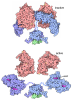
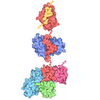
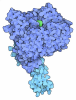
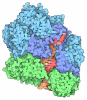
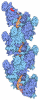
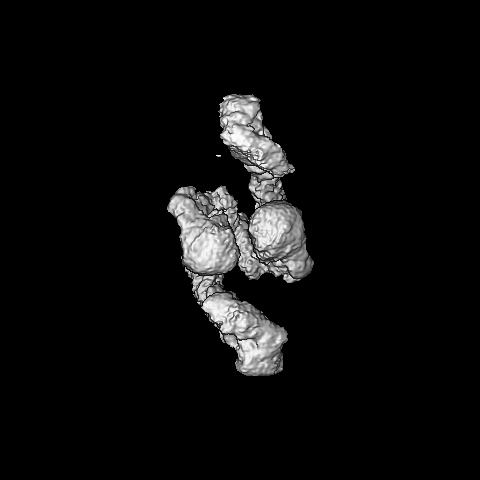
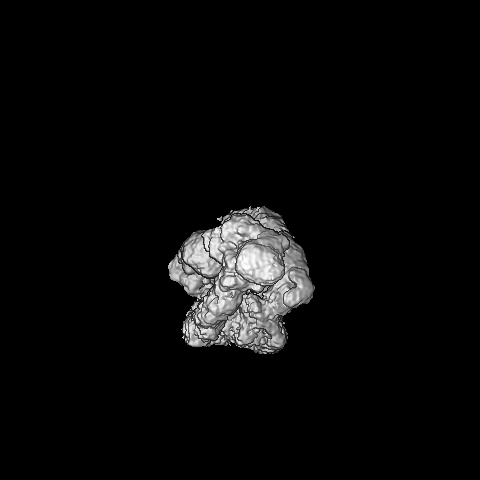
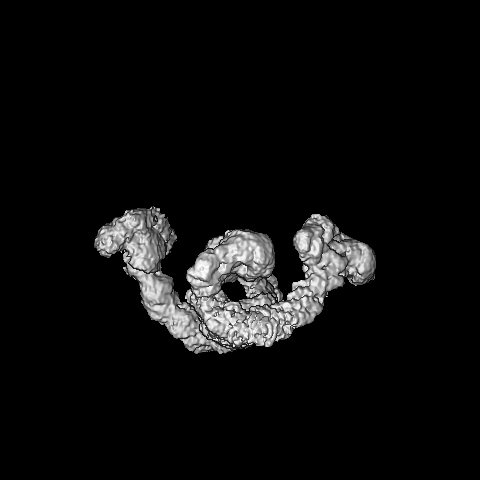
Journal: Structure / Year: 2023 Title: Cryo-EM structure of the KLHL22 E3 ligase bound to an oligomeric metabolic enzyme. Authors: Fei Teng / Yang Wang / Ming Liu / Shuyun Tian / Goran Stjepanovic / Ming-Yuan Su / Abstract: CULLIN-RING ligases constitute the largest group of E3 ubiquitin ligases. While some CULLIN family members recruit adapters before engaging further with different substrate receptors, homo-dimeric ...CULLIN-RING ligases constitute the largest group of E3 ubiquitin ligases. While some CULLIN family members recruit adapters before engaging further with different substrate receptors, homo-dimeric BTB-Kelch family proteins combine adapter and substrate receptor into a single polypeptide for the CULLIN3 family. However, the entire structural assembly and molecular details have not been elucidated to date. Here, we present a cryo-EM structure of the CULLIN3 in complex with Kelch-like protein 22 (KLHL22) and a mitochondrial glutamate dehydrogenase complex I (GDH1) at 3.06 Å resolution. The structure adopts a W-shaped architecture formed by E3 ligase dimers. Three CULLIN3 dimers were found to be dynamically associated with a single GDH1 hexamer. CULLIN3 ligase mediated the polyubiquitination of GDH1 in vitro. Together, these results enabled the establishment of a structural model for understanding the complete assembly of BTB-Kelch proteins with CULLIN3 and how together they recognize oligomeric substrates and target them for ubiquitination.
In the structure databanks used in Yorodumi, some data are registered as the other names, "COVID-19 virus" and "2019-nCoV". Here are the details of the virus and the list of structure data.
Jan 31, 2019. EMDB accession codes are about to change! (news from PDBe EMDB page)
EMDB accession codes are about to change! (news from PDBe EMDB page)
The allocation of 4 digits for EMDB accession codes will soon come to an end. Whilst these codes will remain in use, new EMDB accession codes will include an additional digit and will expand incrementally as the available range of codes is exhausted. The current 4-digit format prefixed with “EMD-” (i.e. EMD-XXXX) will advance to a 5-digit format (i.e. EMD-XXXXX), and so on. It is currently estimated that the 4-digit codes will be depleted around Spring 2019, at which point the 5-digit format will come into force.
The EM Navigator/Yorodumi systems omit the EMD- prefix.
Related info.:Q: What is EMD? / ID/Accession-code notation in Yorodumi/EM Navigator
Yorodumi is a browser for structure data from EMDB, PDB, SASBDB, etc.
This page is also the successor to EM Navigator detail page, and also detail information page/front-end page for Omokage search.
The word "yorodu" (or yorozu) is an old Japanese word meaning "ten thousand". "mi" (miru) is to see.
Related info.:EMDB / PDB / SASBDB / Comparison of 3 databanks / Yorodumi Search / Aug 31, 2016. New EM Navigator & Yorodumi / Yorodumi Papers / Jmol/JSmol / Function and homology information / Changes in new EM Navigator and Yorodumi
 Movie
Movie Controller


 Open data
 Basic information
 Map data
 Sample
 Keywords
 Function and homology information
 Homo sapiens (human)
 Authors
 China, 1 items
  Citation
 Structure visualization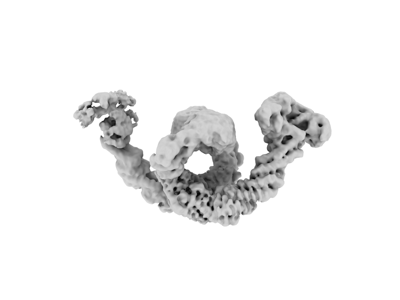
 Downloads & links
 emd_37247.png
 https://data.pdbj.org/pub/emdb/structures/EMD-37247

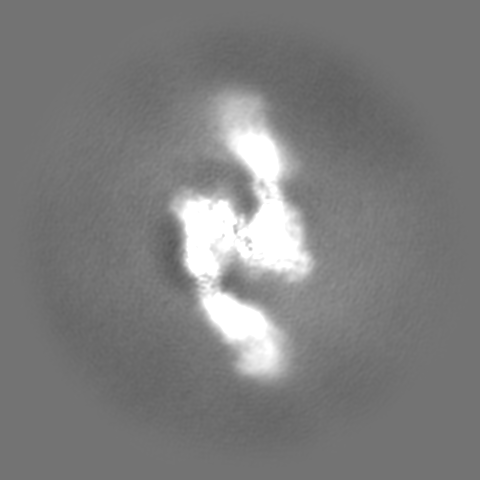
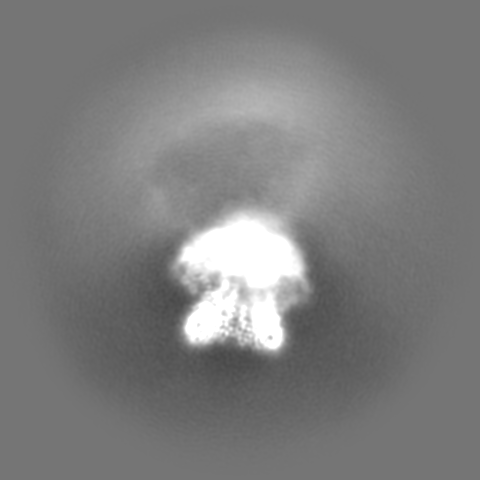
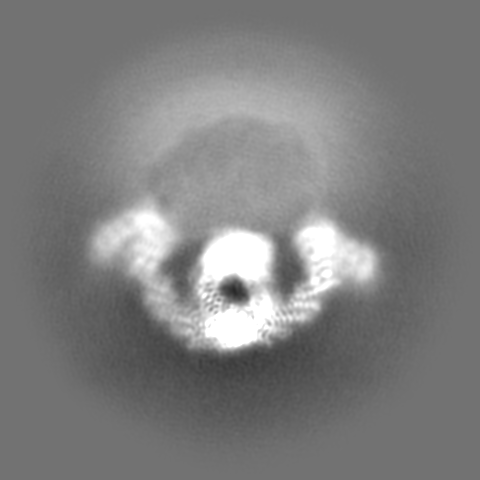
 Z (Sec.)
 Y (Row.)
 X (Col.)





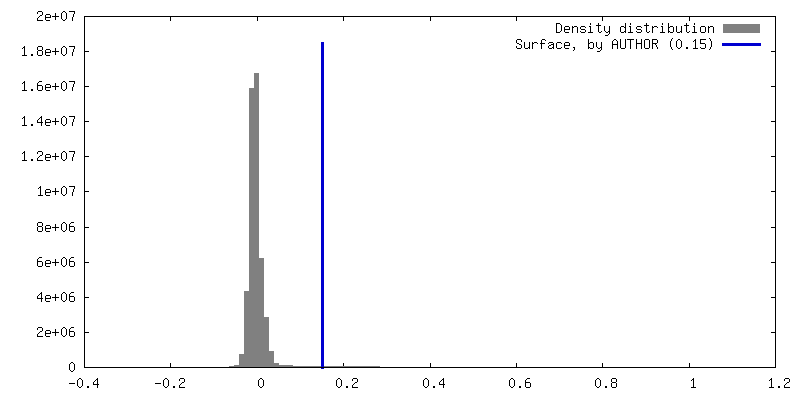
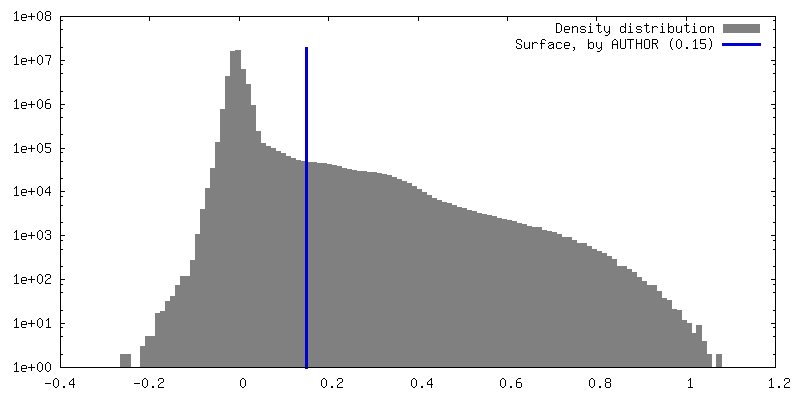
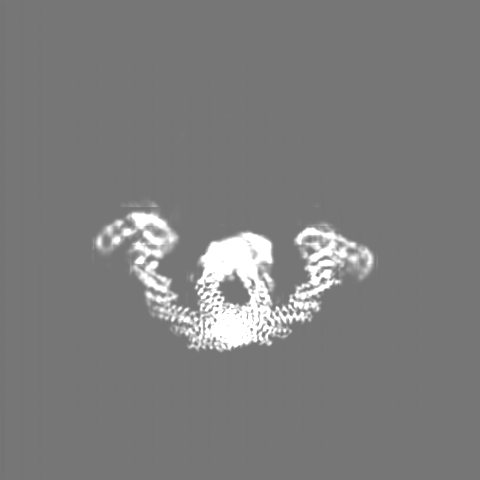
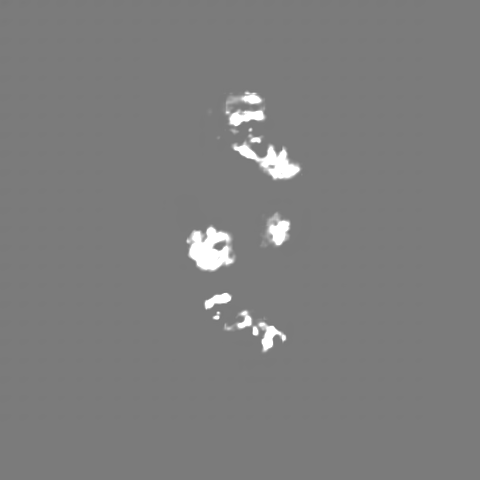
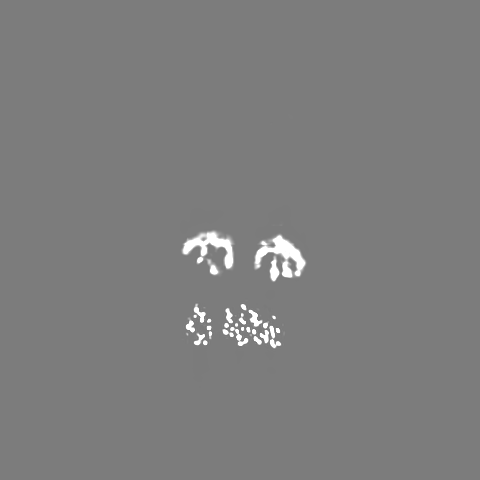
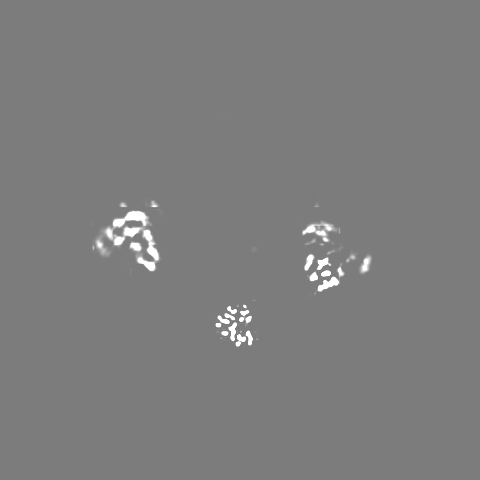
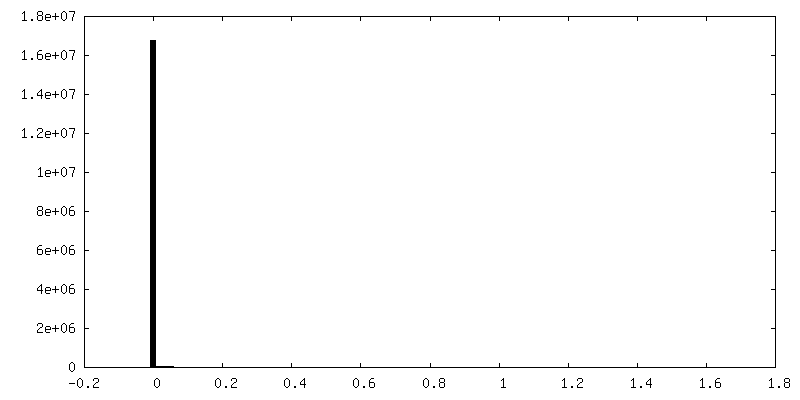
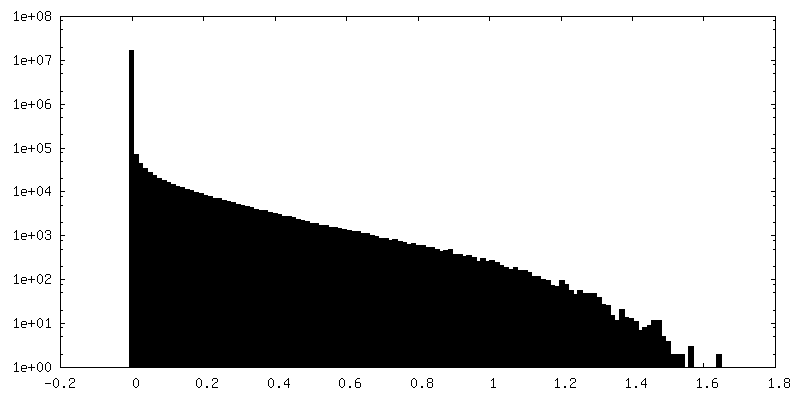
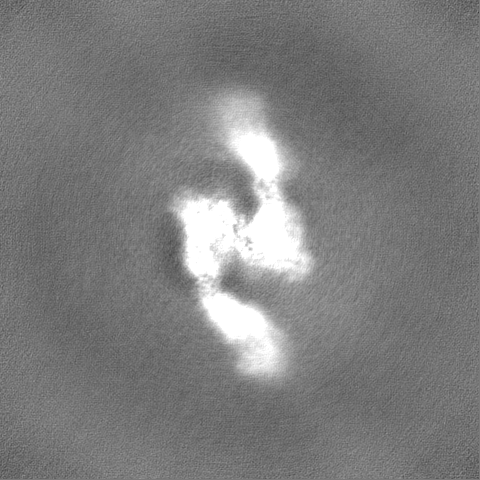
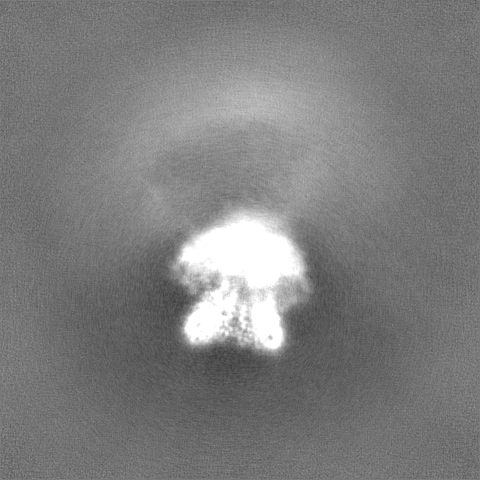
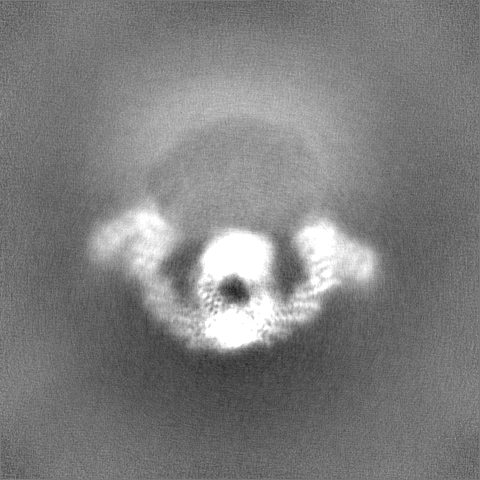
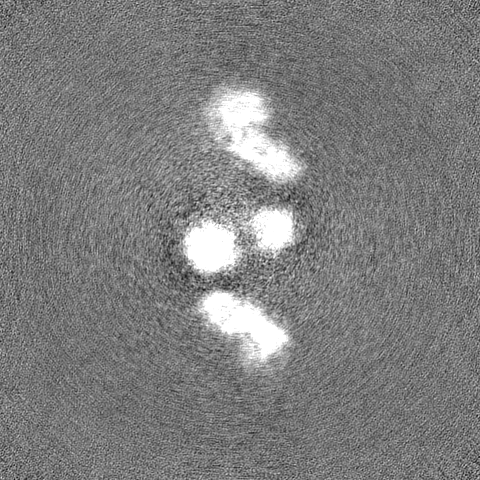
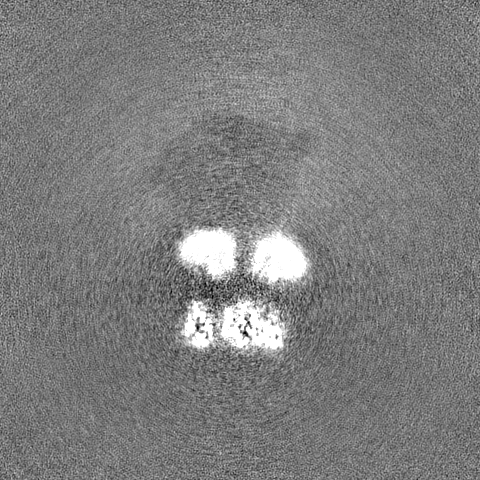
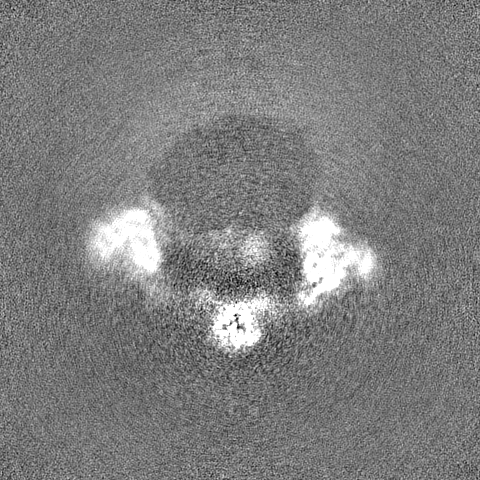
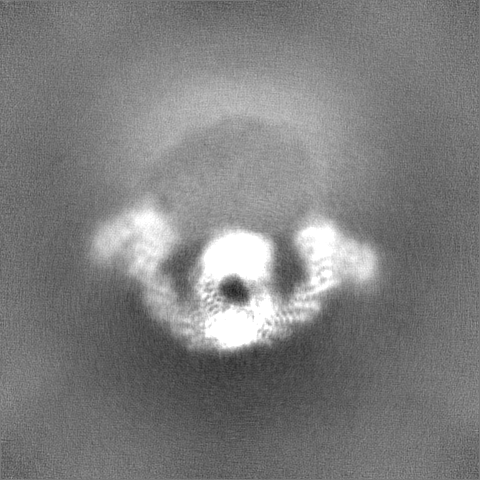
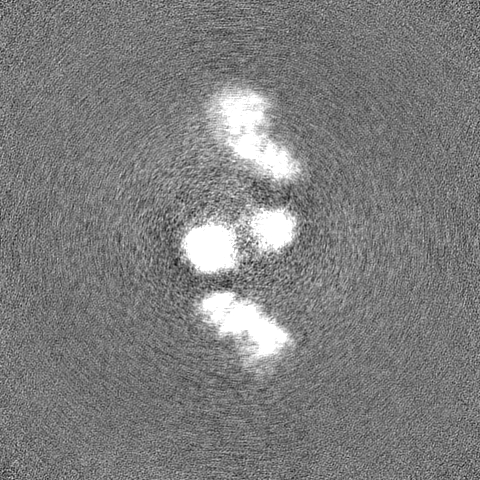
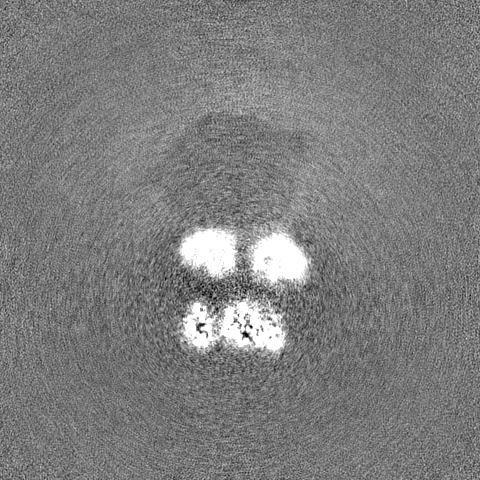
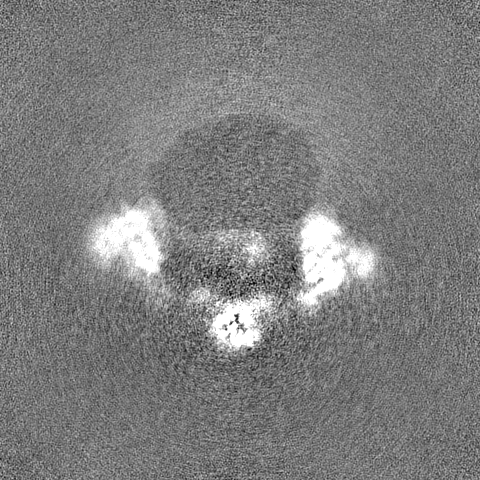
 Sample components
 Processing
 Electron microscopy
 FIELD EMISSION GUN
