 ムービー
ムービー コントローラー


+ データを開く

- 基本情報
基本情報
| 登録情報 |  | ||||||||||||||||||||||||||||||||||||
|---|---|---|---|---|---|---|---|---|---|---|---|---|---|---|---|---|---|---|---|---|---|---|---|---|---|---|---|---|---|---|---|---|---|---|---|---|---|
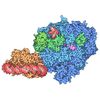
| タイトル | Cryo-EM structure of NCP-UV-DDB complex containing CPD | ||||||||||||||||||||||||||||||||||||
 マップデータ マップデータ | CPD | ||||||||||||||||||||||||||||||||||||
 試料 試料 |
| ||||||||||||||||||||||||||||||||||||
 キーワード キーワード | DNA repair / Nucleosome / UV-DDB / DNA damage / DDB2 / NER / DNA BINDING PROTEIN | ||||||||||||||||||||||||||||||||||||
| 機能・相同性 |  機能・相同性情報 機能・相同性情報UV-damage excision repair / Cul4A-RING E3 ubiquitin ligase complex / Cul4-RING E3 ubiquitin ligase complex / Cul4B-RING E3 ubiquitin ligase complex / site of DNA damage / pyrimidine dimer repair / negative regulation of tumor necrosis factor-mediated signaling pathway / response to UV / negative regulation of megakaryocyte differentiation / protein localization to CENP-A containing chromatin ...UV-damage excision repair / Cul4A-RING E3 ubiquitin ligase complex / Cul4-RING E3 ubiquitin ligase complex / Cul4B-RING E3 ubiquitin ligase complex / site of DNA damage / pyrimidine dimer repair / negative regulation of tumor necrosis factor-mediated signaling pathway / response to UV / negative regulation of megakaryocyte differentiation / protein localization to CENP-A containing chromatin / protein autoubiquitination / Chromatin modifying enzymes / Replacement of protamines by nucleosomes in the male pronucleus / CENP-A containing nucleosome / Packaging Of Telomere Ends / Recognition and association of DNA glycosylase with site containing an affected purine / Cleavage of the damaged purine / Deposition of new CENPA-containing nucleosomes at the centromere / telomere organization / Recognition and association of DNA glycosylase with site containing an affected pyrimidine / Cleavage of the damaged pyrimidine / Interleukin-7 signaling / RNA Polymerase I Promoter Opening / epigenetic regulation of gene expression / Inhibition of DNA recombination at telomere / Assembly of the ORC complex at the origin of replication / Meiotic synapsis / SUMOylation of chromatin organization proteins / Regulation of endogenous retroelements by the Human Silencing Hub (HUSH) complex / DNA methylation / Condensation of Prophase Chromosomes / Chromatin modifications during the maternal to zygotic transition (MZT) / SIRT1 negatively regulates rRNA expression / HCMV Late Events / ERCC6 (CSB) and EHMT2 (G9a) positively regulate rRNA expression / PRC2 methylates histones and DNA / innate immune response in mucosa / Regulation of endogenous retroelements by KRAB-ZFP proteins / Defective pyroptosis / nucleotide-excision repair / HDACs deacetylate histones / TP53 Regulates Transcription of DNA Repair Genes / Regulation of endogenous retroelements by Piwi-interacting RNAs (piRNAs) / Nonhomologous End-Joining (NHEJ) / RNA Polymerase I Promoter Escape / lipopolysaccharide binding / Transcriptional regulation by small RNAs / Formation of the beta-catenin:TCF transactivating complex / Activated PKN1 stimulates transcription of AR (androgen receptor) regulated genes KLK2 and KLK3 / RUNX1 regulates genes involved in megakaryocyte differentiation and platelet function / HDMs demethylate histones / G2/M DNA damage checkpoint / NoRC negatively regulates rRNA expression / DNA Damage Recognition in GG-NER / B-WICH complex positively regulates rRNA expression / PKMTs methylate histone lysines / DNA Damage/Telomere Stress Induced Senescence / Pre-NOTCH Transcription and Translation / Meiotic recombination / Dual Incision in GG-NER / Metalloprotease DUBs / Activation of anterior HOX genes in hindbrain development during early embryogenesis / RMTs methylate histone arginines / Formation of Incision Complex in GG-NER / Transcriptional regulation of granulopoiesis / protein polyubiquitination / HCMV Early Events / antimicrobial humoral immune response mediated by antimicrobial peptide / cellular response to UV / structural constituent of chromatin / cell junction / UCH proteinases / antibacterial humoral response / heterochromatin formation / nucleosome / nucleosome assembly / E3 ubiquitin ligases ubiquitinate target proteins / Recruitment and ATM-mediated phosphorylation of repair and signaling proteins at DNA double strand breaks / HATs acetylate histones / RUNX1 regulates transcription of genes involved in differentiation of HSCs / Factors involved in megakaryocyte development and platelet production / Neddylation / MLL4 and MLL3 complexes regulate expression of PPARG target genes in adipogenesis and hepatic steatosis / chromatin organization / Processing of DNA double-strand break ends / Senescence-Associated Secretory Phenotype (SASP) / Oxidative Stress Induced Senescence / defense response to Gram-negative bacterium / gene expression / killing of cells of another organism / Estrogen-dependent gene expression / damaged DNA binding / chromosome, telomeric region / defense response to Gram-positive bacterium / Ub-specific processing proteases / cadherin binding / Amyloid fiber formation / protein heterodimerization activity / negative regulation of cell population proliferation / DNA repair 類似検索 - 分子機能 | ||||||||||||||||||||||||||||||||||||
| 生物種 |  Homo sapiens (ヒト) / synthetic construct (人工物) Homo sapiens (ヒト) / synthetic construct (人工物) | ||||||||||||||||||||||||||||||||||||
| 手法 | 単粒子再構成法 / クライオ電子顕微鏡法 / 解像度: 3.38 Å | ||||||||||||||||||||||||||||||||||||
 データ登録者 データ登録者 | Matsumoto S / Takizawa Y / Ogasawara M / Hashimoto K / Negishi L / Xu W / Tachibana H / Yamamoto J / Iwai S / Sugasawa K / Kurumizaka H | ||||||||||||||||||||||||||||||||||||
| 資金援助 |  日本, 11件 日本, 11件
| ||||||||||||||||||||||||||||||||||||
 引用 引用 | ジャーナル: Nat Commun / 年: 2025 タイトル: Structural basis of cyclobutane pyrimidine dimer recognition by UV-DDB in the nucleosome. 著者: Syota Matsumoto / Yoshimasa Takizawa / Mitsuo Ogasawara / Kana Hashimoto / Lumi Negishi / Wenjie Xu / Haruna Tachibana / Junpei Yamamoto / Shigenori Iwai / Kaoru Sugasawa / Hitoshi Kurumizaka / 要旨: In mammalian global genomic nucleotide excision repair, UV-DDB plays a central role in recognizing DNA lesions, such as 6-4 photoproducts and cyclobutane pyrimidine dimers, within chromatin. In the ...In mammalian global genomic nucleotide excision repair, UV-DDB plays a central role in recognizing DNA lesions, such as 6-4 photoproducts and cyclobutane pyrimidine dimers, within chromatin. In the present study, we perform cryo-electron microscopy analyses coupled with chromatin-immunoprecipitation to reveal that the cellular UV-DDB binds to UV-damaged DNA lesions in a chromatin unit, the nucleosome, at a position approximately 20 base-pairs from the nucleosomal dyad in human cells. An alternative analysis of the in vitro reconstituted UV-DDB-cyclobutane pyrimidine dimer nucleosome structure demonstrates that the DDB2 subunit of UV-DDB specifically recognizes the cyclobutane pyrimidine dimer lesion at this position on the nucleosome. We also determine the structures of UV-DDB bound to DNA lesions at other positions in purified cellular human nucleosomes. These cellular and reconstituted UV-DDB-nucleosome complex structures provide important evidence for understanding the mechanism by which UV lesions in chromatin are recognized and repaired in mammalian cells. | ||||||||||||||||||||||||||||||||||||
| 履歴 |
|
- 構造の表示
構造の表示
| 添付画像 |
|---|

- ダウンロードとリンク
-EMDBアーカイブ
| マップデータ | emd_61243.map.gz | 158.5 MB | EMDBマップデータ形式 | |
|---|---|---|---|---|
| ヘッダ (付随情報) | emd-61243-v30.xmlemd-61243.xml | 25.2 KB 25.2 KB | 表示 表示 | EMDBヘッダ |
| FSC (解像度算出) | emd_61243_fsc.xml | 12.8 KB | 表示 | FSCデータファイル |
| 画像 |  emd_61243.png emd_61243.png | 97.6 KB | ||
| Filedesc metadata | emd-61243.cif.gz | 7.4 KB | ||
| その他 | emd_61243_half_map_1.map.gzemd_61243_half_map_2.map.gz | 141.4 MB 140.9 MB | ||
| アーカイブディレクトリ |  http://ftp.pdbj.org/pub/emdb/structures/EMD-61243ftp://ftp.pdbj.org/pub/emdb/structures/EMD-61243 http://ftp.pdbj.org/pub/emdb/structures/EMD-61243ftp://ftp.pdbj.org/pub/emdb/structures/EMD-61243 | HTTPS FTP |
-検証レポート
| 文書・要旨 | emd_61243_validation.pdf.gz | 771.8 KB | 表示 | EMDB検証レポート |
|---|---|---|---|---|
| 文書・詳細版 | emd_61243_full_validation.pdf.gz | 771.5 KB | 表示 | |
| XML形式データ | emd_61243_validation.xml.gz | 20.1 KB | 表示 | |
| CIF形式データ | emd_61243_validation.cif.gz | 26.8 KB | 表示 | |
| アーカイブディレクトリ | https://ftp.pdbj.org/pub/emdb/validation_reports/EMD-61243ftp://ftp.pdbj.org/pub/emdb/validation_reports/EMD-61243 | HTTPS FTP |
-関連構造データ


-リンク
| EMDBのページ | EMDB (EBI/PDBe) / EMDataResource |
|---|---|
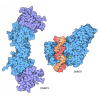
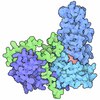
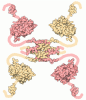
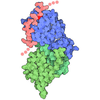
| 「今月の分子」の関連する項目 |


-マップ
| ファイル | ダウンロード / ファイル: emd_61243.map.gz / 形式: CCP4 / 大きさ: 178 MB / タイプ: IMAGE STORED AS FLOATING POINT NUMBER (4 BYTES) | ||||||||||||||||||||||||||||||||||||
|---|---|---|---|---|---|---|---|---|---|---|---|---|---|---|---|---|---|---|---|---|---|---|---|---|---|---|---|---|---|---|---|---|---|---|---|---|---|
| 注釈 | CPD | ||||||||||||||||||||||||||||||||||||
| 投影像・断面図 | 画像のコントロール
画像は Spider により作成 | ||||||||||||||||||||||||||||||||||||
| ボクセルのサイズ | X=Y=Z: 1.06 Å | ||||||||||||||||||||||||||||||||||||
| 密度 |
| ||||||||||||||||||||||||||||||||||||
| 対称性 | 空間群: 1 | ||||||||||||||||||||||||||||||||||||
| 詳細 | EMDB XML:
|
 Z (Sec.)
 Y (Row.)
 X (Col.)


-添付データ
-ハーフマップ: #2
| ファイル | emd_61243_half_map_1.map | ||||||||||||
|---|---|---|---|---|---|---|---|---|---|---|---|---|---|
| 投影像・断面図 |
| ||||||||||||
| 密度ヒストグラム |


-ハーフマップ: #1
| ファイル | emd_61243_half_map_2.map | ||||||||||||
|---|---|---|---|---|---|---|---|---|---|---|---|---|---|
| 投影像・断面図 |
| ||||||||||||
| 密度ヒストグラム |


- 試料の構成要素
-全体 : Cryo-EM structure of NCP-UV-DDB complex containing CPD
| 全体 | 名称: Cryo-EM structure of NCP-UV-DDB complex containing CPD |
|---|---|
| 要素 |
|
-超分子 #1: Cryo-EM structure of NCP-UV-DDB complex containing CPD
| 超分子 | 名称: Cryo-EM structure of NCP-UV-DDB complex containing CPD タイプ: complex / ID: 1 / 親要素: 0 / 含まれる分子: #1-#7 |
|---|---|
| 由来(天然) | 生物種: Homo sapiens (ヒト) |
-分子 #1: Histone H3.1
| 分子 | 名称: Histone H3.1 / タイプ: protein_or_peptide / ID: 1 / コピー数: 2 / 光学異性体: LEVO |
|---|---|
| 由来(天然) | 生物種: Homo sapiens (ヒト) |
| 分子量 | 理論値: 15.437167 KDa |
| 組換発現 | 生物種:   Escherichia coli (大腸菌) Escherichia coli (大腸菌) |
| 配列 | 文字列: MARTKQTARK STGGKAPRKQ LATKAARKSA PATGGVKKPH RYRPGTVALR EIRRYQKSTE LLIRKLPFQR LVREIAQDFK TDLRFQSSA VMALQEACEA YLVGLFEDTN LCAIHAKRVT IMPKDIQLAR RIRGERA UniProtKB: Histone H3.1 |
-分子 #2: Histone H4
| 分子 | 名称: Histone H4 / タイプ: protein_or_peptide / ID: 2 / コピー数: 2 / 光学異性体: LEVO |
|---|---|
| 由来(天然) | 生物種: Homo sapiens (ヒト) |
| 分子量 | 理論値: 11.394426 KDa |
| 組換発現 | 生物種: Escherichia coli (大腸菌) |
| 配列 | 文字列: MSGRGKGGKG LGKGGAKRHR KVLRDNIQGI TKPAIRRLAR RGGVKRISGL IYEETRGVLK VFLENVIRDA VTYTEHAKRK TVTAMDVVY ALKRQGRTLY GFGG UniProtKB: Histone H4 |
-分子 #3: Histone H2A type 1-B/E
| 分子 | 名称: Histone H2A type 1-B/E / タイプ: protein_or_peptide / ID: 3 / コピー数: 2 / 光学異性体: LEVO |
|---|---|
| 由来(天然) | 生物種: Homo sapiens (ヒト) |
| 分子量 | 理論値: 14.165551 KDa |
| 組換発現 | 生物種: Escherichia coli (大腸菌) |
| 配列 | 文字列: MSGRGKQGGK ARAKAKTRSS RAGLQFPVGR VHRLLRKGNY SERVGAGAPV YLAAVLEYLT AEILELAGNA ARDNKKTRII PRHLQLAIR NDEELNKLLG RVTIAQGGVL PNIQAVLLPK KTESHHKAKG K UniProtKB: Histone H2A type 1-B/E |
-分子 #4: Histone H2B type 1-J
| 分子 | 名称: Histone H2B type 1-J / タイプ: protein_or_peptide / ID: 4 / コピー数: 2 / 光学異性体: LEVO |
|---|---|
| 由来(天然) | 生物種: Homo sapiens (ヒト) |
| 分子量 | 理論値: 13.935239 KDa |
| 組換発現 | 生物種: Escherichia coli (大腸菌) |
| 配列 | 文字列: MPEPAKSAPA PKKGSKKAVT KAQKKDGKKR KRSRKESYSI YVYKVLKQVH PDTGISSKAM GIMNSFVNDI FERIAGEASR LAHYNKRST ITSREIQTAV RLLLPGELAK HAVSEGTKAV TKYTSAK UniProtKB: Histone H2B type 1-J |
-分子 #7: DNA damage-binding protein 2
| 分子 | 名称: DNA damage-binding protein 2 / タイプ: protein_or_peptide / ID: 7 / コピー数: 1 / 光学異性体: LEVO |
|---|---|
| 由来(天然) | 生物種: Homo sapiens (ヒト) |
| 分子量 | 理論値: 47.93293 KDa |
| 組換発現 | 生物種:  Trichoplusia ni (イラクサキンウワバ) Trichoplusia ni (イラクサキンウワバ) |
| 配列 | 文字列: MAPKKRPETQ KTSEIVLRPR NKRSRSPLEL EPEAKKLCAK GSGPSRRCDS DCLWVGLAGP QILPPCRSIV RTLHQHKLGR ASWPSVQQG LQQSFLHTLD SYRILQKAAP FDRRATSLAW HPTHPSTVAV GSKGGDIMLW NFGIKDKPTF IKGIGAGGSI T GLKFNPLN ...文字列: MAPKKRPETQ KTSEIVLRPR NKRSRSPLEL EPEAKKLCAK GSGPSRRCDS DCLWVGLAGP QILPPCRSIV RTLHQHKLGR ASWPSVQQG LQQSFLHTLD SYRILQKAAP FDRRATSLAW HPTHPSTVAV GSKGGDIMLW NFGIKDKPTF IKGIGAGGSI T GLKFNPLN TNQFYASSME GTTRLQDFKG NILRVFASSD TINIWFCSLD VSASSRMVVT GDNVGNVILL NMDGKELWNL RM HKKKVTH VALNPCCDWF LATASVDQTV KIWDLRQVRG KASFLYSLPH RHPVNAACFS PDGARLLTTD QKSEIRVYSA SQW DCPLGL IPHPHRHFQH LTPIKAAWHP RYNLIVVGRY PDPNFKSCTP YELRTIDVFD GNSGKMMCQL YDPESSGISS LNEF NPMGD TLASAMGYHI LIWSQEEART RK UniProtKB: DNA damage-binding protein 2 |
-分子 #5: Human alpha-satellite DNA (145-MER)
| 分子 | 名称: Human alpha-satellite DNA (145-MER) / タイプ: dna / ID: 5 / コピー数: 1 / 分類: DNA |
|---|---|
| 由来(天然) | 生物種: synthetic construct (人工物) |
| 分子量 | 理論値: 44.756648 KDa |
| 配列 | 文字列: (DA)(DT)(DC)(DA)(DA)(DT)(DA)(DT)(DC)(DC) (DA)(DC)(DC)(DT)(DG)(DC)(DA)(DG)(DA)(DT) (DT)(DC)(DT)(DA)(DC)(DC)(DA)(DA)(DA) (DA)(DG)(DT)(DG)(DT)(DA)(DT)(DT)(DT)(DG) (DG) (DA)(DA)(DA)(DC)(DT) ...文字列: (DA)(DT)(DC)(DA)(DA)(DT)(DA)(DT)(DC)(DC) (DA)(DC)(DC)(DT)(DG)(DC)(DA)(DG)(DA)(DT) (DT)(DC)(DT)(DA)(DC)(DC)(DA)(DA)(DA) (DA)(DG)(DT)(DG)(DT)(DA)(DT)(DT)(DT)(DG) (DG) (DA)(DA)(DA)(DC)(DT)(DG)(DC)(DT) (DC)(DC)(DA)(DT)(DC)(DA)(DA)(DA)(DA)(DG) (DG)(DC) (DA)(DT)(DG)(DT)(DT)(DC)(DA) (DG)(DC)(DT)(DG)(DG)(DT)(DT)(DC)(DA)(DG) (DC)(DT)(DG) (DA)(DA)(DC)(DA)(DT)(DG) (DC)(DC)(DT)(DT)(DT)(DT)(DG)(DA)(DT)(DG) (DG)(DA)(DG)(DC) (DA)(DG)(DT)(DT)(DT) (DC)(DC)(DA)(DA)(DA)(DT)(DA)(DC)(DA)(DC) (DT)(DT)(DT)(DT)(DG) (DG)(DT)(DA)(DG) (DA)(DA)(DT)(DC)(DT)(DG)(DC)(DA)(DG)(DG) (DT)(DG)(DG)(DA)(DT)(DA) (DT)(DT)(DG) (DA)(DT) |
-分子 #6: Human alpha-satellite DNA (145-MER) with CPD at position 95
| 分子 | 名称: Human alpha-satellite DNA (145-MER) with CPD at position 95 タイプ: dna / ID: 6 / コピー数: 1 / 分類: DNA |
|---|---|
| 由来(天然) | 生物種: synthetic construct (人工物) |
| 分子量 | 理論値: 44.709645 KDa |
| 配列 | 文字列: (DA)(DT)(DC)(DA)(DA)(DT)(DA)(DT)(DC)(DC) (DA)(DC)(DC)(DT)(DG)(DC)(DA)(DG)(DA)(DT) (DT)(DC)(DT)(DA)(DC)(DC)(DA)(DA)(DA) (DA)(DG)(DT)(DG)(DT)(DA)(DT)(DT)(DT)(DG) (DG) (DA)(DA)(DA)(DC)(DT) ...文字列: (DA)(DT)(DC)(DA)(DA)(DT)(DA)(DT)(DC)(DC) (DA)(DC)(DC)(DT)(DG)(DC)(DA)(DG)(DA)(DT) (DT)(DC)(DT)(DA)(DC)(DC)(DA)(DA)(DA) (DA)(DG)(DT)(DG)(DT)(DA)(DT)(DT)(DT)(DG) (DG) (DA)(DA)(DA)(DC)(DT)(DG)(DC)(DT) (DC)(DC)(DA)(DT)(DC)(DA)(DA)(DA)(DA)(DG) (DG)(DC) (DA)(DT)(DG)(DT)(DT)(DC)(DA) (DG)(DC)(DT)(DG)(DA)(DA)(DC)(DC)(DA)(DG) (DC)(DT)(DG) (DA)(DA)(DC)(DA)(DT)(DG) (DC)(DC)(DT)(DT)(DT)(DT)(DG)(DA)(TTD)(DG) (DA)(DG)(DC) (DA)(DG)(DT)(DT)(DT)(DC) (DC)(DA)(DA)(DA)(DT)(DA)(DC)(DA)(DC)(DT) (DT)(DT)(DT)(DG) (DG)(DT)(DA)(DG)(DA) (DA)(DT)(DC)(DT)(DG)(DC)(DA)(DG)(DG)(DT) (DG)(DG)(DA)(DT)(DA) (DT)(DT)(DG)(DA) (DT) |
-実験情報
-構造解析
| 手法 | クライオ電子顕微鏡法 |
|---|---|
 解析 解析 | 単粒子再構成法 |
| 試料の集合状態 | particle |
-試料調製
| 緩衝液 | pH: 7.4 |
|---|---|
| 凍結 | 凍結剤: ETHANE / チャンバー内湿度: 100 % / チャンバー内温度: 277 K / 装置: FEI VITROBOT MARK IV |
- 電子顕微鏡法
| 顕微鏡 | TFS KRIOS |
|---|---|
| 撮影 | フィルム・検出器のモデル: GATAN K3 BIOQUANTUM (6k x 4k) 平均電子線量: 1.53 e/Å2 |
| 電子線 | 加速電圧: 300 kV / 電子線源:  FIELD EMISSION GUN FIELD EMISSION GUN |
| 電子光学系 | 照射モード: FLOOD BEAM / 撮影モード: BRIGHT FIELD / 最大 デフォーカス(公称値): 20.0 µm / 最小 デフォーカス(公称値): 10.0 µm |
| 実験機器 |  モデル: Titan Krios / 画像提供: FEI Company |

