Movie
 Controller


+ Open data

- Basic information
| Entry |  | |||||||||
|---|---|---|---|---|---|---|---|---|---|---|
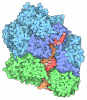
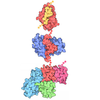
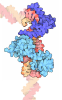
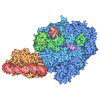
| Title | Human PCNA in complex with a anti-PCNA DNA aptamer | |||||||||
 Map data | main map | |||||||||
 Sample |
| |||||||||
 Keywords | PCNA / proliferating cell nuclear antigen / sliding clamp / DNA aptamer / anty-PCNA aptamer / DNA BINDING PROTEIN | |||||||||
| Function / homology |  Function and homology information dinucleotide insertion or deletion binding / PCNA-p21 complex / mitotic telomere maintenance via semi-conservative replication / purine-specific mismatch base pair DNA N-glycosylase activity / Polymerase switching / Processive synthesis on the lagging strand / PCNA complex / Removal of the Flap Intermediate / Telomere C-strand (Lagging Strand) Synthesis / MutLalpha complex binding ...dinucleotide insertion or deletion binding / PCNA-p21 complex / mitotic telomere maintenance via semi-conservative replication / purine-specific mismatch base pair DNA N-glycosylase activity / Polymerase switching / Processive synthesis on the lagging strand / PCNA complex / Removal of the Flap Intermediate / Telomere C-strand (Lagging Strand) Synthesis / MutLalpha complex binding / Mismatch repair (MMR) directed by MSH2:MSH3 (MutSbeta) / Transcription of E2F targets under negative control by DREAM complex / Mismatch repair (MMR) directed by MSH2:MSH6 (MutSalpha) / response to L-glutamate / Polymerase switching on the C-strand of the telomere / replisome / Processive synthesis on the C-strand of the telomere / mitotic DNA replication / Removal of the Flap Intermediate from the C-strand / response to dexamethasone / leading strand elongation / DNA polymerase processivity factor activity / histone acetyltransferase binding / G1/S-Specific Transcription / Somatic hypermutation of immunoglobulin genes by error-prone base excision repair (BER) / Somatic hypermutation of immunoglobulin genes by error-prone mismatch repair (MMR) / nuclear replication fork / SUMOylation of DNA replication proteins / response to cadmium ion / PCNA-Dependent Long Patch Base Excision Repair / DNA repair-dependent chromatin remodeling / liver regeneration / estrous cycle / mismatch repair / DNA polymerase binding / epithelial cell differentiation / translesion synthesis / TP53 Regulates Transcription of Genes Involved in G2 Cell Cycle Arrest / positive regulation of DNA replication / positive regulation of DNA repair / nuclear estrogen receptor binding / replication fork processing / replication fork / Translesion synthesis by REV1 / Translesion synthesis by POLK / Translesion synthesis by POLI / Gap-filling DNA repair synthesis and ligation in GG-NER / Termination of translesion DNA synthesis / Translesion Synthesis by POLH / receptor tyrosine kinase binding / Recognition of DNA damage by PCNA-containing replication complex / HDR through Homologous Recombination (HRR) / heart development / Dual Incision in GG-NER / cellular response to UV / cellular response to hydrogen peroxide / Dual incision in TC-NER / Gap-filling DNA repair synthesis and ligation in TC-NER / response to estradiol / E3 ubiquitin ligases ubiquitinate target proteins / chromatin organization / damaged DNA binding / chromosome, telomeric region / chromatin binding / centrosome / protein-containing complex binding / chromatin / enzyme binding / extracellular exosome / nucleoplasm / identical protein binding / nucleus Similarity search - Function | |||||||||
| Biological species |  Homo sapiens (human) / synthetic construct (others) | |||||||||
| Method | single particle reconstruction / cryo EM / Resolution: 2.79 Å | |||||||||
 Authors | Borek A / Pintscher S / Jaciuk M / Rawski M / Strzalka W | |||||||||
| Funding support |  Poland, 2 items
| |||||||||
 Citation | Journal: To Be Published Title: Human PCNA in complex with a anti-PCNA DNA aptamer Authors: Borek A / Pintscher S / Jaciuk M / Rawski M / Strzalka W | |||||||||
| History |
|
- Structure visualization
| Supplemental images |
|---|

- Downloads & links
-EMDB archive
| Map data | emd_55392.map.gz | 121.8 MB | EMDB map data format | |
|---|---|---|---|---|
| Header (meta data) | emd-55392-v30.xmlemd-55392.xml | 27.7 KB 27.7 KB | Display Display | EMDB header |
| Images |  emd_55392.png | 109.3 KB | ||
| Masks | emd_55392_msk_1.mapemd_55392_msk_2.mapemd_55392_msk_3.map | 244.1 MB 244.1 MB 244.1 MB | Mask map | |
| Filedesc metadata | emd-55392.cif.gz | 7.6 KB | ||
| Others | emd_55392_additional_1.map.gzemd_55392_half_map_1.map.gzemd_55392_half_map_2.map.gz | 230 MB 226.7 MB 226.7 MB | ||
| Archive directory |  https://data.pdbj.org/pub/emdb/structures/EMD-55392ftp://data.pdbj.org/pub/emdb/structures/EMD-55392 | HTTPS FTP |
-Related structure data
| Related structure data |  9t03MC M: atomic model generated by this map C: citing same article ( |
|---|---|
| Similar structure data |
-Links
| EMDB pages | EMDB (EBI/PDBe) / EMDataResource |
|---|---|
| Related items in Molecule of the Month |
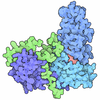
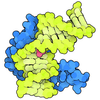
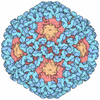
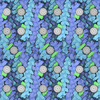
-Map
| File | Download / File: emd_55392.map.gz / Format: CCP4 / Size: 244.1 MB / Type: IMAGE STORED AS FLOATING POINT NUMBER (4 BYTES) | ||||||||||||||||||||||||||||||||||||
|---|---|---|---|---|---|---|---|---|---|---|---|---|---|---|---|---|---|---|---|---|---|---|---|---|---|---|---|---|---|---|---|---|---|---|---|---|---|
| Annotation | main map | ||||||||||||||||||||||||||||||||||||
| Projections & slices | Image control
Images are generated by Spider. | ||||||||||||||||||||||||||||||||||||
| Voxel size | X=Y=Z: 0.86 Å | ||||||||||||||||||||||||||||||||||||
| Density |
| ||||||||||||||||||||||||||||||||||||
| Symmetry | Space group: 1 | ||||||||||||||||||||||||||||||||||||
| Details | EMDB XML:
|
 Z (Sec.)
 Y (Row.)
 X (Col.)


-Supplemental data
-Mask #1
| File | emd_55392_msk_1.map | ||||||||||||
|---|---|---|---|---|---|---|---|---|---|---|---|---|---|
| Projections & Slices |
| ||||||||||||
| Density Histograms |


-Mask #2
| File | emd_55392_msk_2.map | ||||||||||||
|---|---|---|---|---|---|---|---|---|---|---|---|---|---|
| Projections & Slices |
| ||||||||||||
| Density Histograms |


-Mask #3
| File | emd_55392_msk_3.map | ||||||||||||
|---|---|---|---|---|---|---|---|---|---|---|---|---|---|
| Projections & Slices |
| ||||||||||||
| Density Histograms |


-Additional map: sharpened map
| File | emd_55392_additional_1.map | ||||||||||||
|---|---|---|---|---|---|---|---|---|---|---|---|---|---|
| Annotation | sharpened map | ||||||||||||
| Projections & Slices |
| ||||||||||||
| Density Histograms |


-Half map: half map A
| File | emd_55392_half_map_1.map | ||||||||||||
|---|---|---|---|---|---|---|---|---|---|---|---|---|---|
| Annotation | half map A | ||||||||||||
| Projections & Slices |
| ||||||||||||
| Density Histograms |


-Half map: half map B
| File | emd_55392_half_map_2.map | ||||||||||||
|---|---|---|---|---|---|---|---|---|---|---|---|---|---|
| Annotation | half map B | ||||||||||||
| Projections & Slices |
| ||||||||||||
| Density Histograms |


- Sample components
-Entire : Human PCNA in the complex with anti-PCNA aptamer
| Entire | Name: Human PCNA in the complex with anti-PCNA aptamer |
|---|---|
| Components |
|
-Supramolecule #1: Human PCNA in the complex with anti-PCNA aptamer
| Supramolecule | Name: Human PCNA in the complex with anti-PCNA aptamer / type: complex / ID: 1 / Parent: 0 / Macromolecule list: #1-#2 Details: Heterologously produced human PCNA trimer in complex with synthetic anti-PCNA aptamer acting as a PCNA inhibitor |
|---|---|
| Source (natural) | Organism: Homo sapiens (human) |
| Molecular weight | Theoretical: 16 KDa |
-Supramolecule #2: proliferating cell nuclear antigen (PCNA)
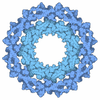
| Supramolecule | Name: proliferating cell nuclear antigen (PCNA) / type: complex / ID: 2 / Parent: 1 / Macromolecule list: #1 Details: Heterologously produced human PCNA at 0.01 mM concentration. Trimeric form (ring). |
|---|---|
| Source (natural) | Organism: Homo sapiens (human) |
-Supramolecule #3: anti-PCNA ptamer
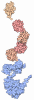
| Supramolecule | Name: anti-PCNA ptamer / type: complex / ID: 3 / Parent: 1 / Macromolecule list: #2 / Details: anti-PCNA aptamer at 0.1 mM concentration |
|---|---|
| Source (natural) | Organism: synthetic construct (others) |
-Macromolecule #1: Proliferating cell nuclear antigen
| Macromolecule | Name: Proliferating cell nuclear antigen / type: protein_or_peptide / ID: 1 / Number of copies: 3 / Enantiomer: LEVO |
|---|---|
| Source (natural) | Organism: Homo sapiens (human) |
| Molecular weight | Theoretical: 30.865062 KDa |
| Recombinant expression | Organism:   Escherichia coli BL21(DE3) (bacteria) |
| Sequence | String: HHHHHHLEST SLYKKAGFMF EARLVQGSIL KKVLEALKDL INEACWDISS SGVNLQSMDS SHVSLVQLTL RSEGFDTYRC DRNLAMGVN LTSMSKILKC AGNEDIITLR AEDNADTLAL VFEAPNQEKV SDYEMKLMDL DVEQLGIPEQ EYSCVVKMPS G EFARICRD ...String: HHHHHHLEST SLYKKAGFMF EARLVQGSIL KKVLEALKDL INEACWDISS SGVNLQSMDS SHVSLVQLTL RSEGFDTYRC DRNLAMGVN LTSMSKILKC AGNEDIITLR AEDNADTLAL VFEAPNQEKV SDYEMKLMDL DVEQLGIPEQ EYSCVVKMPS G EFARICRD LSHIGDAVVI SCAKDGVKFS ASGELGNGNI KLSQTSNVDK EEEAVTIEMN EPVQLTFALR YLNFFTKATP LS STVTLSM SADVPLVVEY KIADMGHLKY YLAPKIEDEE G UniProtKB: DNA sliding clamp PCNA |
-Macromolecule #2: anti-PCNA aptamer
| Macromolecule | Name: anti-PCNA aptamer / type: dna / ID: 2 / Number of copies: 1 / Classification: DNA |
|---|---|
| Source (natural) | Organism: synthetic construct (others) |
| Molecular weight | Theoretical: 15.06762 KDa |
| Sequence | String: (DC)(DA)(DT)(DG)(DC)(DT)(DT)(DC)(DC)(DC) (DC)(DA)(DG)(DG)(DG)(DA)(DG)(DA)(DT)(DG) (DC)(DC)(DT)(DA)(DT)(DG)(DG)(DT)(DC) (DC)(DC)(DC)(DG)(DC)(DG)(DT)(DA)(DG)(DG) (DT) (DG)(DG)(DC)(DA)(DG)(DC)(DT)(DC) (DA) |
-Macromolecule #3: water
| Macromolecule | Name: water / type: ligand / ID: 3 / Number of copies: 84 / Formula: HOH |
|---|---|
| Molecular weight | Theoretical: 18.015 Da |
| Chemical component information |  ChemComp-HOH: |
-Experimental details
-Structure determination
| Method | cryo EM |
|---|---|
 Processing | single particle reconstruction |
| Aggregation state | particle |
-Sample preparation
| Concentration | 0.32 mg/mL | |||||||||||||||
|---|---|---|---|---|---|---|---|---|---|---|---|---|---|---|---|---|
| Buffer | pH: 7.4 Component:
Details: PBS | |||||||||||||||
| Grid | Model: Quantifoil R2/1 / Material: COPPER / Mesh: 200 / Support film - Material: CARBON / Support film - topology: HOLEY / Support film - Film thickness: 12 / Pretreatment - Type: GLOW DISCHARGE / Pretreatment - Time: 60 sec. / Pretreatment - Atmosphere: AIR | |||||||||||||||
| Vitrification | Cryogen name: ETHANE / Chamber humidity: 100 % / Chamber temperature: 277 K / Instrument: FEI VITROBOT MARK IV / Details: blot force -1, blot time 3.0 s, drain time 0.0 s. | |||||||||||||||
| Details | 0.01 mM PCNA, 0.100 mM anti-PCNA aptamer |
- Electron microscopy
| Microscope | TFS KRIOS |
|---|---|
| Specialist optics | Phase plate: OTHER / Energy filter - Name: GIF Bioquantum / Energy filter - Slit width: 20 eV |
| Image recording | Film or detector model: GATAN K3 BIOQUANTUM (6k x 4k) / Digitization - Dimensions - Width: 5760 pixel / Digitization - Dimensions - Height: 4092 pixel / Number grids imaged: 1 / Number real images: 8136 / Average exposure time: 1.82 sec. / Average electron dose: 40.0 e/Å2 / Details: 40 frames per image |
| Electron beam | Acceleration voltage: 300 kV / Electron source:  FIELD EMISSION GUN |
| Electron optics | C2 aperture diameter: 50.0 µm / Illumination mode: FLOOD BEAM / Imaging mode: BRIGHT FIELD / Cs: 2.7 mm / Nominal defocus max: 2.4 µm / Nominal defocus min: 0.9 µm / Nominal magnification: 105000 |
| Sample stage | Specimen holder model: FEI TITAN KRIOS AUTOGRID HOLDER / Cooling holder cryogen: NITROGEN |
| Experimental equipment |  Model: Titan Krios / Image courtesy: FEI Company |
+Image processing
-Atomic model buiding 1
| Initial model |
| ||||||||
|---|---|---|---|---|---|---|---|---|---|
| Details | Initial rigid-body fitting for PCNA was performed using ChimeraX. Fitting for the anti-PCNA aptamer was done using Coot. The overall geometry was guessed based on the double-stranded aptamer portion and protruding densities for T28 and G38. | ||||||||
| Refinement | Space: REAL / Protocol: OTHER | ||||||||
| Output model | PDB-9t03: |