 Movie
Movie Controller

[English] 日本語
 Yorodumi
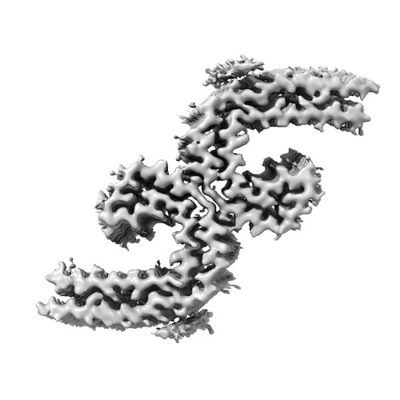
- EMDB-45008: Paired Helical Filaments purified from Down Syndrome individual b... -
+ Open data

- Basic information
| Entry | 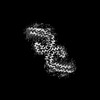 | |||||||||
|---|---|---|---|---|---|---|---|---|---|---|
| Title | Paired Helical Filaments purified from Down Syndrome individual brain tissue applied to graphene oxide antibody affinity grids | |||||||||
 Map data Map data | ||||||||||
 Sample Sample |
| |||||||||
 Keywords Keywords | Amyloid / filament / neurodegeneration / Down syndrome / PROTEIN FIBRIL | |||||||||
| Function / homology |  Function and homology information Function and homology informationplus-end-directed organelle transport along microtubule / histone-dependent DNA binding / neurofibrillary tangle / microtubule lateral binding / axonal transport / tubulin complex / positive regulation of protein localization to synapse / phosphatidylinositol bisphosphate binding / generation of neurons / axonal transport of mitochondrion ...plus-end-directed organelle transport along microtubule / histone-dependent DNA binding / neurofibrillary tangle / microtubule lateral binding / axonal transport / tubulin complex / positive regulation of protein localization to synapse / phosphatidylinositol bisphosphate binding / generation of neurons / axonal transport of mitochondrion / axon development / rRNA metabolic process / central nervous system neuron development / regulation of microtubule-based movement / negative regulation of protein localization to mitochondrion / regulation of mitochondrial fission / regulation of chromosome organization / intracellular distribution of mitochondria / minor groove of adenine-thymine-rich DNA binding / lipoprotein particle binding / microtubule polymerization / negative regulation of mitochondrial membrane potential / regulation of microtubule polymerization / dynactin binding / apolipoprotein binding / regulation of calcium-mediated signaling / main axon / Caspase-mediated cleavage of cytoskeletal proteins / glial cell projection / regulation of microtubule polymerization or depolymerization / neurofibrillary tangle assembly / negative regulation of mitochondrial fission / protein polymerization / positive regulation of axon extension / axolemma / positive regulation of microtubule polymerization / regulation of cellular response to heat / positive regulation of superoxide anion generation / Activation of AMPK downstream of NMDARs / cytoplasmic microtubule organization / cellular response to brain-derived neurotrophic factor stimulus / regulation of long-term synaptic depression / axon cytoplasm / positive regulation of protein localization / supramolecular fiber organization / synapse assembly / somatodendritic compartment / astrocyte activation / nuclear periphery / phosphatidylinositol binding / protein phosphatase 2A binding / enzyme inhibitor activity / stress granule assembly / SH3 domain binding / cellular response to reactive oxygen species / regulation of microtubule cytoskeleton organization / memory / microglial cell activation / cellular response to nerve growth factor stimulus / regulation of synaptic plasticity / Hsp90 protein binding / microtubule cytoskeleton organization / regulation of autophagy / synapse organization / protein homooligomerization / PKR-mediated signaling / response to lead ion / neuron projection development / cytoplasmic ribonucleoprotein granule / microtubule cytoskeleton / cell-cell signaling / cellular response to heat / single-stranded DNA binding / actin binding / protein-folding chaperone binding / growth cone / double-stranded DNA binding / cell body / microtubule / sequence-specific DNA binding / amyloid fibril formation / microtubule binding / dendritic spine / learning or memory / protein-macromolecule adaptor activity / neuron projection / membrane raft / negative regulation of gene expression / axon / neuronal cell body / DNA damage response / dendrite / protein kinase binding / enzyme binding / mitochondrion / DNA binding / RNA binding / extracellular region / identical protein binding / nucleus Similarity search - Function | |||||||||
| Biological species |  Homo sapiens (human) Homo sapiens (human) | |||||||||
| Method | helical reconstruction / cryo EM / Resolution: 3.1 Å | |||||||||
 Authors Authors | Tse E / Ghosh U / Condello C / Southworth D | |||||||||
| Funding support |  United States, 1 items United States, 1 items
| |||||||||
 Citation Citation | Journal: Acta Neuropathol Commun / Year: 2024 Title: Cryo-EM structures reveal tau filaments from Down syndrome adopt Alzheimer's disease fold. Authors: Ujjayini Ghosh / Eric Tse / Hyunjun Yang / Marie Shi / Christoffer D Caro / Feng Wang / Gregory E Merz / Stanley B Prusiner / Daniel R Southworth / Carlo Condello / Abstract: Down syndrome (DS) is a common genetic condition caused by trisomy of chromosome 21. Among their complex clinical features, including musculoskeletal, neurological, and cardiovascular disabilities, ...Down syndrome (DS) is a common genetic condition caused by trisomy of chromosome 21. Among their complex clinical features, including musculoskeletal, neurological, and cardiovascular disabilities, individuals with DS have an increased risk of developing progressive dementia and early-onset Alzheimer's disease (AD). This dementia is attributed to the increased gene dosage of the amyloid-β (Aβ) precursor protein gene, the formation of self-propagating Aβ and tau prion conformers, and the deposition of neurotoxic Aβ plaques and tau neurofibrillary tangles. Tau amyloid fibrils have previously been established to adopt many distinct conformations across different neurodegenerative conditions. Here, we report the characterization of brain samples from four DS cases spanning 36-63 years of age by spectral confocal imaging with conformation-specific dyes and cryo-electron microscopy (cryo-EM) to determine structures of isolated tau fibrils. High-resolution structures revealed paired helical filament (PHF) and straight filament (SF) conformations of tau that were identical to those determined from AD cases. The PHFs and SFs are made of two C-shaped protofilaments, each containing a cross-β/β-helix motif. Similar to filaments from AD cases, most filaments from the DS cases adopted the PHF form, while a minority (approximately 20%) formed SFs. Samples from the youngest individual with no documented dementia had sparse tau deposits. To isolate tau for cryo-EM from this challenging sample we used a novel affinity-grid method involving a graphene oxide surface derivatized with anti-tau antibodies. This method improved isolation and revealed that primarily tau PHFs and a minor population of chronic traumatic encephalopathy type II-like filaments were present in this youngest case. These findings expand the similarities between AD and DS to the molecular level, providing insight into their related pathologies and the potential for targeting common tau filament folds by small-molecule therapeutics and diagnostics. | |||||||||
| History |
|
- Structure visualization
| Supplemental images |
|---|
- Downloads & links
-EMDB archive
| Map data | emd_45008.map.gz | 8.2 MB | EMDB map data format | |
|---|---|---|---|---|
| Header (meta data) | emd-45008-v30.xmlemd-45008.xml | 14.5 KB 14.5 KB | Display Display | EMDB header |
| Images |  emd_45008.png emd_45008.png | 75.9 KB | ||
| Filedesc metadata | emd-45008.cif.gz | 5.1 KB | ||
| Others | emd_45008_half_map_1.map.gzemd_45008_half_map_2.map.gz | 65.3 MB 65.3 MB | ||
| Archive directory |  https://data.pdbj.org/pub/emdb/structures/EMD-45008ftp://data.pdbj.org/pub/emdb/structures/EMD-45008 https://data.pdbj.org/pub/emdb/structures/EMD-45008ftp://data.pdbj.org/pub/emdb/structures/EMD-45008 | HTTPS FTP |
-Related structure data
| Related structure data | 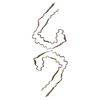 9bxqMC  9bxiC 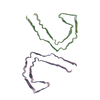 9bxoC 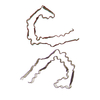 9bxrC C: citing same article ( M: atomic model generated by this map |
|---|---|
| Similar structure data |


-Links
| EMDB pages | EMDB (EBI/PDBe) / EMDataResource |
|---|---|
| Related items in Molecule of the Month |
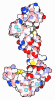
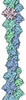
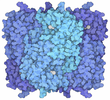
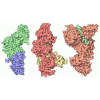
-Map
| File | Download / File: emd_45008.map.gz / Format: CCP4 / Size: 83.7 MB / Type: IMAGE STORED AS FLOATING POINT NUMBER (4 BYTES) | ||||||||||||||||||||||||||||||||||||
|---|---|---|---|---|---|---|---|---|---|---|---|---|---|---|---|---|---|---|---|---|---|---|---|---|---|---|---|---|---|---|---|---|---|---|---|---|---|
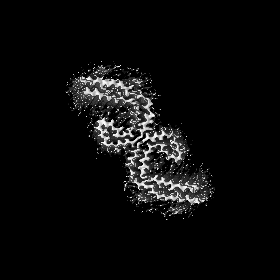
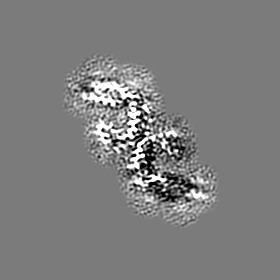
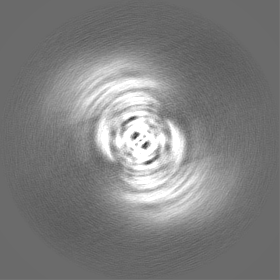
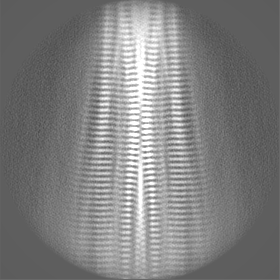
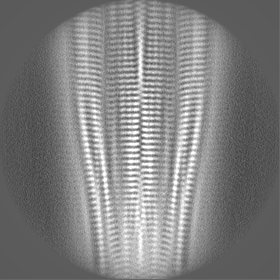
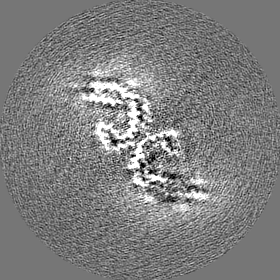
| Projections & slices | Image control
Images are generated by Spider. | ||||||||||||||||||||||||||||||||||||
| Voxel size | X=Y=Z: 0.834 Å | ||||||||||||||||||||||||||||||||||||
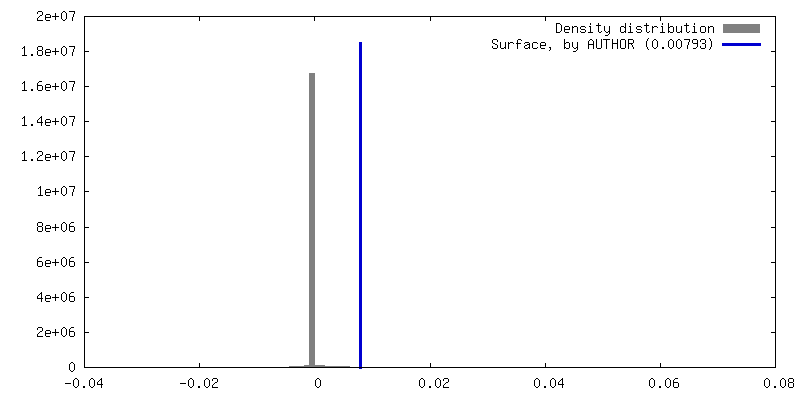
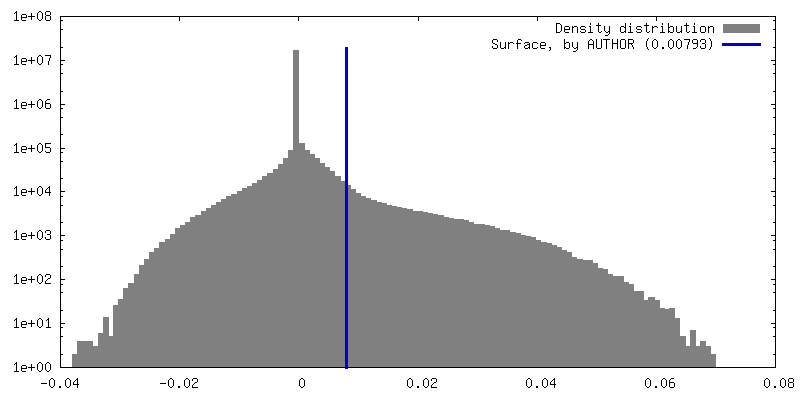
| Density |
| ||||||||||||||||||||||||||||||||||||
| Symmetry | Space group: 1 | ||||||||||||||||||||||||||||||||||||
| Details | EMDB XML:
|
 Z (Sec.)
 Y (Row.)
 X (Col.)







-Supplemental data
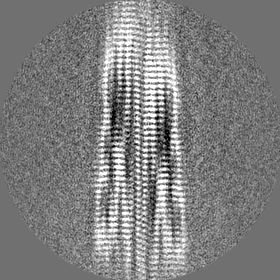
-Half map: #2
| File | emd_45008_half_map_1.map | ||||||||||||
|---|---|---|---|---|---|---|---|---|---|---|---|---|---|
| Projections & Slices |
| ||||||||||||
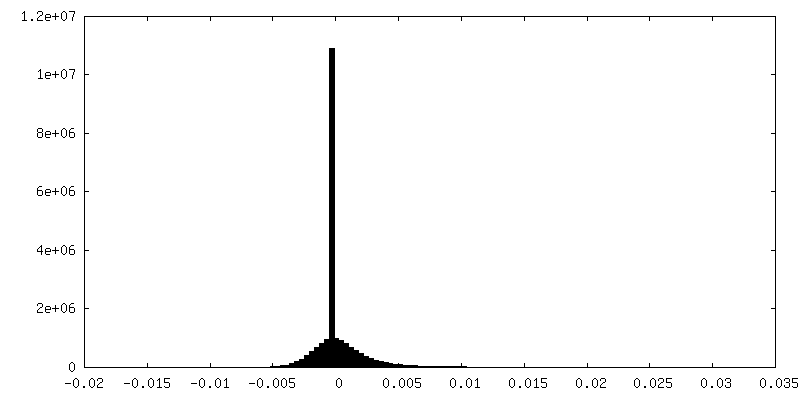
| Density Histograms |
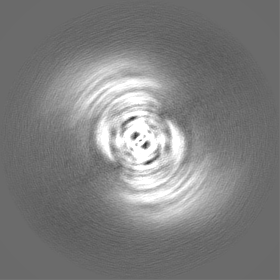
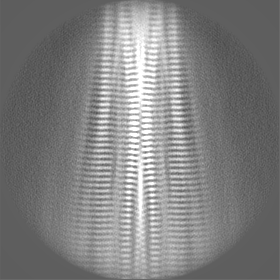
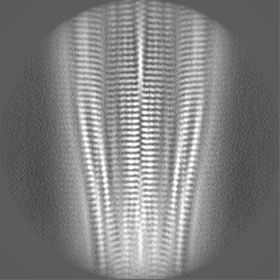
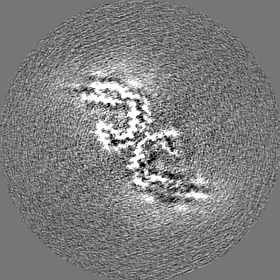
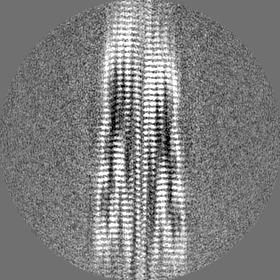
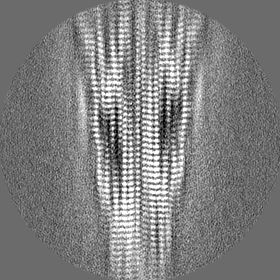
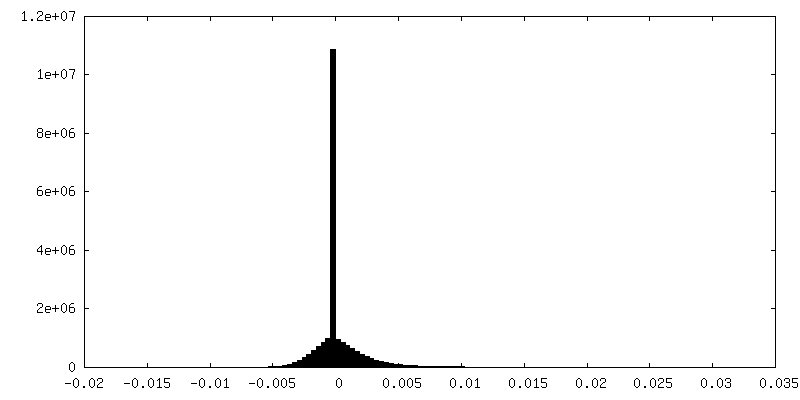
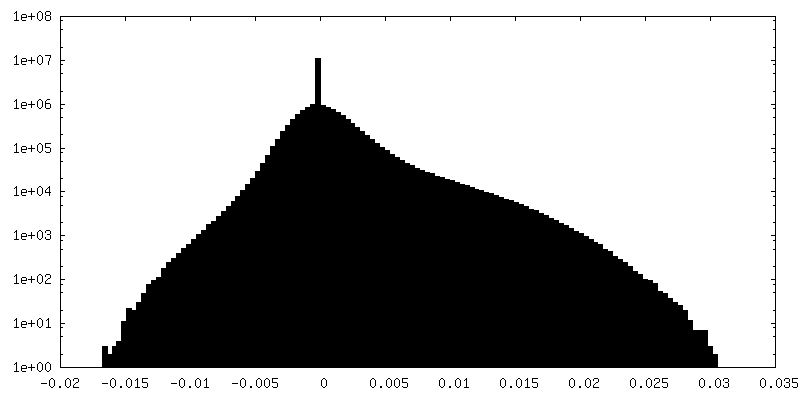
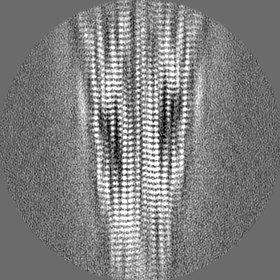
-Half map: #1
| File | emd_45008_half_map_2.map | ||||||||||||
|---|---|---|---|---|---|---|---|---|---|---|---|---|---|
| Projections & Slices |
| ||||||||||||
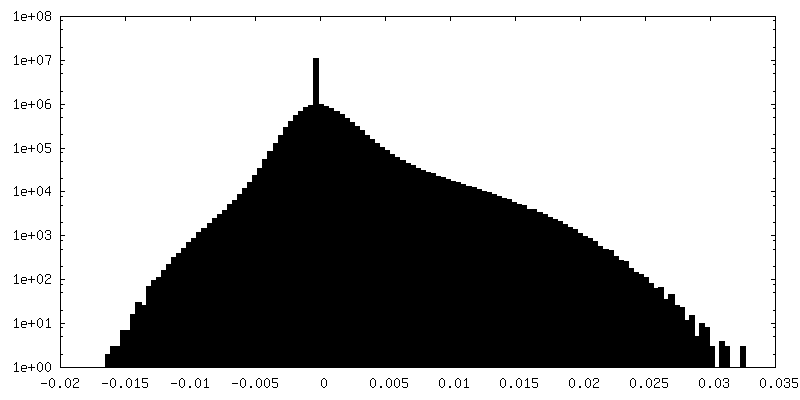
| Density Histograms |
- Sample components
-Entire : Paired Helical Filaments purified from Down Syndrome individual b...
| Entire | Name: Paired Helical Filaments purified from Down Syndrome individual brain tissue applied to graphene oxide antibody affinity grids |
|---|---|
| Components |
|
-Supramolecule #1: Paired Helical Filaments purified from Down Syndrome individual b...
| Supramolecule | Name: Paired Helical Filaments purified from Down Syndrome individual brain tissue applied to graphene oxide antibody affinity grids type: tissue / ID: 1 / Parent: 0 / Macromolecule list: all |
|---|---|
| Source (natural) | Organism: Homo sapiens (human) |
-Macromolecule #1: Microtubule-associated protein tau
| Macromolecule | Name: Microtubule-associated protein tau / type: protein_or_peptide / ID: 1 / Number of copies: 6 / Enantiomer: LEVO |
|---|---|
| Source (natural) | Organism: Homo sapiens (human) |
| Molecular weight | Theoretical: 8.370578 KDa |
| Sequence | String: GSVQIVYKPV DLSKVTSKCG SLGNIHHKPG GGQVEVKSEK LDFKDRVQSK IGSLDNITHV PGGGNKKIET HKLTFRE UniProtKB: Microtubule-associated protein tau |
-Experimental details
-Structure determination
| Method | cryo EM |
|---|---|
 Processing Processing | helical reconstruction |
| Aggregation state | filament |
-Sample preparation
| Buffer | pH: 7.4 |
|---|---|
| Vitrification | Cryogen name: ETHANE |
| Details | Sarkosyl extraction of insoluble tau from fresh-frozen frontal cortex samples from Down Syndrome individuals |
- Electron microscopy
| Microscope | FEI TITAN KRIOS |
|---|---|
| Specialist optics | Energy filter - Name: GIF Bioquantum / Energy filter - Slit width: 20 eV |
| Image recording | Film or detector model: GATAN K3 BIOQUANTUM (6k x 4k) / Average electron dose: 56.0 e/Å2 |
| Electron beam | Acceleration voltage: 300 kV / Electron source:  FIELD EMISSION GUN FIELD EMISSION GUN |
| Electron optics | C2 aperture diameter: 70.0 µm / Illumination mode: FLOOD BEAM / Imaging mode: BRIGHT FIELD / Nominal defocus max: 2.0 µm / Nominal defocus min: 0.8 µm |
| Experimental equipment |  Model: Titan Krios / Image courtesy: FEI Company |
-Image processing
| Final reconstruction | Applied symmetry - Helical parameters - Δz: 2.37 Å Applied symmetry - Helical parameters - Δ&Phi: 179.5 ° Applied symmetry - Helical parameters - Axial symmetry: C1 (asymmetric) Resolution.type: BY AUTHOR / Resolution: 3.1 Å / Resolution method: FSC 0.143 CUT-OFF / Number images used: 79599 |
|---|---|
| Startup model | Type of model: INSILICO MODEL / In silico model: relion_helix_inimodel2d Details: selected class averages with similar views along filament length |
| Final angle assignment | Type: NOT APPLICABLE |
