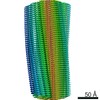
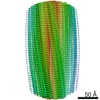
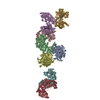
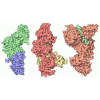
- EMDB-12552: Straight filament from Alzheimer's disease with PET ligand APN-1607 -
+
データを開く
IDまたはキーワード:
読み込み中...
-
基本情報
登録情報
データベース: EMDB / ID: EMD-12552
タイトル
Straight filament from Alzheimer's disease with PET ligand APN-1607
マップデータ
試料
組織: Sarkosyl-insoluble fractions from Alzheimer's disease with PET ligand APN-1607
タンパク質・ペプチド: Microtubule-associated protein tau
キーワード
Tau filament / Protein fibril / Positron emission tomography
機能・相同性
機能・相同性情報
plus-end-directed organelle transport along microtubule / histone-dependent DNA binding / negative regulation of protein localization to mitochondrion / neurofibrillary tangle / microtubule lateral binding / axonal transport / tubulin complex / positive regulation of protein localization to synapse / phosphatidylinositol bisphosphate binding / generation of neurons ...plus-end-directed organelle transport along microtubule / histone-dependent DNA binding / negative regulation of protein localization to mitochondrion / neurofibrillary tangle / microtubule lateral binding / axonal transport / tubulin complex / positive regulation of protein localization to synapse / phosphatidylinositol bisphosphate binding / generation of neurons / rRNA metabolic process / axonal transport of mitochondrion / regulation of mitochondrial fission / axon development / regulation of microtubule-based movement / regulation of chromosome organization / central nervous system neuron development / intracellular distribution of mitochondria / minor groove of adenine-thymine-rich DNA binding / lipoprotein particle binding / microtubule polymerization / negative regulation of mitochondrial membrane potential / regulation of microtubule polymerization / dynactin binding / apolipoprotein binding / main axon / protein polymerization / axolemma / Caspase-mediated cleavage of cytoskeletal proteins / regulation of microtubule polymerization or depolymerization / negative regulation of mitochondrial fission / glial cell projection / neurofibrillary tangle assembly / positive regulation of axon extension / regulation of cellular response to heat / Activation of AMPK downstream of NMDARs / positive regulation of superoxide anion generation / positive regulation of protein localization / regulation of long-term synaptic depression / cellular response to brain-derived neurotrophic factor stimulus / positive regulation of microtubule polymerization / supramolecular fiber organization / synapse assembly / cytoplasmic microtubule organization / regulation of calcium-mediated signaling / somatodendritic compartment / axon cytoplasm / phosphatidylinositol binding / astrocyte activation / enzyme inhibitor activity / nuclear periphery / stress granule assembly / protein phosphatase 2A binding / regulation of microtubule cytoskeleton organization / cellular response to reactive oxygen species / Hsp90 protein binding / microglial cell activation / cellular response to nerve growth factor stimulus / synapse organization / PKR-mediated signaling / regulation of synaptic plasticity / protein homooligomerization / regulation of autophagy / response to lead ion / SH3 domain binding / microtubule cytoskeleton organization / memory / cytoplasmic ribonucleoprotein granule / neuron projection development / cell-cell signaling / single-stranded DNA binding / protein-folding chaperone binding / cellular response to heat / microtubule cytoskeleton / actin binding / growth cone / cell body / double-stranded DNA binding / protein-macromolecule adaptor activity / microtubule binding / sequence-specific DNA binding / dendritic spine / amyloid fibril formation / microtubule / learning or memory / neuron projection / membrane raft / negative regulation of gene expression / axon / neuronal cell body / DNA damage response / dendrite / protein kinase binding / enzyme binding / mitochondrion / DNA binding / RNA binding / extracellular region / identical protein binding / nucleus 類似検索 - 分子機能
Microtubule-associated protein Tau / Microtubule associated protein, tubulin-binding repeat / Tau and MAP protein, tubulin-binding repeat / Tau and MAP proteins tubulin-binding repeat signature. / Tau and MAP proteins tubulin-binding repeat profile. / : 類似検索 - ドメイン・相同性
National Institutes of Health/National Institute on Aging (NIH/NIA)
P30-AG010133
米国
National Institutes of Health/National Institute of Neurological Disorders and Stroke (NIH/NINDS)
U01-NS110437
米国
Japan Agency for Medical Research and Development (AMED)
JP20dm0207072
日本
引用
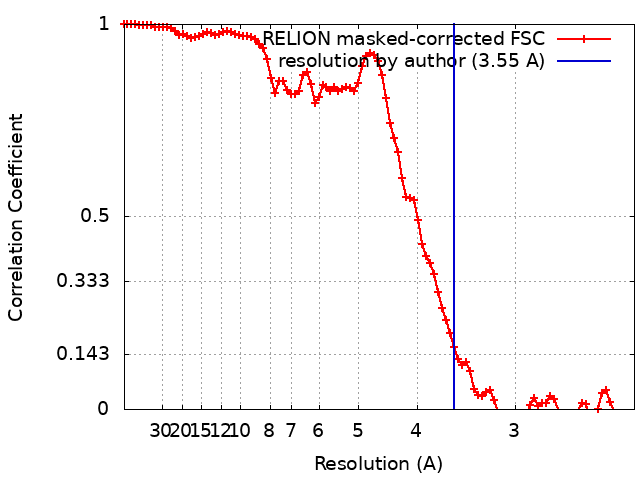
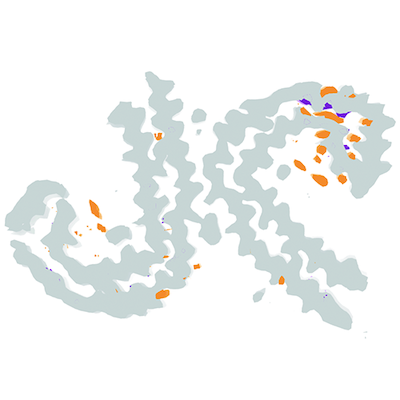
ジャーナル: Acta Neuropathol / 年: 2021 タイトル: Cryo-EM structures of tau filaments from Alzheimer's disease with PET ligand APN-1607. 著者: Yang Shi / Alexey G Murzin / Benjamin Falcon / Alexander Epstein / Jonathan Machin / Paul Tempest / Kathy L Newell / Ruben Vidal / Holly J Garringer / Naruhiko Sahara / Makoto Higuchi / ...著者: Yang Shi / Alexey G Murzin / Benjamin Falcon / Alexander Epstein / Jonathan Machin / Paul Tempest / Kathy L Newell / Ruben Vidal / Holly J Garringer / Naruhiko Sahara / Makoto Higuchi / Bernardino Ghetti / Ming-Kuei Jang / Sjors H W Scheres / Michel Goedert / 要旨: Tau and Aβ assemblies of Alzheimer's disease (AD) can be visualized in living subjects using positron emission tomography (PET). Tau assemblies comprise paired helical and straight filaments (PHFs ...Tau and Aβ assemblies of Alzheimer's disease (AD) can be visualized in living subjects using positron emission tomography (PET). Tau assemblies comprise paired helical and straight filaments (PHFs and SFs). APN-1607 (PM-PBB3) is a recently described PET ligand for AD and other tau proteinopathies. Since it is not known where in the tau folds PET ligands bind, we used electron cryo-microscopy (cryo-EM) to determine the binding sites of APN-1607 in the Alzheimer fold. We identified two major sites in the β-helix of PHFs and SFs and a third major site in the C-shaped cavity of SFs. In addition, we report that tau filaments from posterior cortical atrophy (PCA) and primary age-related tauopathy (PART) are identical to those from AD. In support, fluorescence labelling showed binding of APN-1607 to intraneuronal inclusions in AD, PART and PCA. Knowledge of the binding modes of APN-1607 to tau filaments may lead to the development of new ligands with increased specificity and binding activity. We show that cryo-EM can be used to identify the binding sites of small molecules in amyloid filaments.
 ムービー
ムービー コントローラー


 データを開く
 基本情報
基本情報 マップデータ
 試料
試料 キーワード
キーワード 機能・相同性情報
 Homo sapiens (ヒト)
 データ登録者
 英国, European Union,
  米国,
米国,  日本, 6件
  引用
引用
 構造の表示
構造の表示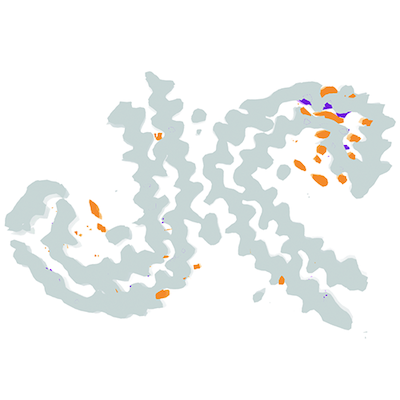
 ダウンロードとリンク
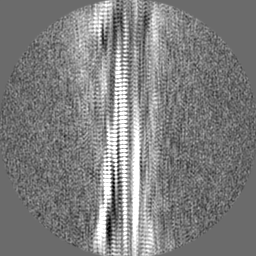
 emd_12552.png
 http://ftp.pdbj.org/pub/emdb/structures/EMD-12552








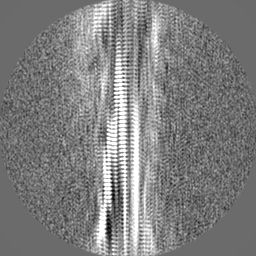
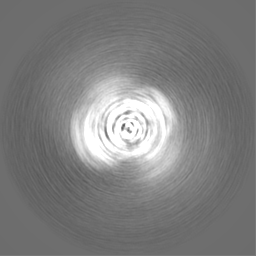
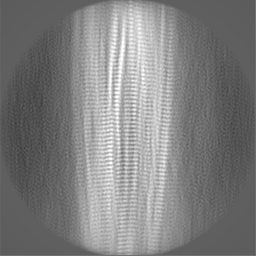
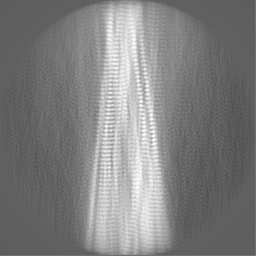
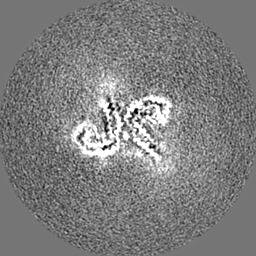
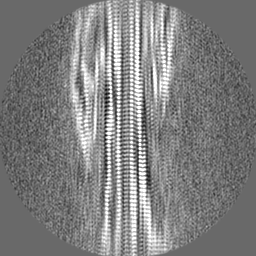
 Z (Sec.)
 Y (Row.)
 X (Col.)




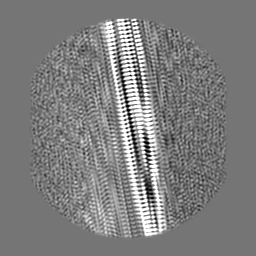

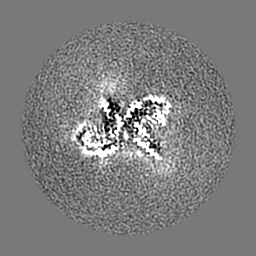

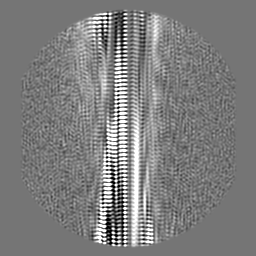

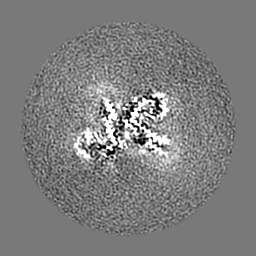









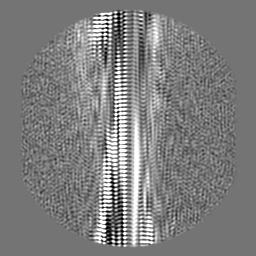
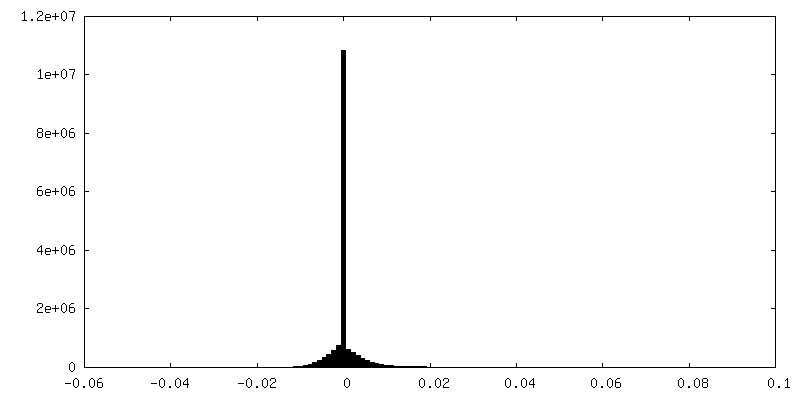
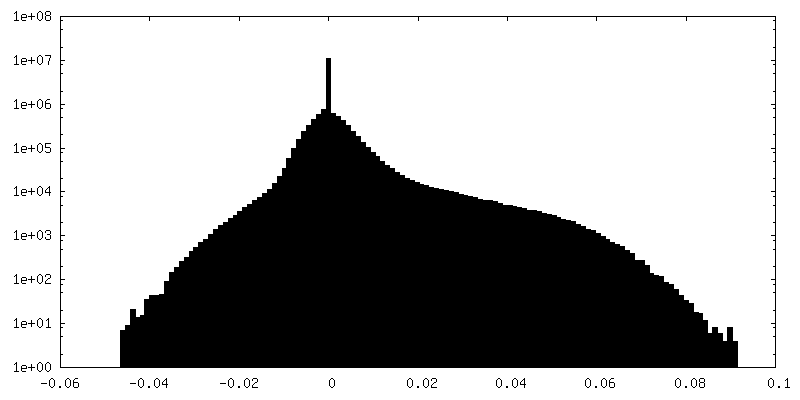
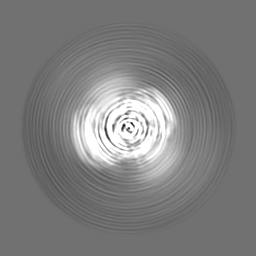
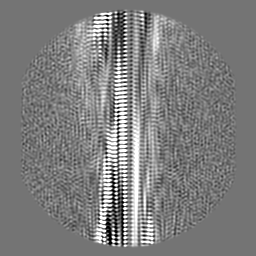
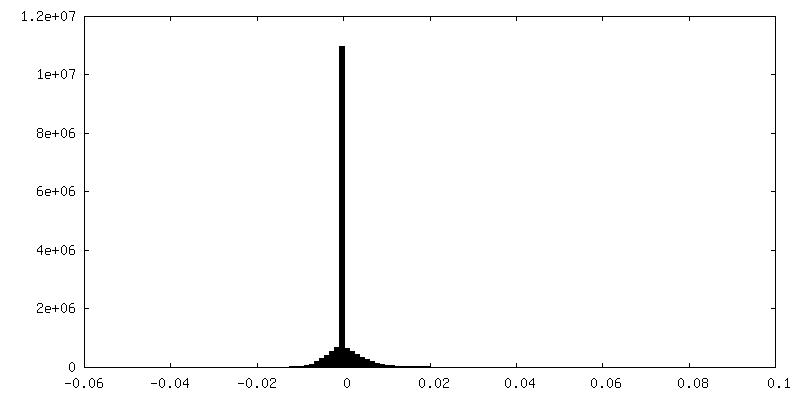
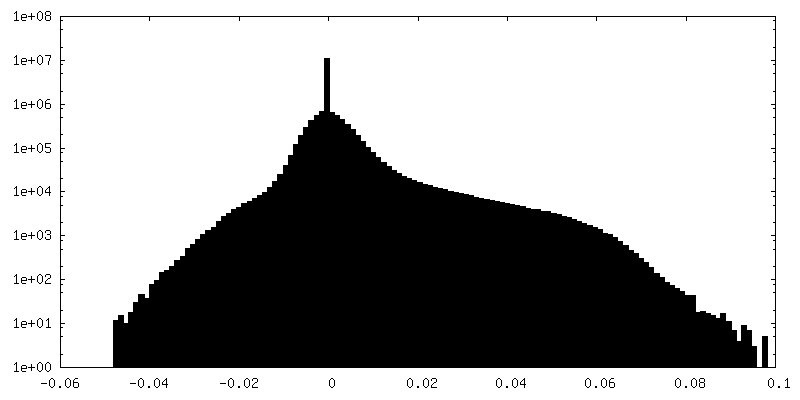
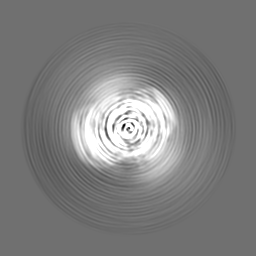
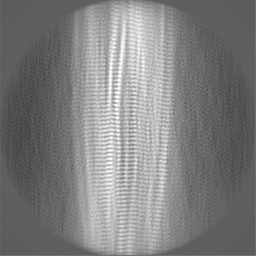
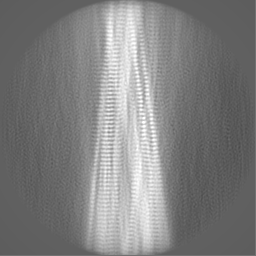
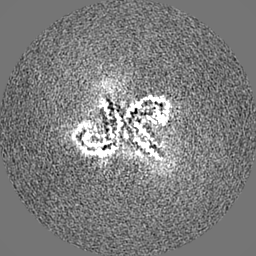
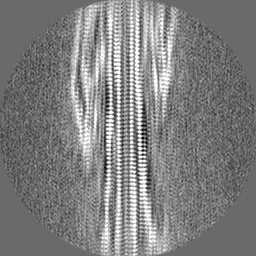
 試料の構成要素
 解析
解析 電子顕微鏡法
 FIELD EMISSION GUN