+
Open data
-
Basic information
| Entry | Database: EMDB / ID: EMD-0619 | |||||||||
|---|---|---|---|---|---|---|---|---|---|---|
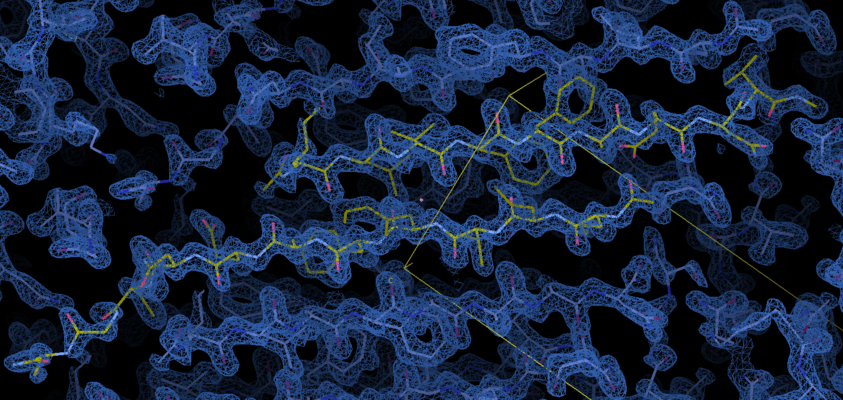
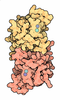
| Title | Amyloid Beta KLVFFAENVGS 16-26 D23N Iowa mutation | |||||||||
Map data | Amyloid Beta KLVFFAENVGS 16-26 D23N Iowa mutation | |||||||||
Sample |
| |||||||||
Keywords | amyloid / PROTEIN FIBRIL | |||||||||
| Function / homology | Function and homology informationamyloid-beta complex / growth cone lamellipodium / cellular response to norepinephrine stimulus / growth cone filopodium / microglia development / collateral sprouting in absence of injury / Formyl peptide receptors bind formyl peptides and many other ligands / axo-dendritic transport / regulation of Wnt signaling pathway / hippocampal neuron apoptotic process ...amyloid-beta complex / growth cone lamellipodium / cellular response to norepinephrine stimulus / growth cone filopodium / microglia development / collateral sprouting in absence of injury / Formyl peptide receptors bind formyl peptides and many other ligands / axo-dendritic transport / regulation of Wnt signaling pathway / hippocampal neuron apoptotic process / axon midline choice point recognition / astrocyte activation involved in immune response / regulation of synapse structure or activity / NMDA selective glutamate receptor signaling pathway / regulation of spontaneous synaptic transmission / mating behavior / growth factor receptor binding / peptidase activator activity / Golgi-associated vesicle / PTB domain binding / positive regulation of amyloid fibril formation / Insertion of tail-anchored proteins into the endoplasmic reticulum membrane / astrocyte projection / Lysosome Vesicle Biogenesis / neuron remodeling / Deregulated CDK5 triggers multiple neurodegenerative pathways in Alzheimer's disease models / nuclear envelope lumen / dendrite development / positive regulation of protein metabolic process / TRAF6 mediated NF-kB activation / signaling receptor activator activity / negative regulation of long-term synaptic potentiation / Advanced glycosylation endproduct receptor signaling / modulation of excitatory postsynaptic potential / transition metal ion binding / main axon / The NLRP3 inflammasome / regulation of multicellular organism growth / intracellular copper ion homeostasis / ECM proteoglycans / regulation of presynapse assembly / positive regulation of T cell migration / neuronal dense core vesicle / response to insulin-like growth factor stimulus / Purinergic signaling in leishmaniasis infection / positive regulation of chemokine production / Notch signaling pathway / cellular response to manganese ion / swimming behavior / clathrin-coated pit / extracellular matrix organization / neuron projection maintenance / astrocyte activation / Mitochondrial protein degradation / ionotropic glutamate receptor signaling pathway / positive regulation of calcium-mediated signaling / positive regulation of mitotic cell cycle / protein serine/threonine kinase binding / axonogenesis / response to interleukin-1 / regulation of neuron apoptotic process / platelet alpha granule lumen / cellular response to copper ion / cellular response to cAMP / positive regulation of glycolytic process / central nervous system development / dendritic shaft / trans-Golgi network membrane / endosome lumen / positive regulation of long-term synaptic potentiation / positive regulation of interleukin-1 beta production / adult locomotory behavior / learning / Post-translational protein phosphorylation / locomotory behavior / serine-type endopeptidase inhibitor activity / microglial cell activation / positive regulation of non-canonical NF-kappaB signal transduction / cellular response to nerve growth factor stimulus / TAK1-dependent IKK and NF-kappa-B activation / recycling endosome / regulation of long-term neuronal synaptic plasticity / synapse organization / visual learning / positive regulation of JNK cascade / response to lead ion / Golgi lumen / positive regulation of interleukin-6 production / cognition / Regulation of Insulin-like Growth Factor (IGF) transport and uptake by Insulin-like Growth Factor Binding Proteins (IGFBPs) / cellular response to amyloid-beta / endocytosis / neuron projection development / positive regulation of tumor necrosis factor production / positive regulation of inflammatory response / calcium ion transport / Platelet degranulation / regulation of translation / heparin binding / regulation of gene expression Similarity search - Function | |||||||||
| Biological species | Homo sapiens (human) | |||||||||
| Method | electron crystallography / cryo EM / Resolution: 1.402 Å | |||||||||
Authors | Griner SL / Sawaya MR | |||||||||
| Funding support | United States, 1 items
| |||||||||
Citation | Journal: Elife / Year: 2019Title: Structure-based inhibitors of amyloid beta core suggest a common interface with tau. Authors: Sarah L Griner / Paul Seidler / Jeannette Bowler / Kevin A Murray / Tianxiao Peter Yang / Shruti Sahay / Michael R Sawaya / Duilio Cascio / Jose A Rodriguez / Stephan Philipp / Justyna Sosna ...Authors: Sarah L Griner / Paul Seidler / Jeannette Bowler / Kevin A Murray / Tianxiao Peter Yang / Shruti Sahay / Michael R Sawaya / Duilio Cascio / Jose A Rodriguez / Stephan Philipp / Justyna Sosna / Charles G Glabe / Tamir Gonen / David S Eisenberg / ![]() Abstract: Alzheimer's disease (AD) pathology is characterized by plaques of amyloid beta (Aβ) and neurofibrillary tangles of tau. Aβ aggregation is thought to occur at early stages of the disease, and ...Alzheimer's disease (AD) pathology is characterized by plaques of amyloid beta (Aβ) and neurofibrillary tangles of tau. Aβ aggregation is thought to occur at early stages of the disease, and ultimately gives way to the formation of tau tangles which track with cognitive decline in humans. Here, we report the crystal structure of an Aβ core segment determined by MicroED and in it, note characteristics of both fibrillar and oligomeric structure. Using this structure, we designed peptide-based inhibitors that reduce Aβ aggregation and toxicity of already-aggregated species. Unexpectedly, we also found that these inhibitors reduce the efficiency of Aβ-mediated tau aggregation, and moreover reduce aggregation and self-seeding of tau fibrils. The ability of these inhibitors to interfere with both Aβ and tau seeds suggests these fibrils share a common epitope, and supports the hypothesis that cross-seeding is one mechanism by which amyloid is linked to tau aggregation and could promote cognitive decline. | |||||||||
| History |
|
-
Structure visualization
| Movie |
Movie viewer |
|---|---|
| Structure viewer | EM map: SurfView Molmil Jmol/JSmol |
| Supplemental images |
-
Downloads & links
-EMDB archive
| Map data | emd_0619.map.gz | 280.9 KB | EMDB map data format | |
|---|---|---|---|---|
| Header (meta data) | emd-0619-v30.xml emd-0619.xml | 12.9 KB 12.9 KB | Display Display | EMDB header |
| Images | emd_0619.png | 598.5 KB | ||
| Filedesc metadata | emd-0619.cif.gz | 5.4 KB | ||
| Filedesc structureFactors | emd_0619_sf.cif.gz | 49.4 KB | ||
| Archive directory | http://ftp.pdbj.org/pub/emdb/structures/EMD-0619 ftp://ftp.pdbj.org/pub/emdb/structures/EMD-0619 | HTTPS FTP |
-Related structure data
| Related structure data | ![]() 6o4jMC M: atomic model generated by this map C: citing same article ( |
|---|---|
| Similar structure data | Similarity search - Function & homology F&H Search |
-
Links
| EMDB pages | EMDB (EBI/PDBe) / EMDataResource |
|---|---|
| Related items in Molecule of the Month |
-
Map
| File | Download / File: emd_0619.map.gz / Format: CCP4 / Size: 304.7 KB / Type: IMAGE STORED AS FLOATING POINT NUMBER (4 BYTES) | ||||||||||||||||||||||||||||||||||||||||||||||||||||||||||||||||||||
|---|---|---|---|---|---|---|---|---|---|---|---|---|---|---|---|---|---|---|---|---|---|---|---|---|---|---|---|---|---|---|---|---|---|---|---|---|---|---|---|---|---|---|---|---|---|---|---|---|---|---|---|---|---|---|---|---|---|---|---|---|---|---|---|---|---|---|---|---|---|
| Annotation | Amyloid Beta KLVFFAENVGS 16-26 D23N Iowa mutation | ||||||||||||||||||||||||||||||||||||||||||||||||||||||||||||||||||||
| Projections & slices | Image control
Images are generated by Spider. generated in cubic-lattice coordinate | ||||||||||||||||||||||||||||||||||||||||||||||||||||||||||||||||||||
| Voxel size | X: 0.389 Å / Y: 0.36049 Å / Z: 0.35444 Å | ||||||||||||||||||||||||||||||||||||||||||||||||||||||||||||||||||||
| Density |
| ||||||||||||||||||||||||||||||||||||||||||||||||||||||||||||||||||||
| Symmetry | Space group: 4 | ||||||||||||||||||||||||||||||||||||||||||||||||||||||||||||||||||||
| Details | EMDB XML:
CCP4 map header:
| ||||||||||||||||||||||||||||||||||||||||||||||||||||||||||||||||||||
-Supplemental data
-
Sample components
-Entire : Fibrils of Amyloid Beta segment 16-26
| Entire | Name: Fibrils of Amyloid Beta segment 16-26 |
|---|---|
| Components |
|
-Supramolecule #1: Fibrils of Amyloid Beta segment 16-26
| Supramolecule | Name: Fibrils of Amyloid Beta segment 16-26 / type: complex / ID: 1 / Parent: 0 / Macromolecule list: all |
|---|---|
| Source (natural) | Organism: Homo sapiens (human) |
-Macromolecule #1: Amyloid-beta precursor protein
| Macromolecule | Name: Amyloid-beta precursor protein / type: protein_or_peptide / ID: 1 / Number of copies: 2 / Enantiomer: LEVO |
|---|---|
| Source (natural) | Organism: Homo sapiens (human) |
| Molecular weight | Theoretical: 1.235432 KDa |
| Sequence | String: (ACE)KLVFFAENV GS(NH2) UniProtKB: Amyloid-beta precursor protein |
-Experimental details
-Structure determination
| Method | cryo EM |
|---|---|
Processing | electron crystallography |
| Aggregation state | 3D array |
-
Sample preparation
| Concentration | 7.5 mg/mL | |||||||||||||||
|---|---|---|---|---|---|---|---|---|---|---|---|---|---|---|---|---|
| Buffer | pH: 8 Component:
| |||||||||||||||
| Grid | Support film - Material: CARBON / Support film - topology: HOLEY / Details: unspecified | |||||||||||||||
| Vitrification | Cryogen name: ETHANE / Instrument: FEI VITROBOT MARK IV | |||||||||||||||
| Details | nanocrystals | |||||||||||||||
| Crystal formation | Instrument: microcentrifuge tube / Atmosphere: air / Temperature: 310.0 K / Time: 4.0 DAY |
-
Electron microscopy
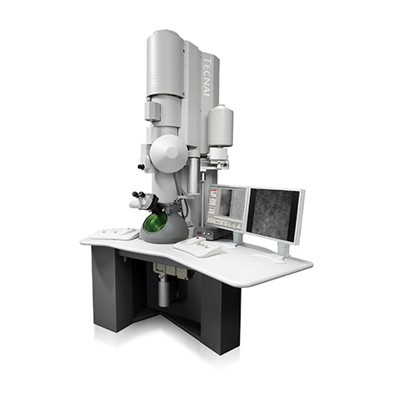
| Microscope | FEI TECNAI F20 |
|---|---|
| Image recording | Film or detector model: TVIPS TEMCAM-F416 (4k x 4k) / Digitization - Dimensions - Width: 2048 pixel / Digitization - Dimensions - Height: 2048 pixel / Number diffraction images: 1331 / Average electron dose: 0.03 e/Å2 |
| Electron beam | Acceleration voltage: 200 kV / Electron source: FIELD EMISSION GUN |
| Electron optics | Illumination mode: FLOOD BEAM / Imaging mode: DIFFRACTION / Camera length: 1840 mm |
| Sample stage | Specimen holder model: GATAN 626 SINGLE TILT LIQUID NITROGEN CRYO TRANSFER HOLDER Cooling holder cryogen: NITROGEN |
| Experimental equipment | ![]() Model: Tecnai F20 / Image courtesy: FEI Company |
-
Image processing
| Final reconstruction | Resolution.type: BY AUTHOR / Resolution: 1.402 Å / Resolution method: DIFFRACTION PATTERN/LAYERLINES |
|---|---|
| Crystallography statistics | Number intensities measured: 47598 / Number structure factors: 2355 / Fourier space coverage: 85.4 / R sym: 0.24 / R merge: 0.24 / Overall phase error: 0 / Overall phase residual: 0.01 / Phase error rejection criteria: 0 / High resolution: 1.4 Å / Shell - Shell ID: 1 / Shell - High resolution: 1.4 Å / Shell - Low resolution: 1.44 Å / Shell - Number structure factors: 163 / Shell - Phase residual: 0.01 / Shell - Fourier space coverage: 78 / Shell - Multiplicity: 12.1 |
Movie
Controller
About Yorodumi


Keywords
Homo sapiens (human)
Authors
United States, 1 items
Citation
UCSF Chimera


Z (Sec.)
X (Row.)
Y (Col.)