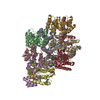
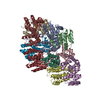
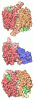
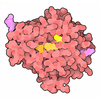
- EMDB-39126: Structure of the FADD/Caspase-8/cFLIP death effector domain assembly -
+
データを開く
IDまたはキーワード:
読み込み中...
-
基本情報
登録情報
データベース: EMDB / ID: EMD-39126
タイトル
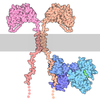
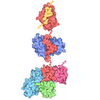
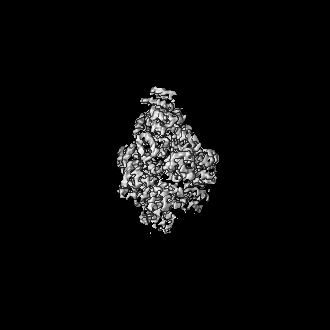
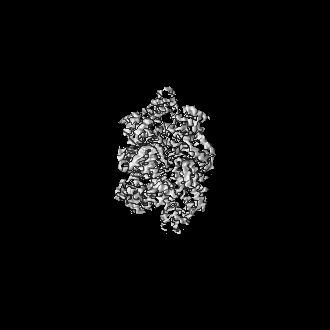
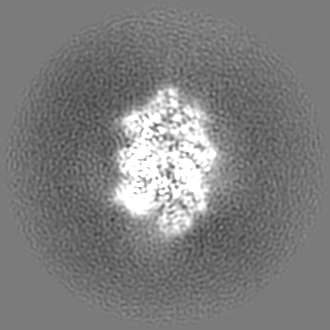
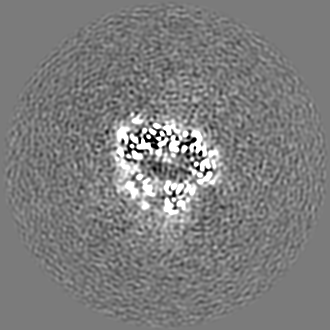
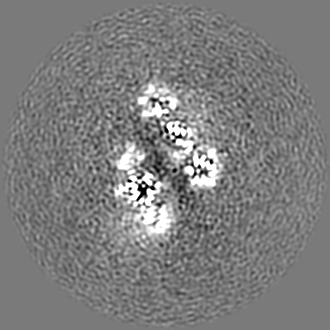
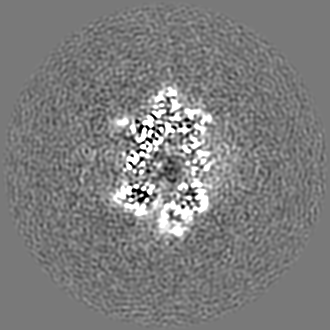
Structure of the FADD/Caspase-8/cFLIP death effector domain assembly
マップデータ
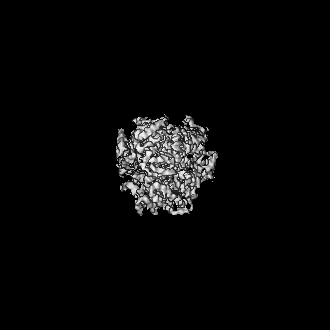
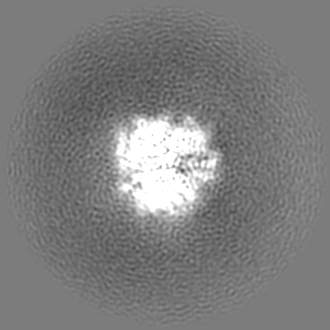
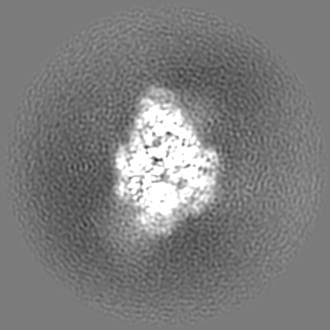
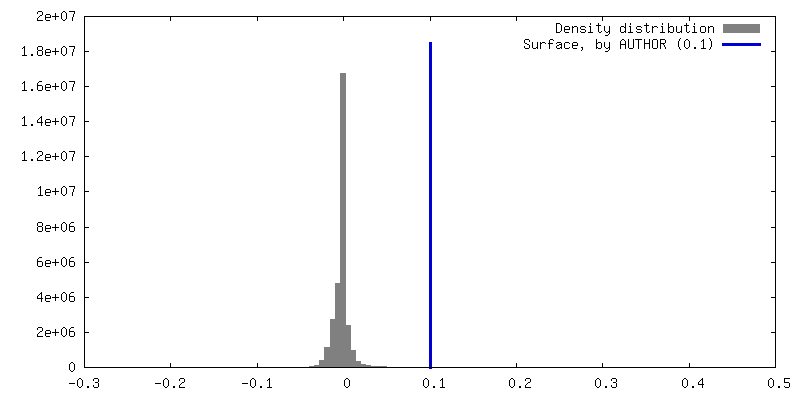
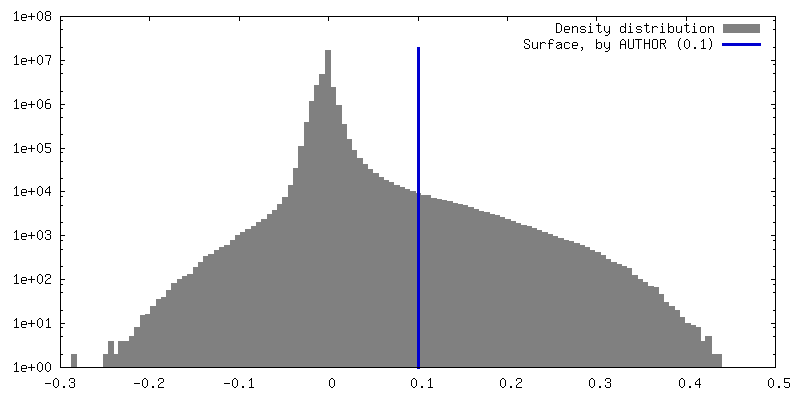
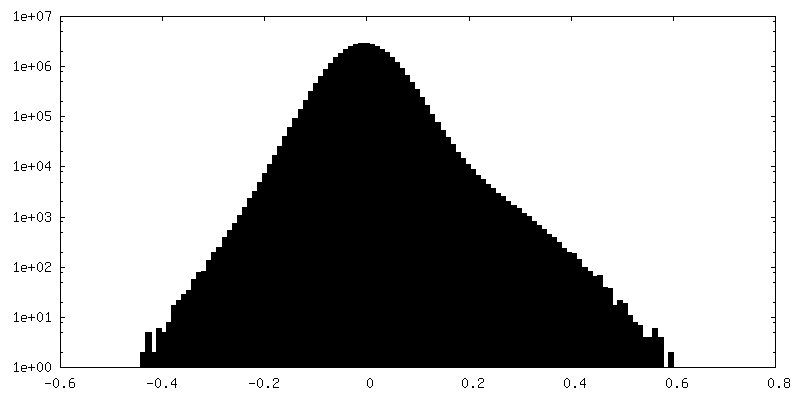
sharpened map
試料
複合体: FADD/Caspase-8/cFLIP death effector domain assembly
タンパク質・ペプチド: Caspase-8 subunit p10
タンパク質・ペプチド: CASP8 and FADD-like apoptosis regulator subunit p43
タンパク質・ペプチド: FAS-associated death domain protein
キーワード
FADD / caspase-8 / cellular FLICE-like inhibitory protein / Death effector domain / APOPTOSIS
機能・相同性
機能・相同性情報
positive regulation of CD8-positive, alpha-beta cytotoxic T cell extravasation / negative regulation of activation-induced cell death of T cells / negative regulation of myoblast fusion / skeletal muscle atrophy / skeletal myofibril assembly / caspase-8 / syncytiotrophoblast cell differentiation involved in labyrinthine layer development / death effector domain binding / tumor necrosis factor receptor superfamily binding / FasL/ CD95L signaling ...positive regulation of CD8-positive, alpha-beta cytotoxic T cell extravasation / negative regulation of activation-induced cell death of T cells / negative regulation of myoblast fusion / skeletal muscle atrophy / skeletal myofibril assembly / caspase-8 / syncytiotrophoblast cell differentiation involved in labyrinthine layer development / death effector domain binding / tumor necrosis factor receptor superfamily binding / FasL/ CD95L signaling / TRAIL signaling / regulation of skeletal muscle satellite cell proliferation / CD95 death-inducing signaling complex / Apoptotic execution phase / death-inducing signaling complex assembly / Activation, myristolyation of BID and translocation to mitochondria / Defective RIPK1-mediated regulated necrosis / TRAIL-activated apoptotic signaling pathway / Microbial modulation of RIPK1-mediated regulated necrosis / ripoptosome / caspase binding / regulation of necroptotic process / TRIF-mediated programmed cell death / Regulation by c-FLIP / CASP8 activity is inhibited / Dimerization of procaspase-8 / positive regulation of extracellular matrix organization / TLR3-mediated TICAM1-dependent programmed cell death / self proteolysis / Caspase activation via Death Receptors in the presence of ligand / positive regulation of macrophage differentiation / positive regulation of adaptive immune response / negative regulation of hepatocyte apoptotic process / response to cobalt ion / positive regulation of glomerular mesangial cell proliferation / necroptotic signaling pathway / NF-kB activation through FADD/RIP-1 pathway mediated by caspase-8 and -10 / positive regulation of hepatocyte proliferation / skeletal muscle tissue regeneration / CLEC7A/inflammasome pathway / death-inducing signaling complex / negative regulation of necroptotic process / receptor serine/threonine kinase binding / regulation of tumor necrosis factor-mediated signaling pathway / positive regulation of type I interferon-mediated signaling pathway / tumor necrosis factor receptor binding / positive regulation of innate immune response / death receptor binding / natural killer cell activation / positive regulation of activated T cell proliferation / motor neuron apoptotic process / TNFR1-induced proapoptotic signaling / negative regulation of cellular response to transforming growth factor beta stimulus / positive regulation of extrinsic apoptotic signaling pathway / execution phase of apoptosis / RIPK1-mediated regulated necrosis / response to anesthetic / Apoptotic cleavage of cellular proteins / regulation of innate immune response / response to testosterone / T cell homeostasis / positive regulation of proteolysis / B cell activation / macrophage differentiation / negative regulation of cardiac muscle cell apoptotic process / response to tumor necrosis factor / extrinsic apoptotic signaling pathway via death domain receptors / pyroptotic inflammatory response / cellular response to dexamethasone stimulus / Caspase-mediated cleavage of cytoskeletal proteins / lymph node development / positive regulation of execution phase of apoptosis / negative regulation of extrinsic apoptotic signaling pathway via death domain receptors / skeletal muscle tissue development / spleen development / negative regulation of reactive oxygen species biosynthetic process / extrinsic apoptotic signaling pathway / extrinsic apoptotic signaling pathway in absence of ligand / behavioral response to cocaine / cellular response to nitric oxide / cysteine-type peptidase activity / signaling adaptor activity / regulation of cytokine production / cellular response to epidermal growth factor stimulus / : / thymus development / T cell activation / negative regulation of extrinsic apoptotic signaling pathway / positive regulation of interleukin-1 beta production / positive regulation of interleukin-8 production / negative regulation of canonical NF-kappaB signal transduction / Regulation of NF-kappa B signaling / cellular response to estradiol stimulus / apoptotic signaling pathway / kidney development / Regulation of TNFR1 signaling / cellular response to mechanical stimulus / protein maturation / NOD1/2 Signaling Pathway / positive regulation of neuron projection development 類似検索 - 分子機能
FADD / : / Caspase-8 / Death effector domain / Death effector domain / Death effector domain (DED) profile. / Death effector domain / Death domain profile. / Peptidase family C14A, His active site / Caspase family histidine active site. ...FADD / : / Caspase-8 / Death effector domain / Death effector domain / Death effector domain (DED) profile. / Death effector domain / Death domain profile. / Peptidase family C14A, His active site / Caspase family histidine active site. / Peptidase C14, caspase non-catalytic subunit p10 / Peptidase family C14A, cysteine active site / Caspase family cysteine active site. / Caspase family p10 domain profile. / DEATH domain, found in proteins involved in cell death (apoptosis). / Death domain / Death domain / Peptidase C14A, caspase catalytic domain / Caspase, interleukin-1 beta converting enzyme (ICE) homologues / Peptidase C14, p20 domain / Caspase family p20 domain profile. / : / Caspase domain / Caspase-like domain superfamily / Death-like domain superfamily 類似検索 - ドメイン・相同性
CASP8 and FADD-like apoptosis regulator / FAS-associated death domain protein / Caspase-8 類似検索 - 構成要素
ジャーナル: Nat Commun / 年: 2024 タイトル: Deciphering DED assembly mechanisms in FADD-procaspase-8-cFLIP complexes regulating apoptosis. 著者: Chao-Yu Yang / Chia-I Lien / Yi-Chun Tseng / Yi-Fan Tu / Arkadiusz W Kulczyk / Yen-Chen Lu / Yin-Ting Wang / Tsung-Wei Su / Li-Chung Hsu / Yu-Chih Lo / Su-Chang Lin / 要旨: Fas-associated protein with death domain (FADD), procaspase-8, and cellular FLICE-inhibitory proteins (cFLIP) assemble through death-effector domains (DEDs), directing death receptor signaling ...Fas-associated protein with death domain (FADD), procaspase-8, and cellular FLICE-inhibitory proteins (cFLIP) assemble through death-effector domains (DEDs), directing death receptor signaling towards cell survival or apoptosis. Understanding their three-dimensional regulatory mechanism has been limited by the absence of atomic coordinates for their ternary DED complex. By employing X-ray crystallography and cryogenic electron microscopy (cryo-EM), we present the atomic coordinates of human FADD-procaspase-8-cFLIP complexes, revealing structural insights into these critical interactions. These structures illustrate how FADD and cFLIP orchestrate the assembly of caspase-8-containing complexes and offer mechanistic explanations for their role in promoting or inhibiting apoptotic and necroptotic signaling. A helical procaspase-8-cFLIP hetero-double layer in the complex appears to promote limited caspase-8 activation for cell survival. Our structure-guided mutagenesis supports the role of the triple-FADD complex in caspase-8 activation and in regulating receptor-interacting protein kinase 1 (RIPK1). These results propose a unified mechanism for DED assembly and procaspase-8 activation in the regulation of apoptotic and necroptotic signaling across various cellular pathways involved in development, innate immunity, and disease.
 ムービー
ムービー コントローラー


 データを開く
 基本情報
基本情報
 マップデータ
 試料
試料 キーワード
キーワード 機能・相同性情報
 Homo sapiens (ヒト)
 データ登録者
 台湾, 1件
  引用
引用
 構造の表示
構造の表示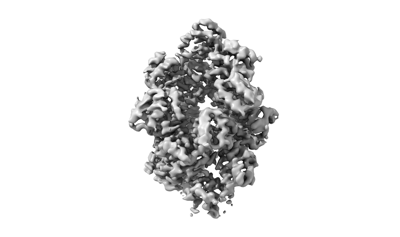
 ダウンロードとリンク
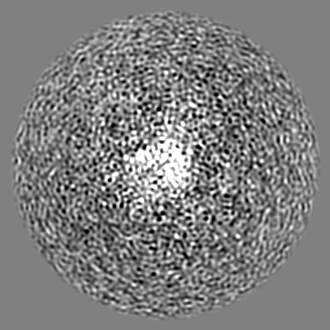
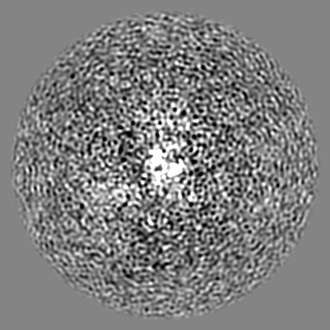
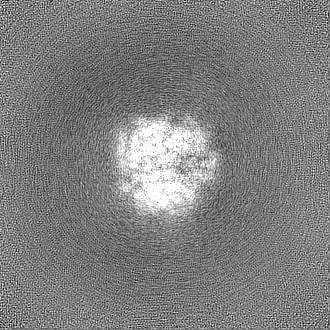
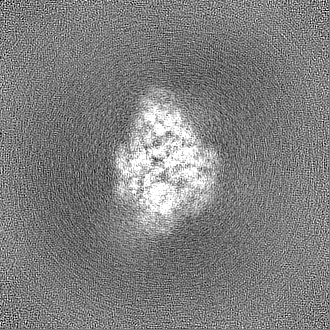
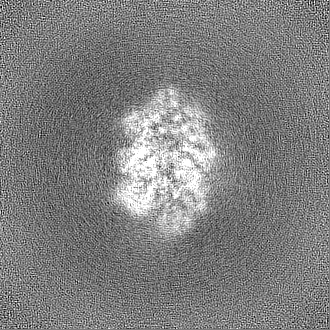
 emd_39126.png
 http://ftp.pdbj.org/pub/emdb/structures/EMD-39126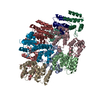


 Z (Sec.)
 Y (Row.)
 X (Col.)





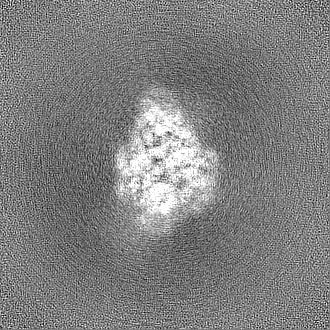
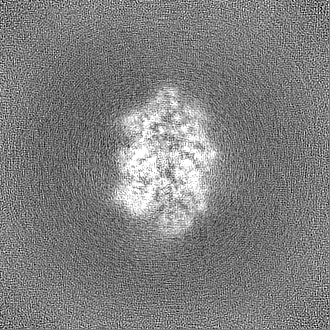
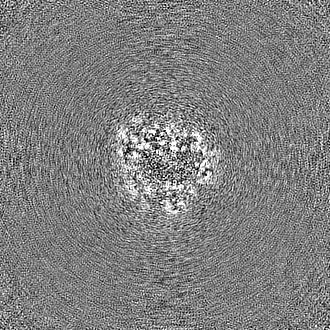


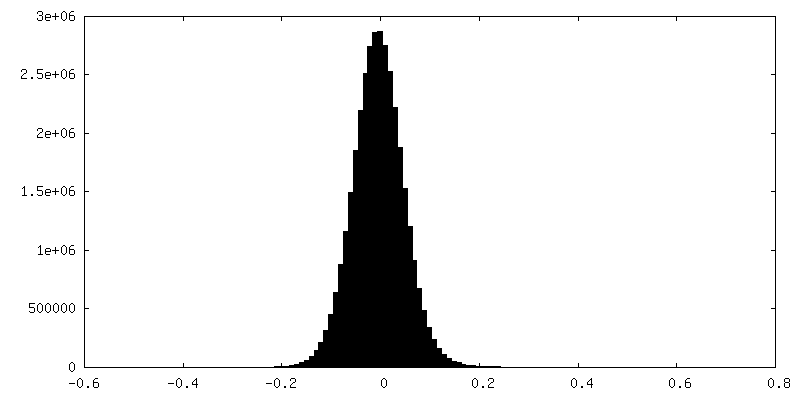
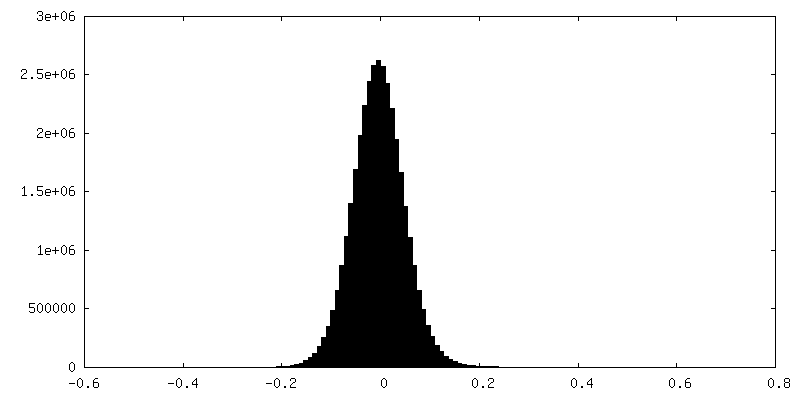
 試料の構成要素
 Escherichia coli BL21 (大腸菌)
 解析
解析 電子顕微鏡法
 FIELD EMISSION GUN

